Emergency Services Staffing Business - Case Study
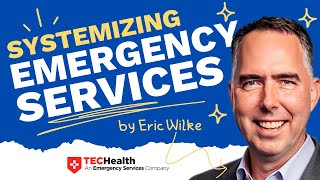
Eric Wilkie of TEC Health cut payroll processing from three days to four hours by documenting systems and hiring a Systems Champion. The emergency-staffing company used Traction/EOS, a wiki, and video guides to reduce founder dependency, then added AI tools like ChatGPT and Zapier to automate routine work.
Chapters
The people that are in a business and they're pulling their hair out and they're frustrated and they, they're frazzled and tired like this, this can help and help much more than you may appreciate because like I said, I've seen both sides of this coin and I'm much happier on this side.
Hey, it's Dave. We are here today sharing stories, inspiration and insights from business owners that are on the journey to build a systems driven company. Today I'm joined by Eric Wilkie from TEC Health. They're an emergency services company. Now I know, Eric, you've got some great stories and great wins. So perhaps just to start, if you can tell us a little bit about the work that you guys do and whom you serve.
Yeah, so we, we have a company that provides medical staffing to emergency departments, so specifically physicians and advanced care providers or advanced practice providers, so nurse practitioners and physician assistants. So we're typically hired by a hospital system to sort of hire and manage that side of the business. We, this is our second go around. We did the same business a number of years ago and sold I think in 2010. And back then I think I would have paid somebody to take the company just because we, we didn't have any systems in place. It was too much cult of personality and more business just meant more headaches and trouble and time away from home. And you know, it was, you know, you'd get a new contract and you'd grown and be depressed, which is probably not a good way to grow a business. And so when we started this, this round of things, we were sitting around and talking and sort of developing our plan. We said we're not going to make the same mistakes that we did before and we want to build something from the ground up that can function without so much bottleneck. So that's kind of how the journey started. We found our way into Traction and eos.
Yes.
And you started ingesting more in. We love traction. We've been using it for a long time. And they've got a section on building your systems which we all agreed upon. But I don't know if we implemented as successful as we could have. And we still were finding some issues with some of our process. And then we came across this crazy book called Systemology. I read that one as well as a couple others. But we like Systemology the best. That seemed to suit us. And so then we started putting that together. We were in fairly good position. We had tried to document everything on a wiki so that when we had Onboarding, you know, you'd go someplace and it was reproducible and that worked well for certain segments, but we couldn't get other segments of the business well controlled. And so since we've kind of started that journey with systemology, we found our Systems champion. We got it all locked down and documented and did the whole film with the phone and then work the process and take it back to the, the person and, and that, that is really sort of taking it further. We're, I think we're going to add three or four new contracts this calendar year and none of us are sweating it. So.
Yeah, I love that. You're a prime example of going through the process, just doing it, getting it done, finding the right person and then building out a Runway for them to continue to build. Systems culture. The Systems Champion piece is something I'm talking more and more about because I feel like it's such an essential element. I'm curious to know how you found your Systems champion. Was it someone on staff or did you hire external? Was it obvious to you?
Yeah, so we, we had some people that kind of got hired at some lower level roles that were very talented, had good attention to detail and were very dependable. So kind of at the higher up, you know, my business partner, Keith, you know, we, we like coming up with ideas, we like getting things implemented, but on the lower level ground, details. I've got some areas where I'm good at it, he's got some areas where he's good at. But this particular, getting these systems documented and rolled out was neither one of our strengths. And so if it were up to us to get it done, it wouldn't happen. So, so we did identify people within the company that I said, you know, they're, they have a lot more potential than where they are. And so we brought them in and said, hey, read this book. And then in a week we're going to come back and we're going to talk about this. And so we handed out the book. We had a small team, one person that was going to be managing two, and then we had a person managing, we had the Systems champion. Then a helper, an associate for the Systems Champion went, said, you know, here's all the things we're worried about. These are the most critical things we need to get documented because if Daryl, who's our controller, got abducted by aliens, we would be hosed. Like, we don't know all the things that he does and we don't know where all the keys are and how he puts it all Together. And, and it was hard for Daryl to take a vacation because, like, he just couldn't take that much time off because he was so. We were so dependent on his function and it was all in his head. He had some things documented, but. And it was the classic, you know, it's just going to take me longer to train somebody and just. Rather than just get it done. Right. Which is the, that's the, the alarm bells. When you hear that, it's the alarm bells going up, it's like, nope. So we. And we just put things on a priority list and just started knocking them out. It, you know, it took maybe 12 months to kind of work through our whole list. But Daryl took a nice long bruise vacation with his wife and no issues. Things got done. There were no problems.
I love that that's the best way to test your systems is to send that team member on a holiday. And he would have loved it, too. So when it comes to thinking about the resources, the time, the effort that you have to throw at this to get it done, like, it doesn't just happen. It's funny, you said, oh, we're a small team. And it sounds like you actually put quite a bit behind this. You had your systems champion, you had a supporter, obviously it would have. And time from some of your key team members was. Was that something. I know this was your second go round with the business, and if I don't. If that made it more obvious to you or. Yeah. I don't know if there's anything that you can speak to about how you thought about the investment in getting it done.
Right. Right. Because, you know, there's the question of, you know, you're spending resources and sometimes money and is there an roi?
Yeah.
And that can be tricky. Like, we were not willing to put together a bunch of metrics to measure the pre and post and then say, all right, you know, yes, this was worth an roi because we knew what our life was like before.
Yeah.
And we knew that we did not want that life like it was. That. That did not make an enjoyable business. That, that was a, you know, a chain around your neck, you know, dragging you down all the time. And so just based off of prior, we. We said there's no way for us to grow and to grow successfully without having these building blocks in place. So for us, it was. The ROI was infinite. Like, we just, we weren't going to be able to. To accomplish what we wanted to unless we had this, you know, solidly locked down. Because neither one of us wanted to be in the office 80 hours a week, always putting out fires, always feeling out like figuring out what to do rather than working at a larger level in the business. So like, what's the direction? You know, what does our three year plan look like? What do we, what are these more longitudinal systems that are important for a growth rather than how do we operate on a day to day basis being very efficient.
One of the reasons I find business owners give up is sometimes they'll start the initiative and then they don't see an immediate large payoff because there's almost like this cumulative effect that happens. The systems start to stack on each other. And you said, look, it was probably 12 months of really consistent work for a good number of team members. So there's definitely an investment in there. Were there any times along that journey that you questioned if you were making the right choice, if your team would adopt this? Like, were there any.
We had, we had no, no reservations. The, you know, so, you know, some of the things that we're talking about, it's like, you know, we have, we have a group that we call the practice managers. And so these are typically fresh out of college, you know, sort of entry level job, but it's vital to kind of the, the efficiency of the function. But, you know, it's an entry level job. These are talented kids, they've got college degrees, they get some experience and typically they move up, you know, on their career path. But their, their task is complicated, lots of details. And so we've got, we're onboarding on a fairly regular basis because there's turnover, you know, and we want, we built this as a job for these people to gain some experience in the healthcare field where they see a lot, even though it's an entry level job, knowing that these are great people and we'll move on to do bigger and better things. But, but we couldn't waste huge amounts of time doing the, you know, at the elbow. Well, let me just teach you what I know. Rather than a very clear pathway just because the ramp up period was too long and there and critical things got missed and you know, and kind of the rate of our business and our particular profession, you know, we can't have those critical things missed. So, so when we started with systemology, the two, two vital areas we wanted is onboarding and ongoing processes and systems for our practice manager group and then for our, our controller and payroll, so the accounting and payroll side of things. And so those were two, like I said, high value targets for us. And the practice manager went a Little faster just because there was a little bit more resources, you know, getting Daryl's time when he's busy all the time, getting him time to stop and talk on the video so that they can then take and build the process. But as like you said, it sort of stacks as we did that with Daryl and we were able to say, all right, we've got this well documented. Can we outsource this to another person on the team to give you more free time? Right. And so by the end of the process, one of the metrics that I had was, Darrell, is your life better now than it was before? Do you feel like you, you know, your work life balance is better, you've got less pressure, you can think on some of these other topics that we need. And he's like, absolutely. So. So that was, you know, like, I kind of knew that that would be the case, but it was nice to get it confirmed.
Oh, hey, I know you're tuned in right now, so I'll keep this super quick. But you like awesome YouTube videos, don't you? Well, there's not really that many YouTube channels that create great content about how to systemize your small business. So I want to make sure that you catch every video that I publish. So if you haven't already, firstly give this video the thumbs up and then go ahead and subscribe to my channel. You can even hit the bell notification to make sure that you're the first to know when I publish anything. So go ahead, do it right now. I'll wait a sec and then I'll transfer you back to the video. Definitely see it. Rate systems also help to improve the retention of staff and getting new staff on board and the investment that you make into the team member is a very costly exercise. So I think you've kind of done two things there. One, you've been able to improve the retention of staff because systems driven companies, people know how to win and they thrive better in that organization. And then equally, when it comes to something that Michael Gerber said to me that always stuck with me. He said, every business is a school. And you've effectively taken that approach in your business where you're taking these students on board and the systems and the processes and you're onboarding and is the syllabus and the learning track, that's how they learn and how do we shortcut the time from which they join you to when they can productively add value to the business. And that onboarding really has been able to accelerate that. So I kind of feel like you're ticking some of these boxes. And the investment. The onboarding is a. Interesting one also because I, I talk a lot about, at least in the early days, capture what you're currently doing, not what you would like to be doing with the exception of onboarding. Because with onboarding, it is the indoctrination into the way that you do things. Were there any things in your onboarding that addressed or talked to the idea of systems and process? Like, obviously. Oh, yes, yeah, yeah.
So. So we have. Depending on where you enter, what level of the company, we've got different onboarding tracks, but there's some unified pieces. One is our culture, you know, and the other is our process. So everybody gets that and then it kind of breaks into something maybe a little bit more specific, like the clinical staff is going to be very different than some of the office staff. But yeah, so that was. We wanted to. To preach that early and then we wanted to highlight wins. You know, we wanted to celebrate the wins and let people know it's. It's worth the investment. So here, here's a, here's a fantastic win to do payroll. You know, we're pulling from multiple systems. We have to get different reports and, and it would take the team three days to process payroll. There's a lot of manual work involved and we figured there was some automation that could happen, but the problem is they're. There just wasn't the time to invest in building the automation because the whirlwind was happening. And as we built systems and as we got buffer and allowed extra time, the. The team could then be like, all right, you know, we need to automate some of these things. And so that gave them the ability to take the time and effort to do that. And so payroll went from three days down to about four hours. Right. And so you talk about roi. So we just claimed two days, two and a half days, you know, every two weeks from at least three employees. Right?
Yeah.
Right. And so, like, so that was a huge win, right? Just that one sliver, you know, kind of not, not really tackling all the other pieces.
How do you think about process re. Engineering? So the later stages of systemology is when you look at process and go, right, well, how can that be done better? I don't know if there's any insights you've got from that around. Whom on the team is best suited for that or how you might think about that. I know there's a lot of change going on with AI. I don't know if that's yet started to impact your industry.
That is, that has. We, we've AIs, we'll come back today. But we've got that in a couple areas. But in terms of the system re engineering, one of our culture, and this is prior to systemology specifically, but one of it is innovation. Like we want to be innovative or how do I say it, if I'm innovative? Is that.
Yes. Yeah.
So, you know, we just want to. One of the things we say, what's the next best step that we can take? You know, because if we do small 1% improvements over a long period of time, that's going to make a big difference. Like you said, it sort of stacks. And, and so one of the things that we, we try and talk about, you know, at least, at least quarterly, if not more frequently, it's like, all right, what part of your job stinks? And what can we do to make it better? Like, what's the way to take away pain? Or, you know, how can we re engineer or refactor or make this more efficient? And so that's, that's a fairly common drum beat with us. Yeah, sometimes we're more successful at it than others, but, but we just built that into a natural cadence that we at least bring it up and talk about it. Even if. So nobody comes up with anything that time. Like eventually we're going to hit on something or the market pressures will push and identify something that we hadn't picked out yet. So that's one piece on the AI, you know, that's the world is moving in a certain direction. Right. I know there's, it's probably overhyped and, and we'll, we'll hit the peak and we'll come down to the disillusionment phase and they'll kind of get the reasonable level of adoption. Although that's, that's kind of the classic new technology thing. But AI may be a little different. Right. It's growing so fast and, you know, it's such a logarithmic pace that maybe that doesn't quite apply. But we have invested an employee that's on our HR team that likes AI and is technically oriented and to say, all right, Amy, you get to take one day a week entirely and look at how. What's available because it changes a lot and where this might impact on what we do. So looking at connecting ChatGPT with Zapier and our email and, you know, process, we use it for some contract review and some legal review, although we still use the lawyers for all the, the final work. But Just having it take complex data and summarizing it. We're also using it where we take a voice file, say, you know, you're speaking with a patient, and it will transcribe text for a chart. And that's been pretty, pretty helpful. That works pretty well. You just have to make sure you adjust the temperature. So I don't want it to be creative. I just want it to be factual.
Right.
Like, if you turn the temperature way up to one, it gets very creative. You turn it down to zero, you get a lot more consistent response based off the input. So. But yeah, so we're trying to figure out, like, a lot of industries, where and how are all the pieces where this is going to interface with us?
Yeah, we definitely see it a lot more in our space as well. Thinking we do a lot of work, obviously, with process engineering, and there's some tremendous wins that can come from just applying different tools and different use cases for AI. So I'm always curious as to how people are applying that. I think in the tail end, I don't know if there's any final stories or wins or anything that comes to mind that you'd like to finish on. It could be some resistance that you had from the team that you overcame. It could be how the systems champion has flourished into a certain role or if there's a particular quantifiable outcome. I don't know if anything comes to mind.
Yeah. So there's. There's a couple. The. Hi. We didn't have to. We didn't have a big uphill battle.
Yeah.
Telling people that we needed to do this, you know, because like I said, a lot of us with our legacy history know some pain points.
Yeah.
And we tried to. We tried. We tried to do it to a degree. Although I think, like I said, systemology really sort of hones our skill set. So we very much appreciate you putting that all together. So like I said, we didn't. We weren't fighting that uphill battle. I think some people do, or they've got a recognized group that's like, we need to break through this logger jam. But you've got other people that are like, what are you doing? Are you trying to get rid of my job? Or you wouldn't know. Why is this. Why is your, you know, so thankfully we didn't have that. So some of the things that we saw as we're finalizing this and resulting this is. We put it, you know, you talk about it needs to have a one spot that you go for the master of all knowledge. I had some ideas, but we trusted the team to investigate and pick what they want since they were going to have to administrate and administer the site, you know, pick what worked for them. So they, they picked one. And as all this information started going and we just started teaching everybody, don't ask, how do I do? X go look there first, right? Look there first. If you can't find it, then come ask. And then once that got spread along, like if anything were missing or if we, you know, people are starting to be like, hey, can you put this on the, you know, put this in the wiki, can you put this on like so across the board, everybody's like, they instantly recognize the, the value and the power of it and wanted more and, and they would give feedback on like, you know, tweaking or making it a little more clear or whatever. So the fact that there was, there was so much discussion, everybody knows, oh, go there. You know, that's where you start with onboarding. That's where you start with your questions. That's where you see the, the videos and the process flows and the links to documents and everything you need right there. So yeah, so that when, when everybody in the company's like, knows exactly where to go when they're, they're pointing everybody else there, then we'd like, okay, that was, we got to where at least I wanted to be from at this point.
I love that, having a centralized business brain that everybody knows, we just go here. And it's great because then as team members come and go, you're still capturing and retaining that knowledge inside the organization. And it sounds like you've reached the point which is, you know, you've built a systems driven culture. When the team says, this is how we do things here, and they just point to where the solution is. And once you build that culture also it becomes easier to plug holes because if someone then looks there and something's missing. Oh, okay, great. Well, let's put that into place. So I appreciate your time and just being a great example for other business owners. That's a big part of what I love to do, is to show business owners that are doing it and on the path and can speak two or three moves down. Because for some people, that first step, that level of unknowing kind of is this going to work for me? Is my team going to follow it? I think we can kind of help to overcome that. For someone who's kind of still yet to make that step. Like, I, I don't even Know how you could build a business without process now, now that I've seen it, but do you have anything you could say to someone who hasn't yet embraced a systems driven approach?
Yeah, so this is where I, this, this pushes a button for me. Like I'll, I'm in some different business organizations and you hear people struggling and you hear what they're talking about, and I'm just biting, I feel like bite. Like I want to, like, I could, I can help you with this. It's not my business, you know, but like, just build the system. Just start, you know, like, there's so many examples. You people just, you know, always putting out the next fire and they're struggling and there's, you know, there's only one person that can do this. And, and you're just like, oh, this breaks my heart. Right. Because I've been there. Like, I know that pain and I know what it's like on the other side. So if somebody's struggling, it's like you, you just need to start, you need to realize you won't be perfect and that's okay. And you won't. And even when you're not consistent, that's okay. Like, if you're consistent, at least, you know, 65% of the time, that's way better than what you were before. Right. And it will get better and it will improve. You know, for me personally, things are, you know, there's a lot going on. I got a lot to keep track of. I put something on my calendar. It was once every two weeks. I wanted to talk to the team. I wanted to get the sound, like I wanted to hear what's going on. Give me the updates where you floundering, what's going, you know, so just that reminder to make sure the system's engaged and moving forward. And we didn't, we didn't have any, these must be done by this month or anything like that. But I just wanted, wanted to start building the momentum, getting the things in place. And so those that are the people that are in a business and they're pulling their hair out and they're frustrated and they, they're frazzled and tired. Like this, this can help and help much more than you may appreciate because like I said, I've seen both sides of this coin and I'm much happier on this side.
Perfect. Well, thank you so much, Eric. I'll put a link through to Tech Health. People can investigate a little bit more and watch along with your journey. But thank you so much for your time.
Thanks David, I really appreciate, like I said, putting the book together and walking through that as well. And sharing the knowledge is very helpful. Like, it's, it's. You spend, what, 20 bucks for a book and you get all this amazing knowledge. Like, that's a huge ROI right there. That little money for this much amount of knowledge is fantastic.
More from David






Remember me? Subscribe To My Channel For More Free Business Systems Content 📈




