Process Champion Interview & Case Study
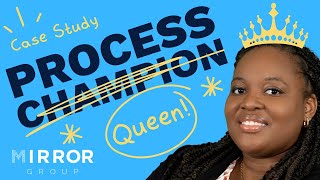
Natalie Joseph, systems champion at Mirror Group, describes adding the role to her research position and rolling out 2-3 SOPs per week over four months. She broke processes into written guides, Asana workflows, and voiceover videos, then embedded them into onboarding so the work stuck.
Questions this video answers
Washington, D.C.
Four months.
About 2–3 SOPs per week.
Asana (dedicated Asana page housing all SOPs).
Almost two years.
Chapters
I thought I was gonna be rah rah support. And I was like, nope, I gotta, we got, I gotta leave these people to the end. Like, all right, y' all need some deadlines, y' all need some task assignments, y' all need some reminders. Like I had to set up the environment to help everybody succeed to the finish line. So I think I wish it like realizing it is a lot of project coordination. It really is.
Hey, it's David from Systemology and today we'll be chatting with the systems champion, Natalie Joseph. She's from Mirror Group. And if you're watching along at home, you would have seen recently I interviewed the owner of that company, Mindolin. I'll put a link near this video so you can check that out. But I'd love to explore a little bit about what a systems champion does and how they build up a systems driven culture in an organization. So maybe just to start, if Natalie, you can just tell us a little bit about what Mirror Group actually does.
Yeah, sure. So I am a senior research and evaluation consultant at Mirror Group. So Miracle is a research and evaluation strategy learning consulting firm based in Washington D.C. but we serve clients all over the U.S. and we partner with learning organizations and philanthropies to help them develop learning strategies as well as conduct evaluations about their programs and help provide recommendations on how to strengthen the programs for sustainability. So you were very, very data driven organization.
Yep. And when you came on to the role as a systems champion, were you record recruited for the systems champion role or was it like an additional role that was added onto your existing work?
It was an additional role added to my current position because as I said, I'm a research evaluation assistant. So like that's kind of like a lower level position within our company. We have assistants, associates and project managers. But I, they reach out to me to see if I would be interested in being this is champion because I am someone that naturally thinks in systems and processes like I was ever since I was onboarded. I've been with the company for almost two years now. Ever since I started, I've been the one like kind of recommending suggestions here and there about like, oh, we should have a process about this and how can we get the ball rolling of this? And they're like, you know what, who we need to make this like run smoother. We need Natalie J. There's two Natalies of my companies, I'm referred to as Natalie J. And they're like, Natalie J. Would be really good as assistant champion to kind of keep Us keep all the cats in the corral of, like, keep us on task and like, make this happen. Because when I came on, there was, like, challenges of like, they identified all the processes they wanted to do, but getting started was a challenge. So I was like, oh, no problem. So who knows what? All right, you know this, I need you to do this. And I, like, set up like automatic reminders and stuff like that and follow throughs to, like, connect with the knowledge makers to ensure that they understood what they were recording, what process they were assigned to and what they need to record and how to record it and then where to store it so that it can be transcribed. So I kind of like set everybody else for success of how to do the task that they're being, being assigned and giving them a time, time frame and turnaround time in which they need to be done by.
Yeah, perfect. I definitely think systems champions, it's ideal to find someone who is that way inclined. Like, they're naturally organized, naturally detail oriented, and are there any other skills or attributes? When you think about yourself as a systems champion, what do you think would make you successful in this role?
I would say it's being detail oriented, but also being flexible and creative. Because what we were trying to do was additional work for the people that I was reaching out to. So I had to creatively think of ways to make things, like right things and set it up so that was easy for them to do it. So I was like, if I had to sit there and we use sauna for task management, sit there and put all the instructions and hyperlink everywhere they need to put everything step by step, I will take the time to set them up for success because I recognize that, like, they're busy and they have things that they need to do in this initial thing. So how can I make their life easier? And I also wrote, like, recorded videos on how to do a voiceover recording because, like, I recognize some people did not have the foreknowledge of talking to themselves of how to, like, record an overview of something and talk it out so that could be transcribed. So, like, really being creative in the ways of engaging with your staff members so that you're able to, like, help them, like, get down the information that needs to get done. So I think, like, being creative and flexible is needed.
Is some of these things, like, were they baked in with you or, like, do these skills come naturally? Like, it sounds like obviously your brain is naturally organized and you were using asana and creating the extra resources that the team members need. You're kind of putting yourself in their shoes and thinking about how can I just make this as easy as possible. Those skills, are they something that you naturally have or you kind of just developed them over time? Even just the comfort level with the software and your sort of understanding of the technical side of things?
I would say a little bit of both. So for the technical side of things, professionally, I came up as a data analyst. So like I use coding for a lot of my analytical work. So. And I'm also a little bit of a tech junkie. So getting acclimated to tech was not never hard for me. But recognizing when people need help is something that I develop over time as I was working in non profit organizations and like when you're working in non profits, you wear a lot of hats. You kind of like learn to help and support people where it's needed. Because it's like we're trying to do such great things with less resources, less staff. So that came about as over time of years of working nonprofit. But I do think like it's something that is needed in order to help support a systems process such as like what we were trying to implement. Because the reality was a lot of the information lives in Mindolin's head and we recognized that we need to get it out. But we also recognize like where are we going to find the time to get it out? And like what was this like the actual step by step plan to like get everything out and have make force people to like make time for it as it's for. And I remember it was like oh yeah, it's important. But like it was, it wasn't as important as soon as I started putting deadlines and like what's the word in asana? So like blocks like you can make it. So like okay, this next tax is blocked because you haven't done this. Once I started dependencies when I started putting a dependency that thing people start feel like oh my gosh, if I don't do this, you're not be able to do the next thing and the next thing and the next thing. Like once you start putting things in place, it really does help move things along much better. For those who are not naturally inclined to work in a systems way or process type of way. So it's like necessary to provide that kind of support.
You're quite fortunate with Mindolin really buying into the process and driving it and spearheading the initiative and saying we need to do this and create the space for you to be able to do it because that's another thing, I think with a lot of business owners, they want the results of a systemized business and having all of the processes in place, but there's not necessarily an understanding of the amount of work that needs to go into getting it done. And this doesn't end like this is just part of the way that you do business. And there's new systems and processes that pop up. So I'm just wondering. Yeah. If you have anything as far as understanding the scope of works or the amount of work that's required for the systems champion to get the win that the business owner needs. Like, how much time were you allocating to this? And you know, over what period of time? Just so someone gets an idea of what size this project is.
Yeah. So for us, we ended up planning everything over like a four month period and we broke up all the systems and processes into smaller chunks. So we had like maybe like four. Since it was four months period, we had four major areas. And every week there was like maybe like two to three processes that needed to be recorded and like put down so they can be transcribed as like written SOPs. So I was responsible for every week making sure that the knowledge, knowledge person took. That actually took the time to record their video. The recorded video went to our operations team who then like actually transcribed it. So I had to follow up on that and then I had to sign the knowledge worker that I was like, all right, me and you are going to review this SOP that's now written down on a document. Is there any additional things that need to be changes? Oh, like maybe we can hyperlink some things so it's easier instead of like having it written here because we already have this in our employee handbook type of thing. All right, now this is going to go back to revisions, one more final review and then it's done. So it'll be about like three, like at the end of every week about three SOPs will be done. So like towards the end of four months we had like a lot of SOPs, but because we were able to get it done, I then took the initiative of like, all right, now let's implement this into onboarding. So now let's start a process of, now that we have all these SOPs, let's revamp our onboarding to make it mandatory that every new employee now has to go over SOPs so they have an understanding of our processes and procedures so that they're not. If they have questions, people are just like, oh, just go ask Mandela. Now we have an SOP here's. The link for the SOP on this. Here's a link for the SOP on that. And like, we got into the habit of like, if you have a question, did you check the SOP for it? There's a sop because we made a. We made a dedicated asana page that literally houses all the SOPs. Like, oh, here's the link to the asana page. Like, check out the SOP on this to see if that answers your question. If it's not fair, then you could go ask somebody else in operations about it.
I love that. Were there any other ways that you've been able to keep it front and center? It sounds like there's two things there that stood out to me. Firstly, having it as part of onboarding. I think that's awesome because then it's programmed into someone from day number one. And then the second thing was to build up this culture and habit of saying, well, did you look in the sop? Well, let's start there first. Before you start asking, I think that's another great thing. Were there any other things you can think of that you've done to really keep systems front and center and make sure that the team thinks about it?
Yes, because we're kind of in that like, scaling phase where like, especially as things are evolving and changing, there's actually like new stuff, a new process that we need to come up with. So it is the conversation that we're having of like trying to develop a process in which we review our previous SOPs and then like have a process to then add a way of identifying new ones that need to be created. So like we now we have, on our last, all meetings we had a conversation of like, what are some processes that you guys are seeing that you think need to sop Someone's like, travel. We don't have a travel SOP because we were in Covid and we didn't. We weren't traveling during COVID so we didn't. We forgot it was something that we did. But once it started, like coming back, we're like, oh yeah, we need a travel society. So we started. Have they submitted this in like a Google Forms type of thing? So we're like collecting that information and then like us on the systems. I mean, I'm partnered with the operations team. So like we're planning on meeting to have that conversation of how to prioritize, which is the next process that we want to work on to then start the process all over again of like identifying who's the knowledge maker record the videos and stuff like that. That's kind of how we bring systems thinking into the culture and keep it going. Is like, re. Like making it a line item in our all team meetings that we have biweekly of. Like, what's an additional process that we think we feel like we should consider having that we don't currently have?
Yeah, yeah, there's some good tips. I definitely think around that idea of getting it as an item in team meetings. Similarly, we try and shine a light on team members that are either following process or creating new process or just basically any of the behavior around systems and processes that we like. We. We try and let the team know about it and keep it front and center and oh, well done. Such and such for doing this because then that kind of really helps to. To set the standard. As you've been doing this in this new role and kind of carving it out for yourself, is there anything that you wish that you had known about the role beforehand or based on everything that you've learned to date, are there any tips that you've got on Might be documenting process, could be working with other team members. It could be anything really. I don't know if there's something that you've just picked up and gone that that's been a changer for us.
I think it would be like knowing how much more project coordination skills was necessary because, like, when it was explained to me, it was just like, oh, you're a systems thinker, so we think you'd be great for this. So I didn't really fully understand what it meant to be champion. They're like, here's the books, the symbology. Get read up on it. And I show up to this meeting and then I realized, sitting there, realizing I was like, oh, so you corral people and ensure that we all stay on task. Like, you need someone to lead the charge and get us to the finish line. So that's like, when I had to, like, I thought I was going to be rah rah support. And I was like, nope, I gotta. We got. I gotta lead these people to the end. Like, all right, y' all need some deadlines. Y' all need some task assignments. Y' all need some reminders, like I to set up the environment to help everybody succeed to the finish line. So I think I wish, like, realizing it is a lot of project coordination. It really is a lot of like, it's supporting. Yes. But also like continually reminding people about the importance of this and like, leading them towards like the finish line of like, oh, My gosh, we're almost there. Like we have two more like SOPs left to create. Like let's review these last two and is this correct stuff like that really like staying on task with people?
Yeah, yeah. I love that in the tail end. I don't know if there's anything that you can speak to for a lot of what we've talked about to the moment I think would be really relevant particularly for business owners if we think in terms of this other systems champions, like this is a, a new industry and a new role really that I'd love to carve out and elevate the importance of a systems champion and the role that they play in small business. Is there anything like what's it like being a systems champion and how have you enjoyed the role itself? Like what are some parts of the task or the role that you really like?
Because I'm an organized person, I've enjoyed the opportunity to be in that dream space of like dreaming up like new processes and operations for future growth for our organization. So I was just like, because we are a small business, so like it gives me opportunities. I was just like, oh, like what are we missing as an organization that could take us forward and like then thinking about what that process can look like and then being able to come back to the operations team and presenting it and strategizing how to implement it into what we currently have. So like that. That's why I say that creativity piece a little bit because the like, it's kind of escape. Like, how do I say this? It's not limitless of what you can do because like, obviously like we're a small business and like things take time and there has to be like a specific step before things be implemented. But it does provide many, many opportunities to think of like what could, could be for the organizations. Like, oh well this is something that we haven't considered. Like how. What do it look like for us to have digital business cards? Because like we're, we're like research evaluation consultants. We're now traveling more but like, because our like positions are very flexible. Like we don't really want like paper business cards that have just one role. Like what about digital business cards? So what is it going to take for everybody to get a digital business card to like go and like present ourselves and represent the organization? Like being able to think about those possibilities and then doing that research and figuring out how to like incorporate that as our everyday practice to then incorporate into onboarding from the get go is has been fun for at least for me because I like the organization operation side of things.
Yeah, I feel the systems Champion role is so awesome because of the far reaching sort of responsibilities and team members that you're going to work with. Like you really get to work throughout the entire organization and you start to learn how different things work and how team members work together and where bits that are working and where bits that aren't working. I think this particular role just gives you amazing visibility. And so, yeah, I appreciate you sharing today, giving us just a little bit of an insight into the role of a systems champion. I'll make sure I'll pop a link through to Mirror Group if people want to find out a little bit more about you guys. But thank you hugely for your time today.
More from David






Remember me? Subscribe To My Channel For More Free Business Systems Content 📈




