Q&A Session: SYSTEMology Critical Client Flow (CCF)
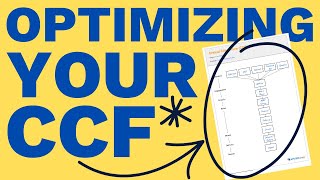
David Jenyns explains how to build a Critical Client Flow that lets your business scale beyond you. Systemize marketing, sales, and admin around your core work, start with one flow, and break tasks into pieces junior staff can handle. A pest-control company walks through their flow from inquiry to inspection to payment.
Questions this video answers
Stage number six.
Seven stages.
August 8, 2023.
Chapters
So if you've got questions, I'd love to take some now if you feel like you're in struggle town or oh, my business is different. I'm an E commerce business. I've got a retail store, I do franchising. I'm in an obscure niche. This exercise didn't work for me because of that type. Some of those questions into the chat. Now, one of the questions we got, which I thought I might address and then we can jump into the chat questions was it was around this idea that the business owner needs to create the system so that he's his or her team can make money without the business owner there or doing any work necessarily to create that revenue. The question is, what about those professional service type businesses where you've got things like lawyers, architects, medical providers, where the business is them and they're built around them. What do you do in those situations? Those professionals who are providing a product or a service that have to be licensed to give a specific training. So the first thing I want to say there is, I mean, this is at the crux of what we're here to do, which is we need to make sure that the business can grow beyond any one particular team member. So to start with, if you're in that situation, the first thing that you can do, if you just can't see a way out of plugging another masseur in or plugging another architect in, the first thing that you do is systemize everything around you. So systemize the marketing, systemize the admin, systemize the sales, the book, the booking process, like systemize everything around the magic that you feel that you're bringing. What ends up happening then is you start to get good and efficient and you'll find you'll end up having more leads and more business because your marketing systems are in place than you can handle. And then the first thing you start to do is start chipping off parts of the work. What is the simplest bit of, you know, if you're a plumber, maybe you stop going out and doing residential calls for old grannies who want to have their lights changed. That might become something that you get an apprentice for. You bring them on board and then you start chiseling off that lower level work and you start focusing on the higher level, you know, commercial type work, you know, that only you can do. Or maybe it's, you know, unblocking drains, or if you're a lawyer, maybe it's wills. You'll sit there and you'll chisel off that piece. So firstly, systemize everything around you. Then start to think about what is the easiest piece that you can hand over and then really focus on that. That might also give you a bit of an idea on what the target product should be in your critical client flow as well. Like if you might. As a lawyer, you might go, you know, creating wills, you know, that's just one product of everything that you do as a lawyer. But that's something that we could systemize. That's something that I could plug a junior lawyer into. And that's part of your way out. All right, so let's. Let's have a little bit of a think now here at some of the questions. I don't know, Simon, if you want to help here, what's the best way? Do you want to read a couple out to me? Or we could elevate some.
Sorry, sure. I've just been taking a couple in the chat. So this one's from Warren. He says maybe a question for later, but if this is the CCF for the very first task that a customer experiences to come on board, do you suggest a CCF for the other processes in the business or just the very first steps?
At some point. And this kind of speaks to what Al had done when he started creating multiple CCFs. At some point, you might start to look at other product lines and doing other critical client flows. But there's probably a hundred other things that you should be doing before you get to that point. Let's focus on one critical client flow first and then we also after that, I mean, if you've read Systemology, when you get to chapter chapter, it's the scale stage, which is stage number six. That's when we start to think about what are the minimum systems in the other departments. That comes before you think about another product line. Because effectively what we're looking for, it's the. I want the minimum viable number of systems required to run your business. So the business needs to be able to make money. And then we might start thinking about HR hiring staff and onboarding. We might think about some more finance systems and management systems. Just so you've got a skeleton of this business that needs to happen before we get to another critical client flow. Awesome.
I imagine that once one is complete the next one, you take the lessons you learned from doing the previous one and make it, hopefully make it a bit easier. No promises.
Yeah, it definitely does. You're right. Because also, like, you'll find once you go to your next one, let's say you do get all the way around the Seven stages of systemology then and we do the next critical client flow. A lot of the lead generation methods are going to be the same. Invoicing is the same. Like you'll start to find lots of the things that you've already done.
Yeah, that makes a lot of sense. Vanessa says, would sending the proposal and follow up process process be the same step?
Look, it's up to you on how you want to break it. Like for me sometimes, like I think I'll go in my head who's going to be doing this? Is it going to be the same person? Can I imagine it getting broken up? So for example, like the preparing of a proposal, like the creation, I could imagine someone doing that. Maybe it's an admin or a junior or someone who could review everything that's been collected, create the draft of the proposal and then it gets the supervisor to overlook at it, perfect it and then send it. So that would make sense to have that little piece broken out. Similarly, then we think about what the follow up is. Sometimes the follow up might be like if it's, if you've got, you know, a detailed sales process and you've got actual steps that you reach out and you're sending something lumpy in the mail and you're doing follow up calls and you've got emails and there's something there, then it might make sense to have a follow up. But if you're an E commerce business that's selling a blue widget and they hit add to cart, there's no real follow up process. You might have an abandoned cart, automatic email that gets sent out, but that's automatic so there's not really a system required. So it's, there's no one exact answer for that one. It kind of depends.
Yep.
Kind of season to taste a bit. Al says, why do we have multiple boxes for sales?
Yes. So the reason we have multiple boxes for sales is depending on the business. Some businesses have a bit of a few steps. Like one thing that you have to keep in mind is this. I remember when I did Bikram yoga. I don't know if anyone's ever done Bikram yoga. It's that really hot yoga that you go to and you stand in this room and you basically sweat it out for two hours. And a lot of the exercises that you do in Bikram yoga, it's all about protecting your knees and they'll tell you to, oh, you know, you have to lean this way because we're strengthening our knees and we're getting that part of your body strong and then you start to wonder why are they so obsessed with protecting your knees in Bikram yoga? And then if you go back and you look at the story of, you know, the Bikram yoga guy and how he got started, he had dodgy knees so he developed all of these exercises to look after his dodgy knees. And that's where this whole idea happens and we just do it just because. So there's some biases that are going to get built into the critical client flow. The critical client flow I wanted to have the space for particularly service based businesses where the sales process might be longer, where you might have a qualification, then you might have a sales call, then you might have a follow up. But it's not always the case. That's why E commerce businesses is different. Your business might be a little bit different Al. You might only need two steps. So just see the critical client flow as a framework to start and understand. There are some of my biases kind of built in there as well. So that's why whenever I talk about any system and what I give you, it's an 80% solution. You have to finalize the final 20% to meet your own situation. I can give you an epic shortcut but you're gonna have to make the final thing. Hey Simon, I'm just thinking we'll take maybe one or two more calls. I would love it if we could hear from someone. Can we get someone to even. I don't know if you've got one of the next questions and maybe we'll get them to chime in and ask the question them.
There's a few. We've got a. Courtney was the next on the. On the list. If Courtney's available and you've got a working microphone.
Yeah. Anyone Courtney. If either you're happy to. If you've got. Because the ideal scenario as well as you've got a video going on, stick your hand up or if there's someone else who's got a question as well that would love to jump in. Let's. Yep. Oh, there we go. There we go. Yep. Courtney's hand is up. There we go. Fantastic. Do you want to tell us a.
Little bit about your question? So should. So we're in E commerce and we. We really rely on reviews from products should reviews on this.
Look, this is a question a little bit around particularly for E commerce businesses. There's quite a lot that might happen in the automation that you might not necessarily need to execute on. For example, you know, you might have marketing automation that once they get in, you've got a series of emails that are getting sent out or maybe once someone actually purchases, you've got a follow up process that requests them to do their Google reviews or product reviews or whatever. And so it's not, it's not something that someone necessarily is going to execute on. So in scenarios like that, and SAS businesses are another one where we see that quite a lot because they heavily focus on automating a lot of the processes, you might want to still capture it just from the point of view that you know. And we'll talk about this later, your business is a school. A school. And you're teaching your team, you know, like you're training your students your team and you want them to understand how the machine works because they have to understand how the machine works. Because if the machine breaks down, they need to know where to go to work on the machine. So you might capture it, but I just wouldn't go if it's automated. Don't go into epic detail. Like you might just kind of like here's how the system's doing it and here's what it's doing. But yeah, you kind of have to find that balance between not over documenting and just documenting for document sake.
Sure.
I love that. It's like a 10 second question and Dave will give a five minute response. So are there any other questions? You might just take one more if anyone else wanted to jump in or we'll jump back into the presentation. Yep, there we go. Penny, do you want to unmute yourself? Good.
Hi David. Hi everyone. Thank you. We have a pest control business and for the majority of our services invoicing is done at the time of service delivery. So just wondering if for those CCFs to move the money step to below delivery because that is the order of the flow for those types of services.
And the question being, is that okay? Yes, 100% yes. Definitely needs to match what goes on in your business. Not everybody takes money up front so that that's perfectly fine. Making adjustments, adding your own salt and pepper to your own taste. So yeah, perfect. One thing I'd love to just before we jump back in, I don't know if there's anyone who feels confident in their critical client flow. Either they've got it open and they can share it or they can kind of talk us through it similar to what Stephen did the other day. And I don't know if there's anyone who thinks that they could do that. I'd love for someone to be able to walk through their critical client flow, you know, in under a few minutes and take some of the learnings that we've talked about and do that. If you want to stick your hand up if you feel like that's. That's you, or type it into the chat. Okay, well, there we go. Penny, let's. Let's jump straight back to you.
The thing is, I don't actually have it open because I've got my hard copy, but you actually had it open a few slides ago.
Oh, okay.
That was the one where you were grouping some. Yep. I'm gonna. So I'd be really happy to have some feedback on that or talk to you about that, if we could, if you don't mind.
Yeah, let's. Let's do that.
Okay.
That one.
Yep. Yep. So we're the one on the right.
Okay. All right. I can't quite move it, but I think we can see the bulk of it now.
It's pretty clear. Yeah. So basically, we can see the target client there, who we're aiming for. And this is for a termite inspection. So these are for people who either have had problems with termites or don't want to have problems with termites. And maybe I need to be specific in my touch client for that. Now, currently, our work comes through either referrals through networking, like chambers of commerce meetings, signage on the vehicles and on the road, and digital media. The inquiry comes to us either through a phone call or from through our web form on our website. And I did separate these out only because they're two. One is the method of receiving the response. The second one was about answering it, but I can see it could make sense to put it together, answer the inquiry. There's a lot of steps in that. So it's its own process, of course, to be able to have the steps of what questions you need to ask, to be able to then come up with a quote and all the other details around that. So then once we have the information we need, we can provide the quote to the client, who will then decide whether or not they want to go ahead with that. Then there is a system to follow up. If they don't go ahead at the time, if they want to go ahead, then we book in the service, and that's in the computer system. Now, the reason why I confirm the booking is separate is that's done two days prior to the job being booked, the job being done, which may or may not be done by the same person. It's just part of the process that we follow, we do confirm the booking. Then the next step would be the technician confirming booking. Make sure the run sheet goes to the technician, carry out the termite inspection and there's some important things that would be covered with that process about filling out the paperwork and providing recommendations to the customer. It's the technician who then invoices the customer and collects the payment on the day. If not, obviously, then as part of the process is how we collect money. The technician also asks for the Google review and separately the office would schedule the service reminder.
Perfect. Look, part of, I mean, I'll just make sure we pop you back on mute. And part of the idea of me doing this is really just to challenge your thinking. You might have strong resolve and come back and go, no, that's the way it needs to be and that's okay. The way for you to test that will be to go to team members and other people and present it just like you did now and then. See, does it make sense? Should we break it up and, and you might come to the conclusion though. No, it's perfect. But the only way that you know that's going to happen is by challenging those assumptions and putting it to the test and getting the feedback. So, I mean, this, this was great for me hearing you go through that. I feel like we could all follow it. None of us. I don't believe there's anyone else in the business who, in the group who has a termite inspection business yet. We all got it. So I don't know. In final, just with regards to that, is there any, any, any insight or anything that you picked up by going through the process so far? I know we're just starting it, but I'd love to know how you found, you know, last session this and even just mapping out the critical client flow, if anything jumped out at you.
Look, the main thing is the simplicity of the form and keeping it high level. So to group things. Right. Just as you pointed out, there's a couple of things that could probably be put together. I'm a very detailed person, so for me I would err on the side of detail, whereas the structure of this makes you keep it high level. And then knowing the process and the procedure is the thing, the way the detail happens, not these steps.
Yep, perfect. There we go. I'm going to jump back to the presentation here. Thank you so much for a little bit of that share. I think that always helps the group when they kind of see others getting it and you get that outside perspective. So the takeaway and it is in the workbook around recording a video of this for your team. So practice it. I said share it to team. Share it to people. Reach out, record a video. Take the lessons from Stephen about making it about your team. Make a video. Keep it under five minutes. I'd love to see some of those popping up in the Facebook group just for us to review and give comment and things like that. But yeah, that was great to see. I think you right there, Penny. I think that would be great. Stephen's already done some, so it'd be easy for some of the rest of the group to start posting for.
More from David






Remember me? Subscribe To My Channel For More Free Business Systems Content 📈




