Elevating the Patient Experience with Ashley Boaz
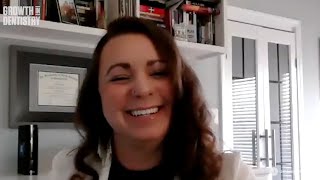
Ashley Boaz, CEO of Mint Conceptions and 20-year dentistry veteran, explains how communication and body language shape patient trust at every touchpoint. She recommends 15-minute doctor exams and 20-25 minutes for new patients, and suggests using gap assessments to find where your process breaks down.
Chapters
Understanding that what worked yesterday may not work today or tomorrow because of how fast things change. The main thing with Growth in Dentistry is being willing to evolve with it because we can let it help us or we can let it thank us.
This is Growth in Dentistry, a Dental Intelligence podcast, where we ask the question, what. What does growth in Dentistry mean to you? I'm Steve Jensen, a data dental nerd and your host. Welcome everyone back to another episode of the Growth in Dentistry podcast. I am super excited for today's episode, as I always am. Now, before I jump in, the marketing team at Dental Intelligence, I have to give them a huge shout out for doing all of the work week after week after week in supporting this podcast. If you guys don't know, getting the recordings all set up and loaded in and ready to rock and roll is a lot of work. And so I'm grateful for that team for sponsoring this podcast and for helping out on the back end. As always, Dental Intelligence has an offer. For those who are listening who have not checked out Dental Intelligence before, they will give you a $50 gift card just for doing a demo. So if you're listening to this, make sure you mention that when you call in and say, hey, I heard from Steve. I can get a $50 gift card for doing a demo. If you. If you've checked out Dental Intelligence in the past, there have been lots of really cool features that have been released in the last year, two years. We're constantly releasing features. So if it's been a little while, definitely worth coming back and checking it out. We're automating all of the forms now. They're writing back medical history, we've got some new scorecards with some new metrics that have been released. You can customize what data points you're looking at now. So there's some, like, there's some cool stuff. Definitely, definitely worth checking out. Okay, now, with that out of the way, I want to introduce our guest today. Today we're going to talk, we're going to dive into the patient's experience. And I like today because we're going to be a little more scientific about it. A lot of times folks kind of have their opinions, they've got their ideas, but I'm bringing on a very well educated with tons of experience, more than she might want to admit, as we all do as we get older. She's not that old experience. I'm bringing on today Ashley Boaz, who is the CEO of Mint Conceptions. Well, so welcome, Ashley.
Thanks for having me.
For sure. I'll also just mention that Ashley also serves as the. The Chief Human Resource Officer as well as the CEO of a dental group. So she has done just so, like, as you're listening, you're like, okay, like, where can I trust her expertise? She has over 20 years of experience now in dental, which, like I said, she hates to admit, but it's true. And she's held pretty much almost every role you can play in a dental practice. Worked as an assistant, helped out at the front office, went and became a dental hygienist, worked as a hygienist, and then transitioned into management roles. And as I mentioned, now she's, you know, a CEO and started a consulting firm. So she's kind of done it all as well as have the education. Has continued to invest in her education as part of the Maxwell Leadership Group, has. Shrm. Shrm. It's a big thing in the HR space. Nothing I'm super familiar with, but when I saw it on her credentials, I was like, yeah, that's important if you're doing hr. So she's got the right credentials. So I'll leave those aside and let's start jumping into a convo. So, Ashley, how are you doing today?
Great. Glad to be here.
Now, the first thing I want to ask is kind of, with that context in mind, that you've done almost every single job you can do in a dental practice today, I want to focus, like I said, more on the patient's experience. And sometimes people forget that a patient, they have so many interactions with the full team throughout their experience as a patient. When they want to make an appointment, they're calling. They talk to the front office. They might jump on your website and have an interaction digitally with you. They're getting presented treatment, they're being discussed finances with, and there's this whole flow. So I first want to kind of ask you, like, what are some of the biggest misconceptions you see in the dental profession about whether these patient interactions are having or good or not? Like, what's what, what are some of, like, the common missteps people might make?
One of the biggest I see is not understanding the value of the different touch points, the communication that happens at each of those. Especially since, you know, everything we know, 2020, right, everything shut down. We got real digital with everything. So we started. This could have been a text or this could have been an email. And in a way, we kind of checked out from our conversations with each other. Yes, we still had zoom, but it was. Oh, it was just another digital medium. But having to be face to face with these patients, it forces you to kind of build a relationship. And people have changed the way they communicate so much that they're not as willing or able or capable. It's out of practice. You don't use it, you lose it. So, and it goes both ways. Patients can often still be on their phone and they're disengaged. So really getting in front of them when they're speaking to them so you guys can have onetoone conversation, make eye contact, mirror, body language, all of those things build trust. And if your patients don't trust you, you are a liability risk for your insurance, unfortunately. But it's throughout the office. It could happen at any point. Any of those conversation points that happen from the first phone call in, when they check in, how were they received? Was it a smile or a frown when they came in the door, when they go in the chair? Obviously that's one of the key moments. Do they trust you as a doctor? But then at checkout, you know, discussing finances, those all need to be pleasant experiences. Finances are a difficult conversation, but you really want to work to build a relationship and understand your patients. So I, I guess my answer to it is devaluing the communication that happens because it's really the most important part of that whole experience for them and whether they're going to be a repeat patient for you.
Now, I, I love that. I, I just barely, as I was listening, I was just latching onto this idea of trust. I don't know that I've ever really thought through, like, hey, I want to think about my interactions with the patients and am I instilling, like, reasons for them to, like, trust us and, and like us, or am I giving them reasons to not trust us? Now, you mentioned one thing, just like being greeted with like a frown or frustration or like, I think, I think it can get really busy in the front office where it's like I'm trying to juggle phone calls and check ins and checkouts, and there's just a lot going on. Sometimes, you know, difficult conversations you might not want to have end up happening there at the front desk. So you're trying to, like, not show that to everyone. So what are there other, what are some of the other moments where you might lose a patient's trust? So there's that, like, initial action you mentioned, like a frown or that kind of interaction. What are, what are some other things people might knowingly, unknowingly do that would, would make a patient check out a little bit? Be like, I don't know.
A lot of it is your body language. Yes. I mean, a frown is body language, obviously, but we do things that we don't even think about in our conversations. In the webinar I've got posted, we go over some of those cues and tips, but sometimes they'll turn away from you and you miss that subtle cue that they've broken eye contact or disengaged. But you do the same thing. So say your staff pops in the door and they leave you a note like, hey, I need you. And if you turn away, if you disengage from the patient, there's lots of little clues we give that we are not focused on them. And that alone can breed mistrust because they're worried. Are you even thinking to me about me? Are you putting my treatment in the computer? Are you thinking about Joe down the hall? So. Or getting interrupted for a phone call? You know, those kind of things. It. They want to feel like they're the focus, so you have to work really hard to be intentional when you go in that room with them.
Yeah, that's so true. I'm, like, imagining. I'm trying to picture my experience sitting in a dental chair. And generally speaking, there's the chair, but then there's a computer screen off to either the left or the right, where, yeah, I could totally see how you want to be engaged face to face. Similar eye level. I think, like, you mentioned where it could be pretty tempting just kind of like, if you're listening on Spotify, you can't see me or on podcasts, but, like, it can be. You can just kind of just sit there and kind of work on the computer and, like, be talking to the patient and, like, not actually, like, looking at them. You know, it's. I'm going to, like, make, like, coordinate things and, you know, shout to the assistant, hey, will you bring this in for me? You know, I'm going to go do this thing, so I can totally see that now. One of the things, I'll kind of shift to this for a second, then we'll come back to this because I think this is important. One of the things you brought. You mentioned this webinar. So there's a really cool webinar training that I really like that Ashley did. There's a reason why she's on here. And we'll post that in the show notes and in there. One of the things you talk about is how it can be helpful to understand Maslow's hierarchy of needs as you think about the patient experience. So first, Ashley, can you kind of tell us like, just remind everyone like, what that, like pyramid the hierarchy of needs, like, is. And then let's talk about like, how we can use that to actually like change the patient experience or how we can use it to, to make sure our patients are comfortable.
So the Maslow's hierarchy kind of progresses up these levels where your needs are met. So you've got your base level. They call it like the physiological, where it's, you know, food, shelter, sleep. So then you go up from that, you've got safety needs. Do you have resources, employment, Are you healthy? Do you feel safe, pretty like your safety net? If you've reached that point, you feel pretty comfortable with things, right? And then it goes up to like love and belonging. Then you build relationships with people, friendships, family, connections in the community. You hop up from that to esteem. Esteem is. It's not just like publicly, you know, respect. It's also self respect, self esteem, your status in a particular situation, recognition. And then above that is self actualization. And that's where you're trying to be the best you can be. So you reach a point where all your needs are met and now you can focus on going above and beyond.
So the idea is, if I understand the needs of my patients, just the physiological needs that they need to have, you know, their resources met. Like, and in this case, I don't know like, what the application is. It's like, don't do dentistry outside, you know, like where there's bears that are going to attack, you know, I don't know on that, on that. First, I'm sure you have some better connections than I'm making, but, you know, the safety one certainly I think is important. You know, as you start there and you work you up. Like, I know people say it all the time that like, people, like people's biggest fears are like public speaking and going to the dentist, you know, like high up there on the list. So people have, you know, fears of, of maybe their safety or whether it's going to be painful or not at the dental office. So talk me through, Ashley, as we think through kind of the hierarchy of needs, talk me through how you could use that to actually transform the patient's experience. Like a practical example.
So you'll most often see when they're undergoing financial hardships, you notice that the physiological, the base needs aren't met. So in those situations, I always recommend you have resources for them. So not every patient is your patient and they don't have to be, but making sure that as like a good person, you put them in contact with people that can help them. You'll often see it with Medicaid or health services that their base needs, you know, food and shelter. They're still on that level. Maybe they've, you know, they've got a home, but maybe their employment situation is, you know, not 100%. So you want to make sure that they have the resources even if you can't help them in your practice, if you encounter one, being able to get them in touch with the right people. I like when you have a network of contacts that you've cultivated. So these could be peers in your industry that can continue that care in a way that they need. You also see it when you get up in those higher levels, they can start focusing on themselves so all of their lower level needs have been met. And this is why cosmetic things are a little bit harder sell. So when we get into ortho and veneers whitening, they're a little bit harder sell if somebody hasn't met all of those bottom level needs because they're not going to spend on the above and beyond because they're still worried about how they're going to feed themselves. Right. So, so you see it come out in a lot of different ways. But if you can take the time to listen to them and understand you do have to pull some context clues, sometimes they'll just outright tell you. But if you take the time to listen to them, you can understand kind of where they're landing on that level and you can frame your conversation appropriately. So some of those higher level needs, like say they, they want braces, maybe it's been impacting them getting a job that their teeth, that issue, whatever it is, they're not able to secure employment in whatever field they're wanting to be in, then that's hitting more of a safety need. So if you can understand kind of what's impacting them and asking those questions, you can frame your conversations more effectively for better acceptance.
Yeah, that's. I just was thinking I have, I have a, a really close friend that I grew up with that had, that had lost a bunch of teeth and did go without employment for several years. And it was actually crazy. So, you know, in his scenario ended up with, with some adult dentures and in his, you know, mid-30s, late-30s. And you know, I kind of, maybe this is like, maybe I'm like wrong for this but like I kind of wondered like, like is it really your teeth? Because he would say like I'm not getting a job. Like, people just won't take me seriously because of my freaking teeth. And. But. But, like, no joke, it's, like, crazy how much of a difference it made as soon as he got the adult dentures and, like, could present with, like, what you would expect, you know, to see when someone opens their mouth and smiles, how much of a difference it made. Got a job pretty quickly, you know. And there's also maybe like, a little bit of, like, your own self feeling, too. Like, you feel more confident presenting in those circumstances as well. For sure. Like, I've noticed that difference in friend. But, yeah, it's. I hadn't really thought about that. Like, thinking more holistically around how do I help my patients at wherever, whatever level they're at, in kind of trying to fulfill their needs and then connecting with that level. And that will. That will bond them to me in my practice. That probably helps with patient retention. Like, I'm an. I'm a numbers guy, as people know. So, like, I'm constantly thinking, like, okay, like, how am I going to, you know, measure this? But it probably does help with patient, you know, retention to make them want to stick around. Probably helps with referrals and reviews. People are like, yeah, like, these people actually care about us as humans and, you know, help connect me with the right folks, you know, to improve my life. So I love that idea a lot.
In the webinar, we kind of get into that as well. There's a few cases in there where you see really doesn't matter what we think. It's what they think. So your friend, like, if he felt like that his teeth were the reason he wasn't getting a job, then you have to understand that as a provider, to be able to help them along, it might not be a concern to them at all. They think that they're not getting a job because they've been blacklisted for whatever reason. And you're like, but have you seen this? You know, they're like, it's not a concern for them. So, yeah, you really have to meet them where they are. You have to have those conversations, which means you have to have enough time in your appointments to have those conversations. And I know we're all, you know, staff shortages across the board. Everybody has it, but really, scheduling time, so you have that capacity to talk with them.
So as you. I'm. I'm going to, like, press on that a little because actually, I'm curious to hear, like, where do you. Do you see? Like, are there. Are There pressures. Where do you see that? Where people might be not giving themselves enough time. So in hygiene, you know, I've seen some pressures there to like increase hygiene volume to improve profitability. That probably also has an effect on doctor exam time maybe. Or if a doctor is trying to like pack their schedule with some additional same day work or, or their own consults, they might not put as much attention into the exams. Where's some like common places where you're like, hey, we might want to like that maybe people are focusing on. You might want to dial back and give themselves a little more time. What are some of the common places? Or maybe give some recommendations like hey, in general, this is how long these appointments should.
Yeah, I feel like I don't want to call people out, you know, but some of the ones that operate more as clinics where they accept all the insurances you, you, because of the amount of write offs you do, you tend to have to see more patients where a fee for service, it's a little bit less of an issue if you got a nice mix, you know, you tend to be able to, to weigh them out against each other. I recommend, you know, on your doctor time, at least a 15 minute exam time. Yes. You're going to have to step out from doing restorative or whatever you're doing and have 15 minutes to speak with that patient. And that can include you doing your cursory exam and talking with them. If it's a new patient, you probably want to have 20, 25 minutes built into solid exam time and being able to have a conversation about their different needs.
One of the calls I'll make too, just so people hear it from data. And I think people know this experientially and that's that generally speaking, new patients have a much higher diagnostic rate. Meaning like the average like normal patient that comes to your practice. Doctors are diagnosing, you know, 25 to 35% of the time they're finding some treatment to talk about, you know, a cavity, a filling. But new patients, generally speaking, are coming into your practice because they have some pain, like there's a problem they're trying to solve. Now obviously there's some people that come because they just recently moved into the area. They're a pretty traditional patient. But when we look at new patient diagnostic rates, they're much higher, you know, typically more like 50 to 65% of the time we're diagnosing and presenting some treatment on the new patients. So it makes sense that like, okay, like, like from a COO's perspective. Like operationally, we probably should just plan on having a little more time just because we know we're going to be talking about more treatment and a lot of times more advanced treatment.
Yeah. Especially with your new patient exams. Plus, it's a time for you to build trust because that first encounter is going to be the one that kind of decides do they keep coming back? So you don't want them to feel like you're rushing in and out of there. And we do typically see that, you know, those new patient exams, those are bigger tickets for you if you're able to get it all accepted and move forward. Part of that is, so I've been doing this a long time, they tend to transition out. Right. They will come and they'll go solid for several years and then insurance changes, life changes, something happens and then they kind of fall off the grid for a little bit. That doesn't mean they don't come back. Some of them will go try somewhere else out. But often you'll have a new patient coming back in that's not necessarily new. They're seeing you again and it's been a few years, so you have this opportunity again. But every time you have those exams, you're speaking with them, you have the opportunity to discuss their concerns, where they're at in life, what they're wanting to accomplish, and really taking time to talk through those with them. You continue to build that trust. The hope is that when they do fall off the wagon for a couple of years, because that happens, that they'll come back to you and want to talk to you again because they felt like you cared the last time they saw you. So I'm really big on building that relationship with them.
Yeah. Now I'm going to, I'm going to like, I'm thinking through this whole relationship experience, we've talked a little bit about kind of a new patient coming in or an existing patient making sure they're greeted in a way that makes them feel safe and is like fulfilling their needs. One of the, one of the big kind of struggle buses in dentistry is, you know, we like having clinical conversations, we like educating. But then when it comes to having financial conversations, that can be a struggle, especially dentists, I think struggle with that. They don't want to like have to necessarily have that financial conversation. So kind of a two part question, Ashley, one, what's your opinion? It's like a hot take, you know, what's your opinion on doctors talking finances versus the, you know, saying I don't want to Touch it all and having team talk, finances and then either way, you know, do you have any advice for how to make sure that conversation is both effective and empathetic?
I guess, yeah. Hot take is I don't feel like Dennis should be having those conversations. You're a specialist in what you do, but that also means your front team. They're more knowledgeable on insurance. Typically they're better with the money conversation because they already have to collect co pays and everything in between. They do your billing afterwards. So they're just more practiced in having those conversations and they're different conversations. So money is something that's very personal for everyone and they tend to get really upset if they're not able to do certain things and they don't want people to know what they can and can't do. So if you're able to at all have those conversations with kind of closed door instead of at the front desk where everybody can hear it, that's great. I like for the doctors I work with, for them to do the conversation about what we need to do, what's best for you that also meets your needs, what you've stated to me during this appointment that you're wanting to accomplish, and then hand it off to the front. This is Jane. She's going to take care of you from here. She knows your dental benefits can help answer those questions for you. If this treatment doesn't work, you know, you guys let me know and we can rework your plan. But she'll take it from here and just leave it at that. Jane is probably well versed in everything having to do with all the money and she can separate herself from the treatment. You are the provider, so you're supposed to be taking care of that patient. And so what I noticed, I've worked in both types where doctors presented, assistants presented, or the front presented. Whenever a clinician has to present, you start downgrading treatment because you get into your emotional state about how that money conversation is going with the patient and all of a sudden you're taking off things and now you're not doing what's best for them. So if you present the best based on your conversation and understanding what the patient wants, they're going to have a better outcome because they'll go talk to the front. Maybe they can sort it out and they can continue on without you having to get in your feelings about how they felt about their money. But if they don't, I always leave it open ended. When you do that handoff to the front staff, let them Know, you know, if this doesn't work, let's have another conversation about maybe changing it up to find something that does work for them. Something is better than nothing. I joke. I say it's not zero, right? They sign up for something if it's one filling, if it's one extraction, it helps build that trust. So every, every little bit of treatment and FaceTime you get with them builds that relationship more. So yeah, hot take don't. They don't need to be doing them.
It is a hot take. There's like, I'm surprised at how polarizing that conversation could be. I think the 2 cents I'll add in here is one of the things that I've learned as dental intelligence has grown. Like, when I joined the company, we all fit in a small little conference room, little office, and now we have hundreds of employees nationwide. You know, we've like over 10x our revenues. And one of the things that happens when you scale is you start to learn the value of role specialization. So when I was really, when we were a little teeny company, it was like everyone did everything, you know, like, and, and everyone had access to everything. It was like if someone comes in with a billing question, Steve, who is not connected with the finance department, could answer billing questions. Because like, we're all just kind of trying to pitch in and make this thing work. But you think through what's a good system that can scale and work well with scale, then you start realizing that role specialization is critical. You want to have people that learn how to do these defined set of tasks well. So it doesn't surprise me that as like an operator, especially an operator over like a dental group, you're like, no, like, I have other things I want to focus on with my clinicians too. Like, I, it could muddy the waters. If we spend too much time teaching clinicians about how to present finances and how to have financial conversations, we might lose traction on other clinical initiatives we have with them for clinical efficiency and how to talk through like their how to diagnose and what they're diagnosing so that it matches kind of our big goals for, you know, our standard of care. So it doesn't surprise me that it's like, hey, like, we can train front office team member to have really skilled, good financial conversations. And they're just doing that consistently, all day, every day. So I, I like the answer. I think just for listeners, if you're listening and you're thinking, no, I'm a hardcore, like, the doc needs to have that conversation, you Might be in a position where maybe your systems aren't set to scale potentially. Does that make sense? Like you might be used to that kind of experience, like I mentioned, where it's like, no, it's all hands on deck, we all do everything. And you might have this like random specialization where different people do unique roles in your practice. But I think, as you think, scaling it makes a ton of sense to me.
Yeah, it does. And that's one of the biggest things I see when we do those gap assessments for offices is they don't have those processes in place. Now I am one for. I don't want to hear, it's not your job, I don't want to hear it. At a certain point, everybody is there to try and take care of each other and make sure things get done. But you do have to have some standard operating system so that you can grow it. Otherwise if Jane leaves, yeah, she was well versed, but now nobody else knows what to do and you hire somebody and they're going to do it their way. So that's one of the biggest gaps I find with practices is just not having those processes in place and really standardized how you want the phone answered. Even, you know, that conversation with patient, what is, what is your brand? So that your patients understand and expect, they know what to expect. They like the routine of it. So creating that consistency for them is really important.
Now I'm going to, I'm going to ask you this question because you brought up the gap assessment. So when you go work with a client, you do a gap assessment. I'm going to ask you, you know, what exactly do you look at when you do a gap assessment? And the reason why I'm going to ask is because for all the listeners, you might think to yourself, okay, like I probably should go look at those things myself or reach out, you know, obviously to you to, to help with that gap assessment. What are, what are the specific things are you looking at or looking for when you do the gap assessment?
The gap assessment covers all the portions of your practice that might impact your profitability. So it could be, you know, your financial awareness, your CRM or follow up systems, basic operating processes for the team, HR processes. What do you have in place for compliance in the office? It really hits everything. The gap assessment's free, you guys. I'll give you the link so you can share that as well. It's really good for giving you that red flag report so you can understand what's going on. And I always tell if somebody's going to Schedule a consult. My next thing is go ahead and fill this out so we can talk through it. But with everybody who fills it out, who they're like, I just don't know what to do. Nine times out of 10, it's a process issue that. That's not in place.
Yeah, I think it's always helpful to have a third party just come and, like, think through your piece of the business or your problems. It's always. It's always enlightening. Even, like, here, within my own role at Dental Intelligence, like, oftentimes I'll think, like, okay, yeah, we're solving this problem really well. And then someone new will join the call and they'll start asking questions. And I'm like, oh, we didn't think about any of that stuff. And that's, like, really critical to do, you know, doing this project really well. So I like the idea of. Of having someone come and do a gap assessment. So if you. If you're sitting there listening and you're like, oh, yeah, that would be sweet, what's the best way for them to get in contact with you and the team?
Ashley, you can go to the website and it'll say discovery assessment in the corner. If you start there, it'll give you an option to schedule. There's a contact form on there, but you can also email infoitconceptions.com and you'll get one of us, and we can help you arrange a consult so we can talk through whatever you've got going on.
Now, I want to ask one more question to, like, wrap up the episode today. I can't believe the time has flown so fast. I just looked up and realized, well, we've been going for a while. I ask every single one of the attendees the same question to end the podcast, and that is, what does growth in dentistry mean to you? So I'd love to hear your answer to that question. Is the namesake of the podcast, what does growth in dentistry mean to you?
To me, it means continuously improving your processes and mindset. So always being focused on growth, personally and professionally, understanding that what worked yesterday might not work today or tomorrow because of how fast things change. The main thing with growth and dentistry is being willing to evolve with it because we can let it help us or we can let it thank us. And looking at some of those practices that are starting to try and retire and transition out, it's very obvious when they get stuck and don't continue to evolve. So that's what I would encourage, is continuous evolution alongside it. Instead of fighting it because it'll be so much easier.
Yeah, I love, I love that. What a perfect answer. Well, Ashley, thank you again for joining. Once again, we'll throw a few links in the show notes, a link to a webinar if you're interested in learning some more there, kind of getting some of Ashley's takes a link to your website. I think we'll go ahead and throw in the show notes just so that it's easy for folks as they listen to get access to that. So, Ashley, once again, thank you for joining us today and thanks to all the listeners for joining. This has been another episode of the Growth in Dentistry podcast. My name is Steve Jensen, your host. Keep growing. We'll talk soon.
More from Sean






Growth Through Patient Retention with Michael Dinsio and Paula Quinn of Next Level Consultants




Creating a Profitable Practice using Fee Negotiations with Kelsey Porter of Beacon PPO Solution