No Cost New Patients with Sara Hansen from PDA
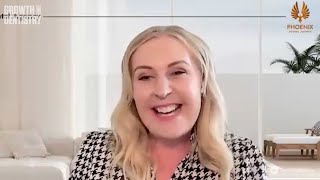
Transcript of a Growth in Dentistry podcast episode (host Steve Jensen) featuring Sarah Hansen of Phoenix Dental Agency (Productive Dentist Academy). The conversation focuses on internal marketing for dental practices — reclaiming unscheduled/treatment-planned patients without paid external ads — emphasizing a data-driven, inside-out approach (the “three Rs”: referrals, reviews, reactivation). Hansen describes segmenting patients via practice data (codes, last visit, treatment value), using targeted email/SMS/video campaigns (via Dental Intelligence/Engagement) and giving an example of $43K production recovered in 30 days.
Chapters
I don't recommend going from hey, we need new patients straight to external marketing until you have built a really great foundation within the low hanging fruit that you already have. So we call it the three Rs which is referrals, reviews and reactivation.
This is Growth in Dentistry, a Dental intelligence podcast where we ask the question, what does growth in dentistry mean to you? I'm Steve Jensen, a data dental nerd and your host. Welcome back everyone to another episode of the Growth in Dentistry podcast. Now I'm super excited for today's conversation. I know I say that every time, but this one I really am. We have not talked about the topic we are going to hit today with a single guest yet on the podcast. So definitely make sure you stay tuned for this one because it's going to be a a fun and very eye openening ride. Now before I jump in and introduce our guest and the topic, a huge shout out to the marketing team at Dental Intelligence for sponsoring this podcast week after week. A lot of work goes into producing this and I'm super grateful for their team for doing all the backend work. I just get to come on here, talk to cool people and then I forget about what happens after that. So huge shout out to them for sponsoring the podcast in that way. As always, the Dental Intelligence team has an offering for listeners to check out Dental Intelligence. So if you've never checked out Dental Intelligence, this is your first time listening, or if it's been a while since you've checked it out, they released some super cool new features. One I'll highlight right now is they released Scorecards and you may have heard me say that before, but Scorecards allows you to take basically any metric you can think of from the practice management software and create your own dashboard with only the metrics that you want to look at that are important to you right now. So you can see them. And if you're a multi location, you can see different locations all in one place as well. Now the real thing I'm going to highlight that's super cool AI is all the buzz. And in Scorecards there's a little robot icon. They get added and a lot of people didn't realize it got added, but the little robot is actually an AI interface. So if you click on it, you can talk to an AI robot. I don't know if we want to call it that, but you can talk to AI and ask it any question you want about your data. So if you're not a super big data person and you don't want to look at that scorecard spreadsheet looking report, you can just say, hey, I want to see a provider report. And you can ask it, hey, last quarter, which providers hit their goals and which ones didn't and it will just tell you. Or hey, last quarter, which providers had the best case acceptance and which ones could I maybe focus on from a training perspective? Boom, it will just tell you. Or if you're a hygienist and you're like, hey, I don't know what any of this stuff means. Can you help me understand what this stuff means? Where I did well and where I might be struggling that a practice owner might be concerned about so that I can work on it on my own? Boom, it will tell you. So it's super cool. The power of AI is real. So definitely, if you have not checked it out, check that out. Okay, that was a long winded intro, but now I want to jump in and introduce Sarah Hanson from Phoenix Dental Agency, which is powered by Productive Dentist Academy. So maybe you've only heard of PDA Productive Dentist Academy, but she has been there for the last six years. She does marketing consulting specifically, but she's been in Dental for 25 plus years. I don't know that she wanted me to say that. She feels like it ages her, but she's. She knows what she's doing. She's been in dental for a long time. She's been in the practice and has just a huge, huge depth of knowledge to share. Couldn't be more excited to have you on. So, Sarah, welcome to the podcast.
Hey. Hey. Good to see you.
Good to see you too. So, Sarah, first, just so people can get to know you, and then we'll talk about. I'll kind of introduce some of the problems we're seeing for folks that are. We're not going to talk about marketing in a traditional sense today. We're going to talk about a gold mine of opportunity that doesn't require you spend a dollar in paid ads or a dollar, you know, like nothing. Nothing that way. We're not talking about SEO. We're not talking about Facebook marketing. Today we're going to talk about how to grow the business in a very organic way. But before we get to that, Sarah, why did you get into dentistry? Like, what drew you in in the first place? And how did you end up doing marketing consulting?
Yeah. You know what's interesting is I had big plans to actually be in the fashion industry and I went on a college tour. I completed one year in fashion merchandising, went on A college tour. I was going to switch colleges and I saw the dental program and for some reason it spread, spark some curiosity in me, and I started looking a little further and decided that, you know, my end goal, I wanted to be a mother and a wife one day. And I thought dentistry would probably align with that. As you all know, dentistry sucks you in. And so I definitely got sucked in and I have not been able to get out, and I don't want to get out now. I love it. It's part of me. But I. I definitely have been drawn to specifically dental market. Everything is marketing. And unfortunately, you know, dentists have the hard job of not only being clinicians, but being business owners and marketers and HR directors. And, you know, there's not a lot of support for dentists within dental marketing. And, you know, really there's so much that we can do to help them. And being in office, myself for so many years, I've been where they are. And so I love to be able to work with the teams and the dentists to be able to provide what they're looking for.
Yeah, I love that. Now, let me, let me tell you guys what. You can sense this excitement from Sarah. She's clearly passionate about what she does. Let me tell you what, what made me say, like, hey, we have to talk about what you're doing here. So in Dental Intelligence, a couple of things I just want to highlight that I have happened to me all the time. So number one, a practice will get connected to dental Intelligence. And I'll show them their active patient number, which just so everyone knows, we define that as patients who have had an appointment completed in the last 18 months. And I'll show them that number. Call it, I don't know, 900 active patients, one DOC, two hygienists. And the doctor will be like, no way. I can go pull a report in Eaglesoft or Dentrix Urban Dental. And I have like 3,000, 4,000 patients marked as active, which is true. He does have that many marked as active. And we find this gap where we realize, oh, wow, the doctor realizes I have had all these patients, 4,000, 3,000 patients flow through my business. But as of today, really only 900 of them are actively coming back. So we expose kind of this opportunity to say, hey, like, where are all of these patients and what can we do to get them to come back? That's one thing we're going to talk about. Another place that I discover kind of a similar, like, gut check that doctors feel were like, ah, crap, I do not like seeing that number is. We'll then isolate and say, okay, of those 900 that are scheduled to come back or those 900 patients who have been seen in the last 18 months, how many of them are scheduled to come back? And an average practice only has about half of their patients scheduled for the future. So then the doctor will see, oh, dang it, I only have 450 patients schedule in the future. And that also makes them feel a little sick because then they start thinking, dang it, I'm have to go spend thousands and thousands of dollars and crank up my new patient marketing efforts. Let me call those guys and tell them, like, you know, they can start spending a couple thousand more a month in ads and, and it's, and it can feel really burdensome. So today I brought Sarah on because she was sharing with me some of the successes they're having with dental practices with a. It's not new, I don't want to say, but it's definitely not one that gets the airtime that traditional marketing gets that I think deserves probably way more airtime than we deserve. So, Sarah, do you want to introduce kind of the concept of how you're thinking about solving these problems? How in the world could I go get a bunch of patients? How could I make my schedule chock full with patients? Yeah, having to spend a crap ton in, you know, paid ads.
Yeah, yeah. So exactly what you just said, Stephen. But there's also one really cool metric that you're forgetting that we like at in dental intel as well, which is what is the treatment value of those inactive or those active but unscheduled patients? Now, everything that we do when it comes to a marketing strategy, we always.
Have data that's, that's probably like millions of dollars.
I don't think millions.
I like, don't do that very often, but it's probably millions. Like one. I went to the dashboard, I'm not going to do it. I went to go pull up a practice and just see like what a one hiking practice is. But it's probably just millions and millions and millions of dollars.
Yes.
With, I will tell you, patients.
Yeah, you know, you're exactly right. The average dental practice sits on at least a half million to a million dollars of unscheduled treatment. It's insane. So. And how we utilize that number when it comes to marketing strategy is one, I am never going to suggest a marketing strategy without the data to back it up. So, for example, when doctors are thinking about how do I grow my practice, how do I make Us successful. How do I fill the chairs? Right. Well, do you have capacity to fill the chair? So we utilize a lot of metrics that we get from dental intel and from engagement to be able to create a strategy. So one, what's your patient value? So for example, if you have a patient value that let's say is $2,000 and you have capacity, you know, to see X amount of patients, but you need to grow a certain amount. If I say to you, you know, if I backstep into it and say, hey, you want to grow half a million dollars this year, your patient value is X, but you only have room to accommodate 20 new patients, that's a problem. So we have to come up with other ways to grow the practice. That's where internal marketing comes in. So maybe you don't have capacity to see new patients or you don't want to create more chaos for your team and the practice, but you are sitting on as we just established potentially $1 million worth of unscheduled treatment. So this isn't new. It's just most doctors and teams think about when it comes to marketing, we think about those external strategies and while those are what we know about them is that there is a cost of acquisition to all of that. And so we have a philosophy at Phoenix Dental Agency of we really market from the inside out. I don't recommend going from hey, we need new patients straight to external marketing until you have built a really great foundation within the low hanging fruit that you already have. So we call it the three Rs which is referrals, reviews and reactivation. Um, when it comes to re engagement we use a ton of tools to get the, the results that we're actually looking for. There is a strategy that's involved. You know, coming from the dental practice, I was the one who picked up the phone and how to make the phone calls. And if there's any team member that's had that job, they know how awful it is. And we also know it's not super effective. So we've actually come up with really great strategies on how to actually make it effective for the doctors and the teams.
Now, now one thing I want to drill in on and I want to make sure because you just like, you'll just like spout this like these bits of knowledge and I like want to pump the brakes and be like people. Did you just hear what she said? So I like the foundation. You said one, you said those three Rs which are, say them again.
Reviews, use referrals, referrals and, and re engagement.
Re engagement. Which that's kind of the one that I think we'll end up focusing on. But I like that you said the foundation refers to. Of reviews and of customer referrals because.
Yep.
Not only will these help you get patients that are unscheduled back into the practice, but, but I'm also thinking it's also so genius because if I do get to the point where I, I'm in a situation where it's like, no, we kind of have worked through our, our patient records base inside of Dentrix Eagles of Women Dental. If I go start spending dollars on getting actual like new patients into the business, if I have that foundation, that system built. Really?
Yes.
Then I will retain more of my new patients. I'll get done with my new patients. So I like the way you're thinking about the problem. Like how do we solve kind of the full marketing umbrella and make sure. Yes. Maximize the outcome. So I just want people to hear that we're going to focus on that. Re engage one.
Yes.
Just hear that the systems that Sarah's talking about will also impact these other areas that you probably might be thinking about in the business.
Yeah, exactly. We don't want to pay for an external marketing strategy to then have the patient come in maybe one, maybe two times and then go right out the door. Right. We call that like the revolving door of patients. That's not effective. To have a really robust, effective marketing strategy ultimately is from the time they see your presence, your brand, who you are, their entire patient journey through the practice to them becoming a loyal lifetime patient, that really is the full marketing strategy. So what we like to create is how do we make a really beautiful cohesive external strategy and internal strategy to create, you know, a life time loyal patient that will continue to refer their friends and family. We don't want to pay for all this external advertising that then they come in one or two times and again that revolving door continues. And you're, you're never building up your patient base because you're losing more patients than you're actually attracting. So.
Okay, now let's also. I'll just say this. People have heard me say this before. I like sometimes to just say that new patients are the worst. They're the least likely. They're the least likely to schedule the next appointment. They're the least likely. Yes. To treatment. Statistically, like all the things that doctors really like, love and want from patients. The new patient, they're the most likely to cancel or no show. Now we need Them, and so many of them really are great. And some of the things I said can probably be bridged with better systems for sure. But existing patients, people who have visited us especially more than once, like they've gotten to the point where we've diagnosed treatment. So this whole group that you're talking about, Sarah, we've diagnosed them, we've had enough of an interaction to do that. If we can get them back in, they're the more likely ones to actually say yes to that treatment. So can you talk? Yeah, so let's. I don't know if you want to like go a story route, but can you kind of talk through when you start working with the practice, how do you think about solving this reactivation problem? They've got all these patients, they're unscheduled, we want to get them back on the books. My team's busy, you know, so like, yeah, do I need to go like carve out time to have them call everyone? Like, yeah. How do you think about this? Of re engagement?
Yeah, so you're exactly right. What you were saying is those patients that have already been to our practice, they're already more loyal and more trusting of what we're doing because we have a relationship established with them already. But what we know is that for some reason there was something in the patient journey that didn't connect with them. They didn't say yes. Right. So within that patient journey, we're now trying to reconnect with them. So what we do is first we're going to step back just a little bit. Every client that we work with, we want to know what their goals are, what their passion is and really what kind of dentistry they want to practice. Once we understand that, that gives us a really good idea of how we're going to customize language to that practice. So for example, if we have a practice that is really big about cosmetic dentist, you know, when the practices that I work with, she loves to change smiles. Her target demographic is middle aged women. You know, so a lot of times with her, she had a lot of treatment that previously they didn't have a lot of financial solutions within their office. Since that time, she is working with third party vendors to offer financial solutions. So a lot of the customized messaging that we created for her is, hey, you may thought that it wasn't an option for you, right? But guess what, we have financial options to work within your budget. You know, we understand what it's like to, you know, not have money just lying around, but we understand that this is an Important investment. So first it's about who. Who we want to attract. Once we know that, then we come up with a strategy. So if our strategy is to really get back into the practice, you know, specific services, then we target those. If there's a doctor that really wants to hit a lot of implants for the year, he has goals to do certain. Right. Then we will hit every single patient that's had consultations for missing teeth, maybe we've extracted teeth, you know, anything like that. And what's great is you can customize the dental codes, you can reach out to those patients through customized messaging, all that sort of stuff. And then we know that phone calls don't really work. Right. Like, I don't know about you, but if there's ever a number, I don't answer it.
If, I don't know, unknown goes to voicemail. If they don't leave me a voicemail.
Yeah. Then it's like, sorry, it's not that important. Yeah. So, but what we do is we then customize text messages and emails along with a series of videos, you know, that the doctor can create. And that has been incredibly powerful because again, it's all customized. It's not your typical, hey, you're past you for treatment, give us a call. Right? But we tell a story. And that is really the most powerful part of the marketing is what story are we telling that aligns with the practices core values and mission? Right. How do they show up for patients? And when you can tie that custom messaging into what the patients are looking for, you're talking about the solutions that you have for them. Hey, we're always here for you. You know, don't. Don't let treatment, you know, pass or time passes you by. Don't let your treatment wait. That's powerful messaging. And what's crazy is you make it easy for a patient. So have click linking, you know, where they can just click a button and schedule an appointment, or they can text back and schedule an appointment. The success of these campaigns have been absolutely amazing for these practices.
Yes. Do you mind actually, like, I don't know if you have, like, any stories. I like, I, like, want to hear as I'm listening, I just think, yeah, you know, and I also want people to hear, too. If you were sitting there thinking, wait, like, how do I go find all of my patients who are unscheduled that I've diagnosed crowns on or that, you know, diagnosed codes on, or have built out a console code? It could even be a custom code. As long as there a Code that, you know what it is that you.
Yeah.
Put on treatment plans in the past. That is. Yeah, I. I'll just call it out for people that don't know she's using dental intelligence to go do that. You're gonna.
Yeah, yeah.
To try to get, you know, these data points out of just the privacy management software.
Yeah.
Out of. To patient finder.
Yeah, we are. So what we kind of found, you know, you. You learn stuff. Right. And so what we found is that for years we've been talking about the importance of internal marketing. But again, me coming from the dental industry, I know how crazy and chaotic the office is. I know that the team members are like, Sarah, don't give us another thing to do. And so while I'm in their office telling them, like, hey, you guys, this is important. We need to focus on this, I also am very aware that that is the last thing that. Right. Because at the end of the day, they're just making the practice function every day and taking care of the patients that are right in front of them, and they should. So what we did at Phoenix is something that really no one else is doing, which is because we love dental intelligence and engagement. What we actually do is we get logins to their engagement. And what we found is that us going in and actually creating filters, which has, like, been a game changer within their email campaigns. So we can filter codes and providers, inactive patients, the timeline, we can do, you know, the cost of treatment. So let's say we want to focus on bigger patient treatment plans. So we create the total. Yeah.
Ones that, like, hey, I wasn't, like, didn't offer financing. I know I wasn't doing that.
Yes.
One of those good. Like, hey, like, yes. People know payment options might be a good.
Yeah, yeah, yeah, exactly. So we can focus all of that. Then we create the custom messaging. Everything is branded to that practice. Again, the custom language that's in there, and then we send it out. But then the greatest part about it, because again, I want to show our clients, like, hey, we're going to do this thing for you and here's the value. Right. I want them to be able to see. Yeah, exactly. Here's the results. Here's the value for what we're doing. So, for example, one of the offices, their name is Clarksburg. And the first month. So the first 30 days we got a login to their engagement meant the first 30 days, $43,000 was put back in their practice of production in with one text and one email. $43,000 and it cost them, like, nothing. Right? So, again, those numbers are crazy. But what's great is now the om's calling us. And she's like, this is awesome, because she's not making the phone calls. Right. That's wasting two hours of her time. And so what's awesome is it's like we work hand in hand with the pract. You know, they give us parameters, we set up a strategy quarter by quarter, you know, based on what their goals are. We send out the messaging. They see everything that's coming through. We then track it all, send them the results so they see it and then celebrations around. And so it's really awesome because, again, these doctors now are not spending thousands and thousands of dollars on external marketing. You know, they are investing within their own practice and growing the practice the way that they want it and reinvesting back in their current pat. And so for them, with their marketing strategy, it's exactly what they wanted. Now, there are doctors that want to do, you know, streaming commercials and different things, and there's a place for that. But I would say every single doctor should have a very robust internal marketing strategy, period. Like, there is no reason why every doctor should not have this.
Yeah, it just seems like. Seems to me like it's just like a. That. That, like, advance. Well, actually, it's not even advanced. This should be, like, the basic way we think about serving our patients and making.
Yeah.
Following care all the way through.
Yes.
It's so interesting.
Yes.
I love the way you're talking. I want people to hear this because what I don't want you to take out of this is. Okay, I'm just going to go, like, spray and pray to a list of, like, 2,000 patients we haven't seen in a long time. I was listening to podcast nerds. I was listening to just kind of this, like, general sales marketing software podcast called Saster. But I was in the podcast this morning with the CEO of HubSpot, which does, like, CRM and marketing stuff, and she was talking about how, like, the days of, like, spray and pray marketing are dying. Like, people are in order to. Because there's so much white noise. In order for your message to get people's attention today, it has to be increasingly personalized. Where.
Yes.
To, like, anticipate, like, okay, like, why. Why did this customer or potential customer want to engage with me in the past and try to come up with, like, clear reasons why I want to reach out to them and what I'm going to say to get their attention? So, like. Like, Sarah said what, what we're not doing here is sending out messages that just say, hey, like you, we died. Yeah, some like unspoken treatment in you in the past and it's not done. Come on back. You know, like talking about doing Sarah, which I think is so brilliant and needed is for this system to be successful, is that conversation you're having with the doctor and team to say, okay, where, where do we want to focus? And then you're actually going through the patient database to say, okay, like, like, yeah, that one dentist example you gave was like, hey, like let's go find all of that target audience, middle aged women that have undiagnosed treatment and maybe even specific types of under of uncompleted treatment where we know like we're coming in for these reasons. And then we're going to tailor messaging that's going to resonate with them and that's going to be different than messaging to maybe moms or dads or you know, guardians with children who are scheduled for hygiene. Like that might be a little more generic in that case. But anyway, I just want people to hear that what Sarah and the team are doing is like, anyway, it's just so good. Like, I think it's right on par with the messaging that needs to exist today in order to be successful.
Yeah, well, and what's cool is again, it's like, you know, you may have maybe you're getting ready to hire a new hygienist and you're trying to beef up your hygiene schedule so we can focus hard on, you know, past due continuing care visits, you know, or maybe your hygiene is so overflowing and the doctors schedules are slower. So hey, we can beef up treatment, right? So again, what's so great is you really can focus wherever you need to focus based on the needs of the practice, but it really is about, you know, us coming in and owning that piece for the team has been life changing for these teams because now they're getting the growth and the results that they need without the team having to do a lot. Now granted the team still needs to ask for the internal referrals and the reviews, but we're taking a piece off of them that still it helps them. Like now we're their true partners in all of this. You know, we're putting a software into their practice that they can see the results, they can use the communication. It's making it easy for the patient, easy for us to communicate, easy for them. And now it's just like this perfect combination of success for these campaigns. That I think has been a missing piece. And it, like, it's. It really is changing dental practices across the country. It's been incredible.
Now I'm going to ask maybe a more like, granular, detailed question. So, you know, I, I think I've got this concept where we're. We are filtering patients and segmenting, creating like, customized kind of almost like tracks of messaging to get unscheduled patients back. You're setting up those campaigns, you're sending them out, and then you can see the success of those campaigns. Like, okay, our patients opening it, which patients have opened it, which haven't. And you can send additional messages if you want. Can you through? So let's say we got their attention. Where are we scheduling them into the actual schedule? So where are you seeing success? Like, are we trying to get these unscheduled patients, like, back to see a hygienist and then we're doing kind of another exam to revisit the treatment there? Are we getting them straight into, like a doctor chair for like a consult or like a comp exam? Like, tell me, does that make sense? Like, can you do some nitty gritty, a little bit of like, okay, like, what's our target call to action and what kind of an appointment are we getting for?
Yeah, so it just depends on the practice. So, for example, we have practices that literally the treatment is put back in the doctor schedule. And what we do is that we cross reference everything with their practice software, dental intelligence and analytics and engagement. So what's great is on our spreadsheets that we share with the clients, you can actually see the potential treatment and the date that they scheduled and the patient. So the teams are prepared for the patients that are coming back in, when they're coming back in. And then we're monitoring all of that as well. So it just depends. Sometimes it is just a hygiene visit, other times it's a consultation or it's actual treatment that's already been treatment planned. They just didn't schedule. So it really is a combination of all of them, depending on what the practice is looking for and what our strategy is.
Yeah, that makes a ton of sense. I'm thinking, like, maybe I'm diving in deeper than I need to. I'm just thinking, like, strategically. Okay. Like, for the patients that are. It's been like over 12 months since I diagnosed.
Yes.
We haven't seen them.
Yes.
I probably don't want to just show up on my clinical schedule.
Nope.
Because it could have gotten worse.
Yep, yep, exactly. Yep, exactly. So again, that's where those filters come in. Right. Of how long has it been since they've been seen? You know, when was their last visit? What was their last visit? So again, those filters have been really critical to what we do to be able to kind of weed out what that looks like. But it's also been super helpful because as we send out even, you know, email drip campaigns, Right. So for promotional purposes for the practice, we do the same thing. We can target by, you know, the codes that they've been in for past due treatment, all that kind of stuff. So it's been really cool to be able to use the different features of the filter system for those patients.
Yeah. And I think this is great. Part of the reason why I'm pressing on is because I was sitting there thinking like, oh, this is so simple. Like if I had a practice, like, no offense, Sarah, it's like, maybe I'll just try to hack this on my own. But then I started to realize, like, no, like if the team doesn't think through some of these nuances of like, hey, where does the patient actually land on my schedule? Then I can start creating some problems for myself. So having someone like you who like, has done it, who like would call someone out, it's like, oh, no, no, let's not send a direct to doctor message for that, like really old treatment. Let's focus on maybe a hygiene call to action because they're also due for hygiene. But Taylor, message to what we know they were coming to us for in the first place. Like, I think that's so helpful to have someone like you that can help kind of sequence out these tracks to make sure that we're as successful as we can be with our messaging and so that our schedule stays like as impactful as possible.
Well, so I'll post a question to you, Steven. If I could say to you, hey, Steven, if I could get you like a 20 to 1 ROI on a campaign and you don't have to do much, Right. Or I could teach you and you could do it yourself, but you're gonna have to do all the work yourself.
Yeah.
What would you choose?
Does do it.
Right. Right. See, so that's the thing is it's like, yes. Can teams do it? Absolutely. And we do help teams do it every day. But then there's also a part that's like, hey, we get it. We are so busy. Yeah. And so that's where it's like, yeah. And that's where we really discovered that while we know this has been important again, this isn't new. Like, this isn't like, oh wow, you know, this is something new. We've been talking about this in Dent for 25 years. Right. But what we discovered is when we can actually take this over for the team, this part of it, and own it through different platforms. Because up until now there really has not been a platform that could actually do this for us. Right. So when we discovered that with engagement we can actually send it and track it, that was our biggest thing is being able to track the results. You know, now it's like, oh wow, like we have something here that they've been asking for, you know, and that, hey, like we can now do this for you, take it off your plate. Yes. We still need your involvement for specific things, but like let us do the heavy lifting. We just get to share the results with you and then you get to see the growth of the practice and not have to do much, you know, and that's, that's where we love coming in to help support teams that way.
Yeah, I love that. I think, I think I'm assuming based off of just my experience, I've talked with, you know, thousands of dentists, probably hundreds of pediatric dentists and some specialists. And it seems like pediatric offices, surprisingly like, I feel like those ones have a pretty good grasp on internal marketing. But general practices, you know, there's probably some, I don't know, maybe five, 10, I think would be like generous of them, maybe have like an okay grasp on internal marketing. But I would say most of them, they just don't really think about it. Like they're just so busy.
Yeah.
Trying to just keep the schedule full and to keep, you know, like payments coming in and treatment being pushed through that like it's just so easy to miss a lot of the brilliance of these internal marketing efforts. So Sarah, yeah, we're already like almost at the end of this. This has been so interesting. I guarantee that people, I'm sure your wills attorney think like, okay, like how, how can I start doing this? Yeah, Sarah, I'm gonna ask you this now and then ask you the, the last question for the, for the podcast. But, but for folks that want to touch with you guys, what's the easiest way? Is it Phoenix Dental Agency.com?
Yeah, website. Yep, yep, yep. Phoenix Dental Agency.com. you can even email me Sarah S A R A. No H, just Sarah S A R A at, @phoenix dental agency.com and yeah, you can find us online. I'm on all the, all the platforms. Of course. I'm a Market know our sister company, Productive Dentist Academy. You know, we're attached to them as well. So, yeah, I, I'd love to have this conversation with anybody. So, again, I am passionate about helping doctors and teams and I'd love to just, you know, meet with anybody, so.
Well, thank you. And then I always ask the same question and I'll put those in the show notes. So the website, Sarah's email. I always ask the same last question to every guest. Best Sarah. And that is what does growth in dentistry mean to you? I'd love to hear your answer to that.
Growth in dentistry to me means the doctor is showing up to work and the team filling joy in what they do, transforming the lives of patients and getting something back for that. Like, I, I feel like at dentistry as a whole is so undervalued. We take our health so seriously and for some reason in dentist we don't. And I'm like, no, dental is just as important. And so what we do in dentistry truly transform lives. And I am, I'm so, I'm such an advocate for that. And so I see that growth in dentistry as the patient seeing that the doctors and the teams acknowledging how powerful that is and all of them just feeling joy doing what they are good at and what brings them joy in Life.
Yeah, I 100% agree with that. Both, like on the dentists can take away, arguably one of the biggest pains I saw. I saw a funny man the other day was making a video. He's a dentist. And he was like, yeah, he's like, I've, you know, like, he's like, women will say like, oh man. Like, like having a baby is like the most painful thing ever. And. And he's like, but he's like, there are so many things like stubbing your toe or paper cuts and people will like, you know, talk about those being the worst pain. And he's like, but yeah, when you go look at the actual studies, you know, people say like their biggest fear, dentists. So clearly, you know, like, yeah, don't like dental pain. And he said he just made the comment that he's even had mothers that will say like, honestly, I'd rather have a baby before having this in my mouth again. Like, it hurts so bad. So, yeah, pain is huge. But then also, you know, personally, I've had my life changed just by getting some adult orthodontia, a little bit of whitening.
Yes.
Like getting that confidence and smile and just feeling great, like is just, just so cool.
Yeah. So, yeah, it really is like dentists every day take patients from low self esteem and all these things to like truly like changing their lives. And I just don't think it's talked about enough. And so that's what I do, right? That's my job. I get to tell those stories through marketing and I love it. So I'm a lucky, lucky girl.
You get to help them bring those patients that need the help back. So that's like that.
Yeah, exactly.
It has been a gift to have you on. You're incredible.
Yeah, thank you.
So helpful for the industry. So folks, definitely reach out. Connect with her and the team at Phoenix Dental Agency. Powered by Productive Dentist Academy Dental Intelligence. We've been partnered with them for a very long time, basically since of di if you didn't know that as a listener. So we have a lot of confidence in them. Incredible folks over there. So Sarah, once again it's been great to have you listeners. Thank you.
Yeah. Thank you for sure listeners.
Thanks for joining.
Thanks everyone.
Another episode of the Growth and Dentistry podcast. My name is Steve Jensen, your host. Talk soon and keep growing.
More from Sean






Growth Through Patient Retention with Michael Dinsio and Paula Quinn of Next Level Consultants




Creating a Profitable Practice using Fee Negotiations with Kelsey Porter of Beacon PPO Solution