Practice Deep Dive: Dr. Simone Ellis
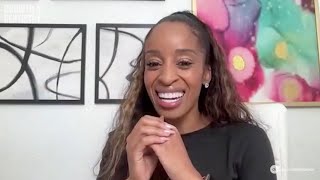
Dr. Simone Ellis got into dentistry after a childhood dental experience, then struggled as a practice owner until she adopted radical responsibility as a mindset shift. She now coaches dentists on productivity tracking, KPIs, and standards, viewing growth as choosing the right soil: mindset, inputs, tribe, and self-care.
Chapters
Doctors, if you are going to hold your team to a certain standard, be the example of that standard.
This is Growth in Dentistry, a dental intelligence podcast where we ask the question, what does growth in dentistry mean to you? I'm Steve Jensen, a data dental nerd and your host. Welcome back, everyone, for another episode of the Growth in Dentistry podcasts. Super excited for the conversation today. As you guys know, if you've been around for a while, my favorite episodes are what I call the Practice Deep Dive episodes. It's when we get a chance to jump on with fellow dentists and just talk through their career and how they got to the point they are today. And today's episode is bound to be a really fun one. I'll intro the guest here in just a second. Now, before I jump in, as always, a huge shout out to the Dental Intelligence marketing team for for sponsoring this podcast. There's a lot of work that goes into producing this week after week after week. So I'm so thankful for their support for the listeners. They have a special offer, so if you take a demo of Dental Intelligence, they will give you a $50 gift card to Amazon just for checking it out. So if you've looked at Dental intel before and it's been a while, definitely go check it out. They've got some cool new customizable scorecards they released so you can organize the data how you want it. If you don't care about that stuff and you care more about helping your team become more efficient, they've got some really cool automation set up. So automating all of your forms that are going out, those right back into the practice management software. All of your consents can go out automatically. They've got some really cool things with automation you should definitely go and check out. Okay. With that being said, I want to introduce Dr. Simone Ellis. She is an incredible human being. She is high energy, which you'll experience here in just a second and, and just brings a light into the world that's so fun. Not only that, she's also an exceptional business person. So she has 15 years running a really successful cosmetic dental practice. She, in fact, I'll let her share more about this, but she, I think was only associate for a year before you jumped into ownership. Is that right?
So crazy. Yes. Wow.
She is not the type of swimmer that starts in the shallow one where she can touch. She just jumps in. So she's gonna go figure it out, which is really fun. So I'm excited to hear more about her story. A couple other things about her she does coaching and speaking, so if you've not seen her out and about at shows, you will definitely be seeing her more and more often. And then she runs a podcast too, so for all the listeners of this channel, definitely go check out her podcast after this episode. It is called the beyond the chair podcast with Dr. Simonel. So definitely go check that out. Well, with that being said, Dr. Simone, welcome.
Thank you so much for having me. I'm super excited for this conversation. More importantly, as a podcast host to another podcast host, I know the amount of work that goes into it. So thank you for creating content to put out there for us to listen and enjoy as well. I appreciate that.
Yeah, for sure. Okay, I want to first dive into your story, so I think that's always interesting for folks to hear.
And.
And so why don't we just start with, like, why in the heck did you even get into dentistry? Was it for the money? Was it because you thought teeth were cool? You've got a great smile, so.
Well, thank you. And definitely all those above. No, I'm just kidding. The reason why I got into dentistry is such a funny story. My dad was one of those dads that you remember when you would tie a shoestring up to a tooth and then slam it against the door. That was how I lost my first tooth. And I was like, this is mortifying. I'll never forget. My father was, I guess, getting a tooth pulled. And I happened to be home from school at second grade. I was seven years old, and I got a chance to go watch my father get his tooth. And I was like, not only is this payback, but I am in. Like, I'm excited about what's happening here. And my mom is an educator. She was actually my high school principal. And I came home and I was like, mom, I found it. I know what I want to be. I want to be a dentist. And that was it. So from 7, I knew that I wanted to be a dentist. What was crazier, though, was I found out why my dad was losing teeth at such a young age. Because at that time, he was my age, right? I was like, why is he getting teeth pulled? My dad grew up in a very poor area in Omaha, Nebraska, so access to care was problematic. And I just said, oh, wow. If he had known how to take care of his teeth, that means that he would have saved his teeth. Oh, now I'm really in. So I just took it on as a mission to say, okay, I can help people smile better. What quality or generations of life will Be different. And, like, my life motto is, like, I want to make people smile mentally, physically, and emotionally. And so that was just the physical element of doing so. That's how I got into dentistry.
No, I just. I love what you just barely said. So physically, mentally, and emotionally.
Yeah, so the coaching part into, like, the mental and emotional side, because systems. But physically, I'm like, I hope to, you know, bring and enhance people's lives. And the way that I feel like the universe or God had me do it was through smiles. So that's what I've been trying to do.
That's such a good reminder. I think sometimes people can forget the impact they're having. Now, that makes sense why you, like, leaned into the cosmetic side, because that definitely has a big impact. Even just myself. I had braces as a kid. Classic story. Tale as old as time. Broke my permanent retainer, didn't tell my parents. Years and years started to be looking.
Like gay signs, right?
Start to get crooked again. And, you know, I get married. And then a couple years after I married her, I'm like, you know what? Like, screw this. I want to have a smile. I'm stoked on. I would do this weird, like, crooked smile thing, you know, where it's like, I would lift kind of the left side of my mouth where they would try to hide the right side. And it was just silly, and I really didn't think much of it. But then once I got the work done, you know, I had my teeth. Got them all straightened up.
They're beautiful.
And then. Thank you. And then whiten them up. And then all of a sudden, my life changed. So I love that perspective. So the outward appearance, like, the smile. Physically, mentally, emotionally. Tell me then. Okay, so you go to dental school.
I go to dental school.
You jump out, and you're an associate for a year. Why in the heck did you jump into. Was it a scratch? Practice? Was it a. It was. Okay, tell me. Tell us about that. Like, what led you into that?
So that's, like, crazy, too, right? So I knew in dental school, like, I was gonna retire early, which was crazy. I remember in hist class telling my class, and I'm like, you know how many countries there is in the world? And she was like, how many? I was like, it's like, 195. I'm never gonna get to all these countries if I'm, like, working all day. So I knew in my head that, like, dentistry was a stop. But I also used to think, like, man, life's too short to just have One profession. So I knew that I needed to open probably soon. I just didn't know what that was going to look like. So by the time I graduated dental school and I went to umdnj, which is now Rutgers in Newark, I was like, all right, I'm gonna do. I'm gonna open my practice in a year. And I remember saying that. So, Stephen, what I did was I worked six days a week at four different locations. I wanted to get an experience of all different types of practices. And in hindsight I'm like, that is crazy. Like, I don't know. I don't know any doctors that are doing it to that, like, intensity. But I was at a corporate office, I was at a private practice, I was at a multi specialty practice. I really wanted to get all of the different aspects of what I assumed business was. Let me tell you though, when I came out and opened my office, I promise you that I had no idea what I was doing. And by year three, I was like, yeah, I'm about to sell.
Like, this is really that early on, I mean, I guess feels like forever when you're just figuring out.
I was crazy. I was like, I am so stressed out. I have no idea, like, what the hell is going on. Like, this is not for me. This is not why I signed up for this. I mean, it was just like drama and the care.
If I like drill into that a little bit, what are some of those things that were like keeping you up at night? Because I'm sure dentists that are listening, you're like, oh, yeah, yeah.
I mean, you just really don't know what you don't know. Right. So like, let's talk about how the gap is from being a dentist to being an entrepreneur, which is very different. A lot of times in dentistry we don't think about all the things that go into entrepreneurship, but more importantly, all the skills that we are weak on. Just naturally we assume that because we have this title of being a dentist, we're all of these things. I did not. I was what kind of leader? Not. Wasn't a good one. Communication style. Like what Terrible. People's learning modalities. How to teach people how to like, you know, create systems. Terrible case acceptance. What. And so we are a lot of times as dentists just being successful based off of just raw talent.
Yeah.
I realized was that there were so many things that I was inadequate on. And on top of that, because I came a year out of school and was opening my business at the same time, I not only had to Learn business at a rapid rate. But I also had to learn dentistry at a rapid rate. Right. And so that's a thing. And then God forbid that you have your own personal life going on, I mean, because we are humans outside of being this cap of a dentist and this cap of an entrepreneur. So, yeah, that first three years was hell for me. It was crazy.
Can I ask, like, if you remember, like, hours, how much were you working every single week between the clinical and the business stuff?
What? Maybe ask a better question of how many hours I was sleeping, because I probably that better. It was terrible. I was having night terrors. My body was breaking out into hives. And I say this about doctors a lot, that we are so conditioned to work in trauma. Right? We are so conditioned to just be resilient, be resourceful. And so when the body is screaming at us saying, like, like, stop, this is too much, we just power through. And even in dental school, if you think about it, we had nor', easters, which are just basically fancy words for blizzards in Jersey. And they would be like, we expect you to be here. And I'm like, like, how? And they're like, we don't care. Get here. And so you're just used to really being on fire. Yeah. Shout out to the emoji. We were just used to really being on fire. And so unfortunately, as an entrepreneur and with that mindset, you're just kind of going through that.
So let's talk through then. I think an interesting next place is maybe hearing some more about breakthroughs. Because if you at three years wanted to quit and just like, throw in the towel, sell it, like, okay, I'll go be an associate.
Yeah.
That also would have meant that you would throw in the towel on this dream you had in dental school of retiring early too. Like, that was one of the goals. And maybe, maybe you could, you might be able to, like, hack it between some, like, risky investments as an associate. But probably. Probably not. Probably not going to work.
Nah.
A career which is okay. Like, some people, like, totally want that and that's okay. But that is not the path that you want to pursue. And a lot of dentists want to pursue. So is it cool? Do you mind talking about some. Some breakthroughs? Like what? Tell us about that transitionary time. Because I think even most professionals, like, I'm sitting here a non dentist, but on the business side, and man, I've had times in my career where it's like, I would go home and just cry. Where it's like, what am. What are we doing, you know, why are we here?
Right.
Like, I'm traveling a ton, I'm working so much, you know, and then there are times when you make breakthroughs and you're like, oh, okay, like, this is what we're doing and it can be really exciting. So I would love to hear about kind of your breakthrough years and what got you through.
Yeah. So year three, I really was about to sell. So I was married at the time, and I was just like, I'm over this. My. My husband and I want to also throw this out here too. As a woman in dentistry, it's very interesting. And I know that your women listeners will probably connect to this. Men have a great opportunity a lot of times to really be in their quote unquote, masculine energy, so to speak, at their job as well as when they go home, because that's their role. But as a woman, especially an entrepreneurial woman, we have to kind of have very dominant. You know, it's more of like trying to get things done, you know, but it's sometimes very hard to transition that from a 20 minute car ride to home to now all of a sudden being this, the soft woman. I struggled with that deeply. Like, I was just like, how do you want me to switch this? So my husband at the time was like, yeah, we. We also need this to, like, stop as well. So I decide that I'm going to go sell. And the breakthrough was with the broker. Actually, my practice was successful. I didn't understand business. I didn't understand metrics. I knew that we were doing something, but in reference to what, in range to what, I had no clue. Yeah. And this man told me something so great that it stuck with me forever. The company that I was going to sell it to was actually still my friend. I actually am one of his consultants now where I help him, which is full circle, home moment.
Right.
But I remember him telling me, simone, I need you to suck it up and learn your business. And for me, that was a huge breakthrough for myself because I realized that he was right. I was coming up with all of these reasons why I could not be successful, what my mentality was. I mean, it was just literally so many different things. I was becoming my worst enemy. And what I realized was that I needed to reshift my mindset to what was going on. That was the breakthrough. So when he basically held me in what I call radical responsibility. Yeah. Wasn't spending time learning what I didn't know. Instead I was becoming very inward. I was like, oh, my God. You know, I'M defeated. Blah, blah, blah, blah, blah. And what I realized was, is that that was a mindset that I was choosing to wake up. I can wake up either positive or negative. I can see defeat or I can see a. When the breakthrough really was a mindset, shift, shift for me. So once I started doing that, I was like, well, where are my opportunities? Let me stop looking at my lens as being all the things of what is terrible about this business, and why don't I start being very honest with myself on where I was weak? And so I started this journey of, okay, I'm a terrible leader because I went on extremes. Because as entrepreneurs, we go on extremes, right? When you don't know how to do leadership, you're like, I'm gonna be really nice to everybody and just hope they show up. And people are walking over you right now. I'm really an asshole, and people are just walking over you, and you're just like, I don't know which way to be. And so I was like, oh, you don't know how to be a leader? So close to taking inner dental, dental C, or anything that was related to clinic, I decided to take leadership classes and tons of them to learn how to lead people. Right? Because a great entrepreneur or a great business owner is great about delegation. I know how to do that. How do you motivate people in unmotivated times? Throughout my business history, I've had the pandemic. I've had Harvey. I've had storms that have come through. I've had Black Lives Matter movement, which for me, having a lot of African American people work with me, that was a very big thing, right? So I've had so many different things that I've had to learn how to have conversations and dialogue with people and still get them towards a common goal of, like, let's grow this business. I didn't know how to do that. So breakthroughs from that is learning. You know what's a really big breakthrough for me consistently, though?
Yeah.
I want to hear travel. So travel for me gives me an opportunity to see the world in so many different lenses. And I'm not talking about bougie travel, although she is a bougie girl. I'm talking about travel, where I'm getting the opportunity to be with people in different backgrounds, different walks of life. I went to Kenya during the pandemic, and I remember seeing people on the highway without shoes, right? And a lot of people without shoes. I remember telling the gentleman that was doing our tour that they were giving the stimulus checks away. Right. And $15 in America. I remember him telling me that would take him five years to save up $1,500 for his family. Five years as a leader and an entrepreneur and as a dentist. I think that you have to have that different perspective so that you're coming back here and not only holding your team to a better standard, but also being very empathetic to what people are going through. And that has changed my life. So those are like really big breakthroughs that are not just clinic related, but like, life related. To be like one. We're not radically responsible. If you suck at something, it's not everybody else's fault. Why don't you just try to figure out what you suck at? And there's. We're in an information era. There's so much information out here. This podcast has got information out here. Do you apply it? If you have trouble with learning how to apply it, talk to somebody that's an accountability coach. Talk to somebody that is going to help you structure if that's not the issue, if you don't know how to communicate. There's so many different vehicles to learn how to be a better communicator. So those were all the things that have really changed my life. And that once I did that, my life took off.
I. I want to share. There's. When you say radical responsibility, it made me think of this. I don't know if you've seen it, but there's this LinkedIn post that's kind of gone viral. And I don't condone the behavior of this person at the restaurant, but I was. It was a little bit of a clickbait situation that I got into, but it was so fascinating. So the picture that was posted was of a receipt at a restaurant where on the tip section, the person who would normally tip wrote the words do better. And then. Which I assumed I was going to jump in the comments. And everyone is like, this jerk. They're the worst person on the planet. So horrible. But the person that posted it was actually the waiter that got that message. And he says in his post, he's like, look, I had. Obviously this is like a jerk move to do. And he's like, but sometimes we forget that, like, people are so unwilling to tell us that we need to do better. And he's like, no one had been telling me for years. And he's like, the fact is, he's like, I took this message to heart and I thought to myself, you know what? Maybe I do. So he said he made an extra Effort to go, smile more, to try to remember people's names and, like, say their names back. He said he was, like, far more attentive after that. Like, the next couple of weeks, he paid attention to, like, their drinks and make sure, like, they never got empty. And he said he started just to level himself up over the next couple of weeks. And he said, what? What would you believe? All of a sudden, my tip started to get bigger and bigger and bigger, where he said it was this catalyst moment that, like, obviously, like I said, don't condone the behavior of, like, going, I'm not telling you that's a little.
That's a little rough.
Right, Right, Totally. But that reminder, like you said, of, like, radical responsibility. We do live in, like, this interesting world where, I mean, me too. Like, I just want people to feel good and to, like, know they're amazing.
Talk about it.
Like, I need someone to tell me, like, dude, you aren't good at this.
You're not great today. Right. And we've gotten into such a culture of, like, you know, being very afraid of those things. And I think that you have to be mindful of how you're having conversations, for sure. But I really think that as I want to highlight my mommy in a way that is so awesome, I will never forget that people will say, why are you so friendly to everyone? And I said, to me, the person that picks up my trash is just as important as the president, you know? And so this mindset that people are people is important. More importantly, though, I think that it's really, really important to look at yourself in the mirror consistently and be radically responsible. Right. To me, radical responsibility for people who are like, why does she keep saying that? Is to have honest conversations about where you are, your shortcomings, not from a pity party, but from a perspective of empowerment. That person. And that. That post did it from an empowering lens.
Yeah.
As business owners and as dentist, I think that we unfortunately get into a mold. And. And if I'm being honest, it makes sense. Remember, we were talking about a little bit about how we operate in, like, trauma. We're just used to being like. I think that there's a lot of factors that play a part as being a dentist. I used to tell my team this all the time. I said, you only interrupt me five times today, and you think you did amazing by just interrupting me five times. There's 11 of you guys here. There is 55 interruptions. God forbid the patients that we have to see have interruptions and questions. And then I Have my head going on with my own thoughts. So you create situational ADHD without ever being adhd. Right. It's like, okay, so that means to me, well, then I probably need enough space to create time to think, time to decompress. But then I need to look at myself in the mirror and say, from all of this feedback, you know, what am I getting and what do I need to kind of filter out and what is good and what is not. We've gotten out of a habit of having true, honest conversations, I think, with ourselves. You want people to like you. You want people to make people happy in the same breath. Like, that's not necessarily making you better.
So I like, I want to transition this into a conversation because you're starting to now coach. So let's maybe like, bridge the gap from you get the practice to successful. You have some turnarounds. You obviously sell the business for enough to, like, give. I don't, like, have to stay and do this anymore. So, like, that's exciting.
Yeah, I worked my ass off for that since I was like, I want to very much celebrate me for that because I took a long time to get there. Yes.
So I want to. I think maybe the next section I want to go into is so, you know, now you're going and looking at practices. So we're talking about radical responsibility. I kind of, like, honed in on that. And you get to play that role of being this outsider that comes in and chats with practice owners, dentists, to say, like, hey, let's go take like a maybe a deep, hard look at life and at the business, and let's have conversations about that. So can you kind of talk me through, like, what are some of the main things that you go and look for? Or like, the main things you notice as you started to coach and work with practice owners?
Yeah. So I really always wanted to. What's crazy is that I never from that conversation of changing my model, like, remember I was like, basically, suck it up, someone become a better business owner. What was dope about that was, is that I hated numbers. Like, numbers, math, What? No, I'm a biology girl. I'm a chemistry. Right. I found so much excitement about learning about business. And so from that I started to realize, okay, if I can hone in on KPIs, if I can hone in on understanding how to move the needle in different ways, I can grow my business exponentially, which is what I did. So then my thought process was, well, then if I could do that, you know, I could probably help others do that. Remember, I always said I knew I wasn't going to be in dentistry. The physical part, you know, long. I knew that I probably would have a timetable. So when people ask me, you know, why 40 or why did I want to exit Strategically, I think that we have to create business models based off of the end in mind. So we do that with teeth. I look at you when you come into my office, and I'm like, okay, where do I want your smile to end up? So I visualize. Exactly. Perfection. And then we're working back years to try to get like you to that goal. Well, the same thing I think we have to do with our business is like, okay, where do I want to end this business to be? So coaching for me started with coming to the reality of, like, where my end was going to be. The other honest answer was, is that my body was failing me in so many different ways. Right. So there was a really rough period in my. My life where I went through extremely a lot of surgery super fast. Because, remember, I told you I was breaking out into hives. My body is stressed out, and if I'm being honest, there's 12 stages of burnout. I was at 13 and I didn't even know there were 12 stages. I was like, all the way out. I was like, done. But we are taught to be resilient. So what started to happen for me was, wait a minute. I have built my life around this business, and I'm killing myself. Like, I'm physically killing myself. And I think for doctors who are probably listening to this, your body is telling you signs, right? It's telling you through night terrors, or it's telling you through, you know, not digesting your food properly. It's telling you through your sleep patterns. Like, our body tells us that we're doing too much. A lot of times, though, we're moving too fast. We can't listen to it. Well, unfortunately for me, my body stopped me and it made me listen. And from that moment on, I said, okay, I've got to start crafting another stream of income that if I'm not physically here to do this, I am going to drive myself crazy. So with the stuff I learned from systems, I was like, oh, my God, these are great things. This has made me less stressful. This has made me travel more. This has made me, like, peace of mind, more weight. I can make sure I can impact my industry like this. And so that's what started. I started working with a couple of doctors, and I would put in A couple of systems and they would start developing more. My biggest, my biggest doctor, which was really great was they opened their office, they made 500 one year. The next year they went up to 1.2. And literally coaching. That was crazy. So I was like, okay, we've got something here. We can do this.
And so can I like hit on that a little more? I think people always like to hear like what were kind of. If you can point a couple of the, you know, main things that you implemented or focused on.
Yeah.
Get that kind of result. I think I'd love it.
Absolutely. So first things first. And I don't want to be like fluff. So I want to get into like really some of the nitty gritty that changed. I do something called Productivity Power Hour. But really it's a productivity tracker that forces them to have to identify and look at certain KPIs, which really for the beginning docs are just production collection and new patients.
Yeah.
Why I try to make that different is that I want you to talk about what was scheduled for the day, what did the doctor end up for the day and what was the difference? But what was the reason the difference happened? And what we do is we tease out some of those commonalities that are consistently adding value and the things that are also taking away from the value we start to eliminate. If I'm being honest, most doctors don't realize what five minutes of non productive time does to their schedule.
Yeah.
I mean, by that your patient comes in, you guys are all lackadaisical. You may get the patient back on time, you may not. Right. Well, If I'm late, 10 minutes. 10 minutes times 6 is an hour. What was an hour able to do? Well, if I do crowns in 20 minutes, that's three crowns. If I'm charging a thousand dollars for each crown, that's $3,000. And so this becomes the thing. So when I get you to tap into like the math like that and you to be kind of anal like that. Yep. Changes. The other thing that really I try to make sure what doctors do is that if you're going to work from 8 to 5, I need you to be fully focused from 8 to 5. Right. Because with my clients I'm talking about, I expect a huge break at five, meaning that we're no longer talking about what you got to do in this practice tomorrow. If you want a business, it's nonstop, you always got something to do. Difference is that most people are not extremely dialed in while they're dialing in for their Business hours. They're doing other things like social media and having unorganized meetings. Because I hate a meeting without an agenda. So these are the things that really change once you tap into that. All of my Doctors average about 36.2%, which I'm very proud of, growth annually because of the fact that we're looking at the things that you consider not needing a system. Everything does, not just answering the phones, not just post operative care. Let's focus on the areas where you really need somebody to hold a mirror to and say, is it acceptable for this? The last thing that I think that is really important is doctors. If you are going to hold your team to a certain standard, be the example of that standard. Right. So people like, why do you get up so early and why do you work out and what do you do with things? I am a reflection of what I expect my clients to be. So if I am going to be about health, then I expect for you to look like you were healthy. So I get up, I work out, I drink my water, you know, I stretch, I admit, I meditate. I, you know, I do the things to get myself mentally, physically and emotionally ready to absorb all the energy that I know is going to come at me the day. Because we know dentistry is crazy. Did you see the SNL skit that just happened? It's hilarious. Have you seen it? It just came out last.
Oh my God. So good.
Oh, it's so great. They do a Hippocratic oath about how terrible dentists are and it's great. They have a dental graduation and they are, I mean, it's hilarious. But my point is that we absorb so much throughout the day. So when you can hold your team to the same standard that you hold yourself, that's where that math starts to come. Yeah. And I think in most doctors we kind of want to half do it right. We kind of want to half show up for morning cuddle. We kind of want to half expect greatness. And then we're mad that our team isn't performing to the excellence that we are demanding of them. But we are not really trying to be as excellent as we can be.
Yeah, I agree with that. I think even just going off that last thing that you said, you know, some dentists might wonder like, is it really worth all this work to like tweak and to improve and put on the effort? And I'm telling you, like, one of the things that makes life more exciting for me is when I have like this clear path where, where I know I'm Closing the gap between where I am now and my potential. And if I like feel like I've got a clear path to that and it's like, okay, I've got a vision for how I'm closing that gap. That's exciting, that's thrilling. And I think one of the parts of dentistry that can be tough is you can get into kind of a hamster wheel feeling where you might lose track of that potential or that gap that you're trying to close. So I love the way, Dr. Ellis, that you're approaching that with dentists. I think it, I mean if, if I was a dentist listening, it'd be a no brainer. I'd be like, oh, I gotta talk to this woman.
You know, we need, I would love to hear it.
Yes, we'd have a conversation. Which I will just say, and I'll say this again at the end as we wrap up, but I will put a link to Dr. Ellis's website in the show notes. It's Dr. Simone Ellis. That's S I M O N E L S E L L I S I'll put that in the show notes. And she does offer a 30 minute free consultation with her. So just know that that is in the cards. Since I'm like mentioning talking to you now, I, I, we are coming up on time, which is crazy how fast time flies.
That's so fast.
I ask everyone the same question to kind of finish out the episode. And that is what does growth in dentistry mean to you? So I'd love to hear your answer to that question. And if you want to sprinkle in any like, hey, advice for dentists that are out there, you know, maybe sprinkle some of that in there as well. But what does growth in dentistry mean to you, Dr. Ellis?
I think growth is where you're going to plant yourself. And so decide on what type of fertilizer you want to plant yourself in. If you plant yourself in like a concrete area, you're going to be very restricted, right? So growth will look like very tight confines, meaning perception, you know, like what you believe that you can do. I mean, if you're planning yourself in concrete, meaning, like your mindset is very rigid, you're not necessarily doing, you're more horizontal as opposed to vertical mindset, which hopefully if you hear that term like go look that up, your growth will be limited. So try to plant yourself in, in a way around great fertilizing fertilizer and what that means to me and great soil is first start off with you, you Know, make sure that you're taking care of yourself wholly. What is all of this for? At the end of the day, what is all of this for? And if you cannot clearly define what that looks like and the people that you are around can't really see that from your actions, I think you should look at that next. I would say, you know, what, other soils are the component to make sure that you're great. So, you know, what are you feeding yourself? And I'm not talking about food, although that matters. But, like, listening to stuff like this is great. Taking the opportunity to really make one of your commutes to your job, something of food to feed your soul, that's going to be great. Zig Ziglar came with the automobile mba, which is really side. So, like, on your travel, at least one commute in two years, you'll have an mba. So think about what you're feeding yourself. And then also like your tribes, right? Like your tribe of people who are supporting you, surrounding you, and if you are not around. I run with eagles. My whole squad is Eagles, and they are freaking phenomenal humans. Like, I'm very average among all of these eagles. But what's dope about that is, is that you're yourself. They will push you towards excellence, and when you are not on your game, they will call you out on that. So that's important. And last but not least, have grace for yourself. I think that we in this industry are very tough on ourselves. We have a very strong comparison, like, you know, mentality, and it's your race to run. It's no one else's. And I've had to learn how to pivot between all of these challenges. Right now I'm treading a path that I have no idea, you know, where is it going, but it feels like it's going up. And I'm loving it. So, you know, I. I make sure that I keep myself rooted in great soil. So growth and dentistry means to me basically foundationally what is helping to push and propel that growth. I hope that kind of.
That was. That was. That was so good. It resonated with me. I'm over here getting chills. So I'm. I'm a fan. As you were talking about the soil of the people you surround yourself with. Like, I was just thinking about, I went on a run on Sunday morning with one of my close friends, and it makes a huge difference. So, like, for context, my wife and I are having our fourth baby this, this fall, which I'm stoked about. And.
And it's Congratulations.
Thanks. It's like the end of, like, having kids, like four. That's. That's where we're going to finish. And so my buddy. And this is how big of a difference having good people in your corner makes, like, of course me. I'm thinking, like, oh, I'll take some paternity leave and. And I will have a cool experience. But he's like, hey, like, this is your chance to think about your family as your customer. And this is like the. The big, like, pivotal, key moment where, like, your family's complete. So he's like. He's like, dude, I would invite you to really think, like, how are you going to show up and make sure that this, like, November, December are like the coolest experiences for your family? So you can put, like, that capstone on, hey, we've been building this thing and now, like, this is it. This is our. This is our family. This is our group. And now we're going to go do something really cool for the next rest of my life. And so he just put me in this new mindset where he's like, dude, you need to think about, like, how can you wow your wife? Like, we have this baby and she's like, oh, my gosh, my husband is so thoughtful and, like, the coolest guy, getting us ready to, like, start this new life with our complete little family. And how can I wow my kids? And when you have people in your corner and I think I picture you being the same kind of energy. He's like, when you have those people in your corner, it just. It makes it. It makes a huge difference. So I think that's a.
That. How can you wow your. How can you wow your little world?
Yes.
And I think that that is such a dope friend. First of all, like, I hope that you become the godparent.
Shout out John Taylor. He's so cool.
He needs to be the godparent coming up. But, yeah, I think that that is. The tribes matter so much and I am so grateful to God consistently about one thing. I say to my girlfriends and my. And my family. I'm just like, God, don't play about me. Meaning that, like, the people that he gave me, like, he does not play about me. He has made sure that some really. Because the tough moments, like, you know this, like, you're going to have a whole tribe here now that you're going to. You're going to have highs and lows with that. You need to make sure that the people around you are able to be like, hey, I see that your, your, your, your plant is kind of going towards concrete. Let me move you back into some good soil. So.
Yeah, well, I, I think for listeners, I'll just remind you again, this has been an awesome episode. So thank you for joining Dr. Ellis. And listeners, you can add Dr. Ellis to your tribe. So that's, that's a great again, get her in your life. So the link to her website is going to be in the show notes. So once again, that's doctorsimone. S I m o n e ellis.com and seriously, thank you for joining. This has been an awesome episode. And thank you to the listeners for joining. This has been another episode of the Growth and Dentistry podcast. I'm Steve Jensen, your host. Keep Growing.
More from Sean






Growth Through Patient Retention with Michael Dinsio and Paula Quinn of Next Level Consultants




Creating a Profitable Practice using Fee Negotiations with Kelsey Porter of Beacon PPO Solution