Practice Growth Deep Dive: Dr. Fran Dolan
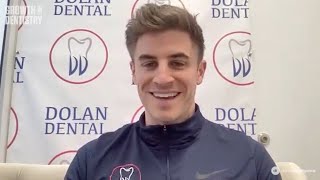
Dr. Fran Dolan opened Dolan Dental from scratch in December 2021 and scaled it from 3 operatories to 8, with plans to expand to 18. He built a team of 4 doctors and 8 hygienists, invested heavily in digital tech like CBCT and 3D printing, and credits an Energize marketing partnership for driving high-value patient consults.
Questions this video answers
May 2019.
December 2021.
8 operatories plumbed; 3 rooms filled at opening.
Currently 8 operatories; expanding to 18 operatories (space next door purchased).
Four doctors and eight hygienists (each doctor supported by two hygienists).
Chapters
Marketing, it takes time. So if you're out there and you're listening, you know, hang in there. It takes a couple months.
This is Growth in Dentistry, a dental intelligence podcast where we ask the question, what does growth in dentistry mean to you? I'm Steve Jensen, a data dental nerd and your host. Welcome everyone, to another episode of the Growth in Dentistry podcast. Now today, I'm going to jump straight into the episode, mostly because of how excited I am for our guests. So this episode is a part of our practice Deep Dive episodes. As a reminder, if you haven't been here before or if you're a continued listener and it's been a minute, these episodes I go and find the highest performing dental practices in the US And I bring either their owners on or the office manager or admin team on to talk about what they're doing, what strategies are they taking to get exceptional success up, way above average. And in this case, today, it was fun. I was telling Dr. Dolan before we started recording that I was like sifting through his business to try to find like kinks in the, in the, in the armor, like, where is he weak? And he is just running a top, top performing like top 10% in every metric I could find in his business. So I'm super excited to have him on today. Uh, so without any further ado, welcome Dr. Dolan. Uh, thank you for joining.
Yeah, thank you, thank you for having me. I'm excited.
And then I also, just for listeners, I also have Riley Beck on here with me. Riley has been in dentistry for a long time. He actually used to work at Dental Intelligence, now is working at Energize Marketing Group. He is brilliant. Uh, so I'm excited to have this the first time actually I've had a partner and a dentist on at the same time. Uh, Riley is also a data Nerd and, and Dr. Dolan and he's the one that made the intro. So I was like, hey, let's all three get on and let's, let's talk. So Dr. Dolan, do you mind giving us a little bit of background about kind of yourself? So you know, how long have you been out of dental school? Where'd you start? And just for listeners, he had a scratch practice he started in 2021. And we're going to kind of talk through that story, the growth, how you approach growth and how you got to today.
Yeah, well, thanks for having me on. I appreciate it. I'm excited to hear. So graduated from Temple Dental School in May of 2019. So I've been out of school for about five and a half years now. Right from school I went right into practice and practice as an associate for about two and a half years before starting Dolan Dental from scratch in December of 21. So we just had our three year anniversary here. During those first two years, you know, I jumped right into doing general dentistry and was kind of like a weekend warrior doing CE classes, just, you know, constantly trying to. To up my game and, you know, do better dentistry, but, you know, higher producing dentistry as well.
And did you have the doctor. Were the doctors there? Were they doing some of the bigger cases as well?
So we had a periodontist implant on staff.
Okay, cool.
He was doing most of the higher stuff, but he, you know, he was great. He would let me watch some stuff.
And, and teach some exposure there.
Yeah, yeah, absolutely. But really, I didn't really start getting into that stuff until, you know, I had my own practice where I could kind of, you know, do. Do whatever I wanted.
Okay, sweet. And then tell me, was your plan coming out of dental school always to like, have a shorter associateship and jump straight into scratch practice? Like, when did that idea get in your head? You're like, okay, like, I'm gonna just send it and I'm gonna start a. A practice.
Yeah. So senior year at temple, ideal practices came out and went to, you know, their lunch and learn. And I thought it was really interesting. I never even thought about that before coming out of school. Really. I was looking for an opportunity to work somewhere and buy in. And that's kind of what I thought at the previous practice that I joined. You know, two years in. You know, I realized that it might not be a possibility and, you know, wasn't 100% the practice for me for the time I was there, very appreciative, you know, learned a lot. But at that point I was like, you know, I want kind of control for myself and to use some of the things I gathered at that practice, you know, good and bad, put it all together and, you know, kind of create my own spot. So that's what we did.
Okay. Yeah, I think, I think. Oh, go ahead, Riley.
I. Yeah, I'm curious.
Working as an associate just for a couple of years, what were some of those key moments that you're like, you know what? I can step full time into practice ownership for you?
Yeah, well, one, you know, we had a periodontist prosthodontist on staff, so whenever those cases would come up, you know, they would go to him. So I always wanted, I was Always interested in implants and surgery and stuff and not really being able to do that. Being a little handcuffed with that was, was one major one. Also I felt like, you know, like as a leader with the team that I was given, you know, I felt like I was pretty successful, even though, you know, I have a different leadership style and you know, the owner that I used to work for. But I just started to really like it and, you know, create relationships with people and realize that, you know, maybe I can kind of lead a team and do this on my own, which, which I'm glad I did it. I really do enjoy it.
It's.
It's a good part of dentistry that most medical professionals, you know, aren't. Aren't given, you know, that opportunity.
Now I want to, I want to get to the shift from being an associate to being in your business because I think that's like, that's a big jump. I think a lot of people listening that are associates will relate with your story, like this feeling of, man, I want more autonomy. I want to be able to do some of these cases. I have these interests. But actually making that jump is. Is a scary moment in your professional life and you know, for some they go and they crush it. But then for some, all these crutches stories. People also hear the like, flop stories where it's like, oh, dude, like that was. This is like really painful. So talk us through maybe some of the way you approach because you jumped and moved into practice ownership successfully. Tell us about kind of the transition there. How did you transition from associate to running your business and what are some of those key things you put in place to make sure that it did go successfully?
Yeah, great question. I think that when I started, it was a great time for me because I learned a lot, but I haven't really. Wasn't able to really practice it.
It.
When you're a startup and you have zero patience and somebody comes in and says, you know, I want this, it's hard to say, like, okay, well, you know, I've only done a couple of them. Like, go see somewhere else. You're like, no, I'm going to learn it. You know, so whether it would be, you know, learning it, you know, asking friends how to do a case or, you know, going to a course and then coming, coming and doing it, or just manning up and, you know, feeling comfortable doing it, whatever, you know, the case would be. Luckily, I have a good support system, you know, a bunch of friends and people that I talk to and go over cases So I felt confident, you know, even, you know, surgeons and, and whatnot that I can bounce ideas off of. Also the technology that I have really made it easier for me to do some of those harder cases. You know, we have a scanner, we have CBCT, we have 3D printer. So a couple cases would come up and I would say to myself, you know, I could do this case if I had a cbct or a 3D printer or whatnot. And I'm like, I'm gonna get that anyway. Let's just buy it now. So probably you, you opened doors with all of that pretty much within the first three months I had everything. So, you know, huge overhead. But at the time we had time to learn all this stuff, you know, we weren't as busy and it just kept a lot of cases in house. Made me feel super comfortable about what I was doing. You know, we can take a CBCT scan and know, you know, how I'm doing with the implant placement to see if I can even do the case. You know, we had a 3D printer. We can make a guide, you know, milling, milling crowns and temporaries and stuff. It just really helped with, you know, me feeling confident enough to do the case, just investing in that technology early enough.
Let me ask another question too, about your strategy from a team size perspective. And kind of one of the things I've learned is I've met some of these really high performing practices. They take like a unique stab at the dentistry model. And what I mean by that is kind of the traditional practice, general dentist is you've got one doc, you've got two to two and a half hygienists, you're doing a lot of hygiene exams every day and hoping, hey, with those clinical at bats from the exams, I'm going to find dentistry to be done, that's going to help fill my chairs. But those do take a lot of time and anyway, so I want, I want to hear, because I think I know the answer, but I want to hear what was your strategy going into this startup? Did you want to do kind of a one doctor, two hygiene model or did you have something else in mind?
Yeah, so I always wanted to, you know, have a bigger practice at the, the practice I was at before the hours were open were from 7am to 8pm and that really opened my eyes, you know, thinking we maybe like a split shift. So right now that's what we do. And we started that from the get go right when we opened. So for instance, Mondays and Tuesdays, I work from one to eight and the other doctors work from seven to one. Now we have, we have four doctors now. So we have two on at night, two in the morning and then we, we switch. So that right there just, you know, increases your production by twofold. Essentially you're getting two days out of one. So that's been huge for us, you know, just production wise.
And then tell me about the hygiene team. Do you have two hygienists worth of appointments? You're doing exams on each doctor or do you have fewer hygienists than that? Talk me through that.
Y. Yeah. So each doctor has their own team. Their own team consists of two hygienists. They're always the same hygienist, two EFTAs and one assistant, one front desk person as well. So it kind of creates like a, you know, four small practices in one, you know, big, you know, big practice. It's great with continu care and such. So yeah, each, each doctor has two hygienists.
Yeah, that's great. And then tell me about, tell me about new patient flow to one of the. My last questions and I'll share maybe a few stats and that'll like, get you talking about some stuff. New patients are most of them because you've got a ton of new patients even still to this day that come every single month. What's the split between new patients that are coming in for hygiene? So they're directly going into hygiene versus going directly to the doc? Like, what are they coming in for? That's getting in your practice? Because you have really high retention, like exceptionally high new patient retention, which has allowed you like, it's so fun to look at your chart. Like in year one, you went from, you know, zero patients to a thousand active patients to 2,000 active patients to 3,000 active patients. Like, the growth has just been. Seems like clockwork. So talk me through how patients are coming into the business.
Yeah, Riley, who's on, on board here, is big help there. So we do a lot of marketing through Energize. That's great for is they bring patients right to me and not through hygiene. So for when those patients come in, they have clicked on an ad that says, hey, I'm interested in veneers or I'm interested in implants, or I'm interested in, you know, dentures or whatever it may be. Which is great for a doc to have somebody come in asking for that instead of, you know, going through hygiene and kind of trying to convince, you know, a patient that, you know, they Might be a good candidate for an implant or veneers or, you know, sure smile Invisalign. What may it be. Which is, which is great. So we get a lot of our production, major production, big cases from consults that Riley and Energize bring into us. And then we have, you know, most of our patient base, probably 75 of them come in through, you know, just roof, word of mouth referrals through hygiene, need a new dentist, you know, get, you know, their cleanings and might need, you know, a crown or two or an implant or, you know, sure smile stuff like that. Some of the smaller stuff, which is a, It's a great mix because we have the, the people that, you know, from the community are here to stay, you know, just want their annual checkups and, you know, their mom told them about or whatnot. And then we have the high production cases that, you know, Riley and Energizer bringing in. So it's a great balance.
And then. Tell me. Oh, yeah, go ahead.
I, I want to understand, I want to dive a little bit deeper on this because I know behind the curtain a little bit more than, than Steve does. And it's fun to hear him look at this and say, you know what? This is clockwork. Everything is, has been looking good because I know behind the curtain in the first couple of months, it was not rainbows and butterflies. So I want to hear, tell me from your experience, first couple of months with starting out marketing, when did you start to see the hang of it and see things start to blossom there?
Yep. Yeah. So I started the practice in my hometown. Right. So right when I started, I knew I'd get a lot of family, friends and whatnot. We started to market as well. So the first three months, the marketing didn't go as planned. And most of my patients were from family and friends. So Matt, Matt Brown, who's, who owns Energize. And I called him up, I said, I think you're making these patients up. You know, we haven't gotten any patients. One or two have showed up. Like, you know, I was banking on you guys to, to give me some patience and I'm. Now I'm relying on my family and friends. You know, what's going on. So we, we got into a bit of an argument. You know, I'm a very impatient person. I want stuff now. And I realized in marketing that's not how it goes. You know, you have to kind of build yourself up. We had to build our, our reviews up, build our Google page up, you know, kind of get the word out there who we are. Because I think when people do click on the marketing stuff, they still like will check us out on our Google page or our website or whatnot. And Matt said, give us one more month and I promise it'll kick back into gear. And this was three and a half years ago or a little over three years ago and we haven't looked back. So after that three, four month period, it's just been straight up. So I'm glad that I hung in there because I was pretty close to cutting the cord and later realized, you know, talking to other people, that marketing, it takes, it takes time. So if you're out there and you're listening, you know, hang in there. It takes a couple months.
That actually is such good advice.
Yeah.
For scratch practices, like there's just not a presence there. I mean today I just pulled up your, your Google page and you've got 713 five star Google reviews. Like that's pretty easy for a patient to come and look at and be like, oh yeah, like I'm going, I'm going to this place. But yeah, if you were to jump on, it's like, you know, five reviews, that's all the same last name as the doctor.
Like, oh, like yeah, exactly. And we had, we didn't have a lot of patients so like my anxiety was through the roof. You know, I had the time sitting, refreshing my computer, waiting for, you know, that patient, the book. It was, it was tough. But after we got past that, that stage, we really haven't looked back. And they, they've done an awesome job with us and been a huge part of our success.
I, I want to ask now about the growth and I want to use like operatories as that growth measure. So when you started, was it just you two hygienists? Tell me like the team when you started and how many operatories you're losing you were using. And then let's talk about kind of operatory growth over the last three years.
Yep.
Yeah. So when we started, we had eight rooms plumbed and we had three rooms filled. And about March, so we're open about four months. Right around that, that period, Riley started finally sending some patients.
Finally.
We hired a hygienist. She started getting pretty busy. So I was doing cleanings for the first three months. Weren't, weren't pretty cleanings. Got some bad, bad feedback from family and friends afterwards, but all worked out. And then it took, when I ordered the chairs, it took about three months because it was during, you Know, right after Covid.
Yeah.
Finally got those three other chairs and by that time we needed the other two. So I said, you know, just, just order the rest of them. So within probably six months, we had the whole thing filled out. Did we need them all? No, but it just took so long for us to fill the chairs or to get the chairs from adac. We just said, let's get them. It allowed me to kind of sprawl out and spread out so I could, you know, really run like, you know, five rooms at a time. Especially with the managing.
As soon as you brought on a hygienist, you were doing the hygiene exams. But then you also had all of these patients from marketing coming into the consult room. So you needed consult rooms for them and then you to go get dentistry done and produce.
Exactly. So we kind of just opened our availability. You know, anybody that would call or walk, walk, walk in, we'd say, come over now, you know, we'll make it work. So I feel like we filled the chairs in pretty quickly. We, we hired our first part time associate, I would say in one year. And he worked Thursdays and Fridays and then in July. So six months after, so we're one and a half years in, we hired our first full time associate. And since then we're on like a six to nine month. Hiring a full time associate.
That's incredible. And then, tell me, tell me operatory space. So right now, how many full time do you have? How many ops and how are you using each one? And hygienists too would be helpful.
Yeah, yeah. So we have four docs. Each doctor has two hygienists. Okay, we have seven, actually, eight hygienists. We have eight operatories. So we work the split schedule. So all eight operatories are booked from 7:00am Till 8:00pm Monday through Thursday and Friday, we're here seven to two, Saturday, seven to two. So we, we get the most out of our chairs here. And we're actually, you know, we're busting at the seams. We play. We bought the place next door and we're expanding from eight operatories to 18 operatories. So that will be chairs just got installed last week. Up and operational in probably like a month or so.
Okay, incredible. And you've got space to sprawl. And then just to remind everyone he's. They're running split schedule. So if you hear, you know, the four docs and eight hygienists, that's technically eight operatories for two doctors, four hygienists, Right. So each hygienist has their own op, I'm assuming. Are you running assisted hygiene or traditional. Traditional hygiene. So they've got. Each of those hygienists have their own op. So two of them and then each doc has. What does that leave for the docs?
Each dock has two restoratives.
Two restorative ops. Yeah, that's right.
Yeah.
So. And then are you running consults in those restorative ops as well, or do you steal some space from hygiene sometimes, yeah.
So the consults are coming.
We have a different console room that's not even in an OP with the chair.
Starting next month, we will.
Okay, cool.
So that's one of the, you know, reasons for the expansion. But right now the consults are running through the restorative. But next month we're going to have an op dedicated to consult only. So I'm really excited for that.
I'm going to ask your opinion. Sometimes I hear people that want the consult to happen in the chair because they want to focus on some same day dentistry stuff. Now if you're getting into more complex procedures, and that's, that's not possible, sometimes people want to have. Just, just make it easy for themselves. And it's cheaper to have a consult room that doesn't have chairs and equipment and all that investment in it to just start that conversation. So what's your opinion? Would you rather have the console room or have them come through the chair for some same dentistry? What's your thought on that?
I like the chair. I've tried a couple consults in my office. Every one of them always ends up with, all right, well, let's take some X rays. And then I'm kind of. All right, open your mouth and go like this. Let me just kind of see what. Yeah, and I'm like, like I need, I need information to give you a good treatment plan and kind of figure out what we need to do. So for our consults, you know, we write off a lot. We, we don't charge anything. We'll take a full mouth, we'll take photos, we'll do an intraoral scan, cbct, and we'll get you, you know, your actual treatment plan. I feel like that's for me. I want to know, make sure that I can do the plan before, you know, giving somebody a quote or whatnot. Somebody might not have enough bone for an all in four or whatnot. So that's, that's how we do it anyway.
Yeah, that makes a ton of sense. I wonder. I Was like thinking through, I've got an eight year old. We're just at the beginning of, of his, like orthodontic consultation. And in ortho they do like a unique thing where they're using like a combination of the chairs and rooms where you get kind of that clinical review and the chance for a doctor to look in the mouth. But then they free up that chair by moving into consult rooms for different pieces of the conversation. So they're not like clogging up, you know, that chair time. For listener's sake. I think there's probably, there's probably, you know, some space there depending on. I just know there are some practices that are just like busting at the seams. They're like, how do I maximize use of these chairs? And you know, the office space I.
Have, that actually is a good idea. The combo thing, like kind of get all your records and everything and then go to an office. That, that is a good idea where.
You can do some of the review and then free up that space for additional patients to come in.
Right, right.
Okay, so let's talk, let's talk about some like, key systems. Are you cool with going that direction? So today.
Yeah, yeah, absolutely.
Big practice, you're expanding. I'll rattle off like a few if you're okay with this. If you kind of like things that your team is exceptional at. So, you know, a couple of things. One, patient retention is like through the roof. So the biggest number that leads up to that is hygiene reappointment percentage. Like how many people can we get to say yes to the next appointment? Today your team is in the top 10%. They're consistently like 95% plus on that number. The average practice is around 80% now. So like way above. So your retention is great. Another huge one. People don't think about this, but especially in a practice like yours where the, it sounds like the majority of patients are coming into your chair first before they go to hygiene. That creates also a lot of risk that we lose those patients if they don't say yes to treatment. So we want to think through how can we convert them into hygiene. And your practice is really good. You're also in the top 10% at taking new patients and scheduling them for hygiene as well. Even if they're coming in for that restorative consult, you still get them scheduled for hygiene. So I might want to hear a little bit of that. And then I, and then I think it might be worth hearing a little bit about kind of your, your, your approach to clinical Presentation, because your case acceptance numbers are really high as well. Like when you present high dollars, you get good case acceptance as well as when you present, you know, bread and butter. Dentistry, they say yes, so. So patients are highly compliant. And I'll shut my mouth, let you tell me of those conversations. Do you think, like, hey, like, I think that's interesting. I think my fellow doctors will be interested in that. Let me share kind of what I've. What I know and what's worked.
Yeah, yeah. So interestingly enough, like, I know my stats are pretty good, but I'm really not a stats guy.
Okay, cool.
I'm more of like an experienced guy. I look at stats to kind of tell a story of, you know, kind of what went on. So when we, you know, started Dolan Dental, I wanted to create a really exceptional experience for the patient. You know, everyone's scared of the dentist. You know, we. Everyone that comes in pretty much says that. So we wanted to solve that. So starting from the phone call, you know, getting a new patient in, be a nice employee. Getting accommodating, trying to get them in as soon as possible. To the hygienist, being nice and gentle and just creating, you know, a nice calming atmosphere, you know, to the efta, if you're getting filling to myself, you know, when I look at a practice, you know, there's four doctors and we have 30 employees. So the. The communication between, you know, myself and the patient is what, 15% of the time, usually they're communicating with. With the team members. So I rely heavily on my team. You know, I think I. I have the best team in dentistry. I really think that's what separates me from, or our practice from others is just our team, the way we go about things. Because if you create a positive experience for the patient, they're way more willing to accept treatment. They're way more willing to book at their next appointment. They feel comfortable. They feel like they trust you. And I try to get that feeling out of the patient before I even walk in the door, before any of the doctors walk in the door. We rely heavily on our team, and I just think that reflects in the numbers we do focus on, you know, hygiene, reappointment rate and all that. We try to get the patient any sort of appointment on the books before they leave. You know, even if they come in for a console and they're not really sure what they want to do, say, well, let's, you know, put an appointment in two weeks, why don't you bring your significant other in and we'll chat. You know, 50% of the time, you know, they, they cancel that appointment. But we at least try, we try to get something on the books.
And operationally, is that happening in the back office, in the op, or is that happening up front? Or do you use front as like a fail safe?
Usually. So for hygiene, it's happening in the room.
Cool.
For any restorative appointments, happening up front.
Perfect. And those team members know, like, hey, that's one of my goals with each one of these conversations is to have that next scheduled appointment.
Exactly.
With the team as big as yours, how are you training that and how do you hire that? How do you train it? How do you create it into a habit for these team members?
So you hire a new team member and, and how do we train them? How do they know?
Speaker issue there.
Oh, we got you back.
Yeah, yeah, I, I didn't, I didn't hear what you said. I'm sorry.
Oh, that's good, right?
No, you're good.
So, yeah, for, for a team as big as yours, I'm curious about how you're hiring and training and creating a habit for these team members to, to make sure that they're focused on this experience.
Yeah, well, it all started right from the get go. The, the first two people I hired were great and we just created this culture. And now when I hire people, I pretty much say, like, you guys are going to be the ones that are going to be spending more time with this person than me. You guys look at the resume, you guys bring them in, you walk them around, show them around. If you feel like they would be a good fit, we're going to have them come back and do a working interview. Pretty much everyone does a two to three hour working interview where we really just see how they would react with us and how we would react with them and with patience and such. And I kind of go around and say, do we want to hire them or no? You know, so it's, it's a full office, you know, commitment there. Because the culture we have, you know, we, we don't want to break it. And it's kind of like, you know, you fit in or you don't. As far as training, you know, we're really looking for the personality that we can, you know, feel like we can train anybody. If you have a good personality, you're open and willing to learn. And the team members that I have, you know, the, my head efta, my head hygienist, front desk, they're all great. So I Just really rely heavily on them. This is awesome to have.
And then for training, is it more. Do you rely more heavily on. And you can maybe it's a combination of these. On one end you might have someone who's like, it's like documentation SOPs like, go read my manual and you know how you need to behave within the business. On the other end it might be like, hey, a player coach model. This team member is kind of the model of how we want to behave. So we're going to have a player coach kind of follow along and then you'll see how we work. And I want you just to do that. You know, on, on that scale. Where do you, where would you suggest you guys are?
We are all the way to the player coach side. I don't know if we have much documents in here. I mean we have like, you know, paperwork that'll show you how to do things for this. Yeah.
Do you have any like checklists or anything like hey, here kind of daily tasks or.
Yeah, so we have a bunch of. A bunch of checklists. A whole lot of checklists. You know, kind of like to follow with. So I guess, I guess we're kind of in the middle if you put in checklists.
But that's like, hey, here's, here's what we want, here's what success.
Exactly.
Like if you get these things done, then like we're all humming. If these things don't get done, then things are going to break.
Exactly. So we do have checklists for pretty much everything. But really what they do is like you're going to follow somebody around for two weeks and then you're kind of on your own and we're here to help you. But you know, we don't have like a specific like training, you know, protocol or anything. It's kind of like, you know, we're going to show you. What's the Marine saying? See one, show, do one, teach one.
It's kind of like that sounds good to me. Yeah, I like that. That feels like a good, a good like not overly engineered model where you have some consistent checklist like the out. The out.
Yeah.
Happen. But then allow them to experience it with the player coach and then graduate from that and then execute. Yeah, I mean it seems like that would, as a team member, I'd be like, okay, cool. Yeah, I got that. I can run, I can run in that system.
Right. So the checklists definitely guide them, you know, into the right direction.
Cool. Now talk, talk me through. Like as a, as a business owner, is your Plan like infinite growth. You're going to have 18 operatories. So, I mean, that's a massive growth plan. Are you expecting to have to do anything differently or do you think you can just kind of keep putting fuel on the same fire and tell Riley and team, hey, we need now 400 new patients a month.
Right.
So talk me through that. What does that look like?
Yeah, so I know in the next couple of months there's going to be operational changes just with workflow, you know, having some. Some more operatories. We're going to have to change things around. Like, you know, our dentrix and communication, a lot of communication. Things going to be key in the next couple of months. But essentially the plan is to stay course, you know, in six months, we're probably going to need another doctor. And then in nine months after that, we'll probably need another one and. And higher until, you know, I think. So we have four right now, actually. We'll probably max out at probably like 6 or so and then just start trying to fill in all those rooms there.
Ooh, can I ask you one question that just popped in my head since you're talking about hiring associates a bunch. You know, you expressed when you were in that associate role. You're like, man, I want, like, more at bats. Maybe I want to buy in talk. Because associate hiring, I mean that we could do a whole episode on it. I'm sure you could absolutely. About missteps you've made or like, how you might think about it differently. You know, how did your experience as an associate play into what you're doing? So, yeah, talk me through associate hiring, maybe briefly, like, how. What's your strategy? There are these, like, associates that are on a salary. Are they partners with you? Talk us through that.
Yeah. So I got really lucky. I have three awesome associates here and they're. They're all killing it. It makes. It makes it, like, fun when you have somebody that, you know, you can work with and bounce ideas off of and really trust. You know, that's the big thing. When, you know, we hired them and interviewed them, I pretty much made it known that, you know, it's stolen dental. And my plan is in 25 years to give the business to my son. So I really don't want any partners. But I'm such a, like a business.
Which is great to know. Coming in, like, part of your problem was it sounded like you kind of thought there was a shot at buying into the practice at some point. Wait, that's not going to be the chance. So expectations Being super clear is exactly.
Yeah, exactly. And we've had, you know, a lot of good candidates not, you know, join us for that reason, I'm sure. But, you know, it's better to. To kind of know that and get that, you know, off your chest right away than hide anything. I'm very open, but my associates are awesome. At some point, you know, we're going to outgrow the. The 18 ops. I really don't plan on opening up another office, but what I said to, you know, the other associates is, you know, maybe we can go 50, 50 on an office with where it's kind of your office, and we replicate everything that we created. We try to bring your team, your patients and everything over there and continue to grow that way, which I think is. Is a model that's probably not used much. Also, like, when. When you get this big and you. By the time, you know, and associates are ready to buy in, you know that it's. It's going to be a big number. It's going to be, you know, like, kind of tough. I would almost feel bad, like, they. They help me grow in, and then it's like, all right, well, you know, here's this big number if you want to join. So I think that would probably be the way that we go. You know, we'll. Yeah, we'll approach that probably in, like, you know, a year and a half or so, we'll start really talking about that. But that. That's what I'm thinking right now anyway.
Yeah, I like that.
I. I want to hear a little.
Bit more about your goal progression on that, because I'm. I'm just wondering at the very, very start of all of this, was your goal, hey, I want to hit a hundred thousand a month? Or was your goal, hey, I want 18 ops in this space. I'm buying this neighbor's place in year three to four. Like, what. How have your goals adapted and progressed throughout these years, even to now saying, yeah, next steps are 50, 50 partnerships with these people.
Like, yeah, I want to hear more about that.
Yeah, I mean, when I bought the place, I really just wanted to fill it out. And I realized how quickly I'm like, wow, I think we got something special here. Our growth is tremendous. So then I always thought, maybe we get a couple other ops, maybe two extra ops, an overflow up and a console op. And within, you know, six months of having that idea, I'm like, wow, we're going to need, like, that whole entire other space. But I do think that, you know, I'll probably max out that with that space. Just sanity wise, you know, I really try, like I try to run a tight ship and you know, be super involved and be here. I do love it, I really do. You know, obviously I got to spend time with my family, but I really do love it, you know, very fortunate. It would just be too much to, for me to open up another office or whatnot. So probably stop, you know, at this.
I just realized there's one other question I haven't asked and that is I'm assuming you have like a more advanced like business administrator office manager in the business. Do you have one?
Yeah.
So and at what point did you like in invest in that? Because I think when you do with a scratch startup, you're doing everything pretty much as an owner doc for the most part. Like you're doing cleanings, you're doing, a lot of times you're like either hiring it out or you're doing it themselves, submitting claims or collecting payments. Like you're just trying to like spread yourself super thin until you can get enough profit in the business to start adding employees. So yeah, talk us through. Like do you have kind of an admin team beyond the front desk and how have you, when did you invest in that?
Yeah, well, one of my first hires was our office manager. She's been great. And then about a year in we hired a business manager and she's incredible. You know, probably the best treatment plan presenter around and that really helped. She's all into analytics and stats so she would kind of control that. She was probably the, the main reason why we're so high on hygiene reappointment. He helped me kind of point all that stuff out. So probably within the first year. You know, now I kind of have like some other front desk people that I'm kind of just given, you know, certain things to that they're really good at kind of spreading the wealth a little bit. So I would say almost everyone at our front desk has a pretty big role in something other than just you know, talking on the phone and checking people in. You know, they have some other responsibilities that are, that are super important but that, that's really important to, to hire a good office manager, business manager to.
Help and then tell us a little bit about roles. So you know, there are. The office manager, business manager can be so different in different practices. And you know, a lot of that has to do with skill or some of that has to do with like how much is a doctor willing to let kind of someone step into those roles of authority. So hiring, payroll, purchasing, you know, managing, like even like paying leases and stuff like that. So actually like making payments for the business. So for you, how quickly did you let go of stuff? Are you still holding on to some of those like high level business things or do you kind of like say, I want to step away from that. I want this business manager to do it and I'm going to help hire associates and maybe some of the clinical training. Yeah. Talk us through the splits between you guys.
Yeah. So that it's. It's pretty tough to. To let go. It's one of the issues I feel like I, I find myself in, you know, I feel like I'm responsible. It's my name and you know, I want to try to do it and I end up not even getting to have this stuff from late because I try to hold on to so much stuff. So, you know, I do have a hard time with that and it's something that I actually plan on.
Normal, by the way. I'm not saying that you're like, yeah, a problem. That's normal, like it's your baby.
Yeah. You would think it would be easier. Like you're dishing stuff off that you're not going to have to do.
Yeah.
But for some reason when it's your business, it's. It's harder. Like you just. You want to do everything, you know, you realize you can't. You run yourself thin. So I'm kind of in that spot now where I'm hoping in the next year I really cut back on this, the admin stuff that I'm actually doing and kind of siphon that off to different people.
So you're still doing quite a bit of business administration stuff.
More than I think I need to. I don't do payroll and stuff like that. That's taken care of. But I really.
Expansion of the new property, heavily involved in. That's like you are the project manager.
Pretty much all me. Yeah.
Yeah. Team. Team hiring.
Team hiring. Within the last like three months, I kind of took myself out of like I have the final say of course, you know. But yeah, with our team, like if, if they fit in, you guys know, you know, if they're gonna be good. There's enough is if it's. It's not one person that makes the call, you know, it's a group effort. So I say you guys kind of decide and then, you know, if we hire someone, you don't like them, it's your fault, not me. You can't yell at Me anymore.
I'm curious with that. So it's like you have a team of people that are all going through or all watching this interview. If one of them says no, is it just a no, or is it, hey, as long as 80% say yes? Or is there a way that you're quantifying that?
Not really. It's definitely an imperfect system. But I try to have the person talk to, like, everyone, and then afterwards I'll kind of get to say, you know, how do we feel? It hasn't really been a split decision. Usually it's like, yeah, we really like her, or like, yeah, we might not. They might not be a fit. And if there is some sort of discrepancy, I'll kind of like, bring the two people in. Like, let's. Let's talk it out. Let's figure it out. Is it something stupid or, you know, is it something that we really should consider now?
Dr. Dolan, where time flies so fast. We're coming up on End of Time. I'd love to hear for listeners. I don't know if we've made this, like, super clear, but, you know, we have, you know, thousands of patients in the business. You had your first month in October. This was from a post that Riley did or you did. I'm trying to remember who did it on Facebook. This is what, like, podcast in the first place. First month where you guys did over 400,000 in collections in a single month. Like, there's just cool things happening in the business. I want to hear maybe. Maybe a good getting us to wrap up question would be, you know, what, what advice for those out there that are like, hey, I either want to, like, improve my current practice, like, I'm struggling with my current business, or I'm thinking about getting in a scratch practice. What advice would you give to your peers about growing a successful dental practice? Running a successful dental practice. Like, what do you feel like are. Are some lessons you wish that someone could go and tell you, you know, rewind three years?
Yeah, I guess kind of back to like, what I was saying earlier with, like, almost like reverse engineering your statistics. For instance, like, case acceptance is probably the one big thing, right? You have high case acceptance. You're probably a good practice. If you're low case acceptance, you probably don't, like, why isn't that patient accepting? You know, is it because it's a bad experience? Is it because you're, you know, over treatment planning or whatnot? I really think that, you know, our team creating that culture, it makes it so Much easier for us to communicate with the patient, you know, the way we want to and for them to trust us. When we bring up a CBCT and X rays and Iops and photos on a computer and try to explain that to a patient, you know, that reverse engineers are case acceptance. So I guess, you know, if you're looking at, you know, the statistics, I feel like statistics really tell a story of, you know, kind of what you're doing. So I guess, you know, kind of see what the problem is and don't concentrate on, on that. Concentrate on, you know, kind of how to fix it, like in the back end, what's causing that issue, if you will.
Yeah, I love that. So kind of this mindset of continuous improvement. I'm going to, like, get a baseline, like, how are things going and where do I want to improve? Case specifically, is a great one for people to focus on, like, become like hyper focused on how do we improve that experience, make changes and then see if it improves it, you know, and if, and if it does, if your numbers are better, the stats are getting better, then say, okay, this is, that's how we're going to behave moving forward. If it's not moving the needle, then, oh, well, the thing I thought was the problem wasn't, let's keep discovering, you know, what are we going to change next? Like, what else could be the problem? See if you can improve it. You know, I love, I love that. And just constantly be tweak, kind of tweaking with the business, you know, like, hey, where can we, where can we improve? How can we make it better for patients? Yeah, I like, I like that a lot. Other advice.
Other advice. I guess try to stay positive. Dentistry can be a, you know, pretty negative place with, you know, our patients and even our peers.
Yeah.
Try to just stay positive, you know, keep a smile on your face and, you know, create a good, good connection with patients. And I think, you know, I think that'll all work out.
Yeah, that's. I think that's good advice too. Yeah. Find a good therapist. Marry well.
Yeah, yeah, yeah, absolutely.
That's, that's good. And good advice as well. The, the last question we ask every single podcast. Guess I didn't prep you for this because I wanted to just kind of hear your answer is we ask them the question, what does growth in dentistry mean to you? So the name of the podcast is the Growth and Dentistry Podcast. And we just like to hear from each individual, like, hey, when you hear that phrase, growth and dentistry, what is that? What does that Mean to you?
Yeah, to me, it means, like, dentistry as, you know, professionals, as a community. I feel like a lot of times there's a lot of judging between, you know, dental professionals and such. Um, you know, going on a podcast like this, like, you know, I want to try to encourage, you know, people to reach out and. And help each other, whether it's, you know, a general and an oral surgeon or other generals helping each other or hygienists helping. You know, I feel like people are scared to ask questions and scared to put themselves out there and just kind of saying that, you know, if anybody, you know, has any questions or whatnot, I'm an open book. Feel free to reach out to me or, you know, anybody on these podcasts. Podcasts are great. I feel like it's really. It is helping, you know, the. The growth of dentistry. So I would say just as a community.
No, I love that. Now, for those that are listening, what's the best way for that? If they're like, hey, I want to hit you up, Doctor.
Yeah. Yeah, absolutely. Yeah. Instagram's probably the best. I believe my Instagram handle is Frand Underscore Dolan Underscore dmd. If not, you can go to the practice. It's Dolan Underscore Dental. You know, reach out any questions. I feel like I talk to a lot of people, you know, through the Facebook groups and whatnot, but just encouraging everybody, you know, out there. I know, I know it's tough. Feel like dentistry. A lot of times you're out there on an island, you feel like.
I just went to Instagram just to confirm. Yeah, Dolan. And then the Underscore Dental.
Yes, Correct. Yeah.
Is the handle. Sweet. Cool, man. Well, thank you. Seriously, thank you so much for coming on. You've got a really incredible story. It's fun to hear, you know, like, just the thought process. And you're also just so relaxed. I, like, wish, you know, I'm sure there's way more stress than you're showing where you're like, no, dude. Like, the last three years have been an absolute, like, mental, emotional grind, which, you know, could probably be an episode as well. But thank you. Thank you for willingness to come on and share and for those listening, like, what. What a great episode. So thank. Thanks, Dr. Dolan. And for those listening, we will. This has been another episode of the Growth and Dentistry podcast with Dr. Dolan and with Riley Beck from Energize. Thank you for joining us today. And we'll talk.
More from Sean






Growth Through Patient Retention with Michael Dinsio and Paula Quinn of Next Level Consultants




Creating a Profitable Practice using Fee Negotiations with Kelsey Porter of Beacon PPO Solution