Scripts for Collections, Cancellations, and Going Out-of Network with Ragan Hartman of Fortune Mgmt
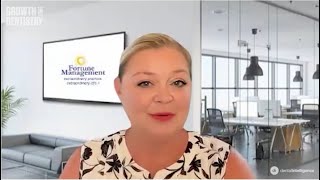
Ragan Hartman, a dental management coach, shares scripts and processes for collections, claim denials, cancellations, and going out of network. She emphasizes how you say things matters as much as what you say, and walks through specific language for handling balance collections, denied claims, and patient escalations. When practices go out of network, she outlines a six-month communication plan to preserve relationships while being transparent about cost changes.
Chapters
It's not always what you say, it's how you say it. But I do believe that words matter. I do believe that the way you structure certain words, the syntax in which you use them, determines how the patient perceives the message and ultimately the impact on them.
This is Growth in Dentistry, a Dental Intelligence podcast where we ask the question, what does growth in dentistry mean to you? I'm Steve Jensen, a data dental nerd and your host. Welcome everyone back to another episode of Growth in Dentistry podcast. Super excited for today. I know I say that every time, but today is going to be especially good because we are going to get to the brass tacks of things, like what can team members actually do to move the needle in our favor. And I'm super excited for when I introduce my guest, Reagan Hartman. Now, before I jump in, big shout out to the Dental Intelligence team for sponsoring this podcast week after week. A lot of work goes into generating the podcast, editing out all of my swear words, you know, all the things. And I'm grateful for their, their effort and support of, of getting this content out there to the industry. I think it's wildly valuable. As always, they have an offering for our listeners. They'll give you a $50 gift card just for checking out a demo of DI. So if it has been a long time since you've checked it out, or you've never checked it out, I would definitely encourage you to go get a demo of DI. They They've got some really cool new tools on the patient side of things that are awesome. So like the forms, the patient can fill it out right on their phone. It automatically writes back into Eaglesoft or OpenDental. Uh, they've— they have a new payment solution that will write back to the ledger. They have some really cool stuff to just help take some of those like monotonous tasks off the team members' plates so they can really just focus on the patients in front of them. So if it's been a while since you've checked it out, definitely go and check it out. Okay, with that out of the way, I want to introduce my friend and today's guest, Reagan Hartman. Reagan has a wealth of knowledge in dentistry. Don't let this age her, okay? She has over 27 years of experience in dentistry and healthcare management, executive coaching, and leadership. But she will be the first to let you know she started young, okay? So she's— and you can, if you're watching the video, you can tell that she is still young and spry and has a lot of energy. Uh, also, I'll just note this too, Reagan is a known industry expert because she's been doing it a long time. As you can imagine, she has been welcomed to hundreds and hundreds of seminars all over the country teaching best practices for how to run a business, how to be a strong leader in dentistry, and how to make sure we set up systems and processes to take the best care of our patients and our team members. So I couldn't be more excited to bring Reagan onto the podcast today. So welcome, Reagan. Say hi to everyone.
Hello everyone, thanks for having me, Stephen. Exciting.
I'm gonna ask first, I always like hearing from people before we jump into, uh, kind of the topic for the day. I always like hearing like how you got into dentistry. So why, why dental, Reagan?
So interestingly, it happened by chance or fate or whatever you would have it. Um, I started when I was 17. I was friends with the daughter of one of our co-founders and chairman of the board, um, way back when, and One day he just asked me if I would help him out at like a training workshop, just running back of the room logistics, planning, things of that nature. And sitting in the room, I was exposed to things that, that my 17-year-old ears perked up and I was like, why didn't I know this? Why did no one ever tell me this? And so from there, I kind of fell in love with it. And I'm— I will be the first one to tell you, I am not passionate about dentistry, but I am passionate about people. And passionate about businesses and love all of my clients. So that's— it wasn't really the dentistry that attracted me, it was the transformation that attracted me, and that's why I've stayed.
So yeah, I love that. And I love that because dentistry is so people. I bring this up every once in a while where I tell dentists and their teams, like, you have such a cool job if you think about it in a unique way. Here's what I mean. There aren't very many businesses where you get to have like an intimate one-on-one experience with a customer basically every 6 months. And especially for your like local community, there aren't very many businesses that give that, where you have like a couple thousand people, community members, coming to your business every 6 months to have a one-on-one experience. Obviously there's like grocery stores, but that's pretty impersonal at this point. Like you go in and you get your groceries and you go to self-checkout and there's not like that kind of opportunity to build a community relationship like you do in dentistry. So I'm not surprised, Reagan, that someone who loves people and loves community landed here. Now let me frame up today's conversation. Just so folks know, Reagan has really strong expertise in verbal skills and the patient experience, and I want to draw some of that out, but I want to set it up this way. So DI, Dental Intelligence, we're tracking industry trends across over 10,000 practices. And one of the cool parts of my job is I get to watch and see like what's happening, what is the data telling me. And there have been several key trends in dentistry for several years now that are problematic. Number one, I'm seeing cancellations and no-shows on the rise. That's happening. I'm seeing, uh, compressing margins. So meaning we're not making as much money for the same amount of dentistry in the past, which causes us to start to think about things like going out of network. So a big trend I'm seeing with di practices, a lot of them are choosing to go out of network with key insurance plans to try to improve that margin and not be controlled by the insurance plan, I guess, so to speak. I'm seeing— the last one I'll mention is I'm seeing accounts receivable balloon, and that's been happening for a couple of years now where it seems like we're struggling to get full balances paid in a timely manner. I'm also seeing AR days, which is the total number of days it takes to collect, balloon. So it's kind of all happening— collections from insurance, and patients are ballooning. Now, the way I want to frame this with Reagan, and then I'll shut my mouth and let you talk, is each one of these problems I'm identifying open up more and more difficult conversations that the practice has with the patients, or the problem's never going to get resolved. Meaning if a bunch of patients start to cancel and no-show and I just like am too uncomfortable to talk about it, then that problem is just going to keep happening. Or if my AR days with my patients or my, my aging with my patients is ballooning and I can't have like a good productive conversation about finances with the patients, then I'm probably not going to collect those dollars. Same thing with going out of network. If I don't handle that conversation of going out of network really thoughtfully with the patients, then I risk losing a bunch of patients and maybe my schedule not being as full as I'm used to it being. So Reagan, I would love to hear from you and you tell me where you want to start. Do you want to start? Kind of at each of those problems, some things you're seeing, or do you want to start like brass tacks? You know, hey, let's talk about the basics of patient communication.
Well, we, we can really start anywhere. I think the way I would pre-frame this is communication has several layers to it. There are several skills that you tie together and mix together to formulate a very intentional, and as you, as you said, very thoughtful message when we're having those difficult conversations. So the first thing I would say is it's not always what you say, it's how you say it. But I do believe that words matter. I do believe that the way you structure certain words, the syntax in which you use them, determines how the patient perceives the message and ultimately the impact on them. So choosing that delivery thoughtfully and being able to deliver it with compassion and conviction to where it's not a punitive thing we're doing to the patients, like going out of network, but that we're acknowledging the issue and then helping the patient reframe what that means to them, how that ultimately impacts them. So I'll just start, and then you can hit on any of those topics you want to because they're all very prevalent. They've been around forever. But as you, as you mentioned, with inflation being what it is, we're seeing more and more of a, of a steady climb with some of those KPIs that we want to keep very much contained. Right.
So maybe I'll just ask the question kind of broadly with any of those, you know, how do you start, like, how do you think about training your team to have those difficult conversations? Like, I don't know if you just want to pick an example, like collecting on a balance. I think it could be, we were kind of pre-showing a little bit. I think it could be human nature to be like, I think most of us are conflict avoidant. So it's like, man, like I'm sending them statements and they're not paying, but the team member like might be scared to call a patient and say, hey, you owe us $350, you need to pay. And obviously I'm not saying that in a very like thoughtful way. So how do you think about training a team member on improving that skill? And then like, what do you actually say to improve it?
Well, so understand this too, that if, if our insurance coordinator or our financial coordinator is feeling the pinch of the inflation that we're seeing, that will sometimes be projected onto how they believe the patient feel about having a balance. But the truth of the matter is money, money seems to be a very emotionally charged thing, but it doesn't have to be, right? I think in any, in any situation that we're going to be discussing, the more calm and collected the team member can stay as they deliver this message, the more they'll be able to influence the patient's mood and their perception of it. So like one of the things that I've noticed, especially with some of the newer offices I've gone into in the last year, is that team members seem to be very reactive when it comes to collecting that. Like, let's say the claim came back, they gave the patient the estimate, they collected the estimated patient portion at, you know, when they were scheduling, or maybe they're going to collect it the day of the visit, but they file the claim, the claim comes back, and the service was downgraded. So now the patient has a $50 balance, a $300 balance. Whatever it is. What I've seen some teams do is at that point, they'll just start sending the patient statements, which is all well and good. However, if you're balancing a budget at home and you've got the mortgage and the cars and the insurance, where does that bill go in order of priority, especially if there's no real pressure? Where does it go? Yeah, it goes— it goes directly to the bottom. And so what we coach our teams to do is the moment the patient's expectation changes. You know why people get upset when they get a bill? Because what they were told has changed.
Yep.
Right. So, so every frustration, every upset, every time a patient gets angry, it's because the expectation changed. Well, when should they be notified that the expectation has changed? The moment it changes. So the moment I get the EOB, before we ever send a statement, we just call the patient and say, "Hey Steven, this is Reagan at All Smiles. I hope you had a great Fourth of July weekend and enjoyed some fireworks. I'm calling because we just got your claim back from the insurance company and they actually downgraded the service we did the last time you were here, which has actually left a small balance on your account. I'm calling today to see, would you prefer just to handle that conveniently over the phone with me today, or I can text you a link?" Or would you like for me to send you a statement? I'm happy to do, to do any of those. What would you prefer?
Yeah, that's great.
It's clarifying the expectation has changed and it's more shifting the blame to the insurance company. Your insurance carrier downgraded this because that is what happened. Yeah, that's what happened. But the, but the people at the front desk, they become the middleman between the insurance company and the service provider and they get all the flak, they get all the emotional charge. Right. So, so again, if the patient says, yes, send me a statement. Okay, perfect. I'll send that out to you today, which will give you about 10 days to just bring your account current. Most often, though, in my experience, if you give them the option to pay through a link, about 60% of the time they're going to click the link and pay that way.
Yeah, that's what I was just going to ask. Like, how often are people on the phones just like, yeah, go ahead and just, you know, send me the link. I'll tackle it. And I would assume it's like pretty high. I think a lot of times we, we have this like availability heuristic as humans where we'll, we'll think of a couple of like vivid bad examples in our head and then we blow it up and make ourselves think like, oh, that's going to happen every time when maybe that's not what's going to happen. Now, Reagan, let's press on that, that kind of same thing and throw a curveball at you. I can imagine office manager Dennis listening like, yeah, like sometimes we do get pushback, like Maybe they'll in that scenario say, oh man, is there any way you guys can like fight that claim and see if they'll like, you know, re-up it to what they were supposed to pay? Does that make sense? Like, how often do patients do that? And when they do push back on you and say, oof, like, like, like, can you help me fight that claim and, you know, get paid what we were expecting? How do you respond to that?
So in the event the claim was denied, Right? In the event the claim was denied, the way we would handle that is simply say, you know what, Stephen, I know, and I am so sorry. You know, we have a ton of patients who feel the same way that you do. And while I'm happy to go back to your insurance company, oftentimes in this case, either we ran out of benefit or your benefits were maxed, or, you know, the service for whatever reason just wasn't covered. And so I didn't want you to be caught off guard by a statement. I wanted to reach out personally and let you know what's happened so that we could resolve this as quickly as possible.
Yeah, perfect. Yeah, and I love the way that you did that. I love the way— I even really loved the phrase where you said, you know, we have a lot of patients that feel the same as you. It like puts them in this bucket where they're like, oh cool, like you're letting me know this is, this is not normal, I'm not crazy. But you're also not backing off of the reality that, hey, we still need to, you know, get that.
And it's not a Stephen problem, right? It's not a Stephen problem. This is an issue with a lot of insurance carriers.
Yeah, it happens. And I think most people, you know, when they hear something like that, like I'm listening and it's like I might put up a fuss if I'm like, you know, pinched for money. But then when you hear that, you're like, yeah, people, most people know, like insurance companies don't always pay. Sometimes it doesn't happen how you work. You know, consumers know that. And so when they hear it, they're like, okay, yeah, that makes sense.
Yeah. And again, even if the patient gets ugly, because especially if the patient is very financially strapped or they're struggling a little bit, even if they get ugly, just don't get ugly back with them. Just understand that they're confused, they're concerned, they're worried. And our best approach is just to say, you know, I'm sorry, I get it. You know, here's what, here's what, here's what we can do. Here's what I'm willing to do. And the ultimate thing is I just want to make sure we bring your account current so that you don't incur any interest charges or have any negative marks.
Right. Yeah. Do you have any other suggestions when there are escalations? And then we don't have to keep hitting escalations, but are there any other skills? Like if someone starts to get escalated, you know, do you like, do you have any suggestions on like isolating their concerns where it's like, oh yeah, I can, I can hear that you're concerned about your ability to pay, or I can, you know, sounds like you're, you know, you think you might be able to get the interest rate. Does that make sense? Like you kind of say back what they're saying. Do you have any other suggestions for escalations that are common where you're like, hey guys, this is a great way to handle when a patient gets escalated?
Yeah. So again, my best advice is always to apologize, to own the solution, not the problem. Yeah, because it wasn't our problem.
I love that.
But we can own the solution. What's it going to take to have Stephen feel better and bring his account current? Stephen, what I can do, because I know that $500 is significant, what I can do is allow you to pay this over the next couple of months if we need to give you a little bit of leeway since it was completely expected. I'm happy to do that for you. Would that work? And we'll just take the first payment today, and then a month from now we'll go ahead and process the second one, or 2 weeks from now. You know, you let— let's work out what that time frame would look like so that you, you feel better.
Yeah, I love the way you said that. That's one like nugget I'm going to lock in. Like, I— in those escalated situations, I own the solution, but I don't own the problem. Yeah, that's very good. Yeah, that's really, really nice. Okay, cool. Let's, um, I like this, the claims age or the kind of the insurance claims denial, the accounts receivable kind of situation. Let's talk, or maybe you can direct, what are, what are some of the common, when you go jump in with a client, what are some of the other common places where communication needs to be elevated with the patient? We could hit cancellations and no-shows, or, or what's the other one I brought up, uh, going out of network. But if you've got others breaking, you're like, hey, these are obvious places where it's like, hey, we need some upleveling. I would love to hear from you kind of the common places you like to go coach on.
So there are a couple that I really enjoy delving into. One is mitigating cancellations, right? Cancellations and no-shows have the same impact on the schedule, but they're not the same and they need to be handled differently, right? So let's talk cancellation. Let's say a patient offered you the courtesy of a phone call before they cancel, right? They didn't just no-show, but they're giving you notice. Not enough, but they're giving you some. Then how we handle this is going to set a precedent for what they can expect moving forward. And so, Stephen, if you were to call and say, hey, something came up, I'm not going to be able to make it, I coach my teams to make it difficult for the patient to get back in. So the way, the way I would do that is, oh, Stephen, are you sure there's no way you can make it today? I only ask because I don't have another availability for you until 8 weeks from now. And I know that Dr. Jensen wouldn't want you to wait that long. Are you sure there's no way you can make it?
Yeah, that's great.
Now, what's interesting is you're going to see a large percentage when they know they have to wait. You're going to see a large percentage go ahead and find a way to come in. They're going to rearrange things, rearrange their nail appointment, hair appointment, oil change, whatever. The other thing is the language I use, I'm very intentional with because what I see teams do a lot of times, and this is why there are cancellations and no-shows spike. Because if you were to call in and say, I'm sorry, I can't make it today, and the front desk is worried about keeping a full schedule, what they might do is say, oh, that's okay, I've got something tomorrow. Would tomorrow work? Or I've got something on Thursday. Does Thursday work? We make it too easy for the patient to get back in, which actually devalues our time. So when something more exciting or more pleasurable comes up, they don't have any any resistance to canceling us, and we don't offer any.
So it doesn't seem like an inconvenience when I call in. It's like, oh yeah, sure, I'll just get you in a couple days later. It's like, oh cool, great.
And that's, that's a lot of the language that I hear when I'm doing observations. It's like, oh okay, well let's see if we can find you another time. Or, or they'll ask the dreaded question, well, do you want to go ahead and reschedule that now? Which we'll talk about scheduling in a minute because that's another one of my other favorite things to talk about.
But I like the immediate friction you create with, oh, are you, are you sure you're not able to make it? Or however you phrase that. I like that pushing it back on them. At least, do you just do that once to kind of get a pulse on like, okay, like how urgent is this cancellation? Are they just like wanting just to bail easy?
Well, they all want to bail easy, and for the most part we allow it. But that, that slightest bit of friction, that slightest bit of resistance that I'm offering, like, are you sure there's no way you can make it? And then the languaging I don't have another availability for you until 8 weeks from now. So creating that space or making it difficult for them to come back in. Plus, even if we have availability tomorrow, the fact that I said I don't have availability for you. I didn't say we don't have availability.
Yeah, just availability for you. Yeah.
I don't have— now how we say it matters, right? I don't have availability for you until 8 weeks from now. A lot of times the patient will find a way to come in. If they still can, if it's an emergency or whatever, I go ahead and push them out 8 weeks. If it is a true emergency, I might say, but you know, Stephen, sometimes changes happen and issues come up. Should something come available sooner, would you like me to call you?
Yeah, great.
Right? So I will leave that door open in the event something changes. I'll leave that open. I'll give you a call and we'll see if we can get you in a little bit sooner. What we never want to do though is offer them something immediate. Yeah.
Yeah. That's so good.
Oh, sorry. Go ahead.
Oh no. Now let's talk. Let's keep going through that then. So, um, is there anything unique with the actual kind of beyond those things for the cancellation calls, or do you wanna talk about no-shows now?
So that's, that's really how I handle all cancellation calls. Now the other thing is—
That was gold, by the way. I hope people like, as you're listening, I hope people are taking notes because that is so helpful.
Thank you. And after repeated cancellations last minute, again, a lot of that is mitigated when they know it's not easy to get back in. A lot of the problems that we see— and please don't, don't shoot the messenger— but a lot of the problems that we see, we create. We don't recognize it, but we do. Yeah. And so by allowing people to get in immediately, we're devaluing our own time, which means they devalue it well. So it's not a big deal to cancel if I can just get in tomorrow or later this week. That's, that's number one. So setting that expectation, remember I said earlier that frustrations and upsets come from unmet expectations? Well, I'm setting that expectation at the first cancellation. The second cancellation, if they call in, you know, let's say they want to cancel the next appointment, then I might say something to the effect of, you know, I understand how work schedules change, and unfortunately I don't have availability for you until about 8 weeks from now. Now, I do want to find a time that we're certain will work for you so that we don't have to worry about running into a work schedule again. So what day of the week works best, or is there a— do you, you know, do mornings or afternoons tend to work better for you? Because I want to make sure that this, this next reservation works really well. So the more we clarify as we deliver that message, we're starting to clarify our own expectations. With the patient. When it comes to no-shows, no-shows are handled in a 3-strike-you're-out way. So the first time they no-show, I'm happy to call them and say, is everything okay?
Yeah, that's everything I was going to ask. Like, once it happens, is there outreach? And I wondered if there was something like that, because there are some times when there's like legit things that happened, right?
Right. So I might reach out and say, Steven, this is Reagan at All Smiles. I wanted to make sure everything was okay. You know, I'm sure you're aware you had a time reserved with Brenda today, and when she— when you didn't show up, we got a little bit worried. Is everything okay?
Yeah, great. Which is reasonable. That's perfect. Yeah. Okay, well, we find out, like, they'll say, oh no, I am so— guys, I'm so sorry, I completely forgot. And then there's probably one path, and there's probably a path where they say, oh my gosh, you'll never believe it, this, this, this. And you're like, holy crap, I'm so sorry.
Yeah, and then it's like, you know, I understand things happen. That's why they put erasers on pencils. Um, and I'd like to go ahead, I'd like to go ahead and get your next reserve spot booked. And just to remind you, moving forward, if you ever need to change one of your reserve times, if you could just give us 24 hours notice to avoid incurring the $75 broken reservation fee, that would— I just want to make sure you don't have to pay any more than is absolutely necessary. Necessary. I will, since this is the first time you've never given notice, I'm going to go ahead and waive that fee today. But moving forward, all you have to do is just allow us that 24-hour notice to avoid incurring that fee altogether. Now, Stephen, let's go ahead and get your visit set back up. Do mornings or afternoons work best for you?
Oh, that's so good, Reagan. You're so good.
I'm a linguistic freak.
I'm sure every dentist listening is like, Hey, can I hire you to just— they wanna— they're thinking, oh man, there's got to be some AI bot that can just replicate Reagan. I'm gonna have her take on my calls.
I'm just kidding.
Yeah, patent pending. That's great.
Just kidding. Um, but I, I am a firm believer that we don't have to be the practice for everyone, and we're not the practice for everyone. People who repeatedly show that they don't value your time, it's okay to dismiss them. Yeah, 3 strikes you're out. So third strike, you, you go on a same-day-only list, right? Whereas, you know, Stephen, unfortunately we can't seem to find a time that really matches with your work schedule and everything else. So at this time, I, I'm unable to reserve a future visit. However, when the time comes, reach out to our office, and if we have availability that day, I'm happy to see you then.
Yeah, see, that's great. And a lot of times, you know, one of the things I like that you say that, because sometimes folks will kind of get this like, like, no, you're not welcome here anymore attitude. But, and the reality is like maybe that patient just doesn't, you know, value, maybe it's hygiene visits and, you know, so their teeth don't hurt, so they're just not prioritizing it. But if their teeth actually start to hurt, I hope as a healthcare provider you actually do want to, you know, help them out. And when they call you, there's probably actual production that needs to get done where it's like, okay, like, hey, I chipped my tooth, or like, Wow, my tooth really hurts. I need to get in. And you know, our needs are all aligned at that point to get those folks into the practice. So I like the way you framed that because it still gives them space to come in, see us as a healthcare provider and not have this, like, you know, I don't want to speak like too strongly to ethics, but to me that feels pretty ethical. You know, like I think the idea of like telling a patient, no, you just aren't welcomed here anymore. Seems like, no, I think they probably should still be able to come. If they're in pain, we want to help them.
So yeah, and I— yeah, and I used to be of the opinion like 3 strikes you're out was send a dismissal letter, they can go someplace else. But ever since COVID I, I've changed my tune on that a little bit. Like, give, give them a pathway to come back and see you even if they're not a proactive patient, if they're more of an apathetic patient, give them the space to see you, but don't set the expectation to see them in high—
you can reserve. Yeah, I like that. And the same-day thing feels really sensible to me. And there might be, you know, Reagan, you can probably speak to this better since you're, you're in the trenches far more than I am, but I imagine there might be situations where you, you know, it's not working between you and the patient, and you might suggest, hey, there might— you might have another provider that would be a better fit, you know, to help you with care. You know, that I'm sure me personally, I've had a couple of different, like, healthcare providers just in, like, the normal general health I've gone to because I wanted to find a doctor that, like, hey, we're aligned on the way I'm trying to, you know, live my life. I'm not big on taking medicine, so I want to, like, avoid, you know, just pain pills or something to, like, cover the issue. I'd rather, like, do the longer term, okay, how can I change my life and the way I approach things to improve my health? And sometimes there might be situations where you know, as a dentist, there— it might be a better fit with someone else. Um, yeah, it's that conversation where it's like, hey, like, hey, maybe not be the best fit.
Yeah, in those situations, again, we own the solution. Like, Stephen, you know, you've, you've been coming to see me for a while, and it, it doesn't seem like I'm able to care for you the way you really want to be cared for. So I'm not really sure that you want to continue your care at our office. I'm happy to refer you to some colleagues that I trust. It just doesn't seem as though I'm able to take care of your needs the way you'd like me to.
Yeah, and then let them speak. That's perfect. Yeah, and you'll learn a lot from, from the response there, man. That's so good. Well, Reagan, let's hit maybe like, uh, one more. We've got another— I don't know, are you good to go for another 10 minutes?
Yeah, absolutely.
Yeah, let's hit, let's hit one more because this has been— I've, I have really enjoyed this so far. Um, do you want to go the going out of network conversation. Okay, let's do that.
Yeah. So, well, and there are two— there are a couple of things I want to say around the insurance that I don't think most people understand. First of all, during the initial patient conversation, like the new patient conversation, I want to start there because I think sometimes just without realizing it, I'll hear my fee-for-service team say, you know, these patients are just so insurance-driven or they're insurance-dependent or whatever. And I don't know that that's true. I don't know that it's not, but I don't know that that's true. I think we set the— we set an expectation around insurance during the very first phone call. And when does the insurance question come up? Is it the third question that we ask? What insurance do you have? Is it the second question? Is it the first question? Oftentimes the timing at which we ask about insurance communicates to the patient how much we prioritize it. Insurance.
Yeah, that's true.
But we have to be very careful with that. Um, so there, there is a time I like to get to the insurance toward the end because I really want to understand. I want my teams to understand what the patient's really after, what kind of office they're looking for, what services they're most interested in. I want them to understand that part so they have a chance to get in rapport before jumping straight to the insurance question. Um, I also train my teams to to use different languaging around insurance and call it dental benefit. Will we be filing any dental benefits on your behalf? Because I want to slowly reframe how the patient perceives their insurance plan because dental insurance and medical insurance are not the same.
Are not the same. Yeah. So I like the way you're using different words so that the patient kind of, you know, knowingly, unknowingly starts to differentiate them.
Yeah, it happens on a very subliminal level.
Yeah.
Where it's not glaring at them. But over time, we begin to shift how they perceive what dental benefits actually are. And the difference between a dental plan and your medical insurance plan, completely different, handled completely different, coverage is completely different.
It's so different. Yeah, we wish, maybe a lot of dentists probably wish there was like a max out-of-pocket, the rest is covered by insurance. I'm sure that is not it. It is just max annual benefit and it's over after that in terms of what they'll help you with.
Points.
Yeah, that's what it is. Yeah, that's a great way to put it.
Yeah, I'm playing with points. So most of my clients at some point in our relationship, either they came to me and they were out of network or we're going out of network because we've maxed capacity. In their facility and they're not ready to expand or whatever. And so in handling that, that insurance conversation, when, when a patient calls in and they say, hey, do you take my insurance? Right. Then I like for my teams to help reframe, to help say yes and, or no, but yes. Right. While we are not contracted with your insurance carrier, we do accept every major insurance except maybe Medicaid. And I'm happy to do a complimentary benefits check for you if you like before scheduling, or I'm happy to do a complimentary benefits check right now so that you know exactly what coverage you have and what your estimated patient portion would be, right? So I don't like saying we're not in network or out of network. Now, patients have gotten a little bit more savvy when it comes to what to ask for, but again, it's one of those subliminal things like, 'While we're not a contracted provider, that's the no, but yes, we do take your plan.' Another way to say that is, you know, 'While we're not a contracted provider, we have hundreds of patients with that exact same plan, so I'm happy to talk to you about what coverage you can expect.' Perfect.
Yeah.
So it's a, it's a no-but-yes framework.
Yeah, I like that. So you're, you're suggesting that kind of just our general communication on insurance all helps frame up ultimately if I decide to go out of network, you know, how I've communicated for the years, or, you know, starting now with a new patient coming in, is going to affect how that communication happens when I ultimately do go out of network, if that's a choice I make.
Yes, yes. And if you— if anyone is listening right now and you're considering going out of network, I highly, highly encourage you to reach out to myself or one of my colleagues or one of the other dental coaches around the country. There is a specific way to do that that will enable you to retain the vast majority of those patients. You don't have to lose them, but how you handle that message, how you walk them through what that means, is gonna, is gonna dictate how many of them stay with you.
Yeah. Now I want to ask this question because I've seen some Facebook posts, and I just, I'm not in the weeds on this one, but I've seen things that, you know, you go out of network and insurance companies will like send emails or letters to your patients letting them know 'Hey, they're not in network anymore.' So I'm assuming like the timing of communication needs to be right. Do you ever like let them know, 'Hey, your insurance— the insurance company might send you a letter'? Do you like preempt that, or, you know, talk me through that process?
So, so I actually— I'll talk about a specific office right now. We're going out of network with, um, MetLife and— let's see, MetLife and I think Delta in October. Yeah, so Starting 6 months before October, the hygienist in the front office is starting to slowly inform them that as of this date, we will no longer be a contracted provider, but we're happy to still be your dentist. This is what that looks like for you, right? The other thing is, I also encourage all of my clients to send the patient a letter to do a preemptive strike before the insurance carrier has an opportunity to. That we notify them first. Yes, we're going out of network, or yes, we are terminating our contractual relationship with your carrier. However, we will still file your claims, we still accept your benefits, but I did want you to know what this means for you.
Yeah, right.
I just want to be clarity.
And then how much— you just— so folks can hear, because I think some, some people that might be listening have never gone out of network, so they don't even know, like, What does that mean on the other side of it? Like, does that mean that the patients, I need to tell them, hey, it's gonna cost X dollars more, or is it basically the same but now I have more control over my fee schedule and can increase it and I'm less, you know, handcuffed by the insurance company? Like what exactly, how much detail do I, more what I'm asking is how much detail do I actually communicate to the patient in terms of what they can expect?
Yeah, I think what they can expect, and again, I wanna focus on benefits and try to deviate away from, yes, there, there might be a slight increase in your, in your out-of-pocket costs. That depends on where fees are positioned for the, for the practice. So yes, there might be a slight increase in your out-of-pocket costs, but our other patients who felt like you did determined that when they went somewhere else, the level of care went down. And so they came back to us. And I see that all the time. All the time.
On.
So it's more, it's more letting the patient know this is what it means. So at your next hygiene visit, this will be your estimated patient portion. Your insurance is still going to pay this. You can still remain a patient of Dr. Jensen for as long as you and your family want to continue to come here. And at every visit, I'll give you a breakdown should any restorative care be needed. We will always make sure you know your estimated cost before anything is ever done. We will never catch you off guard.
And then what's the origin and kind of the initial— what do you tell the patient about why you're going out of network? You know, is it because, you know, you mentioned framing the care. So do you tell them, hey, in order to maintain or, you know, improve, continually improve the quality of care that we deliver, you know, we've made the decision to not be a contracted provider with X insurance. And then what, have like a couple bullets that are like, this is what that means. We're able to You know, tell the patient the truth.
So why are we choosing to go out of network? Well, the restrictions and the limitations regarding how we can care for our patients are getting tighter and tighter, and Dr. Jensen believes he is the best person to determine what care you need, not the carrier. So he has determined to do this because now he has the freedom to expand, expand whatever services he wants wants to, he has the freedom to expand his education and his knowledge and his certification so that he knows he's giving his patients the best.
Yeah, that's great. That's really good. Well, I can't believe we're running up on, on time already, Reagan. I said 10 minutes and we're already there. This has been so good, so helpful. I hope folks, uh, listen to this over and over again. I hope you send this to like your office manager, team members, and say, hey, like, come and listen to Reagan. And then I hope If you're sitting there thinking, man, I would love someone to come and like help my team and work directly with us, I hope that you reach out to Reagan. I'll make sure I throw, uh, Reagan, do you want me to throw your, the Fortune Management website in here? I have that one that goes like directly to your page. Or do you have, if you have another one, just send it to me and I'll make sure I throw that in the show notes.
Uh, yeah, no, send them that landing page link. Um, and I'm happy to drop my phone number here if they want to reach out to me, um, or even reach out to me via email or text or phone call. Um, my cell phone number is 931-808-8820. My email address is raganhartman, that's R-A-G-A-N Hartman is H-A-R-T-M-A-N, @fortunemgmt.com. And if anyone listening would like a scripting guide, I, again, I'm a linguistic freak. So I have several scripting guides that I share with my clients. If you would like a copy of the scripting guides, reach out to me, send me a text, shoot me an email, and I'll be happy to, to send those out to you. And you and your team can start working on incorporating that into your communications with your patients.
Yeah, that is— that's super, super kind of you, Regan. Definitely take her up on that. Now, the way I end every podcast, I ask every guest the same question, and it is is, uh, what does growth in dentistry mean to you? It's the namesake of the podcast. So Reagan, I'd love to hear your answer and then we'll wrap it up. What does growth in dentistry mean to you?
So, well, I guess I need clarity on the question. When you say growth in dentistry, you're talking about the growth of the practice? Are you talking about anything?
The people, the leaders, the industry as a whole, the dental practice?
I think as long as, as long as people always prioritize people and they don't prioritize the numbers— I mean, I'm a coach, so I watch the numbers. Watch the KPIs, but dentistry is and always will be a relationship business. And as I said earlier, a lot of the problems that we see, we create because of the relationships that we're building with our patients. So I think growth in any business, not just dentistry, but any business, is going to be how deep of a relationship do you build with the people that you serve. And the more you focus on nurturing that relationship, your practice is going to explode.
Yeah, I think— I love that. That's a perfect answer. So Reagan, thank you for joining us today. And once again, I'll throw her contact information and website link in the show notes. And, uh, thanks Reagan for joining. Thank you, uh, all of you out there for joining. There's been another episode of the Growth in Dentistry podcast. My name is Steve Jensen, your host. Keep growing, and we'll talk soon.
More from Sean






Growth Through Patient Retention with Michael Dinsio and Paula Quinn of Next Level Consultants




Creating a Profitable Practice using Fee Negotiations with Kelsey Porter of Beacon PPO Solution