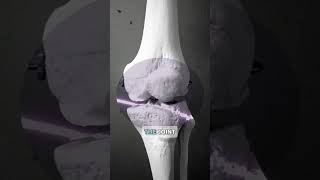
Dr. Joshua John-Ram Schacter explains how cortisol affects joint pain differently depending on timing. Short spikes from exercise or cold plunges reduce inflammation, but chronic elevation causes systemic inflammation and makes pain worse. Steroids work similarly in treating arthritis, though repeated injections can damage joints.
Chapters
So cortisol in the short term can be a really positive thing.
Cortisol. Very short bursts of cortisol, like after you work out, or maybe after you have a stressor, like a cold plunge or a sauna, you'll get a little burst of cortisol. Cortisol actually works on the inflammatory cascade and blunts that inflammatory cascade. That's why we use steroids in things like rheumatoid arthritis. That's why it's so popular to inject steroids into arthritic joints, because it helps with inflammation. Unfortunately, those steroids really destroy the joint when we inject them. And cortisol itself, if we have a long term release of cortisol, and that really creates a simmering inflammation in the body, it also suppresses our ability to deal with pain. Being stressed out makes you more susceptible to pain. So cortisol, over a long period of time can be a really, really bad thing.