A Conversation about Functional Medicine with Dr. Elizabeth Boham
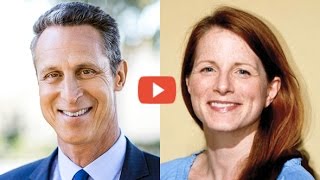
Dr. Mark Hyman talks with Dr. Elizabeth Boham about functional medicine, which treats chronic disease by looking at root causes rather than just symptoms. They discuss personalized nutrition, detoxification, and how this approach applies to cancer prevention and women's health.
Hey everybody, it's Dr. Mark Hyman, welcome, and I'm here with my good friend and colleague, Dr. Elizabeth Boham, who is my colleague and partner at the Ultra Wellness Center. Now she's an amazing doc I've known for almost, God, decade and a half maybe. And she is board certified in family medicine, she's on the faculty of the Institute for Functional Medicine, she's certified, and not only that, she's a registered dietitian, she was trained in exercise physiology, she's the perfect doctor. She's an MD, an RD, and an expert in exercise and physiology. She came to work with me here starting in 2007. We deal with a lot of complicated challenging cases. We were just kind of chatting about one before. Like I did, I had a personal challenge with mercury poisoning, chronic fatigue that led me to figure out how functional medicine works. Liz also had the same challenge. When she was 30, she got diagnosed with breast cancer. discovered how hard it was to figure out the health care system, how she needed to think differently about her health, and you know it makes her an amazing doctor but it also allowed her to figure out really what's going on. So I'm thrilled to have her here sharing her with you all on my podcast and with my community because I think she can share so much with us. So I know we covered a little bit in the intro Liz, but tell the audience about your background. How did you decide to become a dietician and a doctor and how did you end up Learning about functional medicine.
Yeah, thank you so much, Mark. It's so great to be with you today and to be here with all of you. Yeah, so I was always interested in nutrition. I wanted to figure out about how through diet I could have better performance in athletics and sports. And so I went to school, my undergraduate degree in nutrition and exercise physiology. Then I got my graduate degree in nutrition and my registered dietitian. And I worked for a while in the field of nutrition. And then I said, you know what? I want to figure out more about how the body works and what we can do to stay healthy and well. And so then that's when I decided to go back to medical school. And when I finished my medical school training, I did a residency in family medicine and I was working in a practice and luckily got a great job at Canyon Ranch in Lenox, Massachusetts. And that's where I met Mark, thank you, and Kathy Swift.
Now you even came during your residency, right?
Yeah, actually I did, you're right, a rotation there first. And you actually still had short hair.
Right, because you just had your cancer treatment, right? Exactly, I was just, my hair, it.
Was just wild, you know, when you go through chemotherapy and then the hair comes back in and it's so, as many people know, it's so different and it's softer and it's kind of curly. So it was kind of cute actually when it was short. I don't think it'd be as cute now because it's so straight. The curl was nice. Yeah, that's when we first met. And that's when I started to learn about functional medicine, which was like, wow, to me it was amazing. It was like, this is a great way for me to put together my nutrition background and my medical school training and work to help people stay well and help to both reverse disease and prevent disease. And so it really was a.
It.
Was really a wonderful opportunity that I got to come to Canyon Ranch and meet you and learn about functional medicine and then move with you over to the Ulta Wellness Center.
So great. Yeah, so you had to figure out how to navigate the healthcare system when you had breast cancer and you learned a lot and it also led you to figure out how to talk to women about their health and particularly around breast cancer and what women can do to prevent it. So how was that whole experience for you and what did it teach you and what has it led to you figuring out to tell your patients and really build their health.
Yeah, I think there was a couple of things that really I learned about when I was going through a diagnosis myself. One was just how, you know, it taught me a lot about this continuum of health because all of a sudden I thought I was this healthy person and then I get this diagnosis and somebody's telling you you're sick. And that sort of hits you really hard and I couldn't understand that for a long time. And then I started to realize, well, we all have this continuum of health, right? We're on one end it may be optimal, we're in optimal health and the other end sickness, but there's a lot in between. And so what I always work with myself and all my patients on is how do we get more toward our personal optimal health? And that may be at times we have some diagnoses in place, right? But that's okay. We can each work toward our optimal personal health. The other thing I think that I learned a lot about when I was going through treatment and navigating through the healthcare process was the healthcare system was just how it was very important for me to take charge of my own health. And there was a lot that I could do. There was so much that I could do to keep to help myself heal through this process. That I couldn't just sit back and say, okay, what is the doctor need me to do? Which I did. I did a lot of what they told me to do. But I also had to work on my own healing because there were things that were out of balance in my body that I learned about as I learned more about functional medicine. And it was really important for me to be an active participant and And I used a lot of different modalities. I worked with an acupuncturist, which was really helpful. I did a lot of work with a Reiki provider, which was so helpful. I did a lot more with meditation. I knew I had to really work on the way that I could calm down my own body because that had such a big influence on how it could heal.
Yeah, that's true. Yeah, it's amazing. You have to then just go through something to figure it out for yourself.
But.
It'S tough, most of us, hopefully, don't have to do that. It kind of reminds me of this friend, I think you know her too, Kris Carr, who had cancer and she's like, I had to start a new company called Save My Ass Technologies Incorporated. What a lot of us sort of don't really learn. I mean, we go to the doctor and we have to be just sort of passive and do what they say. But actually in functional medicine, it's very participatory. The patients have to actually engage. change their lifestyle and their diet, because those are things that make the biggest difference. So if someone comes in with breast cancer, wants to prevent cancer, what are the most important pieces of advice you give them?
Absolutely. I think that there's some of the top things that we know about that can prevent our risk of cancer and reverse cancer in our body many times and help our immune system get strong. The first thing is we got to get rid of the added sugar. We got to get rid of that added sugar. that can help cancer grow and it's so pro-inflammatory for the body. We want to work on balancing our blood sugar and our insulin levels. Mark, you have books to teach everyone how to do that, which is wonderful.
Thank you.
And cruciferous vegetables are wonderful. Everybody can add in a serving of cruciferous vegetables every day to help the body detoxify and that's really important in terms of cancer prevention. Daily movement and exercise, so many studies showing that when women exercise, even when they're going through treatment, it may not be at the same level as they could exercise before, but when they're doing movement and getting outside and exercise, that really helps with survival. And of course, giving the body time to rest and recuperate. But then I also learned, when I got to understand more about functional medicine, how all the systems in the body were influencing my risk and my patient's risk for getting forgetting cancer, right? So we learned about how the digestive system and the microbiota influence how we eliminate toxins from the body, how we process our hormones, and that influences our risk, or how other sources of inflammation in the body influence our risk. So I think that's what's important when somebody comes in to our office, right? And we're looking at their risk of cancer, or if they have cancer, we're looking at all the different systems because that has a big influence on how they heal?
No, it's true. It's like you go to the regular cancer docs and it's scary sometimes how much they ignore nutrition and the other factors that are driving it. We know that sugar is a huge driver of cancer, right?
Oh, yeah. I mean, that's so proven. Everybody knows that, right? So oncologists are even using medications like metformin or insulin sensitizers. We all know that.
But they'd still tell me tons of carbs, though.
I know, it's crazy. I had a patient the other day, she was a woman who had breast cancer and then she was coming to see me after it had recurred. And she said to me, she said, you know, nobody told me that I should make any changes. Right. And that's such, that's a shame, right? That's, that information is not getting out there.
Let's try to have three different cancers and all they're doing was checking her, like tracking her. I'm like, Is there anything I do so I don't get it again? Right. So we found all sorts of stuff to deal with to actually help get our body in balance, to fix your nutritional status, deal with the things that were really driving a lot of the risk. So it's really super possible. So you actually created a program for people to help actually deal with either both prevention of breast cancer and even if you had it, what to do to help not get it again and help support your systems of breast wellness. dvd, right?
Yeah, I put together a dvd over the last year, which is really fun. I did it with Heidi Speer. And, you know, I go through all of the functional medicine approach to breast wellness. So really talking about how inflammation is so important and how we need to lower that inflammation in our body, how we need to, how we can create a healthy terrain in our body so the cancer is less likely to grow. And we really can through all different things we're talking about with the sugar and balancing the blood sugar and lowering inflammation and making that oil change in terms of the food that you're eating. And then Heidi takes people through three different meditations, which are lovely. One's a gentle yoga meditation and a couple other meditations that people can do every day because we know that that is so powerful for strengthening the immune system, your natural killer cells, and that has a huge impact on your healing as well.
Totally. So, you know, I know we deal with a lot of patients here, and I talked a lot about how I deal with my patients here at the Ultra Wellness Center. And, you know, you've been doing this with me forever. And, you know, maybe you can sort of from your perspective share with people why functional medicine is so critical for dealing with both treating and even preventing chronic disease and why people get so much better when they use this approach compared to traditional approaches?
Absolutely. If we just focus on naming the disease and then matching that disease with a medication, we're so often missing the mark. If we can get to that underlying root cause, then we can really figure out how to make somebody healthy and well. If you take 10 people with diabetes, you have 10 different reasons for why that occurred for them probably. And so you need to, if you can figure out for each individual person what their risk factors are, what their imbalances are, you can figure out what you need to remove, right, and what you need to replace. Then you can truly have healing occur. And that's why it's so powerful. We see really so much better improvement when we're really looking and working with that individual patient and what their risks are.
It's so true. I just had a patient today I've seen for years who had type 2 diabetes, a skinny little lady. I couldn't figure out why. It turned out she had mercury poisoning. We got her mercury levels way down and her diabetes went totally into control. Right. You know, another one had like terrible gut flora problems. I gave her treatment for her gut flora and any fungal she lost 17 pounds by changing her gut flora, you know, without having success having changed her diet before. So it's amazing when you actually start to look at the root cause, what you find. Let's talk about some of your cases here when you treat people at the Ultra Wellness Center, like women's health, like what are the cases, some of the typical cases you've seen with women's health that you've seen amazing results with?
We work with so many different people at the Ultra Wellness Center. We have people who come in for prevention and wellness to people who are really sick with chronic fatigue or a lot of infections going on. I think what's so we'll do things with, we have women who will have thyroid imbalances or they're going into perimenopause time or menopause time and that has a big impact on how they're feeling or their level of fatigue. What I find so amazing is when you work with people who come in with fatigue and we get so many people who come in with fatigue and you work with all the different systems in the body. And that's when you see huge improvements. Sometimes they need a little bit of They're B12 deficient and they're not digesting their protein well, and so they've got some low amino acids and they may be low in iron or their hormones may be out of balance. And when you address all of those things together, that's when we see true healing and people get better and they feel better.
It's true. And women's health is so amazing. We both worked at Canyon Ranch and that's where the bulk of patients we had were. We saw people with PMS and fibroids and menopause and heavy bleeding and cramping and breast cyst tenderness and all these different issues that women seem to think they have to just suffer along with. And when you actually fix these functional systems in the body, when you get their gut healthy, when you optimize their diet, when you treat their hormonal imbalances, it's amazing.
Detoxification.
Yeah. I think when they say women, 75% of women have PMS and like, That is, people suffer from that. And it's like, it's such an easy fix when you figure out how to just tweak these systems and use some herbs and some simple things. It's pretty amazing, actually. I feel bad because I think not enough people get to take advantage of this, which is kind of why we're sharing about this so more people can learn about it and come and check in. So what about kids? We work with kids here at the Ultra Wellness Center. and like we did a Facebook live the other day and we talked about kids with autism and we see a lot of different kind of kids here with all kinds of issues. How do you feel like, you know, this approach works for kids?
You know, I think that this approach works for everybody, right? So often a kid will come in and they'll have eczema and they're putting Steri-Cream all over their body and you just take them off of a few foods and put them on some fish oil and maybe a little vitamin A and you see these tremendous improvements in their skin, right? And autism is really, I think, such an amazing, interesting process that's going on in certain people's bodies, which really is really, you know, functional medicine, the functional medicine approach, which works so well in this area. I don't think a lot of what we're doing outside of functional medicine is really, I mean, there's some therapy, but it's not really. Not doing much. And functional medicine is really looking at the metabolism in the body and all the systems in the body and how that's influencing that brain development. And we work on lowering inflammation and we change diet. Sometimes we just take people off of gluten and dairy and the kids really respond. We always have to pay attention to the gut microbiota. So many kids on the spectrum have these imbalances or dysbiosis, the imbalance in their gut microbiota. influencing their brain.
And.
We pay attention to B vitamins and methylation. And we were talking the other day about the folate receptor antibodies that can block the folate receptor in the brain and influence normal brain development. So if we can test for that, we can find things that can help with improving brain development and communication and connection. with the world. It's pretty amazing to see. I find those cases so amazing because sometimes there's such dramatic improvement.
It's unbelievable, right?
Yeah, it can be unbelievable. We can make such a difference, which is so rewarding.
And then there's also other kids who have other issues. I saw a kid the other day who had like, he was a young athlete, basketball, but was just always sick. I had asthma, on inhalers, on antihistamines, always having stomach issues, irritable bowel, just like kind of feeling crappy, just pushing through it. Smart, great kid. And, you know, turned out he had, you know, some food sensitivities. We cleaned up his diet. I gave him any fungal, like, for a month. And it was like, the kid came back two months later. He's like, well, I'm perfect. Like, I'm like, what do you mean? You had all these different things. And I'm like, Yeah, my asthma's gone, my allergies are gone, my gut's normal, I have tons of energy, I can race down the basketball court without wheezing. It's pretty stunning. These are people who are treated by the best doctors and the best hospitals who are using a really an outdated model of thinking about the body, which just treats symptoms and not causes. It's so powerful. This other case we were just chatting about before, Liz's dementia case, and you've had probably a lot of them too. Here's a 61-year-old guy who basically had Lyme disease, he had dementia, but he was being told, basically, get his affairs in order at 61 years old. He had Lyme disease, and Ehrlichia, and Babesia, and all these tick infections. He had high heavy metals, he had mold exposure. He had all these different issues that no one had found out. I think by treating them, we're reducing the inflammation in his brain. We're going to help him recover, I believe. It's stuff you don't see with traditional approaches.
And even simple things, I mean simple things like iron deficiency and B12, they're missed all the time. B12 and iron deficiency, I'm amazed at how often they're missed and they're not treated and how much of a difference that makes in people's lives.
It's true. Yeah, the nutritional, the fish oil deficiencies, omega-3s, vitamin D, magnesium, iron.
Yeah, we're so deficient because of our Standard American, the sad diet, right?
Yeah. So we test for all that here. We do all the diagnostics. We look deeply into what's going on with people. We find what's wrong. We fix it. Pretty amazing.
Look at genetic testing and genetic variations, which have a huge impact.
A lot of times people are thinking, Wow, that sounds like a lot. How do you help people support these changes when they're worried or they come in and they're like, Where do I change their diet? doing all these things, how do you support them?
Well, you know, I think that the first thing, one of the things that's so important that in terms of when we're doing functional medicine and how different it is from conventional medicine is the time that we take to get a good history. Because that gives us a bunch of different information, right? If we take the time to get a good history, then we can figure out what is that underlying root cause or root causes for that person's imbalances in their body? What do we need to remove? What do we need to replace? And how do we need to change the diet? And we always work toward getting people on a healthier diet, but making specific changes can make a huge difference for some people. So really, where do we need to really focus in terms of changing the diet? And when you get that right, when you take the time to get a good history and figure out that person's underlying imbalances in their body and you get it right, they feel so much better.
So fast, right?
So quick, right? And so I think sometimes people come in and they're overwhelmed. They're like, oh, I've got to make all these changes in my diet. Oh, am I ready? And when you have to tell it, you're going to feel so much better. And sometimes the first week or two is tough. You're getting rid of the caffeine and the sugar and you feel crummy. But then you often feel so much better and I think that it's important for us to really let them know how quickly they can improve and that's, they get them motivated and get on.
Board and- that's true and it's just taking time to put it all together, right? Like in helping people know what's important.
Yeah.
Yeah, I saw a patient this morning.
And what do they need to focus on, right? For that individual person, what do they need to focus on?
Yeah, sometimes it's so simple. Like today I met someone who came in and she had chronic constipation so I wouldn't go for days and days a week and tried everything. And, you know, I looked at her history, and she had, like, low thyroid, and her antibodies to thyroid were elevated, and, like, no one had treated her, which is such a simple thing. And she had all these yeast issues, which can also cause constipation. She had ringworm and toenail fungus and vaginal yeast infections, and, like, she'd been on all these antibiotics, and, like, no one thought to treat her yeast issues. And those are just, like, simple things, but. It can make such a huge difference for people.
Absolutely.
So one of the questions I get all the time is, what do you eat, Dr. Hyman, and how do you stay so healthy? So how about you? What does your typical diet look like?
Oh boy. Okay, so let's see. One of my favorite breakfasts is poached eggs, and I have it on a bed of greens. So that's one of my favorite breakfasts. It helps me, have a lot of good energy during the morning. I think back, I always think back to when I was in college, right? And we used to go out for pancakes and have orange juice. And then it was hard for breakfast. Headache? For breakfast, yeah. And we get a headache and be like, man, we have pancake headache or we never figured it out, you know, now. And I'm like, you know, so you have the eggs and butter greens and I got good energy for the morning. That's like one of my favorites. Lunch I often have a salad with some you know, good olive oil on it, some chicken and nuts and some berries or an orange. One of my favorite dinners is some wild caught salmon with broccoli and mushrooms. Mushrooms are so great for our immune system function. So love having lots of mushrooms and some vegetables this time of year. It's really great. Yeah, that's one of my typical days.
That's good. You know, it's like we have to think it has to be so complicated to eat well and so difficult and it really isn't, you know. If I could change like one thing in the American that would be stop having dessert for breakfast, basically. Oh, right. People like have, you know, muffins, bagels, donuts, you know, they have French toast, pancakes, like yogurt, which is full of sugar, like between yogurts.
It's just so... Yeah, and no water, they have no energy during the day or they get a headache a few hours later and they can't think straight. And I was the same way. I mean, I had gone through school for nutrition, you know, I mean, and I was like, oh, well, it's pancakes.
And orange juice and oh my goodness. And I was like, why do I feel so crummy? That's what you learned in dietitian school. Yeah, it's pretty scary actually out there. I mean, we were talking about cancer and I had this guy come who's from MD Anderson. who was a radiation oncology doc, who was one of the top guys there. And that's like the number one cancer hospital in the world, pretty much. And he said, you know, he was super into all this sort of diet, reading the high fat and low carb. And he said, you know, trying to get the dieticians there to tell people to stop eating all this starch. Like they're telling them, don't lose weight, eat like starch and sugar and it's all feeding the cancer. And it's just, you know, such an incredible change when you do the right thing. It's a challenge because people are often getting the wrong advice. It's sad. There's a lot of great things about traditional medicine, but for people who are chronically ill or whatever, it's tough. We see a lot of these people here. One of the things I joke and I talk about is what I call FLC syndrome. That's when you feel like crap and people can't figure it out. How do you sort of approach those patients?
Yeah, so you know how we were talking before about that history and how important that is to spend the time to really gather that history from that patient and their timeline. What is their timeline? When did they first start feeling like crap? When did they, what was going on at that time? And really talk, you know, getting all that information. That's where you get all of that. That's where you really can figure it out. And And we get patients all the time that are feeling like crap and we just, you know, with changing diet, sometimes it's so simple as just changing diet, right?
Food is the biggest drug, right?
Yeah. Food is medicine. And it really makes a huge impact. And then sometimes, as we were talking about before, there's nutritional deficiencies which we see so often. People aren't digesting or absorbing their food well because they've got imbalances in their gut or infections in their gut. and that makes a huge impact as well in terms of how well they feel and their energy and working to really strengthen their immune system and their detoxification system. And it's amazing how well people can really respond to that.
Yeah, it's true. Again, we deal with toxic load, like heavy metals, we look for tick infections, we deal with gut issues, we deal with food sensitivities.
Yeah, so like you were talking about before with the person with high mercury, right? And how I had a person the other day and they were always always sick, always sick, always getting flus and colds and flus and colds and, you know, on antibiotics three times during the winter.
And.
Then we realized that they had this high level of mercury in their body. And once we removed, you know, got rid of, they had a bunch of amalgams that we had to get removed and then slowly helped their body support their own detoxification system. And then with this person we had to also Give a little bit of a chelator to pull out the heavy metals. And you know what? Their immune system is working great now. They're not getting sick every, you know, couple of days.
It's true. Every winter. Yeah, so true. I remember the woman I had yesterday, she was like 52, she was depressed, she was tired, she had brain fog, she couldn't function, she couldn't sleep, she had insomnia. Tender to the mercury was like 160, which is sort of off the chart. And we got her mercury down, we got her fillings out, and she's like, I just talked to her, she's like, I'm a new person. She says, I sleep, I have energy, more productive than when I'm 52 than I was in my 30s. My brain is sharp. It's stuff that we just miss as traditional doctors. And when we were trained to do the traditional things, we're really not trained to be detectives. So it's kind of what we do here at the UltraWellness Center. We sort of are detectives, medical detectives like Dr. House, but real Dr. House.
And you told me for years you told me, you got to get those amalgams out, Liz. You got to get your amalgams out. And I'd be like, yeah, yeah, yeah, yeah, yeah, yeah. So, and when I did, I was like, well, my testing showed that I really needed to get them out. And when I did, I was amazed at the difference that it made in terms of my ability to focus and my energy and, you know, making those connections in the brain. It was pretty impressive.
Yeah, it's impressive. Yeah, a woman yesterday, she was like, I had rheumatoid arthritis for years. She was in a wheelchair. She came here within three weeks, she was out of her wheelchair, changing her diet, riding her bike, which is pretty amazing. But then she had all these feelings. I said, this is part of the treatment. We need to get your metals down. She said it was a miracle. When she got her feelings out, she just felt so much different, so much.
More energy, less pain.
Rain fog was like, amazing. Yeah, so it's amazing. This is pretty awesome, Liz. And thank you for sharing your knowledge with us. If anybody is out there listening who's sick, who doesn't feel great, who is looking for hope, what do you want to share with them?
Well, you know, I think the two biggest things to think about, one, remember that continuum, right? Your continuum of your health, because, you know, there's so much you can do every day to go get toward your optimal health. And you want to be a real big part of your healing process. You know, just don't wait till the, you know, the doctor tells you what to do. You've got to be an active participant, right? You want to be an active participant in terms of changing your diet and making it healthier and movement and rest and stress reduction. I mean, that's really key for healing. Oh, and the gratitude journal. That's like my favorite thing.
That's a good thing.
Yeah.
Looking for what's right instead of what's wrong with life, right?
Absolutely. That was something I started 17 years ago when I was diagnosed and it was It was amazing because it changed my brain in this way. I can't even explain it. It helped the fear go away, that fear of death and sickness and cancer. It helped the fear go away and it helped the anger go away. It's a powerful tool that we can all do.
Sort of a way to choose love instead of fear. It's powerful. It's a great practice. All right. Well, thanks for joining us, Liz. If you want to learn more about Dr. Boham, check out her website, drboham.com, DRBOHAM.com or visit us at the Ultra Wellness Center. You can learn more about our practice and how we deal with chronic disease. Get an appointment with Dr. Boham or one of our other docs here. We've got a great team, physicians and nurses and nurse practitioners and physicians assistants, nutritionists.
It's just an awesome group and hopefully we'll see you here. Thanks, Liz. Thanks for having me.
More from AI




This Is Why 99% of Skin Conditions Don't Heal — And What Dermatologists Won't Tell You






Why you need to start strength training today #strengthtraining #healthyaging #fitness
