Brain Fog, Fatigue, and Anxiety: Could It Be Mold?
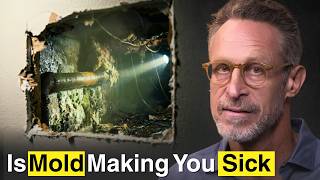
In this video Dr. Mark Hyman discusses mold‑related illness from a functional‑medicine perspective. He begins by clarifying that mold exposure, mold allergy, and biotoxin (chronic inflammatory response syndrome, CIRS) are distinct concepts, and that not everyone exposed to mold becomes sick. He outlines the wide‑range of multisystem symptoms—neurologic (brain fog, memory issues, dizziness), fatigue, respiratory (sinus congestion, cough, asthma), mood (anxiety, depression, irritability), and hormonal/immune disturbances (histamine reactions, skin rashes, hormone disruption). He explains why two people in the same environment can have very different outcomes, emphasizing genetics, overall toxic load, immune health, and the duration/intensity of exposure. He then reviews how to suspect mold involvement: symptom timelines, patterns of feeling worse indoors, musty smells, hidden water damage, and the limits of both environmental testing (ERMI, HERSSTI, mold dogs) and medical testing (inflammatory markers, mycotoxin panels, CIRS biomarkers such as C4a, TGF‑β1, MMP‑9, CRP). Practical guidance follows: first, eliminate or reduce chronic exposure by fixing leaks, improving ventilation, and using qualified remediation; second, bolster the body’s resilience with adequate sleep, anti‑inflammatory nutrition, gut health, gentle movement, and nervous‑system calming techniques. He cautions against panic‑driven over‑testing or extreme detox protocols, recommending a balanced, individualized approach with qualified practitioners. The video ends with a brief FAQ (mold and anxiety, hormones, air purifiers, natural detox, PICO protocol, antifungals, black mold, when to test a home) and a reminder that mold can be a real contributor for some, but health is always a holistic interaction of environment, diet, sleep, stress, and relationships.
Chapters
Is mold making you sick? Brain fog, fatigue, sinus problems, anxiety, hormone changes, weird symptoms no one can fully explain. Well, more and more people are asking the same question: could mold be making me sick? And the truth is, mold can absolutely impact your health, but it's also one of the most misunderstood topics in wellness and medicine, actually, right now. On the one side, mold illness is often dismissed completely entirely by traditional doctors. On the other hand, The internet can make it sound like every symptom, every headache, every bit of fatigue is caused by toxic mold exposure. The reality is more nuanced. Not everyone that's exposed to mold gets sick, and some people develop mild allergy symptoms while others can experience more significant inflammatory or nervous system-related issues. I almost died from it. I get it. It wasn't fun. And I had a barn that was from 1898 that was full of mold, and I, I got quite sick. So I, I know the full spectrum of this as a doctor and as a patient. But a lot of things can affect how sick you get from mold. Your genetics, your overall immune health, your toxic burden, and also the type and the duration of exposure to mold all play a role. So today we're breaking down what mold illness actually is, the difference between mold exposure, mold allergies, and biotoxin illness, and how to recognize when mold may truly be affecting your health. And most importantly, what practical steps you can take without falling into fear, panic, or misinformation. Before we get into symptoms and testing, it's important to understand what we actually mean when we say mold illness, because people often use that term to describe several very different things. First, mold itself is not inherently abnormal. Mold exists naturally in the environment. It's indoors, it's outdoors, in soil, in the air. We're exposed to mold all the time. The real issue usually isn't mold in nature. The problem tends to be chronic mold exposure in water-damaged indoor environments—homes, offices, schools, apartments—especially spaces with poor ventilation or hidden moisture problems. And this is where things get nuanced because not everyone responds to mold in the same way. Some people may live in a moldy environment and have very few symptoms or no symptoms, while someone else in the exact same house develops fatigue, brain fog, respiratory issues, and chronic inflammation. That's why it's helpful to separate mold-related illness into a few different categories.
This episode is brought to you by Function Health, empowering you to live 100 healthy years with over 160 lab tests for just $365 a year.
And use the code MARK2026 to get $50 off your membership. Mold exposure. Well, that's first, simply is just that, right? It just means you come into contact with mold spores or mold fragments in the environment. That exposure may or may not cause symptoms. And honestly, It's very common and often temporary, and your body's designed to encounter environmental microbes, including mold. Exposure alone does not automatically mean illness. Then there's mold allergy. This is more of a classic immune or allergic response, similar to how some are allergic to pollen or dust or pet dander. Symptoms might include sneezing, congestion, itchy eyes, watery eyes, sinus problems, coughing, asthma flares. And for many people, this is the primary way mold affects them. And then there's biotoxin illness or mold-related chronic illness. This is the third category where things become more systemic and more complex. And this is what people are usually referring to when they talk about mold illness or mold toxicity. In some individuals, chronic exposure to water-damaged buildings and environments can contribute to widespread inflammation and nervous system dysfunction. This can potentially affect brain, immune system, hormones, energy production, mitochondria, the nervous system. And everything. And this is where, where symptoms become much more confusing because people may experience things like fatigue, brain fog, anxiety, sleep issues, histamine reactions, which is chronic inflammatory symptoms that don't always fit neatly into one diagnosis. But it's important to stay balanced here. Not everyone with mold exposure has mold illness, and not every unexplained symptom is mold. That's one of the biggest mistakes happening online right now. People are either dismissing mold completely, or they're attributing every chronic symptom to mold without looking at the bigger picture. The reality is that mold can absolutely be a contributor to illness for some people, particularly in the setting of chronic exposure and underlying susceptibility, but it's rarely the whole story by itself. Now, one of the reasons mold-related illness can be so difficult to identify is because It often doesn't look the way people expect. Most people think mold exposure only causes respiratory symptoms, maybe sneezing, congestion, allergy-like reactions. And while that can absolutely happen, mold-related illness can also show up in a much more systemic way. That's why so many people go years without connecting the dots. They don't necessarily feel acutely sick. They just don't feel like themselves anymore. You get neurologic symptoms. That's a big one. It's one of the biggest categories we see. It involves the brain and nervous system. And people often describe brain fog, trouble concentrating, memory issues, dizziness, headaches, light sensitivity. And what's interesting is that many people don't immediately think of their environment when those symptoms show up. They assume it's stress or aging or burnout or hormones or lack of sleep, but chronic inflammatory exposure can absolutely affect the brain and the nervous system. I've had patients say things like, I feel like my brain just stopped working, or I don't feel sharp anymore. Sometimes these symptoms improve dramatically once the exposure is addressed. Another big category is fatigue and energy issues. And this can look like chronic fatigue syndrome or waking up exhausted, poor exercise tolerance, crashing after physical activity, needing lots of caffeine just to function, disrupted or unregulated refreshing sleep. A lot of people describe this feeling of pushing through the day while their body feels depleted underneath. More importantly, this isn't always relieved by more sleep or rest. And then there's respiratory symptoms. People absolutely do experience classic respiratory symptoms, including sinus issues and congestion, chronic coughing, wheezing, throat irritation, recurrent sinus infections, asthma flares, especially when symptoms worsen at home or in a particular building or during certain seasons. It's gotta be worth looking at your environmental exposure as part of the picture. And then there's a whole other category of nervous system and mood symptoms. This category really surprises people a lot. Mold-related illness can sometimes show up as anxiety or panic attacks or irritability or mood changes. It can be depression, feeling wired and tired, that weird combination of exhaustion paired with nervous system hyperactivation. It's something we often see in chronic inflammatory states. People may also feel overstimulated or sensitive to stress or unable to calm down, but also deeply fatigued at the same time. Because these symptoms are psychological or neurological in nature, many people are told, well, everything just looks normal, or maybe it's just stress. And stress absolutely matters, but sometimes there's also an underlying physiological trigger contributing to the picture. And then there's all these hormonal immune symptoms. We also sometimes see mold-related illness affecting the immune system and the hormone system and include histamine reactions, skin rashes, increased sensitivities to food or other things, autoimmune flares, hormone disruption, worse menopause symptoms, irregular menstrual cycles, inflammation. It's just difficult to calm down. Again, none of these symptoms automatically mean mold is the cause, but when multiple systems in the body seem dysregulated at the same time, it's worth stepping back and asking, could there be an environmental component here? Because one of the defining characteristics of mold-related illness is that symptoms are often vague. They're multisystemic. They're difficult to explain through a single diagnosis. People know something feels off, but their standard labs may still come back quote normal. And that can be incredibly frustrating for patients because they begin to doubt themselves. The key is not to jump immediately to mold as the answer for every symptom, but also not to ignore the possibility when the pattern and the history fit. Now, this is probably the biggest question people have around mold. Why can two people live in the exact same environment, and one person feels completely fine while the other develops fatigue, brain fog, anxiety, and chronic inflammatory symptoms? The answer really gets to the heart of functional medicine because health is a— never about one thing in isolation. It's about the interaction between the environment and the person. In functional medicine, we talk about the idea of load. Your body's constantly processing inputs, food, stress, sleep, infections, toxins, emotions, environmental exposures. At a certain point, for some people, the total burden exceeds the body's ability to adapt and recover. Mold illness is usually not about one thing. It's really about the interaction between the environment and the person. Now, one factor is genetics. Some people appear to be more sensitive to biotoxins than others. There are certain genetic patterns, including HLA-related immune variations, that may make some individuals less efficient at recognizing and clearing mold-related toxins from the body. Now, this doesn't mean someone is, quote, doomed genetically. I don't want people getting overly fixated on gene testing. Now, genes are not your destiny, but genetics can help explain why one person develops a chronic inflammatory response while another person in the same environment has minimal symptoms. Another huge factor is overall toxic and physiologic load. If someone's already dealing with chronic stress, poor sleep, nutrient deficiencies, gut dysfunction, blood sugar instability, processed food consumption, or other environmental toxins, Their resilience is already lower and the body has less reserve capacity. So mold exposure might be manageable for one person, but become the tipping point for someone else. And honestly, this is something I see all the time clinically. People aren't just dealing with mold, they're dealing with accumulated stress on the system from multiple directions all at the same time. Now, immune system health also matters tremendously. People with autoimmune conditions, chronic inflammatory issues, Lyme disease, co-infections, Long COVID, chronic viral activation. Well, they may already have an immune system that's dysregulated and hypersensitive. So when mold exposure enters the picture, well, the body can react much more aggressively. And again, this is why context matters. The same exposure can affect people very differently depending on the health of their immune and their nervous systems. And then there's the exposure itself. People often assume it has to be massive, like visible black mold covering the ceilings and the walls to create problems, but That's not always true. The bigger issue is often chronic exposure over time in water-damaged indoor environments. Could be hidden mold behind walls, a leaking basement, poor ventilation, HVAC contamination, an old office building, long-term moisture issues. And sometimes people don't even realize they've been exposed until after they leave the environment and they suddenly feel better.
There's a story men are told about testosterone. You get older, it declines, That's life. But that story leaves out the most important part. What I have seen is that most men with low testosterone in their 40s and 50s aren't just getting older. They have a metabolic problem. Insulin resistance can suppress testosterone production. So can chronic inflammation and poor sleep. And excess fat doesn't just sit there. It actively turns testosterone into estrogen. Now, low testosterone is a symptom. Not the root cause. If you don't measure free testosterone, SHBG, fasting insulin, and inflammatory markers, you're looking at only one piece of a much bigger equation. It's time to stop guessing. Check your health with Function. Function gives you access to over 160 lab tests every year, including advanced lipoprotein testing. It's time to stop guessing. Check your health with Function. Go to functionhealth.com/mark, and if you're one of the first 1,000 people this week, use the code MARK2026 MARK2026 for a $50 credit toward your $365 a year membership. That's functionhealth.com/mark and use the code MARK2026 today.
Now, to be clear, small or brief exposure doesn't automatically equal severe illness. This is where fear can become unhelpful. The goal isn't to become terrified of every hotel room or every old building or every bit of mold in the environment. Mold exists naturally in the world. The question is, is there chronic exposure in a person whose system is already overwhelmed. That's usually where we see the biggest problems emerge. And this is why functional medicine can be so helpful here, because instead of asking what disease does this person have, we ask what's happening in this person's environment, in their immune system, in their gut, in their nervous system, their overall biology that may be contributing to these symptoms. And that's a very different lens, often a much, much more useful one. So the next logical question becomes, well, how do you know if mold is contributing to your symptoms? And this is where I really want people to stay balanced and rational because there's a tendency to either completely dismiss mold or assume mold is the cause of every unexplained health issue. And the truth is diagnosing mold-related illness is rarely straightforward. There's really not one perfect test or one perfect symptom or one perfect answer. Instead, we look for patterns. Looking at the timeline is so important. And I'm going to often ask patients, when did your symptoms start? Did anything change in your environment around that time? Did symptoms worsen after moving homes or starting a new job or renovating or spending time in a certain building? Sometimes people notice, I started feeling sick after a flood, or I felt dramatically better when I went on vacation, or every time I'm home for a few days, my symptoms flare. Those patterns matter, not because they automatically prove mold is the issue, but because they help understand whether the environment may be contributing. Another thing we look at is the condition of the building itself. And importantly, visible mold is not required for there to be a problem. In many cases, the bigger issue is actually hidden water damage. That might include leaks behind walls, past flooding, poorly ventilated bathrooms, damp basements, condensation problems, contaminated HVAC systems, roofs. Or plumbing that have been leaking over time. One of the biggest red flags is persistent moisture because mold needs water to thrive. And honestly, sometimes the strongest clue is simply a musty smell. I'm like a mold dog. I walk into a building and I can tell you if there's mold in there. People often ignore that, but your nose can be a pretty good direct detector of mold growth. Another pattern people notice is feeling worse indoors and better outside or away from the environment. Again, none of these things alone confirm mold illness, but together they help build a picture. When it comes to testing the home, this is where things can get complicated quickly. There are tools that people might hear about, like the ERMI test or HERSSTI scores, moisture assessments, visual inspections, indoor air quality testing, even mold dogs. And they actually work and they can be useful, particularly when there's water damage that's known or chronic unexplained illness. But I think it's important not to over-interpret a single environmental test. A house can have mold spores and not necessarily be making someone sick. On the flip side, a home may appear relatively normal on testing while still having hidden moisture issues contributing to symptoms. That's why context matters so much. And honestly, one of the most valuable things is an inspection by someone who's experienced in water damage building, not just looking for visible mold, but identifying moisture problems. Now, on the medical side, this is where I come in, doctors come in. There's also no single definitive test for mold illness. Doctors may sometimes look at inflammatory markers or histamine markers or immune markers, maybe certain hormone patterns and mycotoxin testing. Now mycotoxin testing gets talked a lot about online. So I want to be careful here. These tests can provide pieces of information, but they also have limitations. They don't always tell us where the exposure came from, whether the body's actively reacting or whether the mold is truly the primary driver of symptoms. So I don't think people should rely on just one lab test in isolation to diagnose themselves. The most important thing is stepping back and looking at the whole picture, your symptom timeline, your environmental history, your immune health overall, your physiology, because ultimately no single test diagnoses mold illness. And that's one reason this topic can be so confusing and emotionally charged. And the goal isn't to hunt obsessively for mold everywhere, become fearful of every symptom. The goal is to thoughtfully investigate whether your environment may be playing a role in your health and then make practical, informed decisions from there. So other than looking at environmental testing, there are lab tests that we do use to assess mold exposure and your body response. There's a whole syndrome called CIRS, chronic inflammatory response syndrome. A lot of debate about it online. It's not perfect, but it can help identify certain biomarkers that are often elevated. And I've used clinically including a whole bunch of things I'm going to say, but you're probably not going to remember, like C4a, TGF-beta-1, MMP-9, MSH, osmolality, ADH, and CRP, and many and many other biomarkers that we can use to help identify how your system is responding. We can also look for mold toxins in the urine. We can look for mold antibodies, for mycotoxin antibodies. These are all things I use clinically to get a sense of what's going on with this person combined with an environmental history combined with testing of their house. And this gives me a more complete picture. And then I can decide if indeed this person I think has mold-related illness. So there are ways to get these diagnostics. Uh, we offer some of them through Function Health. There is a mold panel. It's not every single test that's available for this, but it's a good basic start to see if there's something going on and there's something rotten in Denmark. Uh, so to speak. So it's good to know that there are biomarkers we can use clinically, but again, it's, it's really the whole picture. All right. Let's talk about what to do if you actually suspect mold may be contributing to your symptoms. I want to start here because this is important. You don't need to panic, but you also shouldn't ignore chronic exposure. I think one of the biggest problems online right now is that people either dismiss mold entirely or they become consumed by fear. They're throwing away belongings, they're spending enormous amounts of money, they're trying extreme detox protocols, they're living in a constant state of hypervigilance. That level of fear itself can become deeply physiologically stressful. So the goal here is not panic. The goal is calm, informed action. Here's the first step: remove or reduce exposure. It's the most important intervention. You gotta get rid of the ongoing exposure. If someone is continually living and working in a water damage environment, well, it becomes very hard for the body to fully recover. And I, as a doctor, can't really treat them 'cause they keep getting exposed. This doesn't It doesn't necessarily mean you need to immediately leave your home tomorrow or tear everything apart overnight, but it does mean taking the environment seriously. And that may involve identifying leaks or moisture problems, improving ventilation, inspecting HVAC systems, addressing water damage, working with qualified mold assessment experts and mold remediation professionals if needed. Because at the end of the day, no supplement or detox protocol can fully compensate for continuous exposure. You have to address the source. The second step is to support the body's resilience and recovery systems. Honestly, this is where functional medicine becomes incredibly valuable because we focus on restoring the body's capacity to heal. That starts with foundational things that sound simple but are profoundly important. Sleep. Well, that's critical. The body cannot repair effectively without sleep, without restorative sleep. Nutrition matters too. People dealing with chronic inflammatory illness often need adequate protein, They need minerals, they need hydration, they need stable blood sugar, they need anti-inflammatory whole foods. I also pay close attention to gut health because the gut and the immune system are deeply interconnected. If someone has intestinal inflammation, a microbiome disruption, or food sensitivities or poor digestion, their overall inflammatory burden is often much higher. And then there's movement. For some people, gentle sweating, saunas, walking, strength training, or movement can support detoxification, and circulation. But this is important. People have to respect their capacity. If someone crashes after exercise, well, pushing harder is not the answer. Healing is about supporting the body, not overwhelming it. Now, there's another important piece of advice here, which is calm your nervous system. And this piece of advice is massively overlooked. Chronic illness, regardless of the cause, dysregulates the nervous system. When people feel sick for months or years without answers, well, the body often shifts into a chronic stress state. People become hypervigilant, hyper-aware of symptoms, constantly scanning for danger. Unfortunately, the internet can amplify that fear tremendously around mold. Now, to be clear, mold can absolutely be a legitimate contributor to illness, but fear itself also changes your physiology, affects cortisol, inflammation, sleep's health, immune signaling, nervous system regulation. So calming the nervous system is not just psychological, it's biological. It are practices like sleep regulation. Breathwork, mindfulness therapy, spending time in nature, social connection, nervous system retraining can all be incredibly supportive alongside addressing the environmental component. The body heals best when it feels safe. The next step that I want to strongly encourage people to do is to work with thoughtful, qualified practitioners who can help them look at the whole picture because mold illness is nuanced. And unfortunately, there are extremes on both sides. Some practitioners, while they dismiss it entirely, others immediately put people in expensive, aggressive protocols and endless testing. I think we need a much more balanced middle ground. You don't necessarily need dozens of supplements, years of detox protocols, or thousands of dollars in testing. What you do need is careful history taking, thoughtful environmental assessment, foundational health support, and an individualized approach. Because ultimately, healing is rarely about one magic test or one magic supplement. It's about creating the conditions where the body can recover. And for some people, addressing mold exposure can be a very important piece of that puzzle. All right, let's kind of go through some common questions quickly. Can mold cause anxiety? Yeah. Inflammation in the nervous system, dysregulation that it causes can contribute to anxiety. Can mold affect hormones? Potentially, yes, especially through inflammation and stress pathways. Do air purifiers help? Yes, they're helpful, but they're not enough if you've got a water damage building and yet not dealing with that. Can I detox mold naturally? Yes, you can. You need to get some support though. The body requires often binders and various things to help bind the mold toxins that continually recirculate in your body. It's not necessarily the mold exposure that's ongoing that's a problem. You get these small molecular weight mycotoxins that recirculate and create inflammation over time. And if you don't get those out of your body with binders and other things, you're basically not going to get better. Now there are more advanced protocols, something called the PICO protocol, which we'll put a link to in the show notes, which is very helpful. Essentially it's a phospholipid exchange that removes a lot of the toxins from your cell membranes and helps rebuild your cell fatty acid production systems called peroxisomes. It's a, it's a, it's a more complicated medical procedure, but it can be very helpful. And some people may need antifungals if they've got chronic mold exposure in their sinuses. So there's a lot of different therapies, but you really want to work with experienced mold expert who can help, help to do this. And next question is, is black mold the only dangerous mold? No, everyone— there's lots of molds. Should everyone test their home? Well, not necessarily. If you're not sick, don't test. If you don't think you have mold, don't test. If your body is fine, your house is fine, I wouldn't worry about it. But if someone's sick in your house and you don't know why, it might be worth checking. So as we wrap up, I want to leave you with a balanced perspective on all of this. Mold-related illness is real. For some people, chronic exposure to water-damaged environments can absolutely contribute to inflammation, fatigue, cognitive symptoms, immune dysregulation, and a whole bunch of health issues that are often overlooked or misunderstood. In lots of cases, it's missed for years because the symptoms are vague. They're difficult to capture through conventional testing alone. But at the same time, I also think that it's important not to swing too far in the other direction because everybody's consumed by fear and it's Not really necessary. Not every symptom is mold. Not every home is toxic. And healing is really about chasing one single root cause in isolation. What matters most is learning how to think about health more holistically. Your environment matters. The food you eat matters. Sleep matters. Stress matters. Your relationships, your nervous system, your immune system, all that matters. And mold, well, for some people, that may be one important piece of the puzzle. It's being ignored. The good news is the body's remarkably resilient when we create the conditions for healing. So if you suspect mold may be affecting your health, Approach it with curiosity instead of panic. Gather information, address what you can, support your body, work with practitioners who can help you think critically about what's going on, because ultimately the goal isn't perfection, it's understanding. The goal isn't to become afraid of your environment. The goal is to understand how your environment affects your health and what you can do about it.
What if brain fog, anxiety, and mood swings aren't simply all in your head? What if the health of your mind actually starts deeper in your body, in your gut, in your hormones, metabolism, and your immune system? Well, let me tell you, the connection is real and it affects how you think and you feel every single day. And that's why I created Brain Shaping Academy, a 6-week program that shows you how healing your body can help you heal your mind. Brain Shaping Academy relies on the same targeted nutrition and lifestyle strategies that I've used for 30 years to help my patients improve their mental, emotional, and cognitive health. So if you want to feel calmer, clearer, and more in control, and stay sharp and protect your brain as you age, Check out Brain Shaping Academy at drhyman.com/brainshaping. That's drhyman.com/brainshaping.
More from AI




This Is Why 99% of Skin Conditions Don't Heal — And What Dermatologists Won't Tell You






Why you need to start strength training today #strengthtraining #healthyaging #fitness
