Breast Implants Are Making Women Sick—Here's What's Happening
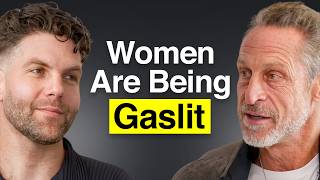
In this YouTube podcast, host AI Mark interviews Dr. Jonathan Kanevsky, a board‑certified plastic surgeon and data‑scientist, about the growing concerns surrounding breast implants. They discuss how many women experience a constellation of vague autoimmune‑like symptoms—fatigue, joint pain, cognitive issues—that are often dismissed by the medical community, a phenomenon Dr. Kanevsky calls "gaslighting." The conversation covers the spectrum of implant‑related complications: capsular contracture, breast‑implant‑associated anaplastic large‑cell lymphoma (BIA‑ALCL), and the broader syndrome now termed systemic symptoms associated with breast implants (SSBI). Dr. Kanevsky explains the biology of foreign‑body reactions, the prevalence of complications (up to 30 % of patients), and why he believes elective implants are unethical without a reliable way to predict adverse reactions. The interview then shifts to treatment options. Dr. Kanevsky describes explant surgery, the technical challenges of removing the implant and its surrounding capsule (on‑block capsulectomy), and the variable symptom improvement after explant (50‑80 % of patients report relief, though outcomes depend on psychological factors and whether the capsule is removed). He introduces alternative augmentation methods that avoid foreign material: autologous fat grafting, donor‑derived acellular fat (Alloclay), and emerging lab‑grown fat tissue. He outlines four fat‑transfer technologies—optimised in‑operatory technique, donor fat, ex‑vivo cultured fat, and cryobanked autologous fat—detailing their current availability, limitations, and future prospects. A major portion of the dialogue is devoted to Dr. Kanevsky’s "surgery as ceremony" framework. He argues that modern surgery has stripped away ritual, psychological preparation, and post‑operative support. His protocol integrates pre‑operative ketamine‑assisted psychotherapy to set intentions, intra‑operative music and mantra reinforcement, and post‑operative bodywork (lymphatic therapy, acupuncture, red‑light therapy, hyperbaric oxygen, peptide regimens, and targeted nutrition). He emphasizes the importance of addressing the mind‑body loop, using supplements (protein, zinc, copper, vitamin D, arnica, bromelain) and lifestyle factors (whole‑food, plant‑forward diet, avoiding blood‑thinners pre‑op) to enhance healing. The episode concludes with practical advice for patients considering explant or alternative augmentation, resources for Dr. Kanevsky’s practice (Instagram @drjon.k, website auraaesthetica.com), and a teaser for a forthcoming book on ending the era of breast implants.
Chapters
Women are being gaslit by the medical profession about breast implants. The gaslighting is essentially saying to women, these symptoms are all in your head, or take some Prozac, you'll be fine. I have seen many cases of women with severe illness correlated with their implants. What's even more impressive is when they take them out, they get better. Silicone comes from petroleum, so this is a petrochemical industrial product.
We have not changed the fundamental laws of biology, which is you put in a foreign object, it is going to have a reaction. Until I could predict who's going to have an adverse reaction breast implants. It seems completely unethical to be putting implants in for an elective procedure. The old paradigm of surgeons just cutting and leaving, I think it's done.
You call it surgery as ceremony. I'd love you to unpack that.
There is an altered state of consciousness, which is the medication that's used in surgery. You know, body keeps a score. It's trying to make sense of what's going on. For example, one patient, her mantra was like, I want to come home to my body. I work with a great team of lymphatic therapists that will help you land back in your body as you're integrating everything.
Today on the podcast, I'm joined by Dr. Jonathan Kanevsky. He is a board-certified plastic surgeon in Los of Los Angeles and a data scientist who advises Google and Neuralink. He is a leading voice in the treatment of breast implant illness, pioneering a transformative framework he calls surgery as ceremony.
So the big vision is that nobody puts an implant in ever again. This is the only place an implant should be, which is outside the body.
Hey, it's Dr. Hyman. I'm so excited to share this episode with you today, but before we dive in, I want to get your help. Please take a minute to hit that subscribe button, whether you're watching here on YouTube or listening on your favorite podcast platform. It truly means the world to me, and it helps my team and I bring you this podcast every single week. Plus, I don't want you to miss a thing. So thanks so much for being part of this community, and I'm glad you're here. John, welcome to the podcast.
Thank you.
You know, we've been friends for quite a while and talked a lot about regenerative medicine and health and functional medicine. But you come from the perspective of a surgeon. I deal more with the kind of biology stuff. Well, you do too, but in a different way. We've had many conversations about the topic of breast implants. And as a doctor seeing patients for now close to 40 years, and if you include medical school, it's, I don't know what the math is, 43 years. I would say that, that I have seen many, many, many cases of women with severe illness, chronic disease who've had breast implants. And it seems to be correlated. Can't say caused, but correlated with their implants. And what's even more impressive is when they take them out, they get better. And there, there's something in medicine called doctor years, which is like how many years of medical practice does it take to see X, Y, or Z condition? Like we both learned about a pheochromocytoma in medical school, which is a rare adrenal tumor. I've never seen one in 40 years. I'm assuming you've never seen one.
It's always on the differential, but I've never seen one.
And it's basically like a rare tumor. So it means like you, it doesn't happen very often. But if you see something over and over, and I'm just one doctor and I see it over and over and over. In fact, I'm dealing with a patient right now with a really severe autoimmune disease that's really resistant to treatment. We've tried everything. I don't start with removing your breast implants, but I'm like, listen, if everything else works that we do in functional medicine and we can't get you better, then we've gotta assume there's something that's toxic that's affecting you. And we know that the silicone in breast implants is, is definitely linked to adverse health outcomes. So you've spent your life, you know, training as a plastic surgeon. You're, you went to McGill, you trained in California for your fellowship. You've, you really are an expert in, in this field. And, um, you know, you're kind of a heretic because you're going against the orthodoxy of plastic and aesthetic surgery. We'll talk about the difference there, but you're basically saying that women are being gaslit by the medical profession about breast implants. Can you kind of unpack that for us?
So thank you first of all for having me on so we can talk about this.
My pleasure.
Such an important topic and, and the way that you dive into it's gonna be just so helpful. So this journey into questioning implants started about a decade ago. A plastic surgeon by the name of Gary Brody was— I remember still, I think it might have been 2010, so even more than 10 years ago, he presented on something called BIA-ALCL, breast implant-associated anaplastic large cell lymphoma. And I saw that for the first time in a conference in Vancouver.
And that's basically an immune tumor.
Yeah, it's a cancer that's associated with the implant. And so this very very rare type of cancer associated with implants was the first thing that sparked my curiosity. I was like, there's, there's something potentially wrong with these implants that patients are reporting.
Very rare.
Turns out it's more common now associated with implants. And fast forward a few more years, implants still are not banned, or, you know, there's no major warnings about them as, as this information is coming out.
I mean, the FDA still approves them.
It still approves them, now with a black box warning on all implants about a specific type of implant. But fast forward to— I'm finishing, I'm in the last year fellowship, and in one day I had close to about 3 patients that came in all saying, I'm concerned about my implants making me sick. I think my implants are making me sick. And I just, I just heard that over and over again.
Yeah.
And up until that point, the medical community, the post-surgery community by and large was saying, you know, it's, it's, these symptoms are so vague. They're kind of this constellation of autoimmune symptoms, like everything from fatigue to hair loss to joint pain, dry eyes is really fitting the constellation of autoimmune symptoms, but with no specific easily diagnosable rash signs. Yeah.
Even nervous system symptoms.
Oh, just, just everywhere. I mean, there's anxiety, depression, you know, just, just this, the, the constellation symptoms is so large and at times vague that it's hard to say, oh yeah, this is for, they call it BII, right? Correct.
Breast implant illness. But there's so much more than that. Yeah.
And it's even before that it was ASIA, it was autoadjuvant silicone-associated autoimmune problem. And then it's since been recategorized as SSPI, um, systemic syndrome associated with breast implants. Anyway, bunch of acronyms, but the etiology is the same. Something about the implant is causing a physical problem. I decided at that point, until I could predict accurately who's going to have an adverse reaction to breast implants, it seemed completely nonsensical. It seemed unethical to be putting implants in for an elective procedure.
Yeah.
That have potentially up to a 30% chance of a complication.
Yeah. Don't like getting a heart transplant because you need a heart. Yeah.
So it was just like this, This is strange until I can predict who's, who's going to have these problems and why I'm just going to stop using breast implants and focus on a safer alternative. And that's, that's, that was the, what launched me into this exploration of no more implants. Let's remove the implants and focus on a safer natural alternative like fat grafting.
So there's more to talk about and unpack about this, but the gaslighting is essentially saying to women, don't worry about it, or these symptoms are all in your head or take some Prozac, you'll be fine. And, and, and it's beyond just, you know, I kind of looked it up and I was preparing for the podcast, but up to 10 to 25 of women have some type of complication. That's 1 in 10 to 1 in 4 women have a complication. And it's everything from capsular contracture, right? And so, and you can talk about that to autoimmune and inflammatory issues you mentioned to this, the ASIA that you talked about, it's autoimmune inflammatory thing, the breast implant illness and the cancer risk you mentioned, this lymphoma, even just local sort of endocrine effects as the silicone migrates and neurologic effects, cognitive effects, psychological effects. So can you kind unpack a lot of that and just kind of talk us through each one of those, because it's a lot of stuff and it's not just one thing that it causes.
The complication rate is actually higher if you look at all of the potential complications associated with implants. It's closer to 30%. So 30% of women after receiving— after breast implants will either have a complication such as capsular contracture, breast implant illness, or the more rare side effect is the, the cancer ALCL associated with breast implants. Plus, of course, you know, less common complications, but hematoma, like bleeding, infection, things like that. But the 3 big ones that are known and make up most of that 30% is capsular contracture, BII, and the ALCL. Capsular contracture is essentially—
that's the autoimmune, or that's the cancer?
That's—
but what about the autoimmune? That's a—
that's the biggest category, but the one that's hardest to diagnose. It's really a diagnosis of exclusion. So the other 2 have very clear— we know why they happen and they're very easily diagnosed. So capsular contracture is basically the capsule that forms around the implant. So a foreign body, anytime— let's A little— yeah, yeah.
Here you go. You got the implant. Tell us about— here you go. So this is a 4th or 5th generation, which for those listening, we're showing a silicone breast implant, which you can't see if you're driving.
But anyway, this is the only place an implant should be, which is outside the body. This is a newer generation of implant. Even if it's newer generation, it's essentially the same technology repeated with slight variations. So silicone shell with a silicone gel inside. It's a silicone gel polymer. If I was to cut this open, it's kind of like a gut.
It would—
it wouldn't leak out like liquid. It's a gummy bear. So just to be clear, silicone comes from petroleum.
Petroleum, right? So this is a petrochemical industrial product. And we know that these petrochemicals have massive effects on human health. Like any other quote toxins, they affect endocrine function or endocrine disruptors. They can cause autoimmunity, they can cause obesity, they can cause cancer. I mean, the, the, the range of effects of toxins is huge. And this is a, you know, when you say polymer, that doesn't sound like something should be in your body.
And silicone, it's, is one of hundreds of ingredients that are usually used in the process of making a implants. I brought one that's smooth. The ones that are really causing the problem are textured implants, and there's a whole science behind why they're textured. But basically, some sort of abrasive chemical process is used to rough up the implant so it doesn't spin or move around as much in the body, and it prevents capsular contracture. So capsular contracture— this foreign body goes inside. The same exact thing happens if you get— if you accidentally get a piece of lead in your fingertip, or, you know, a thorn from a bush. The body encapsulates it. It's going to make that fibroblast covering around it. It's going to cover it with scar tissue. This is a really— this is a fairly large surface area of something to be covered in immune reactive tissue, trying to wall it off from the body. And so when a capsular contractor occurs, the body makes this little jail around the implant of immune cells. And if you look at the pathology, like up close, the histopathology of these capsules, it's got 4 layers and they're rich in immune cells. It's got all these white blood cells that are reacting to the implant. And in some cases, nothing happens, and that's great. The body's not having this super strong reaction to it. In other cases, the capsule will continuously contract like any scar that contracts. It'll contract on the implant and get really hard, and that's what caps are considered.
They're like hard balls, like a baseball.
Yeah. And so at that point, the capsule needs to be removed and adjusted, but it's not considered medically dangerous. It's just, it can be very painful for the patient and look uncomfortable. So that's capsular contracture. The other bucket is ALCL, the cancer associated with implants, and that's also caused by the immune reaction continuously. It's a type of lymphoma. And then the third category is BII, breast implant illness, or—
yeah, which is way more common than— way more common, harder to diagnose.
It's the diagnosis exclusion.
And there can be autoimmune illnesses like Sjögren's syndrome, rheumatoid arthritis, systemic sclerosis, mixed connective tissue disease, Hashimoto's. I mean, all 1 in 5 women have hypothyroidism. That's 20% of women.
What's, what's been noticed is if you have a predisposition to any kind of autoimmune illness, any family history, personal history, there's a higher likelihood that getting a silicone implant or silicone gel or shell implant is going to be what could push you over the edge to go from no symptoms to symptoms. So if your immune system's already kind of upregulated and wired, something like that acts as an adjuvant and it'll, it'll upregulate the immune system.
And it's impressive that the FDA actually finally recognizes this as a, as a, a, a real thing. They acknowledged the breast implant illness in 2020 as a real condition and it's not in women's heads. What's really interesting, maybe we can talk about this, is what happens and you, you done a lot of this because you do what we call explant surgery, which is different than an implant, right? So taking out the breast implant. What happens after women do that? Do they get better? How much do they get better?
So in my experience, the majority of women do get better, but there is, um, it's, it's important to acknowledge how much the mind and body is connected in this experience, that there's a very clear physiology that we know that there's something that's causing this in the body, but there's also the way the mind associates to it. I believe that's part of the reason why not everybody gets better. Some of the symptoms that patients feel, they'll get better right after the implant's removed or shortly thereafter, especially if they follow certain protocols. But not everybody gets better. And that's, that's a question, you know, there's an incredibly large growing body of research in this field. And before I said, you know, the plastic surgery community was, felt like it was kind of gaslighting women over the years. But since then, the attention has really turned inwards. There's a lot more research being done, good high-quality research to understand the effects of what's what's actually going on. So removing the implant with or without the capsule can improve symptoms. The majority of women who seem to be experiencing better symptom relief, it may have to do with the capsule removal. The most recent study showed that removing the capsule or not doesn't— it doesn't dramatically change the difference, but there is a strong psychological association and relationship to what it means to have the capsule and the implant remain. So it's important.
Why would the capsule remain? Why don't you take the whole thing out? Because it's stuck?
It's a dangerous surgery.
It's not easy because it's stuck in. It's stuck. Yeah.
There's a risk pneumothorax, so you could puncture the lung while removing it because the implants now live, the implants are replaced between the pec muscle and the chest wall. So it's, and, and there's this, you know, the technique that was developed that the surgeons are doing for us called on-block capsulectomy. So it's like trying to remove this implant with its capsule as a whole without, without rupturing the implant or the capsule. So it's technically challenging because you're operating in a small space, trying to get all the way around it. Cut it 360 degrees and then deliver the implant whole with the implant intact, with the capsule intact. Sometimes it's easy, other times it can be very challenging, especially the capsule stuck to the chest wall. You can get into a place you shouldn't be, like the lungs.
Yeah, yeah.
So it's, it's a much more technically challenging surgery. And for that reason, unless there's a very clear indication to remove the capsule, I will— I'll remove as much of it as I can, but not all, all the time. It's a risk, risk-benefit, harm— we just do no harm.
And you don't think with the capsule remaining, still has silicone in it, that's going to cause issues, or—
It's still reactive inflammatory tissue. So anytime I can remove capsule safely, I do. If I think it's going to potentially put the patient at more risk, obviously I wouldn't, I wouldn't remove it. And it all has to do with, I screen the patient to see what are the symptoms you're experiencing. You know, if a patient says, I don't have symptoms, I just want the implants out, we won't, we won't go there.
But what's interesting is, is the explant studies, because, you know, it's one thing to say, well, you know, can you prove by cause and effect? Because they're not going to do like a randomized trial where they, you know, give 1,000 women implants and they give another 1,000 or 10,000 women, another 10,000 implants, and they follow them for 20 years and see who gets sick. You know, that's, That's a really tough study to do. But the, the follow-up studies where they take the implant out and they follow people for a while and they see what happens, it, it, the data is pretty compelling. It shows like 50 to 80% of women see improvement.
I mean, you're removing this thing that's full of silicone that's causing this chronic inflammatory reaction.
Yeah.
So I think just, just from the etiology, it just makes sense. You just take out the thing that's causing the problem and you, you have less of a reaction. There's a plastic surgeon, her name is Patricia McGuire. She's done probably the most research on explant capsules, things like that. And she, what she found was that removing the implant helps, but the capsule, removing the capsule doesn't always create improvement in symptoms. So I still think the source of the problem is, is what needs to be removed. The implant is primary.
I mean, that's sort of classic functional medicine. Someone's sick, you take out all the bad stuff until you see what happens because you don't know. And the truth is that many people have autoimmune diseases or issues for many reasons. And so the way I think about toxins is it's sort of like a cup that overflows. Your body can handle it to a certain moment and then your toxic load gets so high that it tips over into a disease. And so there may be other factors and other toxins that are affecting you. There may be other things in your microbiome. There may be dietary factors. There may be late infections. So there's a lot of reasons for all those symptoms that relate to immune activation and inflammation and autoimmunity and microbiome issues. Even there's heavy metals, right? In the silicone.
In the things that are used to process the implants, they have all sorts of heavy metals. You know, the dose or amount is probably what is the most important question, but they are present.
Yeah, it's small, but it's a cumulative effect of all this. And so I think that, you know, we're now in an era where we're beginning to understand that, you know, toxins play a role in human health. Doctors have been really notoriously bad at thinking about that or assessing And unless you have an acute poisoning, they don't think toxins are a problem cuz your body can handle it. You know, it just thinks you're fine. And so what, what's really unfortunate is that, you know, doctors, because women wanted this, you know, developed a way to help women, you know, with their body image or get breast implants. But the, the dark side of it is it's, it's problematic and it's, has created a whole string of, of issues. That are concerning and that have, you know, a lot of metabolic effects and cellular effects and cognitive effects. I mean, it's not just the autoimmunity. You can get neuroinflammation and brain fog. You said some of the, you know, neuropathies, headaches, POTS, things like that. So it's a concern. So I think that what I really kind of want to dive into now is kind of the work you're doing and what you've discovered because, you know, after listening to this, I'm sure many women who are listening who want breast implants are disappointed or have implants are freaked out. They're like going, what do I do now? I don't want to get sick, or if I am sick, do I have to take these things out? And what am I going to do? Because, you know, it's going to affect how I look and how I feel about myself. And, you know, it's a big deal. It's not just like, oh geez, you've got a wart, take it off, and big deal. Like, you know, because I'm dealing— I deal with this regularly because I treat a lot of patients who have autoimmune disease, who are sick, who have breast implants. And it's always like, it's always the hardest thing for me to say, listen, I think we tried everything, and I think it's time you really explore this because this could be a factor. And there's no way to prove it, although there was a lab in in Germany that was actually testing for immune reactivity to silicone and other things. So, you know, there are ways of potentially actually doing immunological testing to see. There's ways to check how your white blood cells react to silicone or your antibodies. There's two different kinds of immune reactions. One is your white cells fight it and the other is your antibodies fight it. But you can actually start to test that. So I think, you know, until we get better at that, it's going to be hard to know. And the question is, for women who are listening to this and in despair right now, or husbands who are worried about their wives, or partners, what actually is available now? Because you, you are pioneering a whole new field of surgical interventions around safe and effective breast augmentation surgery that doesn't involve foreign toxic material. So walk us through what you do, what you've been doing, and what's coming.
So there's two ways that I think about this. The first is for anybody listening, if you do have breast implants and you're concerned, there is an ample amount of ways that you can explore what is safe to be done. The first thing that I notice among my patients is it takes an average of about 3 years from the time of thinking or being concerned about your implants to going through the whole journey of explant, removing the breast implants. So wherever you're at on that journey, whether you're just curious about it or you think you might actually follow through with it, there's an abundance of support groups and information and ways to think about it. And surgeons are getting better and better at the technique of removing, removing the implant and all the surgery around it. It is a big undertaking though, because psychologically it's, it's a lot to have have undergone a surgery to change a part of your image to, you know, that might impact your identity, to then probably anywhere from 5, 10, 15 years later, think about now removing the implants and reclaiming that identity. So it's a lot of the body, but it's also, you know, how do I accept this new part of myself without implants? What does that look like? And so the second category is wanting to change a part of your body, wanting to, whether it's after, you you know, cancer, breast reconstruction, or as a primary augmentation to increase or change the shape and size of the breast, fat grafting is a safe option. It may not achieve—
what is that?
Yeah. So fat grafting is taking fat from one part of your body, processing it, and then using it as a sculpting medium. So literally changing the shape and volume somewhere else.
All these women are saying, how do I get rid of my belly fat?
So it's a two-for-one experience. So you can, you can shape and sculpt one part of the body and also use it as a medium. And I think it's the most natural way to do something because the breast tissue itself Self is a combination of fat and gland. And so we're just putting, putting fat where it's supposed to be. Fat grafting has, there's a lot of myth around it over the past, you know, it's been around for a long time, over 100 years.
It has. Yeah.
Yeah. Fat grafting's been around for a long time.
Amazing.
The initial, what was it used for? The very first case was a case of liposuction that was done in like the 1800s. It did not go well. This is an experimental procedure at the time, but using transplanting a piece of fat actually for breast implant as a, as a breast implant.
Oh really? Wow. Wait, wait. In the 1800s they didn't have anesthesia. So we're, yeah, this was, this was like late 1800s.
The story is it was a, it was a, I believe it was a ballerina. I can't remember, but it was exactly— don't quote me on this, but they actually took like a lipoma and transplanted this lipoma as a breast implant. Yeah. So like a ball of fat put somewhere else. Of course it didn't survive. We know a lot more about how tissue grows and regenerates now. You can't just take a blob of fat and put it somewhere else in the body, expect to survive.
Oh, what do you do?
Well, the technology has gotten a lot better. The myth used to be, well, you transplant fat, it doesn't survive. That's kind of true, but not entirely true. So 50 to 80% of the fat that gets transferred will survive. It's literally like planting stem cells. And you know, you know all about this. You take these little adipose-derived stem cells, you plant them like seeds, and then all these new blood vessels grow in, and then that tissue grafts and it lives in this new place. There's many things that have been done to improve the fat graft survival, and some things I do in my own practice, and everything from red light therapy to treating the fat with something called surfactant. It's like a little soap molecule that will help preserve the fat cells after they've been removed. And it has a lot to do with technique, the way that it's injected. You inject these little micro droplets, so not these big globs of fat, these tiny little fats with special tools. That is like planting little drops drops, little, little seeds in a garden versus just like throwing a big handful of them. So fat grafting became popular around the time that breast cancer surgery was, was, was really also being developed. So women would, would have breast cancer, have a mastectomy, have an implant placed, and then have radiotherapy. And radiotherapy would completely just, you know, damage the tissue, become really thick and tough and leathery because of the radiation therapy. So fat grafting was used as a way to regenerate the tissue. So fat would be injected, the stem cells in the fat would soften the skin and also have the benefit of creating more, more of a contour. Ironically, fat grafting became popular because of breast cancer to the breast.
And that's what, what most breast cancer surgeons would do, would then—
they'll do a combination of an implant because still, if there's— if a lot of breast volume is removed, still in many cases the best option is a breast implant or a bigger surgery called a free flap. So taking like a big block of tissue from one part of the body to sculpt and make the breast.
Yeah.
But fat grafting is used throughout as a modality and it's getting better and better.
So that's what you do. Mm-hmm. Right. So kind of walk us through, you know, how, how it works and what women can expect and what kind of different options there are in terms of sizes and stuff. Yeah. Because I think, you know, you kind of think, well, how, it depends if you have fat or don't have fat or—
Right. So the process is, is really 3 steps. The first is we have to get the fat from somewhere. So harvesting the fat involves a process known as liposuction. So the areas are numb. Numbed, and we remove the fat with a combination of vibration and suction under low pressure, which minimizes the damage to the fat. Once the fat's collected, it's processed and treated, and then it's re-injected back into the body and sculpted.
So you just like a needle, needle.
Yeah, it's tiny. So everything's done through little keyhole entry points. So about 2 to 3 millimeter incisions, no big cuts, and the entry points are hidden throughout the body. So it's, it's really meant to be a as, as aesthetically neutral.
Yeah.
So you don't— you're not seeing big scars anywhere. And I, I do all of the fat injection through one tiny entry point in the base of the breast. It's about the size of a tip of a pen.
So it just kind of like fills up like a balloon.
It's, it's— I'm literally sculpting. I'm literally sculpting. So when the tools go inside, I'm— it's like I'm painting with a brush, like 3D painting.
Wow.
And so it's about surgery as art.
Surgery is art.
Exactly. So I'm able, I'm able to, to sculpt the area to make sure that it's, it's not just like a one and one and done thing. Everybody's different. So certain parts of the breast need more fat here or there, and it's about sculpting.
And the results you get are just like an implant or no better.
So I would say, well, it depends what the aesthetic is you're going for. So I never try to push a certain aesthetic on a patient. Most patients that come to see me want the more natural look. They don't want really large over like breast width that would What is a giveaway that somebody usually has an implant is there's a lot of fullness in the upper pole. So the top part of the breast is really full. The natural breast doesn't have that shape. It's more of a natural slope and then fullness on the bottom. And that's what fat grafting can achieve. Sometimes it does take more than one round of fat grafting. The reason for that is because unlike an implant, you know, you can put almost any size implant into, into somebody. It's pretty traumatic. You're just shoving this large thing in there, whereas fat grafting, fat, you're limited. It's like a sponge. So if you imagine a sponge filling with water, it can only fill with so much water before it just flows out. And the fat in the breast is the same way. You can only put so much fat in before the fat cells don't survive. So the first round of fat grafting, you fill every— it's like a 1-to-1 ratio. You can double the volume of the breast. Not all of it will survive. Once that fat heals, the stem cells cause all these new blood vessels to grow in. And then with the second round, you can accommodate even more fat. And so you can get to to the same size as an implant, but it may take more than one round of fat grafting. But the aesthetic will be different. It's going to look more like a natural-shaped breast.
Are there any complications or risks or challenges other than just normal surgery, infection, and bleeding?
Those are the main ones that we look out for. So infection, bleeding, it's still surgery. So just, just like any surgical procedure, those are, those are common things. The things that are more important to look out with fat grafting, there's a risk of something called fat necrosis. So if the fat's not properly injected, they get these big globs. Some of it will die. It can create an oil cyst and cause, cause problems. The thing that I see more commonly is the entry points can get a bit— you can have a bit of scarring around them, and that's hard to predict. Not everybody scars the same way, but usually scars heal really well. And the question I get asked a lot, and it's super important, is fat grafting doesn't increase the baseline risk of breast cancer. So patients with fat grafting want to know, is this going to change my future risk of breast cancer? The answer is no. And the second thing is it doesn't obscure mammograms. In the first 6 months it can. It's just important to be aware of if you have any family history of breast cancer, but onwards, most radiologists are well-trained enough to know what calcifications from fat grafting can look like compared to breast cancer.
And there's breast ultrasound and breast MRIs, so there's other technologies which help.
So compared to breast implants, I think the risk profile is much lower, but it's still surgery, so gotta be careful.
But, but it's not the autoimmune issues and the breast implant illness and the cancer risk and all that stuff.
It's your own tissue, so you're not dealing with any of these autoimmune issues.
And it, it's It's gonna heal just fine. And so, so let's say ideally you'd want to be having a little extra body fat and you can use it and then you wanna stay at the same weight. But what if you're like, you know, want an implant and then you're a little overweight and then you wanna lose 20 pounds, what happens?
So the fat that gets transferred is a great question. Fat that gets transferred is just like the fat anywhere else in your body. So if you lose weight, gain weight, it'll go in the same direction. The fat cells that survive will stay there. It's just their capacity to grow and shrink is what changes as the body weight weight changes. Usually I recommend patients— it's not around the time of surgery, is not the time to lose weight. So you want to achieve a weight that you're comfortable with within like, like let's say 5 to 10 pounds, and then do the surgery. And then you want to just try and maintain your weight. If you lose a significant amount of weight afterwards, the breast size will decrease. And the same for the opposite, which is if you gain a lot of weight, the breast size will increase. And patients will use that to their benefit all the time.
Yeah, but if you're really overweight and you want to take Ozempic and you fat transfer. Yes.
Ozempic and fat transfers do not go well together. Yeah. So when I, if patients are on any kind of GLP-1, I say we gotta stop the GLP-1 forever. Not, not forever. Just let, just reach, reach a plateau that you're comfortable being at. Stop the Ozempic or the other GLP-1 you're on for 4 weeks. Let the fat fully heal and then you can restart. But the, the idea is about maintenance. It's not about going up or down significantly.
And then there's new technologies. This is what's been around. This is what works. This is what you're doing right now. Yeah. But we were chatting a little earlier and you said there's some newer technologies that are available, which are pretty interesting, which is using other people's fat. Well, there's an endless supply of that in America, right? It's like you think people give medical procedures to make money by giving blood donations. It's wild. Or sperm donations. Yeah. You're like, I want to give you fat donation.
Do you see, I mean, the Ozempic thing's really taking off. Apparently the Ozempic thing has taken off so much so that airlines are now saving money on fuel.
Fuel, of course. Yeah. Yeah.
So we're present. Maybe not for long.
We'll find out. Ozempic's good for climate change. Yeah. Wow. That's, who knew? The side effects. Yeah. Everybody on Ozempic. Go right now. No, save the planet. Take Ozempic. Yeah. In terms of the way it's important, I think for people to understand, it's if this is fat tissue and it fluctuates.
Yeah.
But these new technologies sort of use an endless supply of fat from other donors. Yeah. So tell us about what that is, what it's called, how it works, what the So the big vision is that nobody puts an implant in ever again.
I'm putting my stake in the ground. Maybe 5 to 10 years from now, hopefully sooner, that we'll just say, you know what, implants are really not it.
I mean, you want the FDA to go, this is done.
Yeah. And they've, they've done it twice. In the '80s, they said, uh, '80s or early '90s, there's a moratorium placed on breast implants because of these rheumatologists that were saying, I think implants are making people sick. We need to do more investigation. Bunch of research was done. Questionable about how the studies were funded and what the outcomes were, but they said, okay, they're safe, they can come back. And then again, the resurgence, I think in 2018, black box warning on implants, but they're still out there. And now there's these newer generation implants who are, you know, the whole—
like trans fats are now ruled they're not safe to eat by the FDA, but there's still a Cool Whip in the grocery store.
Exactly. Or it's like, hey, don't smoke the regular cigarettes, smoke the skinny ones, which is exactly what's happening now with implants. The implants are getting smaller and there's a whole new design of an implant. Implant by a certain, uh, Motiva is the latest one. And they've redesigned this implant for it to be more safe. But it literally, to me, I look at it, it's like, oh, it's a safer cigarette. I'm like, what are we doing? This is not—
why do they say it's safe? And why do you think it's not safe?
Like, I don't think it's safe because I've heard, I've heard about this one. We have not changed the fundamental laws of biology, which is you put in a foreign object, it is going to have a reaction. If it's less of a reaction, great, but there's still some percentage of, of people that are going to have that reaction. They've done a lot of science. They changed the way that the rough surface of the implant is created. It's no longer abrasive chemicals, it's now a 3D-printed surface and it's done even more minimally invasively, but the root cause is still the root cause. People are still smoking silicone. Silicone is still silicone in the body. So, and now I saw someone recently, a surgeon's putting in a 100cc implant. That's a third of the size of this.
That's small.
It's not only just small, you could easily do that with fat. So it just makes, it makes even less sense to me.
Yeah. Yeah. Yeah.
So to answer your question, I don't think so. Hopefully implants stop altogether, but that won't happen until there's better technologies out there that fully replace them. And the 3 technologies that I I think are, have, are making waves and breakthroughs in the world of fat, fat transfer, fat grafting. The first is using your own fat, but doing everything possible on the surgery side and recovery side to improve fat graft retention.
Yeah. I wanna talk about surgery as a ceremony after. Yeah. What you do this, cuz you're not just a regular surgeon. We're gonna get into all that. So I'm gonna save that. But, but we're, there are ways to use various kinds of therapies. Mm-hmm. And treatments to enhance healing. Yeah. And I've, I've recently, I had a bike accident and I smashed on my face and I recently had to use it and I was just amazed at how fast. Yeah. Yeah. Things heal.
You look great, Mark.
Thank you.
Wow.
So what's the name of this, this fat transfer that you get from other people? Like what is it called?
Alloclay basically has— Alloclay is the name of the brand right now, but clay like molding. Yeah. Alloclay.
It's— and allo means foreign.
Correct. So allo from somebody else. Clay, it's spelled, it's not spelled the same way. It's A-L-L-O-C-L-A-Y. But the, the, the concept or the medical term for it is cadaveric acellular lipid or fat. It's basically fat from somebody else that's been processed that you can safely inject. And before that it was Renuva, another, another brand. But the technology has gotten better that you now have this like preprocessed fat that can be injected from somebody else. I don't use a ton of it just because I still think the best source is your own natural fat.
Yeah.
But if there's no other option, if you truly are too thin, BMI's too low, there's just not enough fat to harvest to get the result you want.
Like a ballet dancer.
It's, yeah, it's, it's a good, it's a good alternative, which is you're not using an implant and you're using this other thing. It And the immune reaction is, uh, it's, it's minimal. Yeah. Some, sometimes, uh, patients can have like, there can, the body can react and have a bit of redness around it, but it's, it's rare.
Now, and you, and we also talked about a newer technology that is, is kind of interesting to me that, that you say it's only a year or two off because it involves taking some of your own fat and then growing it in a lab. So can you talk about that?
Sure.
And what it, what it, what the promise of that is and the risk.
So I think, I think this will be big in the future, which is you you can, so it's really, I'll, I'll, I'll go over the, the 4. This is the 3rd one that we talked about. The 3rd technology is banking your own, taking your own fat, getting the stem cells from there and growing ex vivo. So outside the body growing fat cells. And I think we'll see that in a few years as a safe alternative. So you could go to your doctor to get like a quick 5-minute procedure cuz you don't need a lot of fat for that. You just take a little bit of fat out, send it to a lab, the lab will grow that fat tissue outside of your body. And then whenever you're ready, You get a notification on your phone and come back into the office and you get the fat transfer.
And how long does it take to grow?
I mean, fat, like most, and this has been done, this isn't, you know, this is new, but it's been done in many other examples. It's done, been done for bone, it's been done for skin, it's been done for, for other tissues. 6 to 8 weeks.
Basically you, basically you, you get a little fat sample taken out.
Yeah.
And it doesn't have to be a lot.
Yeah.
And then you can, you put it in a lab and you cook it. Basically it goes in like an incubator.
Yeah.
And then you can grow your own fat cells. Yeah. As you want.
Yeah, it'll be— I would say right now it's probably cost prohibitive. It's more experimental, but like with any technology, as it becomes more abundant and scales, the, the cost goes down. What's available today and can be done today is you can bank your own fat. So 4 technologies, 4 things we talked about for fat transfer. The first is improving everything possible in the operating room with your own fat. The second is alloclay or using somebody else's fat.
Yeah.
The third is banking your, uh, or, or growing your own, growing your own fat cells outside your body. And the fourth one, which is available today, is you take your own fat and save it and freeze it and process it for for later. And so if somebody's undergoing a procedure and wants to do fat grafting but doesn't wanna have to have liposuction every time, they can store their own fat outside their body. And that's good for two things. It's good for as a source of stem cells for any number of things in the future. And two, as, as a volume filler.
But ultimately you wouldn't even do the banking if you could just—
Yeah, if you can just grow it, great. But right now that's not, it's not commercially available and it's, it would, it would be extremely expensive. It's kind of like, you know, with Impossible Meat and all the lab-grown meat, like lab-grown meat's a thing today, but it's do you, who, it's $800 burger. It's, it's, or I don't know how much it costs now, but it's expensive. It's less, it's less.
It's not $800. Yeah. How far off is this growing your own fat technology for women?
I don't want to put an exact number up. I'd say at least 2 to 5 years. It's, it's, it's, it's like not right around the corner.
2 to 5 years. In, in terms of the, the, the interesting in the volume, because we're talking about, you know, fat transfer, if you're thin, it's hard, but if you have a lot of fat, mm-hmm. Would you be able to have bigger breasts?
Yeah. And, and when I do fat transfers, I, I like to have at least 300 to 400 cc of fat per side. And just for reference, this is a 250 cc implant. So like double that almost. Yeah. And it can A can of soda is about 330 cc or something like that. So it's, it's a good amount knowing that not all of it's gonna survive. Yeah. And that's per side. So usually like in a, in the best case scenario, you'd harvest about a liter of fat, which is, which is doable if you treat multiple areas in the body.
As people are listening to this and wondering, you know, okay, this all sounds like promising. There's actually this aloe clay now, which you can do, you can do if you're, if you're underweight, if you're, if you have plenty of body fat, you can use your own fat. How do you kind of coach women and explain to women when they're talking about their breast implants and worried about them and taking them out? 'Cause that's a big deal. Like I think it's, I just wanna sort of spend a minute on the psychology of that, how you handle that because I deal with this and I feel uncomfy, to be honest, uncomfortable. Like I'm like, God, you know, this is, this is a very personal thing. You know, I think as a doctor, this is affecting your health adversely. If you want to not have this autoimmune disease, you know, I have this woman who's got breast implants and her platelets are like 10 and I'm like, everything is just just not moving the needle. And I'm just like, listen, this is the thing I think is causing it. But you know, what's the threshold that you kind of say, okay, you, you've gotta do this?
The first place is like you're doing, it comes from a place of compassion saying like, you know, this is a procedure that you have that may be impacting your health. And also medically, it is a diagnosis of exclusion. So let's check, let's do every other possible workup to make sure that it's not something like Lyme disease or your thyroid or this or that. It's like once everything else is ruled out, We've arrived at the final destination, which is— I think it's probably— it could be the implants. And it's important to do everything else medically.
Well, that's what I do. I deep dive on every possible other cause from a functional medicine perspective of what could be causing it, and I get rid of that. And if they're still not better—
and the latest research shows that it's actually more of a neuroimmunology, probably something closer to fibromyalgia, the way that it's approached and handled. And so, I mean, imagine all the patients that suffer from fibromyalgia. If you could say, I think it's this physical thing that's causing it. We've ruled out everything else. Let's remove it and see what happens. So the coaching, uh, or the counseling comes from first compassion. The second, where are you in the implant journey? Because if a patient says like, I heard about this yesterday and I think I have breast implant illness, I don't think it's a good time to have surgery within a week. It's, there's a lot of, uh, understanding that needs to happen and about the risks and benefits of explant. Also the identity of who you're going to be on the other side, because because you've become this avatar of yourself over the past however long the implants are there, and it's a lot to dramatically change your appearance if you're not fully sure that the symptoms are caused by the implant or where you're at psychologically to prepare for it. So that process takes time. Usually I recommend patients wait at least 6 months to a year. Many patients that come see me have been thinking about this for, for years. They've been on message boards, they've talked to other patients, they've, they've really done a lot of their own research to understand what it's going to be like on the other side, and they're ready for it. A big mistake is to do a surgery too too soon just because a patient feels like they're ready and then they're unhappy. And there have been situations where it's rare, but once or twice patients— one patient stands out in mind. She had her explant even though she— I felt like she was ready for it. She felt like she was ready for it. And then months, about 8 months later, she's like, you know what? I feel better, but I can't handle the way that I look. And I really want that look back. And that's part of the journey. So for me, it's It's more about doing everything I can from what I know and hearing what the patient's saying to say, like, you're really ready for this journey and it takes time. Also preparing before and after. There are protocols, things that help healing. And you know, that's, that's everything from preparing psychologically for it to physically. The amount of modalities out there is amazing to, to detoxify afterwards.
So how, how long after women get an explant surgery do they have to wait before they do some kind of other procedure like a fat transfer?
I usually recommend waiting 3 months and it's, I always stage it. I don't do the explant and the fat grafting at the same time. It's like demolishing and building a house at the same time. It just doesn't make sense. So let everything heal, adapt, get, get comfortable in your body.
Yeah.
And then we can talk about the next, the next step. And that can be done, that next surgery could be done either awake or asleep. And I think awake is important because less general anesthesia, less risks of, of, uh, of all those heavy medications.
I think for everybody listening, you know, I can say as a, as a practicing physician that this is a real phenomenon. The FDA thinks this is a real phenomenon that that it can cause a range of symptoms from sort of mild fatigue and cognitive dysfunction all the way to full-blown autoimmune disease and cancer. And it's not to be taken lightly and it's a serious subject because a lot of women have this. About 5% of women in the country have breast implants, which is a big number. Many people are thinking of having implants. So I hope you get to listen to this and understand the risks and kind of wait a minute and pause and wait, maybe wait for these new technologies or use one of these other possible transfer fat transfer techniques. You're also, you know, thinking about how to really take care of women in a way that's safe and effective. But your, your thinking goes far beyond that. And, and I, I, you're one of the few surgeons that I've ever met that's thinking holistically about surgery, its impact on— and I've had surgery many times and it's a very scary thing. There's not a lot of psychological support and there's not a lot of ritual around it. There's not a lot of understanding of how it affects you. I mean, I had massive surgeries like about a year ago and it was a, it I have a pretty good constitution and a pretty stable mind. But I remember, I mean, for mine, it was a very severe thing and I could have died. And I remember going into the operating room and you're kind of in the hospital, you're in a sterile environment, you're getting wheeled into the operating room, they kind of stick the needle in you and they go, okay, you're going to sleep out. And I remember this could be my last breath, this is my last moment of consciousness. And it was kind of scary. And you, you, you've been in the operating room for thousands of hours probably, and you understand what the normal approach is and you've created this whole other framework. We, we, you call it surgery as ceremony. And I, I love that. So I, I'd love you to unpack that. What, what, what is that and what do you do that's different and why do you do it like that?
So I know this might sound woo-woo and a bit out out there, but I believe that we've removed a lot of the ceremony from many parts of our lives. The intention behind why we do things, the protocol behind it, the process, the ritual. And I heard once this— it was a U.S. general was giving a talk. He said, what is a protocol but a process, a process but a ritual, and a ritual but a ceremony? And it stuck out to me as how many things do we do regularly in our life that are ceremonial in nature, but we treat them protocol. Think about flying. You know, there's the FAA checklist.
Yeah. Yeah.
Which turns into flight school, which turns into the ritual of boarding an airplane. But the pro— I mean, the ceremony is like travel. Travel is an amazing experience.
Yeah.
But we've, we've removed a lot of that. And surgery is no different. We've taken what used to be, you know, it started— you were there in Egypt. We were in Egypt and I was looking at these, the walls of, I think I think it was like, I can't remember, Ra or Ka.
Yeah, the gods. Yeah.
But they had all these hieroglyphs of surgery and pharmacy and things like that. And I was like, wow, even psychedelic mushrooms. Yeah, of course. It's got to be part of the experience. So 5,000 years ago, there were these elements of medicine and surgery that were very ritualistic, very ceremonial. You know, they didn't have a sterile, clean operating room. They had these altars and things like that. And then if you really break down the nuts and bolts of surgery through a different lens, and I'm not the very first person to think about and talk about it like this, maybe to to operationalize it in a way that it's used in my practice, that might be new.
When I was in residency, one of the, one of the surgeons used to play the Grateful Dead in the operating room. So that was kind of like a ceremony.
Music, music. And I'll talk about this. Music is a huge part of it.
Every Friday I send out something called Mark's Picks. It's where I share the exact supplements, tools, books, and routines that I personally use to optimize my health. If you've ever wondered what I actually do in my own life, well, this is where I share it. And when you sign up, I'll also send you my free guide, The Inflammation Fix, so you can start feeling better immediately. Just click below to join.
If you think about ceremony, what is a ceremony? Ceremony? It could be meditation, could be a week-long retreat. It could be sometimes plant medicine experience, but you're, you're, you're, you have this desire to undergo a change, whether it's psychological or physical. You're looking for an altered state. Again, it could be meditation, quieting the mind. It could be some people do it with plant medicine. And then the third thing is you're, you have to go through the journey. You have a guide sometimes that brings you. And then if you look at surgery through that lens. Well, you're wanting to undergo this major transformation, whether it's elective or not. You could have a broken knee or something. You, you want to be fixed. There is an altered state of consciousness, which is the medication that's using in surgery. It's without a doubt, 100 million surgeries a year. People are having their consciousness altered for that time period. Your consciousness is being unplugged. All these medications flood your system, and then you have to go through the journey, meet yourself on the other side. And very rarely is there psychological support after the surgery to say, say, even before to say like, oh, your, your body's changed, but your mind has to catch up with what's happened. And the consensual part of surgery, which is, I know I'm going to receive this damage from my surgeon, which, you know, it's very carefully done, but it's still damage. It's your, the cautery, things are being burned, things are being cut. You're asleep.
A shaman once told me that, you know, your body can't tell the difference between a samurai sword and a surgeon's knife.
Exactly. I was like, yeah, you, you are, it's exactly the, the the thought that led to this, which is surgery is a traumatic experience for the body. And if we're unplugging consciousness just before it happens, even though you knew what you went in for, when your body wakes up, it's still having to— body keeps a score. It's trying to make sense of what's going on inside. So why not have a system that allows more support for the journey, for the experience of surgery? And that can happen before, that can happen during surgery, and immediately after. So Surgery Ceremony is a protocol that has 3 parts. The first part is doing is having psychological support immediately. It's like, I call it like surgical psychology. So basically, in preparation for your procedure, you have— you meet with a therapist to go over the intentions, desire, fear, and anxiety that you might have around the surgery. The protocol that I use uses ketamine as part of the, um, the process. So it's ketamine-assisted psychotherapy. Not a big— not a big dose, it's a very light dose, but it helps kind of drop the ego defenses so you can get into the discussion with your therapist. The therapist then will elicit certain keywords, mantras, and, you know, Dr. Kat, we've, we've worked out, she's, she helped craft this protocol. Amazing therapist to work with. We'll help basically pull out little key phrases, mantras, and things to understand that are unique to that patient that I can then use during surgery because patients are generally awake during their procedures to coach and talk them through it. So, and they're also listening to music during that first part. And this is where the Grateful Dead thing is actually pretty important. Important. The music, that sort of like neuroacoustic recall that you hear during this transformative experience where you're dropping into your— while you're going to surgery, if that playlist starts playing again during surgery, it's like a warm hug. You're like, I heard this before, I felt pretty good last time, let me listen to that music again. And then I also have key phrases and words and intentions that I can say back to the patient of why they're doing this as a reminder. For example, one patient, her mantra was like, I want to come home my body. And I could tell during the surgery, as, as the medication was coming in, I also used ketamine as an anesthetic during the surgery. I was able to, I said those phrases back to her. I said, you're coming home to your body. And she just smiled and she was like, yeah, yeah, yeah, I'm ready. So the ceremony of the surgery itself is also very important. So you talked about having surgery. It's this clean, sterile environment. It's loud, it's noisy. It smells weird. It's like, no, nobody wants to go to a party like that. You want the light to be good. You want the music to be good. You want the vibes to be be good. Why can't an OR be the same?
Yeah.
So the energy of the, the staff that are in there, you know, they're here holding a patient's hand, tactile sensation, the release, release of oxytocin may be the best pain medication we know. So all those, all those things add up, right? Music, right? Lighting, right vibe. Even the bed has to be warm. I use these vibrating pads to help distract patients from the experience, drop them more into a parasympathetic state. The ceremony of the surgery is, has a lot of steps to it. Uh, but the most important thing is it's, it's about removing the things that are uncomfortable at the typical OR environment. The last thing is actually afterwards. So it's bodywork, it's coming home to your body. I work with a great team of lymph, lymphatic therapists that will help you land back in your body.
Yeah.
As you're integrating everything. And that's, that's just really important. So 3 parts before surgery was psychotherapy, the actual journey of the surgery itself, and then afterwards with bodywork and all of those things come together to, to to be what I call surgery ceremony.
Yeah, that's true. You know, I had, I had this massive surgery in my back and, you know, without the people I brought in to help me after, which was not recommended by the surgeon, I don't think I would be where I am. You know, I had lots of body work to get back in my body. I had, you know, dry needling and acupuncture. I had physical therapy. I had, you know, I had all these things that helped to move the energy and get my body back. And it's, it's amazing. I mean, my, my neurosurgeon surgeon was like, what are you doing? Like, you— we've never seen anybody recover like you. Like, you're an anomaly. And I'm like, well, this isn't rocket science. It's just, you know, understanding how the body works. And, and surgeons are great at like cutting and leaving a patient. It's like, boom, boom, you're done.
Not anymore.
And yeah, and what's really interesting is that, you know, you can ask a surgeon, what do I do after surgery? They almost don't even have an answer for you most of the time. And, and I don't lift heavy things, I don't do this. It was like all the don'ts, not what the dos are. Not the dos, but the don'ts. And I was like, wow. You also do other things to advise patients. You'd mentioned red light therapy and there's other modalities. What else do you use in terms of helping recovery?
And so it's, it's things you can do to your body and things you shouldn't do. And the things you can do starts with foods that you eat, actual physical things that you can do to your body and some, some other parts of the protocols. So I generally recommend a whole food, mostly plant-based diet, but having a lot of protein. 'Cause after you have surgery, it's like your body's running a marathon every day. Yeah. You need a lot of supplementation.
Yeah.
The next thing is I'm a big believer in red light therapy, the specifically near-infrared and infrared light. 650 nanometers is about the wavelength that really stimulates mitochondria and, and improves wound healing. Hyperbaric oxygen is amazing. I know you're a big, big fan of that.
Yeah.
Acupuncture and lymphatic therapy is essential. I recommend it for all of my patients. It's, it's closing that loop between what's happening in my body and what's happening in my mind. So if, if you're anxious, you're gonna feel more pain, and if you're feeling more pain, you're probably gonna feel more anxious. And it's just this loop. And those kinds of, uh, modalities like lymphatic massage, acupuncture, they cut the loop. You're addressing the mind, relax, feel less pain. It also feels nice to be held and touched. Yeah. There's other modalities that I think are great now. More and more I'm recommending peptides to my patients. So TB500, BPC-157, thymosin alpha. We have a little peptide protocol that I think is more and more important.
Up tissue repair, regeneration. Yeah.
And to touch on what you said is I think the old paradigm of surgeons just cutting and leaving. I think it's done. I think that, I think the, the most cutting-edge surgeon or the new, the new way is what do we do before and after surgery? How do we, how do we curate the whole experience for your wellness? Not just cut and done.
Yeah. And I think, I think this kind of holistic view of surgery ceremony of preparing patients before of how the environment is and how you do it and the post-op care, which is quite different, is important. But I just want to touch on something I know you know about and I want to dive in because people don't think about this when it comes to is surgery. And it's going to sound very crass and you probably heard this in medical school, but you remember those patients you'd operate on and their tissues would just fall apart. Like you try to sew them and you're in the, you're in the wound or in a surgical field.
It's like tissue paper.
And it's like, yeah, you can't grab onto it with a needle and it'll rip. And, and we had a terrible saying for it. Do you remember what that is?
Tell me.
Piss poor protoplasm.
Oh yeah.
Do you remember that? Piss poor protoplasm. It's terrible, but it's kind of what doctors do to sort of deal with the gruesomeness of all the things they have to do is make jokes. But yeah, but it, it's, it's a real thing. And, and I think it has to do with, with, with, uh, how your body heals and wounds. And, and, and, and the, the cause of that in my belief is that it's, it's people's overall health and diet and nutritional status. Because, you know, if your tissues are bad and you're malnourished and you're eating tons of sugar and you're inflamed and you have insulin resistance Which is to some degree over 90% of the population is on the spectrum, not of autism, but on the spectrum of insulin dysregulation and blood sugar issues. You know, you're not gonna heal as well. Like if your vitamin A is low or your zinc is low or your protein's low, as you said, or you have lower levels of omega-3s or copper, like all these, all these micronutrients are super important.
Yeah.
And so, so I'm curious, you know, what I really found interesting was as I began to do functional medicine, I started to like, you know, use supplements and things 30 years ago. And the, and the on— one of the only other doctors and two groups of doctors using supplements were plastic plastic surgeons and dermatologists. And I was like, this is fascinating. Yeah. And they're recommending stuff for wound healing and repair and recovery. And I actually, there were supplement companies that had like a pre and post-op supplements, which I thought were amazing. And I use a lot of my patients.
Yeah. I, I recommend them all the time.
What, what, what should people do to prepare and what should people do after in terms of their diet and, and the right supplementation regimen to help them get through surgery?
Great question. So Before, it's kind of like the dos and don'ts. There's things you should do, things you should definitely not do. So you want to avoid anything that might thin the blood. So avoiding omega-3s, ginkgo, ginseng, garlic, usually anything with a G kind of thins the blood. Vitamin E. Not forever, just usually vitamin E. Yeah. So like in the omegas and that category, things that we know thin the blood, avoid those for at least a week before surgery. Of course, consult your doctor to know for sure.
Plus aspirin and Advil.
Yes. Yeah. So anything that thins the blood and it's interesting NSAIDs. Omega-3s, less, less, less so now the evidence for them that they, they, but is there really evidence about the omega-3s? Like, is it just a, is it, we just know that it thins the blood. I, I'm, I'm a huge proponent of omega-3s, but we know like it's, it's the risk.
We don't really have any good data that during surgery it's a problem. We just hypothesize that it might.
I recommend them afterwards all the time. I just said beforehand, just to stop. Also with the surgeries I do, the risk of bleeding is so low cuz there's not really big incisions, so it's, it's less of a risk. But with other surgeries, yeah, for sure. But the things you should do is, so I think protein intake is incredibly important. Creatine, more and more evidence that it's actually important in the wound healing, zinc, copper, vitamin D. And so there are supplements out there that incorporate all those things. And I, I, I share a few with my patients. I think they're, they're really helpful before and after surgery. I think the things that get slept on the most are arnica and bromelain. So arnica is a plant-derived thing that helps with, with bruising, and bromelain is a compound from pineapple that helps with swelling. Before surgery, you would just want to make sure you're in the best shape possible to undergo the stress of surgery. Afterwards, you want to be doing things that are going to nourish the body.
From the diet.
Yeah, it's all, oh, diet's, I mean, you know, this diet's the most diet, diet's the most important part.
Yeah.
So having, in general, I think a whole, whole food, mostly plant-based, but obviously with a good amount of protein can be animal and base is good too.
Yeah. We, we had, we were about to do a study to the, the, with the head of orthopedics at, or one of the key orthopedic surgeons at Cleveland Clinic, I think. And he wanted to do a study of knee trans knee transplants, like knee replacements. And he was like, listen, a lot of our patients bounce back because 'cause they're, meaning bounce back, they come back to the hospital with complications, infections, problems. And you know, these patients who get knee surgery are usually overweight and they have, that's why they have, you know, they get bad knees 'cause you're putting massive forces of pressure of weight on your knees, which you're not supposed to. I, I forget the math on that, but it's like, it's like an exponential amount of force for every pound. And, and, and they come back with complications. And so we were about to do a study where we put people on a 30-day program program to reduce inflammation, to help them lose weight, to improve their metabolic health and nutritional health as a pre-op strategy to reduce post-op complications. And then even post-op, the same thing. So I think that's really important. And I knew for my recovery, I just loaded up on protein, anti-inflammatory foods, and—
And you know, you want just the right amount of inflammation and all the nutritional support you can get. I do, I think in the future there will be diets that will be specific for certain surgeries. I mean, it already sort of exists with, there's these things called early recovery after surgery protocols, ERAS protocols. A lot of hospitals have them. But I think with the more information we get about specific blood work and the type of surgery people are having and what's really good for them and their wound healing. Like if you're having bone surgery, it's probably better to be supplementing things that are gonna support joints and collagen and things like that more to push that kind of healing more. If you're having more skin surgery, things that are gonna, you know, favor more skin healing, brain, like I do think there's, there is a world in which we have more organ-specific or surgery-specific diets afterwards that are tailored toward, towards your recovery.
Absolutely. Yeah. Yeah. I mean, it definitely wasn't the diet that I got served after my back surgery. So I think, you know, we don't really have this consciousness in medicine, but we will. And I think your work around understanding surgery as ceremony, around using all these nutritional and lifestyle modalities and psychological supports and, you know, environment and post-op healing technologies, whether it's, you know, peptides or red light or hyperbarics or lymphatic drainage, acupuncture, these are all things that should be used as part of standard of care. And hopefully they will be because they ultimately reduce costs because they They reduce complications, they improve recovery, they basically save money. So John, thanks for enlightening us about the dangers of breast implants, which I think most people need to know about, and also the hope of new technologies that are around because it's not just all bad news. There's good news because that was the problem before. I was like, okay, you need to take these out, but I'm sorry, there's nothing to do. And now there is, which is really refreshing. And where can people find out about your practice, learn more about you, understand what you're doing, go see you?
Best place is going to be online. My Instagram, it's @drjon.k, so D-R-J-O-N dot K. And I'm, I answer most of the messages I get and always happy to chat.
And what's your website for?
It's auraaesthetica.com. So that's A-U-R-A, Aura Aesthetica, A-E-S-T-H-I-C-A.com.
Okay, great. Aura Aesthetica. We'll put a link in the show notes. I can't wait till your book comes out. I don't know when you're writing it, but you better write it soon. I'm going to need your help.
Give me some pointers.
Definitely need to write a book on this.
I'm thinking Busted.
Busted? Yeah. That's a good one.
Yeah. Something about breast implants not being a thing anymore. Anyway, we'll workshop the title.
Okay.
Okay.
Thanks, John, for coming over and doing what you do and being a pioneer in all this and thinking about things differently. So glad to see how well you're doing with it all.
Yeah. I appreciate you, your friendship, mentorship. Up and always, always good vibes. All right, thanks.
If you love that last video, you're gonna love the next one. Check it out here.
More from AI




This Is Why 99% of Skin Conditions Don't Heal — And What Dermatologists Won't Tell You






Why you need to start strength training today #strengthtraining #healthyaging #fitness
