Doctor Gets MS, Goes From Wheelchair to Biking 18 Miles in One Year
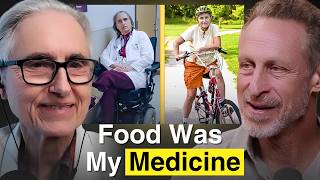
Dr. Terry Wahls was in a wheelchair from MS, then biked 18.5 miles in a year by redesigning her diet for mitochondrial health, adding supplements, and using electrical muscle stimulation. She now runs clinical trials showing the same approach helps MS, traumatic brain injury, diabetes, and long COVID.
Chapters
So it's very clear to me in 2007 that I'm on track to become bedridden by my illness, probably demented by my illness because I'm beginning to have brain fog, and probably dying with intractable, horrific electrical face pain. And then I have this big aha. What if I redesigned my paleo diet based on this long list of supplements that I'm taking? And I start this new way of eating, and by Mother's Day, for the first time in 6 years, I get on my bike. And I bike around the block and my kids are crying. My, when I do that, Jackie's crying, I'm crying.
If you've been dealing with anxiety, low energy, or trouble focusing and still feel like you're missing something, you're not alone. That's why I created the Brain Shaping Academy, a new program that looks in places most people never think to check, like nutrient deficiencies, the health of your gut, metabolism, your immune system, and lots more.
You know, Terry, you and I both have, uh, had interesting past medical histories. And, uh, I say past because they are past and we both suffered from incurable diseases according to traditional medicine. You had severe multiple sclerosis and were in a wheelchair. I pretty much have had anything and everything that you can possibly get that's not lifestyle related. We both discovered that there's a different way of thinking about disease that actually holds the answer to so much suffering that people have across the spectrum of diseases. And You know, I would love to sort of have you share a little bit about, you know, your, your background because you, you were really trained as a traditional doctor. You developed a really severe and progressive disease, which in my training and in your training was a one-way street. You could mitigate the symptoms. You can maybe relieve a little suffering, but it's kind of a bad news situation. Just so people understand like your background a little, haven't heard you. Yeah.
Tell us.
What happened to you?
As an adolescent, I struggled with depression. And then, you know, I'm a farm kid, physically very active, I'm an artist. I decided I don't want to be a starving artist. I decided to get back into science. I get into medical school, complete my internal medicine residency. When I'm 45, I have some weakness in my left leg, which ultimately is diagnosed with relapsing-remitting multiple sclerosis. And they said, you know, 13 years earlier you had a period of dim vision on your left eye. That was probably optic neuritis. And I was— had a lesion in my brain and my spinal cord. They diagnosed relapsing-remitting multiple sclerosis. I did not want to take an interferon because that would make my depression much worse. So I took Copaxone, which was, you know, the best DMT that you could take at that time. At age 48, I clearly am worse. I needed tilt-recline wheelchair. I take mitoxantrone, a form of chemotherapy. and my neurologist says, you know, functions once lost will never come back, which is why I was happy to take mitoxantrone. Did not help, I continued to decline. Then I took Tysabri, the new biologic. Did not help, I continued to decline. Then I was put on CellCept.
And these are powerful immune suppressing drugs for those who don't know what they are.
And I wanna tell people, by the way, my neurologist at this big MS center had mentioned, the work of Direct MS Charity, and they turned me on to the paleo diet. And so I had already been doing the paleo diet for several years, but it's like I didn't know how long it would take to recover, and maybe all I could do is slow my decline. So I was doing the paleo diet. I'm reading the basic science. I decide that mitochondrial dysfunction is what leads to cognitive decline with Alzheimer's, to Parkinson's, and to probably the progressive decline with progressive MS. 'Cause now at this point I have secondary progressive MS.
And what does that, what does that mean that for people who have, what does that mean? Like, does that mean you're, you're in a wheelchair, you can't move, you can't walk?
So it means that I no longer had these acute flares, these relapses. Instead, there's this, I'm a little worse every 6 months. I'm a little worse, a little worse, a little worse. So in 2003, I'm in a tilt recline wheelchair. By 2007, I could take a couple steps using two walking sticks. I cannot sit up in a regular chair like I am now, Mark. I'm in a zero gravity chair with my knees higher than my nose. I'm beginning to have brain fog. I've also had trigeminal neuralgia, these electrical face pains that jolt down my face, like, you know, a jolt of electricity that are more frequent, more severe, and much more difficult to turn off. So it's very clear to me in 2007 that I'm on track to become probably bedridden by my illness because I'm already very close, probably demented by my illness because I'm beginning to have brain fog, and probably dying with intractable horrific electrical face pain. Now fortunately for me, I had been continuing to keep reading the basic science. I'd come across a study using electrical stimulation of muscles and convinced my physical therapist to let me have a test session. We, and we add the electrical stimulation to my exercise program that he has me on, this little tiny, I might add, tiny, tiny little exercise program that I could do. And then I have this big aha, and Mark, I really have to laugh at myself for how long it took to have this aha. What if I redesigned my paleo diet based on this long list of supplements that I'm taking? Yeah. And I start this new way of eating March 20th, pardon me, December 26th, 2007. Can't sit up, take a few steps, have, you know, frequent severe electrical face pain. By the end of February, my fatigue is gone. My mental clarity is much improved. My physical therapist said, you know, Terry, you are definitely stronger. And he advances my exercises. And by Mother's Day, for the first time in 6 years, I get on my bike and I bike around the block. You know, and my kids are crying when I do that. Jackie's crying. I'm crying. And then I bike a little bit more every day. And by October, Jackie signs us up for the Courage Ride, which is 20 miles, 18.5. Wow. And I bike the whole way. And of course, this really transforms how I think about disease and health. It will transform the way I practice medicine. And I'm also very privileged in that my chair of medicine at the university, my chief of staff at the VA are also amazed by what has happened. And they want me to start doing clinical research testing, can others with progressive multiple sclerosis. implement this complicated regimen? Is it safe? And what's the effect, uh, for their quality of life?
You mean, is it safe to eat real food as opposed to take a bunch of powerful immune suppressing drugs?
Isn't that radical?
Oh my God. What a revolutionary idea. You're, you're, you sort of covered a lot of ground there. And I think that what people need to understand is that multiple sclerosis is a very serious disease where you lose the ability to conduct nerve signals down your nerves and affects almost everything in your body and there's no cure, except maybe there is. 'Cause—
Except maybe there is.
Except maybe there is.
We overlooked why people develop these serious autoimmune diseases. And yes, and I tell my tribes, there are three. There's first, you have the genetic vulnerability. You have genes that increase the possibility, the vulnerability that this could happen to you. Then you have the infections that nearly all of us have had because these microbes are—
Like Epstein-Barr or something, right?
Epstein-Barr, strep, staph, measles, herpes 6 virus, and nearly everyone has had one or more of these. And then there are these unknown environmental factors that my conventional neurology colleagues will say, so we don't know what they are, so just take your DMTs. And what you and I say are, you know, we're going to—
DMTs are disease-modifying therapies, right?
Oh, thank you. And what you and I tell our tribe is we're going to address all those environmental factors and shift every one of them from disease-promoting to health-promoting, one by one, at a pace that you and your family can manage. And what we predict will happen Is that if you're on prescription medications, you'll have to work with your medical team because you'll probably need lower and lower and lower doses. And finally, fewer of those prescription meds. And your blood sugars will improve, your blood pressures will improve, your mood will probably improve, your energy will improve, and your interest in intimate relationships with the people that you love will probably also improve.
But you know what's so amazing, Terry, is that there's just so much resistance in the system to this. And both you and I have seen what would be thought of as miracles, right? Like, oh, maybe just Terry had a spontaneous remission. Oh, maybe Mark, you just had a spontaneous remission of all these conditions you had, or maybe your patients with this or that condition that got better, it was psychosomatic or—
We're incompetent. You never really had progressive multiple sclerosis because nobody gets—
They misdiagnosed you. They misdiagnosed you. They misdiagnosed me. But the reality is you and I know that's not true. And what I just want to double-click on something you said because you jumped over pretty fast, which is you went back to the basic science. And this underscores a really fundamental thing that's happening right now in medicine is that clinical medicine What you get when you go to the doctor's office does not reflect the scientific advancements that we're seeing in our understanding of these diseases, of these quote incurable diseases, of the root causes and how to restore normal function. And you jokingly, or I'm so, so joking, you talk about creating an epidemic of health, which is amazing. That's something that doctors know nothing about, which is what creates a healthy human. And part of your recovery was really understanding the fundamentals of health so you could help restore health as opposed to suppress or inhibit or block some pathway that was causing inflammation that was affecting your nerves, and you approached it very differently. So talk about the frameworks from the basic science perspective, 'cause you and I are both trained as academically trained physicians. We've both done research, we both have worked in major institutions. You know, I was at Cleveland Clinic, you've been at the VA and other academic centers. And yet, you know, there's just this, incredible sluggishness in medicine to help people understand that there is potential for healing and repair from things that most of us as doctors were trained are not curable.
So what my first aha, um, when I was reading the, uh, basic, uh, papers from, um, Dr. Flint Beale, who's a neurologist, and Dr. Bruce Ames, who's a nutritional biochemist, and they were talking about, uh, mitochondrial function. In that when the mitochondria are not working well, we don't make enough ATP, so we, we can't drive the biochemical reactions as thoroughly in the brain, which leads to neurodegeneration. So more Alzheimer's, more Parkinson's, and I'm thinking, and more progressive MS because that's what was my suffering, more anxiety and depression. And I had depression all of my life. And so I'm like, okay, I had to get my mitochondria tuned up. So then I started reading articles that were focused on mitochondrial function. And, you know, gradually I would add supplements for my mitochondria. You know, and Mark, after a few months, I think 6 months of these, my initial supplement experimentation, I said, you know, I'm wasting my money. And so I stopped. In 36 hours, I could not get up out of bed to go to work. And at 72 hours, my spouse Jackie came in and she said, you know, Terry, why don't you take these again? So I took them. And the next morning, I was like, well, I could get up and go to work. So, you know, I'm still tired, but I'm back to my usual level of fatigue. So I was pretty jazzed by that. And 2 weeks later, I said, well, let's, let's test that again. So I stopped my supplements and at 36 hours I completely crashed, couldn't function. I waited my 72 hours, took my supplements again, and the next morning I could get, get up and go to work. And I, so after that I was so excited to be reading the basic science. I, uh, and I was a member of the Institutional Review Board reviewing clinical research, and I said, please give me for the studies for me to review studies. Mm-hmm., involving the brain. Uh, and so I got better and better at reading, uh, basic science and clinical research.
For over 50 years, we've been told to avoid full-fat dairy to protect our long-term heart and metabolic health. And in a massive turn of events, the new Dietary Guidelines for Americans were recently released that put full-fat dairy back on the top of the pyramid. While the science around full-fat dairy has been mixed, there is one consistent surprising story. C15. It's a super fat in dairy. It's emerging as a foundational nutrient that we all need to age healthier. Backed by over 100 peer-reviewed studies, Fatty15 delivers pure, patented, and vegan-friendly C15 to strengthen our cells and reverse aging at the cellular level. The science and the quality behind Fatty15 is why it's been a trusted must-have in my healthy aging supplement routine for years. You can head to fatty15.com/hyman today and use the code HYMAN for 15% off your 90-day subscription starter kit. That's fatty15.com, F-A-T-T-Y-1-5.com/HYMAN today and use the code HYMAN to get 15% off. As we head into the busiest stretch of the year, longer days, travel, more on your plate, your immune system is working overtime. And that's why now is the time to make sure you're giving it the support it needs. I rely on HTB Immune Energy Shoes from Big Bold Health. Each serving delivers 1,000 milligrams of sprouted Himalayan tartary buckwheat, a powerful seed packed with over 100 immune-active polyphenols like quercetin and rutin. Now, these compounds are studied for supporting healthy immune balance and longevity.
But it doesn't stop there. Each chew also includes vitamin C, vitamin D, magnesium, and zinc—all nutrients your immune system depends on, especially when you're pushing hard.
And because they're chews, not pills, they're convenient and delicious.
Perfect for your bag, your desk, or wherever the day takes you.
If you want a simple way to support resilience, energy, and focus this summer, try HTB Immune Energy Chews. Go to bigboldhealth.com/drhyman, that's D-R-H-Y-M-A-N, and use the code HYMAN15 to save 15% off your first order.
Yeah, and it's so important because, because the, the smoke signals are there. And you know, when you, when you talk about mitochondrial dysfunction, we've had a number of podcasts across the spectrum of different experts on mitochondria, but these are the little powerhouses in your cells that turn food and oxygen into energy. But they do so much more than that, and they're so sensitive and they're affected by what we eat. They're affected by stress. They're affected by our microbiome, by environmental toxins, by pollution, by so much that is some of which we have control over, some which we don't. But, but as you're beginning to understand the kind of fundamental common features among all these different conditions instead of the reductionism of medicine, which is sort of how medicine's organized with specialties and siloed experts where you have a doctor for every inch of you. We're now learning that the, the common pathways are, are, there's very few. And mitochondria is one of those. And we, we're seeing this now with Chris Palmer's work who's been on the podcast about mental health and schizophrenia and bipolar disease using mitochondrial therapies. We're seeing it with— diabetes and reversing diabetes using ketogenic diets, which revitalize mitochondria, which are dysfunctional in diabetics. We're seeing it in MS as, as you've shown, we're seeing it in Parkinson's disease and Alzheimer's. We're seeing it in autism. And all these are, are different manifestations of common underlying dysfunctions. In order to actually recover from these things, you have to, you know, create health. And that means removing the causes and adding in the ingredients. And you were mentioning your supplements, but imagine you were talking about mitochondrial therapies that you are taking, whether it's CoQ10 or carnitine or ribose or creatine or other things that are part of the body's own physiology and actually taking food and oxygen and turning them to energy. It's like an assembly line and you need all these different helpers and factors. And if you're low or deficient or you have an exceptional need for them because of some insult or pathway that's being interrupted, you, you can, you can actually help your biology recover by providing those things plus the dietary intervention. In terms of like the sort of mitochondrial sort of thread, can you kind of help us understand that, how it plays a role, you know, why this reductionism is such a mistake in medicine and how we need to shift to thinking about treating systems, not just symptoms?
Any tissue that needs lots of energy needs to have more and more mitochondria packed into those cells. So your brain, your retina, and your heart probably have the highest concentration of mitochondria. Therefore, having, you know, these targeted supplements, and you've listed, you know, quite a few, creatine, carnitine, lipoic acid, B vitamins, CoQ, and probably a basic multivitamin mineral, magnesium and zinc. That's a great cocktail. And what I could tell, you know, even though, you know, I have this progressive MS, I'm getting steadily worse, that I take my supplement mitochondrial supplement cocktail. My fatigue is less when I take my supplement cocktail. It's not enough to get me out of the wheelchair, but it clearly was enough that I felt much, much better taking it. What is super interesting, Mark, and I've been following the paleo diet, so I wasn't eating sugar, I wasn't eating grains. And so I had a really pretty great diet. But when I redesigned my paleo diet based on, again, a review of the basic science and what I'd learned from functional medicine and my mitochondrial supplements. I said, where are they in the food supply? I, and I had a much more structured paleo diet that emphasized what to eat, not just what to avoid. That is when the magic really happened. And in a breathtakingly I mean, just extraordinary speed to go from being unable to sit up to being able to do an 18.5-mile bike ride in 10 months is extraordinary.
And that was 18 years ago and you're still going.
I'm not collapsing. And yesterday I jogged on my treadmill and, you know, I thought that would never happen. Now that did happen. I will say that, you know, I'm now 70. Like, like you, I've had some additional health challenges. I got to have a GI infection that got me really quite ill over the summer. And fortunately, I'm now on the other side of that. I'm back to gaining weight and doing well. So things still happen. I still have to be alert. I still have to think about my functional medicine perspective when stuff happens and I become ill and I see my conventional physicians, follow their advice, then I go see my functional medicine physician, say, you know what, here's what I think they're missing. And then we, you know, we figure it out and we get to the bottom and, you know, I get recovered from my functional medicine approach. And then my conventional doc goes, huh, well, I guess you are better now.
What I want you kind of to dive in on, and I think this is This is where I think most people who talk about, you know, eating healthy or food is medicine don't really fully understand the, the granularity of what that means. In other words, just as though we have hundreds of different drugs or thousands maybe now, and there are different drugs for different problems. In the same way, food is a drug. And it's not just a metaphorical drug, it's an actual drug. And there are many types of food and therefore there are many drugs and not every condition requires the same drug. And so with, with food, when you're treating patients with food as medicine, different conditions require different diets. And what you, what you hinted at, and I think it's important to double-click on this, and I think it was quite brilliant, which is you're like, how do I look at the potential pharmacopeia in food and design my diet to maximize the levels of nutrients that I know I biologically need based on my condition. That was a profound insight. And I had one patient who was like, I don't want to take any vitamins and I'm going to eat, you know, like to get all my nutrients. And I'm like, all right, it's a lot of work. She's like, well, I'm going to have like 25 pumpkin seeds to get enough zinc, or I'm going to have like 3 Brazil nuts a day to get my selenium. Or I'm going to— and she had a whole spreadsheet. I'm like, okay, that's not that easy to do, but Tell us about the categories of food that you realized were so nutrient-dense and had such unique nutrients that it wasn't just about eating a healthy diet that's plant-rich or that's got quality fats or protein. It was more than that.
So I had 20 nutrients that I identified as really important and some papers from Beale, from Bowman, from Bruce Ames. And when I first started maxim— I wanted to maximize the intake of those 20 nutrients and trying to figure out where they were. I went to the, my dietitians, they said, oh, that's too complicated, I can't do it. I went to the library, it's too complicated, can't do it. Ultimately, I found the Linus Pauling Institute for Micronutrients and that got me the way I could identify the key food sources for those 20 nutrients that I'm tracking. And then Mark, so I used that for my recovery and I had these food lists that I was following. But, you know, when I had my own personal recovery, I wanted to use this in my clinics, Mark. And I had, in my traumatic brain injury clinic, I had 20 minutes with the veteran. When I was staffing residents with the primary care clinic, now I only had 5 minutes with the veterans. So I had to think deeply, like I wanted to create a memorable food rule to help my veterans remember how to eat. And that's ended up, you know, creating basically the Wahls Diet, the Wahls Paleo Diet, a ketogenic version of the same, so that I could teach it in just a few minutes. Do you want me to highlight that for your audience now?
Yes. Yes. I think, I think like, you know, you talk about organ meats, you talk about mushrooms, you talk about You know, specific foods.
So I'm gonna go through those big categories. The green leafy vegetables, they're great sources of vitamin K, great sources of some particular carotenoids rich in the blue-green pigments, zeaxanthin, meso-zeaxanthin, lutein, which are concentrated in the macula that protect the eye from the blue light. And also protect the retina and protect the brain. Great sources of calcium and magnesium. Then we look at the cabbage family, mushroom, and onions. They induce glutathione, the master antioxidant in the cells, and help support detoxification and support the Nrf2 pathways to lower inflammation. The mushrooms, which I also recommend, boost, lower anxiety, depression, lower the risk of cognitive decline. The bright colors. Mushrooms. What mushrooms? All culinary mushrooms. You just wanna be sure that they aren't poisonous. So don't go collect mushrooms on yourself unless you are a really expert mushroom hunter because there are mushrooms that will kill you. So, you know, just be sure that you have culinary mushrooms and have a, a wide variety of culinary mushrooms. And then the brightly colored, you know, carrots, beets, peppers, tomatoes, these carotenoids are linked with lower risks of diabetes, obesity, cancer, heart disease, all-cause mortality, particularly blue, purple, black. Again, lower risk of anxiety, depression, cognitive decline. So those are 9 cups of vegetables measured raw. You can have 'em raw or cooked.
Okay, just stop there for a sec. So 9 cups of vegetables.
Per day.
Per day. Now I was trying to help encourage the Dietary Guidelines to have like, you know, like at least 9 servings, which is basically a half a cup. And they didn't recommend that much, unfortunately. But you're talking about 18 cups. So a serving of vegetables is half a cup, and you're talking about 9 cups. That's 18 cups of vegetables. Vegetables a day. That's an enormous amount. And how did you do that?
You know, it's super fascinating. When I first started doing this, I was probably having 6 cups of kale, collards, mustard greens every day. And I probably had that for about 4 years. And then after 4 years, I didn't need quite that amount. I'm guessing I had this huge nutritional deficit that I finally got caught up. After 4 years worth. And remember, I'm practicing in the VA. I didn't want my men to be hungry. And so I wanted them to eat all these vegetables, have at least 6 to 12 ounces of meat, fish every day. They could have more if they wanted. And I didn't want them to have sugar and white flour.
I think the specificity is really important and the the granularity of it is important. Now, there, there are some just general principles, but you're eating a diet that's supporting all your basic biological functions, that's supporting your gut microbiome, that's reducing inflammation, that's helping detoxification, that's enhancing your mitochondria, that's providing immune modulating compounds in like the polysaccharides and mushrooms. And so, you know, we, we have the science to understand these things, but, but again, it's something that's just a big black hole in medicine, which is completely ignored. And you know, you'd think that your story, which is now widely known, you have a popular TED Talk, you have bestselling books, you'd think that the NIH would be banging down your door, that they'd be like, they'd be like, here's $100 million, Terry, like, let's figure this out. It's just striking to me that it's just such a, it's such a resistance to change. And I, and I see this, you know, my practice too, I see miracles after miracle, but they're not, they're just the, deliberate application of the fundamental principles of biology to chronic disease in ways that we're trained in functional medicine, but that are not widely appreciated. But I don't know if you know this, but, uh, and maybe you should actually apply for this. Medicare, the Center for Medicare and Medicaid Innovation, I've been helping and trying to advise them. They have now put forth $100 million to study functional medicine. Wow. And lifestyle medicine.
Oh, I need to apply for this.
Yes, it's called Maha Elevate. And anybody listening who's a functional medicine practitioner—
Okay, I'm taking notes here, Mark.
Yes, who's a functional medicine practitioner, who's doing research, who wants to do research, the government is now going to fund over the next 3 years, probably about 30 projects, $3 million each to sort of show that, oh wait, rather than the— I mean, these drugs that you were talking about that you're on are so expensive. The autoimmune drugs are just, You know, so—
$90,000 a year.
I mean, it's a huge cost savings and not just to mention cost savings. I mean, look at your life, Terry. Your life is an example. You were in a wheelchair in 2007. Your life was, you know, I would say very reduced in terms of the quality of your life, your capacity to function, your ability to engage, your ability to contribute in the world. And look at just one person, what you've done in their recovery that you've had. To actually change the world, like to actually make a difference in how people think. It's just extraordinary. And, you know, I, I was the same way. I was, I was about to go on disability when I was 37 years old from chronic fatigue syndrome. And I had mercury poisoning. I couldn't function. I was so ill. And I think God found the same thing. I started to learn about this and started to try it on myself. And I started to slowly recover and went from doing all that to you know, actually being back in better shape than I've ever been in my life at 66. And that's really possible if you know how the body works.
I mean, I too was, you know, clearly expecting that I was gonna finally have to apply for medical disability in 2008, unfortunately. When I just had my performance review, you know, my boss was asking me, "So Terry, how long are you gonna work?" I said, "Well," you know, I sort of like, like as Pauling, I wanna be giving lectures to stay-in-room-only audiences in my 90s and continuing to change the world. So my goal is to thrive to 120. We'll see.
The conditions that you're talking about are so prevalent, right? And you lump them all together. You're talking about Alzheimer's, Parkinson's, Lewy body, frontotemporal dementia, all the dementias. You're talking about—
Anxiety.
MS. You're talking about ALS. I mean, obviously the depression, anxiety, mental illness is just, the scope is amazing.
I want to tell you about a supplement that I'm genuinely excited about, and maybe you've heard me talk about it before. It's been a non-negotiable in my supplement stack and something I recommend to my patients. And it's especially important for women in midlife when changes in hormones can affect energy, muscle health, and metabolism. It's a supplement called Mitopure, which supports your body's natural processes for clearing out old and damaged mitochondria, and it helps your cells create new, healthier mitochondria. Mitochondria are the tiny little energy factories inside your cells. And as we age, they naturally become less efficient. And when that happens, it can affect energy, strength of your muscles, and your overall vitality. Now, what I like about Mitopure is that it's backed by serious science. Urolithin A has been studied in multiple human clinical trials published in peer-reviewed journals. From my perspective as a functional medicine physician, it is one of the simplest ways to support mitochondrial health as you age alongside whole foods, regular movement, good sleep, and stress management. If you've been hearing me talk about Mitopure for a while and have been meaning to try it, this is the moment. Timeline's clinically proven formula is now available at a new lower price. Mitopure now starts at as low as $79 with the exact same science and formula. You can get an additional 20% off your first month if you order now when you go to timeline.com/drhyman. That's timeline.com/drhyman to get 20% off their new low price. A few weeks ago, I had a fall while riding my bike and I ended up with some pretty good road rash on my face. It reminded me how powerful some of our body's natural healing tools can be when we support them with the right things. Now, one of the things I discovered during my recovery was red light therapy, which has been studied for its ability to support cellular energy and healthy cellular responses. Now, that's why I've been using the red light face mask from Bon Charge, a wellness brand that makes science-backed tools designed to help you optimize everything from sleep and recovery to energy, circadian rhythm, and skin appearance. Their red light face mask combines both red and near-infrared light, which penetrates deeper into the skin to support skin elasticity, texture, tone, and improve overall skin appearance. It's incredibly easy to use. I just wear it for about 10 minutes while winding down in the evening. It's lightweight, comfortable, and completely non-invasive. Boncharge ships worldwide, offers free shipping on the red light face mask, offers a 12-month warranty, and it's even HSA and FSA eligible. Upgrade your routine, head to boncharge.com/hymen and use the code HYMEN for 15% off. That's boncharge.com/hymen and use the code HYMEN.
You know, what I'm curious about is you're now expanding your work to include other conditions, right? You're not just focusing on MS. So can you talk about some of your work and how it applies and what you're seeing and what you're doing in the clinical world? Because it's one thing to be a doctor like me. You know, I was at Cleveland Clinic. We did a lot of work there, but mostly I'm on the outside of the traditional healthcare system, but you're in it and you're all, you're, you're, you're doing academic research and you're, you're running groups and you're running research studies. Tell us, tell us what you're finding in this sort of the next sort of evolution of your work since we talked to you last.
So in the traumatic brain injury clinic where I practiced for 3 years, we saw people who had a traumatic brain injury, usually had PTSD. And as I taught them to improve their diet, add some stress reduction, get a step counter, they remarkably stabilized their symptoms and improved. Then the VA at that same time saw I was having tremendous success in primary care and pulled me out of my primary care clinic and let me establish a new clinic, the Therapeutic Lifestyle Clinic. And in that, we— I got to design the clinic. So I had a dietitian work with me and I went to primary care specialty medicine, Uh, uh, and invited them to give me their most difficult cases, Mark, uh, and said, you know, I'm not gonna use drugs. We're just gonna use diet and lifestyle medicine. And we had a handful of cases at first, had success, and then steadily grew and grew and grew. And I kept having to redesign my clinic, uh, from small group to large group to small classes to large classes to very large classes to— then I, um, decided to leave the VA. Mm-hmm. And begin, you know, teaching the world. And what I saw was that people would come to the Therapeutic Lifestyle Clinic usually on 15 to 30 prescription drugs. They would have multiple diagnoses, autoimmune diagnoses, obesity, type 2 diabetes, high blood pressure, some sort of mental health problem. So many diagnoses, a wide variety of diagnoses, but the most common symptoms were— fatigue, pain, anxiety or depression, and brain fog. So these were the symptoms that were causing the most suffering. And as we taught them basically to either adopt a gluten-free, dairy-free, nutrient-dense vegetarian diet or a Paleolithic diet, that within 3 months their fatigue is markedly reduced. Their brain fog is reduced, and their energy's improved. And we're beginning to see that we have to start dialing back on their prescription meds because they're improving, 'cause we're creating health. But I also learned to not offend my partners by focusing on, I'm going to just focus on work on creating health, and we will watch your prescription meds and adjust them if things begin to improve. So I was very careful to not be treating any disease state. I'm simply working on creating health and watching for side effects and adjusting meds as needed. And my partners were okay with that message. I did have to, you know, deal with some intense criticism, pushback. And so I had to learn how to massage those relationships.
Well, you know, Terry, what you just said is so profound, and I wanna you know, just take a deeper dive on this because what traditional medicine does is diagnose and treat disease by some type of combination of therapies, whether it's surgery or medication or radiation to somehow block or inhibit or interrupt some pathway. Now surgery is great. I think I have nothing, nothing to say bad about surgery for the most part. It's an incredible advance in technology and I've had Saved my life many times. So I'm not opposed to surgery and I think it's one of those areas of medicine where, you know, it, we do great at, it's an acute care thing. We replace hips, we can replace knees, we can cut out cancers, we can, you know, fix backs, we can do all kinds of stuff. But when it comes to like, you know, traditional internal medicine diseases that most people suffer from, we, we really. I think have it all backwards. And you kind of did a very kind of polite, nice thing, say, well, we're just gonna work on creating health and not really worry about the diseases. You focus on the diseases. But the reality is that the way to treat disease is by creating health and the disease goes away as a side effect. So it's like, it's kind of like a little bit, a little bit surreptitious and sneaky to say that. Yeah. Because it's not offensive and yet it actually is the thing that has the most leverage when it comes to making people recover from things that are, are quote incurable. And, and I think I want you to double-click on what do you mean by creating health? Because in functional medicine, we don't really treat diseases. We create health. And that's the focus is what are those things that impede health and try to remove those. And one of those things that create health or what are the ingredients for health and how do we provide those? And that's what we become expert in. We become expert in identifying what you have too much of or too little of, what you have too much of that's disturbing your system or too little of that you need to get to thrive. That's what you did for yourself. That's what I've done for myself. And the results are amazing. The body wants to be healthy. Like the body's innate programming is to be healthy. And yet. Most doctors don't understand that and they're trying to interrupt something or interfere with something rather than saying, okay, how do I create the conditions for health? And so talk us through how you think about this whole idea of creating health.
In our cells, we are doing 2 billion chemical reactions every second. And so I can take a drug that interferes with one of those chemical reactions. But if instead I focus on how do I, create better support for more of those chemical reactions to happen the way they should. So that means making sure my nutrition is as good as possible, that my sleep is as effective as possible, that my social connections are as deep and meaningful as possible, that I am moving more and exercising more. that that will allow more of those 2 billion chemical reactions that are happening to be happening correctly. Yeah. And unfortunately, you know, our medical students are not taught the elements that are key for optimal health. They're not taught the key elements for nutrition. They aren't taught how to be more successful with helping people with behavior change, Mark, the WHO has identified that if my conventional— when you and I were our conventional clinicians and we told physicians—
Yeah.
Told our patients to adopt a diet for a medical reason, 25% of them would go home and would make an attempt. And at a year, 2.5% would actually still be doing the diet that you and I told them to do. In my clear clinical trials, peer-reviewed published research, our adherence rates at 12 months rate are at 90%. And in our 6 months, adherence rates are 83 to 85%. We are extraordinarily good at this because we understand behavior change. And because when people implement the diets that we prescribe and the lifestyle programs we prescribe, they actually feel better. And I teach them to pay attention to, you know, when you have a good day or a good week, look back, what were you doing? Can you do more of it? If you have a bad day, look back to the previous 24 to 72 hours, have an idea what was maybe the trigger. Was it a food you ate, a toxin exposure? A fight with your spouse or your boss, and could you have less of that? And so I— and we teach people how to draw links between their environment and how they're feeling. And the more successfully they draw that link, the more adherent they are to the program.
Part of that is also, you know, the magnitude of the change that you see with the recommendations. Because if you're a regular doctor and you say, well, I just want you to eat healthier balanced diet and it's kind of vague and it's not really therapeutic. It's like saying, well, I have a headache, here's a milligram of aspirin. Well, an aspirin doesn't really work, so I'm not gonna take it. You have to have the right drug, meaning the right food and the right program for the right condition. And, and, and there are some similarities obviously to a healthy diet, but there's very, very much differences. You know, if you're trying to heal a leaky gut or autoimmune disease, it may be different if you're treating a neurodegenerative disorder or different than if you're, you know, treating someone with depression or some— Depression. Diabetes, schizophrenia. So it's, you have to kind of be very specific. And I think the, the, you know, the fundamental principles of creating health are, are now pretty well known, but doctors don't really know how to prescribe those things or don't know how to identify the deviations from health and where you are in the continuum. And my guess is, Terry, that if you had looked at your life before you got sick, you could, you could track the things that were happening or the insults that happened along your life that led to this moment where you started developing MS. Yeah. Right? It wasn't like this thing that just kind of happened out of the blue. And that's something we're not good at identifying. And I think we're going to get better and better at it as we have more data-driven healthcare. And part of the reason I co-founded the company Function Health was to allow people to gather large personal health data sets over time. So you can look for those subtle changes and clues that will lead to a problem if you don't deal with that. And then you can be proactive about it.
Right. They can give you a lot of information and things to track. That help you see like, okay, things are improving now.
With the other diseases that you're seeing, you're seeing, you know, chronic illnesses like diabetes, like you're seeing Alzheimer's, Parkinson's in addition to MS, right?
What we see is, you know, the cognitive decline certainly declines, brain fog resolves, fatigue resolves. In my clinical trials, we've added, we now study some We have some online wellness programs, and we're studying fibromyalgia, long COVID. Those studies we're still recruiting. So it'll probably be another 18 months before I have that data available. We studied cancer fatigue in cancer patients. We'll be analyzing that data this summer, probably publishing that next year in 2027. And I've just put in a proposal to study progressive MS. And nobody wants to study progressive MS because those folks never get better. We have a study that's open right now for rheumatologic diagnoses, things like rheumatoid arthritis, Sjögren's, lupus, mixed connective tissue disease, psoriatic arthritis. We're recruiting for those folks. We're also adding anxiety and depression as well. And this morning, I had a meeting with my study team talking about pediatric onset multiple sclerosis because, you know, shockingly enough, we have children, young children that are now being diagnosed with multiple sclerosis as well.
So, Terry, this is all incredible work you're doing. You know, you've been at this now for a while. We met decade and a half ago, probably. I don't know, a long time ago. And I think it was early on when you were just sort of working, doing this work, and you had mostly recovered by then. But I'm curious in the sort of intervening time you've been working in this field, what is most exciting to you now that is emerging in the science? What are the bright lights that you're looking towards and things that you hadn't understood before that you now understand about how to actually begin to treat chronic disease more effectively?
So one of the really interesting observations that we had when I looked at the WAVE study that was comparing the low saturated fat diet and the modified Paleolithic diet, we saw that the microbiome that you had at baseline could predict if you're going to respond better to the low saturated fat diet or better to the modified Paleo diet. So I, I think what diseases I develop are dependent on my genetics, the food I'm eating, and the microbiome I have. And so I predict there'll be a time, then you'll probably do this in your Function Health, and maybe I need to help you think about this, Mark, is that we'll be able to give some saliva, some blood, some urine, some stool, and then in 3 to 6 weeks, you'd be able to give a report back to me, and I could tell my patient, "Given your genetics, your microbiome, and your underlying medical conditions, these are the diets that you'd be most helpful. These diets would be the least helpful. And these supplements would be helpful. And you may also wanna take these additional probiotics." Yeah. That will be the future of medicine. I'm very excited about that. I think AI will help us get there. We are doing more microbiome research right now, and so we'll be probably having some really interesting papers come out about that in 2028 and 2029. And I think that—
Particularly on MS or around autoimmune disease or around—
Well, that'll be around the interaction of the microbiome diet and clinical outcomes in multiple sclerosis.
Yeah.
Because, you know, in my current study, we've got microbiome data, we have, you know, clinical data, we have patient-reported outcome data. We'll also have metabolome data, so metabolites, and brain structure and brain metabolites as well.
And as you're talking about, you know, MS and the microbiome, I remember a patient I had probably 20 years ago who said, you know, whenever my gut symptoms get worse, my MS gets worse. And I was like, oh, maybe there's a connection there.
Yeah.
And I think, you know, the microbiome plays such a role across such a diverse array of conditions. You know, we talked about mitochondria, we talked about inflammation indirectly through autoimmune disease. We're talking about now the microbiome. These are the fundamental systems that exist in human biology that are the foundations of most chronic disease. And there's a few other things as well, but these are really core. And in functional medicine, that's what we focus on, not the diseases, but on these biological processes. And the way I often talk about it is, you know, we in medicine are young science. Lewis Thomas, I read his book when I was in med school called The Youngest Science. And E.O. Wilson wrote a book called Consilience: The Unity of Knowledge, where he talked about how medicine has no theory and it's just a bunch of reactive reactions to things that we observe and observe phenomena, but it's not a coherent strategy of how to approach a problem. It's just like, try this, try that, or there's this pathway or that pathway, or let's block this or block that. Like amyloid is a great example. We can say, oh, amyloid's in the brain. Let's find a drug to block amyloid and dementia, but it doesn't work. And we spent billions of dollars and hundreds and hundreds of studies and have had no No positive out outcomes. And that's because we're thinking about it wrong. You know, what we're talking about today is, is developing a new theory of medicine, a new theory of human biology that's based on the laws of nature. And so whether we talk about the microbiome or mitochondria or inflammation, these are things which are fundamental to human health. And if they're not, if these systems aren't working, if your immune system, if your microbiome, if your mitochondria aren't working, you're not well. . And depending on your genetics, your predispositions, the various insults, it might manifest as different diseases, but the common roots are the same for so many of these conditions. And that begins— we need to figure out how to treat these things and how to help people, like you say, create a healthy immune system or a healthy microbiome or healthy mitochondria. When you say creating health, that's what you're talking about.
Yes, I'm, I'm working on, and, and what are the things that can create health? How do we create meaningful, healthy social connection? How do I create a healthy sleep? How do I create more healthy movement? How do I have better nutrition? So, you know, step by step. And when I talk with my patients, I will— I used to always insist they start with diet. Now I'm a little more open to In which of these domains do you wanna start first? I think diet's particularly powerful, but if there's a different domain you wanna start in first, that's fine. And if you want to do them all at once, we'll give you a big complicated plan. Or if you want to have one simple next step, we can do that.
I recommend magnesium to most of my patients and for good reason. It's involved in hundreds of biochemical reactions in the body, including regulating the nervous system, supporting muscle recovery, and helping your body transition to a restful sleep. Now, what's interesting is that newer research is starting to look at how certain forms of magnesium may support brain health and sleep quality. Now, one randomized clinical study, adults who took a brain-available form of magnesium reported improvements in sleep quality and daytime functioning compared to placebo. Now, magnesium is one of the most common nutrient deficiencies I see, and low levels can contribute to stress, poor sleep, muscle tension, and low energy. And the challenge is that most magnesium supplements only contain one or two forms, and they're not always well absorbed. And that's why I recommend Magnesium Breakthrough by Bioptimizers. It's a full spectrum formula that includes 7 different forms of magnesium designed to support your brain, your muscles, your stress response, and your sleep. I take it as part of my evening routine. Try it today and go to bioptimizers.com/hyman and use the code HYMAN at checkout to save 15% off your order. That's B-I-O ptimizers.com/hyman and use the code HYMAN. People often assume I love cooking because I'm a doctor and focused on food as medicine, but the truth is I love cooking because it's creative, it's grounding, and it connects you to what you're eating. In fact, last night I cooked one of my favorite recipes, our Mediterranean lemon chicken soup. It's simple, nourishing, and it's built around whole anti-inflammatory ingredients. Nothing complicated, just real food prepared well. Cooking isn't about talent, it's about confidence. And confidence comes from having the tools that actually work. And that's why I use Made In cookware. The heat distribution is incredibly even, whether I'm sautéing aromatics for soup or simmering broth. Made In creates professional quality, chef-trusted cookware that's designed for the home cook. It makes the process seamless. And when your cookware performs well, you're not worrying about hotspots or uneven cooking. You're focused on flavor and nourishment. Try it today. Visit madeincookware.com and use the code HYMAN10 for 10% off your order.
I mean, yeah, you have to sort of match the approach to the person, but, but like you said, you know, the magnitude of the improvements in health often is determined by the, the dose, right? The dose of the treatment, right? So like, you know, you could, if you're drinking a, you know, a case of Coke every day, if you have half a case, that's an improvement, but it's probably not gonna move the needle, right?
It won't move the needle much.
Right. But you know, when, when, when you're seeing is, You know, just to kind of loop back on your story is you're seeing your story repeated over and over. This is not just an N of 1, Terry's an anomaly and a rare case and we don't know why. You're actually repeating this over and over in your clinic and your research studies.
We're repeating it over and over clinically, and I repeat it in my peer-reviewed published research. So when, you know, people would attack me, you know, early on, again and again and again, and I'd go on these neurology podcasts and I'd be thoroughly attacked. I'd say, okay, let's just assume Well, take me outta the equation. Let's look at my peer-reviewed published research where other people have verified the diagnoses. We followed people prospectively and we published our research. Uh, and so we see this again and again in research. We see this again and again, uh, in clinical practice. Uh, Mark sees it in his practice, the, uh, Wallace practitioners that we train, they see it in their practice as well.
So imagine, imagine you got invited to go to the NIH and meet with the head of the NIH, Shai Bhattacharya, and you were able to lay out a case for the type of research we need to focus on and invest in heavily. What would you advise him?
We need to do multimodal interventions, you know, for the long— and that's why I keep writing grants for—
What does that mean in English?
So multimodal— oh, thank you. It means that you fix as many of these systems as you can. So we're going to fix nutrition. We're gonna fix meaning and purpose in life. We're going to help people identify a stress-reducing practice that they can embrace. We're going to help them add exercise and movement. We will track their sleep. So we're going to work on using systems biology to create health. And I would want to track these measures of nutrition. Mm-hmm. Ideally using 24-hour recalls, track sleep using wearable technology. And there are a variety of wearable technologies that can do that so that we can track how, as people implement, again, these multiple interventions, better nutrition, better sleep, better movement, stress-reducing practice, purpose and meaning, that that can— Yeah. Translate into improved cellular function that we can measure with physiology using things like heart rate variability, using things like VO2 max, how well we use oxygen, using our— the quality of our nutrition based on 24-hour recalls.
And these are biomarkers of health, not biomarkers of disease.
Biomarkers of health that we will track biomarkers of health And by improving health, we can stabilize— and, you know, and I'm writing a new book that talks about, you know, these concepts as a way to prevent disease, stabilize the disease you have, regress most chronic diseases, and many genetic diseases if you focus on these multimodal interventions.
I mean, that is so key, Terry, that, you know, when you realize what does it take to create a healthy human, it's not just a single drug. And most of the problem with our research enterprise in America, and the reason we're not getting the answers we really should be getting, is that the entire infrastructure is designed to show whether this or that drug works for this or that disease. And that's what a randomized controlled trial does. It's isolating all variables except for one. It's homogenizing populations and it's giving them the same thing to look for a single outcome and trying to not do anything else except this one thing, like this one drug. But that's not how the body works, right?
Right. They, they wanna focus on one receptor, but remember it's 2 billion chemical reactions per second. We want to have as many of the elements of the modifiable lifestyle factors of which you and I have some control as individuals that we want people to improve those. Those are the studies that we need. I keep writing those grants. The NIH doesn't fund me. The MS Society funded me once.
Yeah, yeah.
But what I do have, Mark, are grateful patients whose lives I've transformed who have been extraordinarily generous with my lab, and that's how I do my clinical trials.
Yeah.
It's through philanthropic support.
And we, we need that for sure. And thank God for those philanthropists who see this and who've been helped, but we really need billions of dollars focused on this.
We need billions of dollars.
Not a few hundred thousand or a few million. And I think that, you know, I was at Cleveland Clinic, uh, tried to do a study on Alzheimer's and the, head of the Lou Ruvo Center at the time, Dr. Sabah, was amazing. And he really understood the need for a more comprehensive approach to these conditions. He said, okay, this is not just one disease. There's many root causes. There's many different kinds of treatments. We can't just do one thing. We need to look at it all holistically as a systems model of research. We call multimodal treatments, which means a lot of different things at once versus just one single thing. And, and for multi-causal diseases. It's not just one cause often. It's not just one thing or one receptor that's wrong. I mean, you, you mentioned 22 billion reactions in every cell. There's 40 billion cells. That's 80 quintillion, which is like 19 zeros. That's a big fricking number. And so that's a lot of stuff going on and we can't just do one thing. And I, I said, well, let's, we want to do a comprehensive study. We want to change diet, we want to exercise, we want to get optimized sleep, we want to optimize nutrient levels, we want to detoxify, we want to help the microbiome. We want to, 'cause you, you have to do all that stuff to, to help someone with, with the demen— dementia, because it's a pretty serious illness. And she's like, no, no, no. First we have to do a study to see if vitamin D works. Then we can, just alone. And then we have to do a study to see if exercise works and just that alone. Or then we have to do a study to see if optimizing sleep works and just that alone. And I'm like, she goes, how do we know what else is working if we just do it all together? I said, well, you may not, but when you're growing a plant, you just say, you don't go, well, I'm just going to give it water, but no soil or sunlight. Or I'm going to give it sunlight, but no water or soil. Like, you know, how do you create a healthy human? It requires all these different inputs and they have to be optimized. And there's ways of identifying what those disturbances are. And we're becoming better and better at identifying those through history, through diagnostics, through genetic testing, through metabolomics, through lab testing. That's what Function Health is allowing people to do is get really deep personal data sets on themselves. And that's really the future. I did want to kind of double back on something you said because it kind of struck me, and I think maybe people listening would go, oh, wait a minute. You said, you know, we can reverse lifestyle-related diseases. Okay. People can maybe come to terms with that. But you said we can also potentially reverse genetic diseases. So can you talk about what you mean by that?
You know what is so wild every week? People, you know, are reaching out to us to tell us that their son or daughter who has genetic disease, whose physician said, you know, like, there's nothing more I can do. And someone sends them my book and I say, read this book and implement what you can. And so they read my book, maximize the nutrition and all the lifestyle factors. And these little boys, little girls begin improving for the first time. And little boys who had, you know, really profound demyelinating disease begins hitting his milestones and sits up and starts crawling and is able to walk and talk again. People with muscular dystrophy who are far more functional, people with cystic fibrosis who are far more functional. And then people with a wide variety of genetic disorders, that I did not learn about and I have to go look up to figure out what they were. And so it's not that we stop the genetic disorder, but if you actually eat a better diet and address the modifiable lifestyle factors, that genetic disorder is nowhere as negative as it was previously. So the person still has their genetic disorder, but we have We have regressed the severity of it.
I think this is such a radical idea. And, and Terry, I'm so excited you're talking about it because it's something that I've noticed in my practice and I haven't heard many people talk about, but I know it's true.
I, I'll tell you, the person who got me fired up to think about this is Bruce Ames, who said, mm-hmm, with targeted high-dose nutrition, you can prevent and reverse many, uh, genetic disorders. And so now I'm actually talking about that in my next book as well.
Well, I wanna unpack this a little bit for people listening so they understand what we're talking about. It's not if you have someone with sickle cell that you're gonna edit their gene and then cure them. That's something that is going to happen in medicine, and thank God that there are people who have very serious genetic disorders that can have a very advanced technology to edit their genes and change that. That's great. You can't modify the genes other than through gene editing, but you can modify the expression of the genes. And this is something we know every baby who's born in every hospital in the world, or maybe not everywhere in the world, but most places in the world gets a heel stick and they check for a blood test called PKU, phenylketonuria, which is a common inherited genetic disorder that if you have it, and you don't stop the consumption of an amino acid phenylalanine in your diet, the kids turn into highly developmentally delayed, handicapped, mentally challenged, you know, physically, physiologically deformed people. And yet if they don't consume this one amino acid, they're normal. So you're not changing their genes. You're changing the expression of the genes based on modifying some factor that you can change. And I've seen this over and over, even with Down's patients I've had. You can't cure Down's syndrome, obviously. Obviously, but you can change the quality of your life. You can improve their functioning. You can perhaps delay some of the complications like dementia or diabetes that happen with these patients. And then I've seen this with many other genetic diseases where you understand that when you have a gene, it's making a protein. So if there's a problem with a gene, it's going to make a funny protein. Well, what does that protein do? How do you work around it? What other pathways does your body have to compensate for it? How do you optimize the various nutrients that are involved in regulating those protein interactions? interactions. And like you said, Bruce Ames talked about this. He talked about how one-third of our entire DNA codes for enzymes, and every single enzyme requires a helper, and all the helpers are vitamins and minerals, and all of us need different varying amounts of those in order to function properly. And so this is really deep science, and yet it's just heartbreaking to me that it's not applied. And when I see somebody or a friend who's got a kid with a genetic issue, I'm saying, hey, don't be hopeless. Let's look at the biology here. And, and now with AI, it's amazing. Like I, I saw a friend of mine had a kid who had a mutation and I was like, well, I don't really know much about this. I read about it in medical school, but let me do some research. And I inquired about it and I was like, oh, what are the proteins? What are the pathways? What's the biochemistry? What are the workarounds? What should be the dietary interventions? What supplements could help? And I was like, oh wow, there's a whole bunch of stuff you can do. And I'm like, you can actually do something and be proactive about it.
You know, and that is what I want everyone who's listening today. To understand is there is so much that we can do to create health, to have the best possible life that is possible for you and the people you care about.
Yeah, that's it. It's really the future of medicine, I believe, is what you're working on, Terry, and what you're researching, which is less about the science of disease and more about the science of health.
I love that.
I've always said that, you know, when you create health, disease goes away as a side effect. You don't have to treat all the diseases. I mean, and you see this if you just, like, I, I, I was part of this church called the faith-based wellness program called the Daniel Plan, and we got a church of 30,000 people to do this lifestyle change program. And it was, you know, healthy eating and exercise and, you know, they already had the community aspect and, and it was amazing to see the, the transformation, not just the quarter million pounds of weight loss, but depression going away, autoimmune disease going away. People, you know, having hospitalizations 10 times a year, not going in the hospital at all, getting off medication. It didn't matter what the problem was. When you create health, it's like disease can't find a place to rest. And we saw this with COVID-19, right? People who died were the ones who were unhealthy, who were diabetic or overweight, or who had some kind of chronic illness. It wasn't necessarily just the virus, it was the host. And so what you're really talking about is, is bringing back the idea of how to create create a healthy host, how to create a healthy human being so that disease doesn't have a place to take root. Well, what's next, Terry, for you? What's kind of on the horizon? What are you most excited about?
Well, actually, I'm most excited about—
I mean, you're gonna be 120, so you're just like in middle age right now.
I'm just in middle age. So we're gonna keep having more medical students. We're gonna have more postdocs. The research grant that we sent off for progressive multiple sclerosis, I'm very excited about that. Well, I plan to start that study in October. And as I mentioned earlier, I am working on developing a protocol for pediatric onset multiple sclerosis. I think that is what I'm excited about. And now after you've mentioned Maha Elevate, I'm going to have to go look into that and develop a proposal for that because, you know, really it is this this multimodal lifestyle intervention that optimizes nutrition, stress reduction, sleep, exercise, deep social connection that is the biggest lever for creating health and therefore excluding disease. When I get off this podcast, I'm going to have to go look up Maha Elevate.
So I'm going to tell my team about that proposal because— You're going to be blown away, Terry. Imagine a Medicare website that says functional medicine on it. That just blew my mind, honestly. And I think I'm going to meet with the head of the NIH in a few months. I want to talk to you about maybe sharing some of your proposals and ideas with him because I think he'd be very interested.
Yeah, because I think there's less and less resistance to what basically I investigate in research, which is these multiple modifiable lifestyle interventions at once. To create health. And as you say, as a side effect, we stabilize and then regress chronic disease.
Incredible, Terry. Well, thank you for your work. I'm so glad you recovered. I think that you've taken your own suffering and transmuted it into something incredible in the world and have given so many people hope and inspiration. And also not just hope, but you've helped so many people recover. And I've met many of them and I'm just so grateful for your work. Work. And like you, I also suffered from many chronic illnesses and had to recover. And that's really why I can't stop myself from going and going and going.
Yeah, we have to keep letting the world know that if you can recover, if I can recover from such profound disability, there is absolutely hope for you as well.
Yeah, there is hope. There is hope. I want everybody to leave with a message of hope and possibility and don't stop looking, searching, asking, and don't take no for an answer because there is often a way, if not to cure, certainly to dramatically improve whatever is going on with you if you understand how the body works and how to work with it and create health. So thank you, Terry. Thanks for being the inspiration, the hero that you are. It's been an honor to know you all these years and to be on this path with you and keep the, you know, the edifice is cracking. I feel like we've been in this game for a long time and I can see You know, the, the old, the old edifice of medicine is starting to crack and there's this opening to these new ideas at major academic centers. And I'm, I'm really thrilled. So thank you again, Terry, for what you do and for your work. And where can people find more about you? Where can they learn about your studies?
So go to terrywalls.com. That's T-E-R-R-Y walls, W-A-H-L-S.com. And if you add, uh, for forward slash trials, you'll see the studies that we're at. And terrawahls.com/diet, you get a one-page handout for the Wahls Diet. And if you follow me on Instagram @DrTerriWahls, D-R-T-E-R-R-Y W-A-H-L-S, you get to see what I'm eating and doing. And occasionally you get to see me run out after my sauna and roll in the snow. So there's lots of fun stuff there.
Well, thanks, Terri, and thanks everybody. And make sure you check out her books, her website, her program, her research. If you're somebody out there who cares about this and has some philanthropic dollars, send them her way. She's gonna make good use of them, I promise. And everybody listening, hope you got some hope from this conversation and understand that there is a way out of the darkness that you may be feeling around some type of chronic illness. It just takes pointing in the right direction. And I think, you know, we're helping you see that hopefully with, with the information we shared today. If you love that last video, you're gonna love the next one.
Check it out here.
More from AI




This Is Why 99% of Skin Conditions Don't Heal — And What Dermatologists Won't Tell You






Why you need to start strength training today #strengthtraining #healthyaging #fitness
