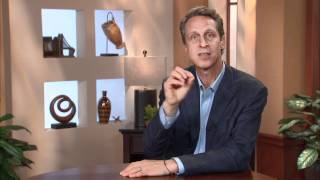
This is a YouTube video titled "Dr. Mark's Minute - Medication is NOT the Answer for Diabetes" created in February 2012. It features Dr. Mark discussing the inadequacies of traditional diabetes diagnosis and treatment, emphasizing the importance of functional medicine and patient advocacy in managing metabolic imbalances before full-blown diabetes develops.
[Finished] so how do you know if you have diabesity? Should you just check your blood sugar? Not really. Most doctors just check blood sugar when it comes to diagnosing blood sugar issues, which is actually the wrong thing to check because it only happens very late in the disease. If your blood sugar, for example, is 90 or 110, you don't have diabetes. And if it's over 126, you do have diabetes. But these distinctions are completely arbitrary and they do nothing to help treat the impending problems. I remember one patient, Darren, came to see me with a little bit of elevated blood sugar and I asked Darren if he'd seen his doctor about this and he said, yeah. I said, well, what did your doctor say? And Darren's doctor told him, well, we're gonna watch it and wait till your blood sugar is elevated and then we're gonna give you medication to treat diabetes. Now, this is an absurd attitude and it's harmful in the face of what we know about the problems that occur even in the absence of full-blown diabetes. And it completely ignores more subtle clues from symptoms and signs of disease, which can highlight underlying metabolic imbalances. And we can find these things when we do more testing. These imbalances may be remedied by getting the right treatment, treatment that's not focused on some disease, but instead works to balance the system by removing those things that alter or damage our function. that's why we call it functional medicine. And providing those things that help enhance or optimize or normalize our function. That attitude is also why diabetes is so woefully and inadequately diagnosed and treated, leaving millions of Americans suffering needlessly from chronic symptoms. We have the science, we have the tools, we have the knowledge, doctors just have to apply it, but you have to be your best advocate. You have to learn how to ask for what you need, and take your own health into your own hands.