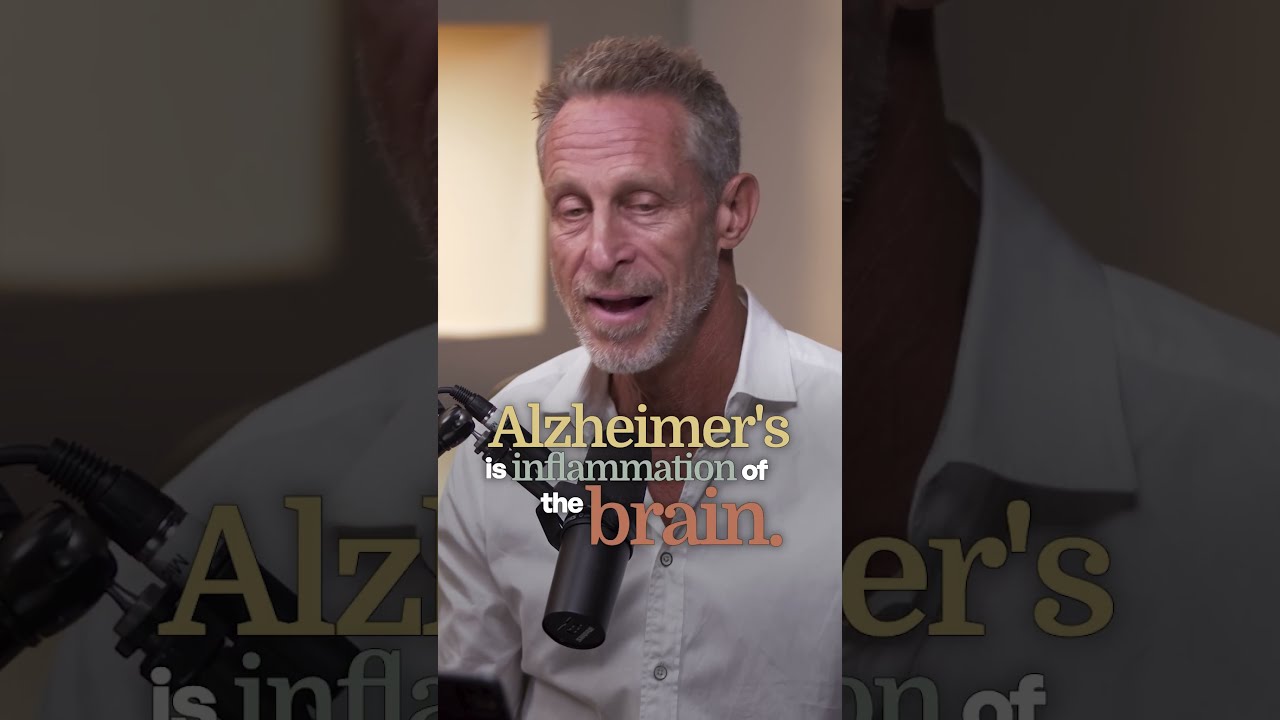
Autism, Alzheimer's, depression, heart disease, and cancer may share the same root cause: systemic inflammation. A Johns Hopkins trial found that a third of autistic children improved with rapamycin, a drug targeting the mTOR pathway linked to both autism and Alzheimer's.
Chapters
all these diseases, whether it's dementia, autism, or depression, heart disease or cancer, or any of these chronic fatigue syndromes, all these things, they're all tied to inflammation. So autism is inflammation in the brain. Alzheimer's is inflammation in the brain. I wrote an article years ago basically about how autism and Alzheimer's are very similar. If you look at these patients, they have a very similar profile of genes. They have very similar biomarkers that are abnormal. They have like very different manifestations, but it's very, it's very interesting.
It's funny you say that cuz I just did a Medical Detective Substack on it. Mm-hmm. The mTOR pathway, right? We're using, people using rapamycin and other things to get to it. It turns out that with autism and Alzheimer's, it's the same biochemical pathway. Yeah. Right? So they just don't have enough autophagy. They're, they're not getting rid of their damaged mitochondria. Yeah. They've got an ongoing inflammatory response. And if you give sulforaphane glucosinolate, broccoli seed extract to the autistic population, they did it at Johns Hopkins. Yeah. Outta third of these kids, their brains work. Yeah. And the same thing with the Alzheimer's. So you're right. Autism and Alzheimer's on a spectrum of neuroinflammation. Yeah, it's all neuroinflammation. And so instead of naming it, right, where is the inflammation coming from? And that's the whole point of EndoChronico.