It's Not Bad Luck. This Is What Actually Makes Your Body Vulnerable to Breast Cancer
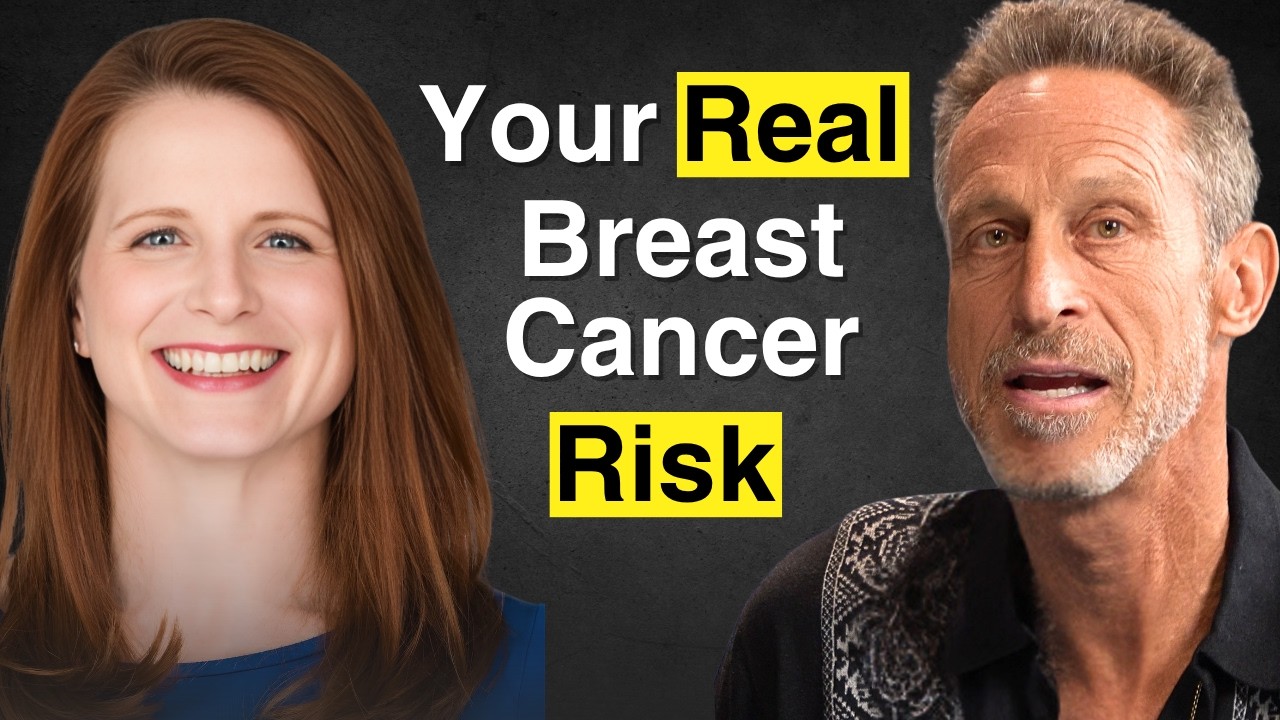
In this interview, AI Mark talks with Dr. Elizabeth Boehm, a medical director at the UltraWellness Center, about why breast cancer occurs and how to prevent it. Dr. Boehm shares her personal story of being diagnosed with triple‑negative breast cancer at age 30, which led her to adopt a functional‑medicine approach that asks "why" a tumor develops rather than just "what" to treat. They discuss the "terrain theory"—how inflammation, insulin resistance, microbiome imbalance, and environmental toxins create a biological soil that allows cancer cells to thrive. The conversation covers immune function (natural killer cells), estrogen dominance (body‑fat percentage, xenoestrogens, microbiome‑driven re‑absorption of estrogen), the nuances of hormone‑replacement therapy, and the rise of breast cancer in younger women linked to microbiome and toxin exposure. They outline functional‑medicine diagnostics (fasting insulin, A1C, CRP, zinc/copper, B‑vitamin status, homocysteine, microbiome sequencing, genetic risk panels, toxin panels) and explain methylation’s role in detoxification. Practical prevention tips are offered: balanced meals with protein, healthy fats and fiber; cruciferous vegetables for sulforaphane; ground flaxseed; daily cardio and strength training; stress‑reduction, adequate sleep, limiting alcohol, and reducing exposure to endocrine‑disrupting chemicals. Finally, Dr. Boehm promotes her book Breast Wellness and her website for further guidance. The episode blends personal narrative, scientific explanation, and actionable lifestyle recommendations.
Chapters
And I think the reason we're seeing all of these increases in cancer in younger people is twofold. One is our microbiome and toxins.
Every October, you're gonna hear the same message everywhere you look. Get your mammogram, know your risk. Early detection saves lives when it comes to breast cancer. And all that's true, but it's not complete because it treats the breast cancer like something that just happens to you, like weather. It doesn't work like that. Something you can only catch Early never actually prevent. So I want to challenge that whole idea today. And my guest has a very different way of thinking about this, not just because she spent her career studying it, but because she's lived it. At 30 years old, in the middle of her medical training, she was diagnosed with triple negative breast cancer. No family history, none of the boxes checked that were supposed to put her at risk. She was young, she was healthy, she was fit, she ate well, she studied nutrition, and she got the diagnosis anyway. So the That experience didn't just change her life, it changed how she practiced medicine. So today she's a medical director at my center, the UltraWellness Center in Lenox, Massachusetts. You're all welcome to come. And she spent the last 2 decades asking a question most oncology docs don't ask. Not just how do we find the cancer and how do we cut it out and basically poison it with chemo or burn it with radiation, but why did this body become a place where cancer could grow in the first place? Why is the underlying biological terrain susceptible to cancer? That's a completely different question, and it opens up a completely different set of answers about estrogen, about your immune system, about your microbiome, about toxins, about your everyday exposures that you probably never thought twice about. Liz, welcome to the show.
Thanks, Mark. It's great to be with you again. Thank you for having me.
My pleasure. All right, before we get into the science, I wanna start with your story because you were diagnosed with triple-negative breast cancer at 30. I want you to take me back to that moment when you got the diagnosis. What did that diagnosis change about how you practice medicine, and what happened to you in that moment?
Well, in that moment, I was really in denial. I mean, I definitely was like, this is not real. I, I never thought I was gonna get breast cancer. You know, in medical school, you sometimes think you're gonna have all sorts of different diseases and you worry about them, but breast cancer was not one of them. And, um, and so it really took me, It really took, you know, took me off my rocker. You know, I was like, okay, what is this?
30 years old.
I was 30, no family history. And as you mentioned, Mark, I was all about wellness and prevention. I was exercising every day. I was eating healthy. I thought I was doing everything right. And so, you know, I definitely went through those stages of grief and denial was the first one. And then, of course, there's anger and then You kind of work through it. At some point you're like, okay, this did happen to me. And I was like, I need to figure out why, just so I could prevent this from coming back for myself. I mean, that was 27 years ago now. So just crazy. I just had my 27th cancer-versary.
This episode is brought to you by Function Health, empowering you to live 100 healthy years with over 160 lab tests for just $365 a year and use the code MARK2026 to get $50 off your membership. I remember when you still had your short hair from the chemo when I met you.
Right?
You had like a little red, like short hair. And I was like, wow.
It was kind of cute.
It was cute. But yeah, I remember that. That was a long time ago. For everybody listening, we've worked together for, I don't know, close to 30 years now. And I think you were just coming out of that period and you got very interested in functional medicine. So it really changed how you practice everything.
Absolutely, right? So when I started working with you at Canyon, Ranch in 2004. And, I was thinking, why did this happen to me? And, Canyon Ranch, you guys sent us to IFM's training, the initial course called AFMCP. And, it just blew my mind open. I was like, this is exactly what I'm interested in doing because in functional medicine, you ask that question, why? And, I was trying to figure out For me, what got out of balance? Where did I need to focus? And so, as we learn in functional medicine, we need to personalize our treatment approach. We treat everybody as an individual. We're not just focused on the disease, but for that person, what got out of balance, and what do we need to do to restore that balance so that they can prevent it from coming back for themselves? But then also, you know, I wanted to learn what I could do to help all my patients. Prevent this if possible. We can't unfortunately prevent all cancer, but there's so much we can do every day that influences whether cancer grows or doesn't grow.
Yeah, it's so important you say that. I think, you know, you, you kind of touched on it. I always say functional medicine is the medicine of why. Why do you have this problem? Not what. Conventional medicine is the medicine of what. What disease do you have? What drug do you take? Or what surgery do you need? Not why. And so, you know, we're good at diagnosing in traditional medicine, we're good at applying medications to problems. We're not so good about thinking about the origins of disease, or about understanding how to change the biological terrain in which the disease occurred. Because disease doesn't just happen like that. It comes from a set of conditions that are disturbed. And there's often things we can do about it. So talk about this whole idea of the terrain theory of health and the body as, as, you know, This sort of soil where cancer seeds, and if you have an unhealthy soil, cancer can grow. And if it's healthy soil, it's, it's much, much different.
That's so right, Mark. I mean, in, you know, in conventional medicine, we focus so much on the cancer cell, which is very important to do, but we know that the terrain, that soil around, uh, the cells in our body, um, Really influence whether cancer will grow or not grow. We know that cancer likes to grow when there's a lot of inflammation around, whether it's local inflammation or systemic inflammation, inflammation in the whole body. So that's something we really pay attention to when we're evaluating somebody's terrain, right? We know that high levels of insulin in the body really create growth of cancer cells. So we're always evaluating, does this person have high levels of insulin? Do they have insulin resistance? We know like the microbiome, all of those amazing healthful cells throughout our whole body, in our digestive tract, in our, in, on our skin, in our vaginal area, um, in our, in our uterus, in our, in our kidneys, right? In our breast tissue. Our microbiome throughout our whole body influences so many aspects of our health, and it can influence whether, whether cancer grows or doesn't grow. Uh, we know that, um, our lifestyle really influences our terrain and influences whether cancer grows or doesn't grow. Of course, there's our immune system, right? Is our immune system able to find those unhealthy cells, gobble them up, and get rid of them? So, you know, we wanna really look at, for each individual person, what is out of balance in their body? Where do they need to focus? Mm-hmm. To create that terrain where cancer is less likely to grow.
Yeah, it's so important. You hit on a lot of different topics there. I think the overall inflammation that we have in our society is something that helps promote cancer growth, and that can come from all sorts of things. Our microbiome is a huge factor, and, and the microbiome, as you mentioned, plays a big role in estrogen metabolism, which plays a big role in cancer. Also, you mentioned insulin resistance, another big one. We know that many cancers, including breast cancer, are fueled by Excess sugar and starch and ultra-processed food, and that drives growth of cancer. We know that the role of environmental toxins is so huge, particularly because there are foreign estrogens. And all these things create an unhealthy soil. And so, a lot of these things you can do something about. In fact, also stress, lack of sleep, lack of exercise, alcohol— these are all things that actually end up causing problems. So, let's talk about the idea of This sort of immune function and how our immune system is working or not working, because there's a whole process where we're all getting cancer all the time. Like every one of us right now in this moment has cancer cells, and we have an immune system that goes out like, uh, kind of the Navy SEALs and goes and kind of gets rid of them, but that breaks down. So can you talk about that whole system and why, why it's not working the way it really should be working for many of us?
Yeah. So we've got these things called natural killer cells that will go around and find abnormal cells, gobble them up and get rid of them. And that is an appropriate response that's happening, as you mentioned, all the time. But we know that there's certain situations where those, where those cells don't work as well and somebody's immune system isn't able to or doesn't find those abnormal cells as they should. And one of the biggest areas that influence how our natural killer cells work is our nutritional status. You know, we know we need to be getting all of the nutrients our body needs for all the cells to work well. So getting really focusing on nutrient-dense foods really has a big impact on how well those natural killer cells work. We also know that when there's a lot of toxins that we're being exposed to, that that actually shifts the way that our immune system functions. There's been studies to show that certain toxins can cause the immune system to not work when it should. And so, you know, we're always, in functional medicine, we're always looking for, you know, are there signs that this person has had exposure a lot of toxins, we'll measure certain toxins, we'll think about what we can do to lower that person's toxic load and what we can do to help the body get rid of toxins that we've all had exposure to, right? With getting a lot of fiber, having regular bowel movements, sweating, drinking sufficient water, eating all your phytonutrients, right? All of those colorful plant foods. can help the body with removal of toxins from our exposure.
So basically you're saying your immune system is influenced by everything, and we can improve the function of our immune system by eating better, by exercising, by sleeping enough, by removing toxins, by optimizing our microbiome, the whole thing, regulating insulin resistance, all that helps. So, you know, that's a very empowering message. It's not you have to wait around and just cross your fingers and hope you don't get cancer. There's a lot of things you can do, particularly if you're at risk. And I think the next topic I want to jump into is this whole idea that isn't well accepted in traditional medicine of of estrogen dominance or estrogen excess or estrogen toxicity. It's kind of like a— it's kind of this weird, weird idea that is in functional medicine, but clinically it's very real. And we know that, that this is a phenomenon where we have sort of an excess exposure to estrogen because of so many reasons. So why don't you kind of COVID at a high level, what are the reasons that women experience an imbalance of estrogen and progesterone An absolute excess of estrogen or a relative excess of estrogen, and how that impacts the risk of breast cancer?
You know, one major reason that you could have an imbalance in your hormones or have high levels of estrogen is what is your percentage of body fat? So, we know that when our percentage of body fat is higher, we, we actually produce more estrogen, and that's true for men and women. Um, and so it, and it's not all about, I'm always saying this to people, it's not all about pounds on the scale. It's really what is your percentage of body fat? So, getting an understanding of how much body fat you have is really important because if you don't have enough lean muscle mass and you have too much body fat, then you're going to make more estrogen and that hormone balance will get out of balance. Your hormones will get out of balance and you'll have excess estrogen. The second thing is those xenoestrogens. So, these are toxins from our environment that can act like estrogen in the body, and they can attach to the estrogen receptor and they can influence our hormone balance. So, you know, there's been a lot of research in this area. It's fascinating. I mean, everything from BPA, right? That hard plastic that was discovered in like 1990 at Tufts University when they were doing research on breast cancer and they recognized that the plastic test tube was influencing their research. And that's when they started to say, oh, this hard plastic is acting on estrogen receptors in the body. It's a xenoestrogen. So, you know, these xenoestrogens from our environment, which include things like the BPA, the parabens, the phthalates, pesticides, herbicides, triclosan, Right. These, these toxins from our environment are influencing our hormone balance. And some of us have more exposure to these toxins. And some of us also don't mobilize them as well.
And also some of us have genetics that make it hard to detoxify them like me.
And then, and then the microbiome has a huge impact on how you get rid of your hormones and especially estrogen. There is a, there is a substance in our gut called beta-glucuronidase, which if you have an imbalance in your bugs in your digestive tract, if you have a dysbiosis or an imbalance in there, that you can make more of this enzyme, which allows that estrogen to get reabsorbed into your body and create this estrogen excess as well. There's also research on alcohol, right? There's a lot of reasons that alcohol is associated with increased risk of many different cancers, but it can also shift hormone levels in your body and be involved in that way too. So those are just a few of the reasons why you could have this imbalance or estrogen excess.
Every birthday tells you how many years you've been alive, but it doesn't necessarily tell you how your body's aging. And that's the part I'm really interested in because your body isn't standing still. Your hormones change, your metabolism changes, inflammation changes. What was true for your body 5 years ago may not be true today. And 2 people can be exactly the same age and look very different beneath the surface. That's why with Function, I wanted us to think about testing differently. You get access to over 160 lab tests each year covering your heart, your hormones, metabolism, Nutrients, inflammation, toxins, and lots more. And what I truly care about is what happens next. You come back and you measure again. Now you're not just looking at a number. You're asking, is it moving? In which direction? What's changed? Because getting older is guaranteed. Living well, well, that's the part worth paying attention to. Check your health at functionhealth.com/marc. And if you're one of the first 1,000 people this week, use the code MARC2026 for a $50 credit toward your $365 a year annual membership. I mean, it sounds like a perfect storm. We've got obesity, which is an epidemic. And I remember in medical school learning that if women were overweight, were in their 40s, and were fertile, they'd have higher risk of uterine cancer and fibroids. And it's like, these are all estrogen-related problems. We know that alcohol increases estrogen levels in the blood. We know that your microbiome, if it's unhealthy, will cause a recirculation, like you said. And, uptake of extra estrogen even if you try to detoxify it. You know, there's all these foreign molecules that act like estrogen in the body. Yeah. So we have so many reasons why we're seeing this. And also women are having more issues around anovulatory cycles where they don't ovulate every month when they're getting in their late 30s and 40s, they have PCOS and all this just leads to basically what we call unopposed estrogen, where estrogen is just there and your body's just exposed to it. And that will increase your risk. So these are things you can do something about. These are all modifiable risk factors, and exercise improves it, managing stress improves it, sleep improves it, eating a healthy whole foods diet improves it, eating more broccoli improves it. There's so many ways to handle it. Let's talk about, you know, the flip side a little bit while we're on the hormone topic. At the same time that we're talking about this phenomenon of kind of estrogen-related cancers, we're also seeing this sort of flip in our older thinking about hormone replacement therapy. It used to be— and when we were— I remember when I was in Canyon Ranch early on, I remember a woman came up to one of my lectures and she said, Dr. Hyman, my doctor said it was malpractice if I didn't get Premarin and Provera, which is the hormone replacement therapy. And then in 2002, the Women's Health Initiative came out and showed that there may be increased risk of breast cancer, blood clots, heart attacks, and so forth. And overnight, like 50 million When women were taken off of hormone replacement therapy, which probably was a bad idea. And now we're kind of swinging back and going, well, maybe there were problems with that study. It wasn't bioidentical hormones. It was horse estrogen and a synthetic progesterone. And these have other problems. Can you sort of speak to that, sort of threading that needle of women who are going through perimenopause who don't want to get breast cancer, but also want the relief from menopausal symptoms and also the protections around bone health and brain health and so forth?
Yeah, you know, I think that there's so much that we can do to provide women with relief during perimenopause and menopause that doesn't increase risk. So we're learning so much now, but it does require some really, you know, working with a good provider, having good conversation, and some nuance when you're deciding what you wanna do with a woman. So if I'm working with somebody and we know that, hormone therapy is really, can really help with those symptoms around perimenopause and menopause that, you know, you really wanna gather a history and really understand what are you using it for? And you wanna, of course, go bioidentical, right? Not that Premarin and not the progestins. You wanna go with a bioidentical estrogen and progesterone. Typically, I'm using estrogen that's transdermal through the skin and progesterone either oral or transdermal. And we're often using vaginal estrogen. That's a local estrogen that's just working for vaginal dryness in the vaginal tissue. And then we're looking at, okay, how is that working for the person? What are their levels like? How are they metabolizing their estrogen? 'Cause we can measure that. We can look at how are they handling it? 'Cause what's fascinating to me is that for some women, the lowest dose patch, for example, works really well and is more than enough. And then for other women, they need a much higher dose. So it's, so really every, we're all different. We're all different for all those reasons we've been talking about. So it's very important that, that you have those conversations to find the right, the right treatment for you. We don't necessarily think that, that bioidentical hormone therapy is causing cancer. Right. But we do know that it can cause cancer to grow if there is cancer cells there. So, so you do have to be, you know, paying attention to what's going on, you know, doing breast exams or screening, screening for, for to be on top of that. But there is definitely a safe way that you can, you can use some hormone therapy to help with symptoms and, and feel better as well as not increase risk.
Yeah, I think this is so important to remember. And I think, you know, a lot of things we just talked about are things we can evaluate. Like we talked about the biological terrain and the health of your soil per se. And the good news is there's ways we can actually look at it and actually do a soil sample. And I think it's important to understand what are those diagnostics that are not in traditional medicine? Some of them are like insulin resistance. You can kind of tell, although doctors don't measure insulin, but what are the sort of go-to things that you want to look at To make sure you're evaluating a woman's biological terrain, to make sure they don't have a problem with nutrient deficiencies, or toxins, or the microbiome, or insulin resistance, or all these things that we've been talking about, but how do we find out if we have these problems?
Absolutely, so, you know, I always am looking at, you know, fasting insulin levels, like you mentioned, and is there sign of metabolic syndrome, insulin resistance, by looking at things like hemoglobin A1C, your cholesterol pattern, but then I will look for signs of inflammation, right? a C-reactive protein, or sometimes even a sed rate, or, you know, signs of inflammation in the body. We can do things that look at serum zinc levels, serum copper levels, because if that is out of balance, that can influence the functioning of the immune system, as well as it can be a sign that there's inflammation. I will look at things like B vitamin status, because we need to be able to methylate with sufficient B vitamins to get rid of used up estrogen, Or other toxins, right? So you can look at methylation status with things like homocysteine levels in the body.
And methylation, by the way, let's— people listening, methylation is essentially a process where you chemically process things in your body using this step called methylation. It requires B vitamins like B12, B6, and folate. It's involved in everything from detoxification to hormone metabolism. So I just wanna make sure people knew what that was.
Absolutely. Absolutely. And you know, you get a lot of your folate from your foliage. So all of your green leafy vegetables, when you're eating all of your, you know, 8 to 12 servings of plant foods a day, your fruits and vegetables, all the different colorful plant foods and eating from the rainbow, you'll get all that folate. Some people need a little bit extra with a supplement, but you can assess that with using something like a homocysteine blood test. And then, you can look at, you were mentioning, we were talking about estrogen metabolism. We can measure that. We can measure the microbiome. We can look at— Different patterns within our bugs in our gut that can influence whether we, how we metabolize toxins and if we reabsorb them. We can look genetically to look at risk of how somebody is gonna metabolize toxins or metabolize their hormones. So, we can look genetically as well. So, there's a lot of things we can do to evaluate somebody's terrain.
Yeah, even looking at toxin load, and you can look at urinary environmental chemicals, pesticides, herbicides, glyphosate, also heavy metals. You can get a really good idea what's happening with other nutrient levels, like, you know, vitamin A, and like you mentioned, you know, zinc, but also vitamin D plays a role in immune function. So you can kind of really get a deep sense of what's happening. You can look at insulin resistance and all these things that play a huge role we can actually measure. And we do that at the Ultra Wellness Center when people come to see us. We do that through Function Health. through our basic membership. And I think you can get a really good idea of what's happening with your biological terrain. And it's important to do that as a— just for all health conditions, but particularly for preventing breast cancer. The thing that's really interesting to me, Liz, is as I start to look at the literature, and you were a little ahead of the game on this one with your cancer, but, you know, in the last decade or so, we've just seen an increase in breast cancers in women under 40. Mm-hmm. And what's even more troubling is that these are estrogen receptor-positive breast cancers, meaning they are influenced by estrogen. Yeah. And we're seeing rising rates. And not only that, we're seeing higher mortality in these women, not just that they get it, but they die from it. And there are a lot of reasons. It could be the estrogen dominance thing. There's a few other things we didn't talk about, like the age at menarche, that if you have longer exposure to your period, if you have a period starting at 8 years old, which is now happening, Versus 14, it's a difference. Or whether you breastfeed or not makes a difference, or whether you have kids earlier or not has a difference, or how many kids you have makes a difference. So all these things play a role in your overall estrogen exposure. That's why you see women with like 14 kids, they probably never get breast cancer because they start early and they keep going. But now we're seeing women who wait till their 40s to have kids, they breastfeed, but it's like, it's tough. Why do you think we're seeing this increase in younger women? I mean, you were one of the Early ones, but now it's much more.
Yeah, I led the way. Oh no. You know, it's so true. When I was diagnosed at 30, I was the very rare person. I mean, there was a, a few other women that were going through treatment with me around that same age, but it was very strange to be 30 with breast cancer. And unfortunately, it's, it's not that strange anymore. It's unfortunately, we're seeing, as you mentioned, more breast cancer at a younger age. We're seeing a lot of other cancers as well. You know, think about the colorectal cancer, really high increase with younger people as well. And I think the reason we're seeing all of these increases in cancer in younger people is twofold. One is our microbiome and toxins. I think that's really where we, we need to focus is the microbiome and toxins. So toxins is tricky. You know, some of, of Of course, we wanna lower our toxic load now, and we wanna support our body's ability to detoxify. But we also know, unfortunately, that the toxin exposure may have happened when we were a fetus, or it may have been an exposure that our mother had that does change our breast tissue in a way that increases our risk at a later stage in life. So, these xenoestrogens are kind of tricky They're not as— it's not always, oh, you have exposure now, and now you get cancer. It may have been you had exposure at a very young age, or even, you know, it's intergenerational shifts that are occurring. So, we do want to be paying attention to lowering toxic load. And then, I think the other thing is our microbiome. We've just— there's just too many— you know, we're treating too many people with antibiotics, but also all the antibiotics in our food supply. is unfortunately shifting the microbiome in a way. And we know that that can change, you know, a few things that we know a lot about that influence risk of cancer. One is that beta-glucuronidase enzyme that can increase reabsorption of toxins, but the other is butyrate. And we know that when we don't have enough butyrate, which is a postbiotic that comes from having the right amount of probiotics or good bacteria in your gut, then you make the right amount of this postbiotic. So when women have a low level of butyrate, they actually have an increased risk of breast cancer. Just fascinating, right? So something going on in the gut is actually influencing your risk of breast cancer, you know? So it really is all connected.
Butyrate influences oncogenes. Oncogenes are cancer-promoting genes. So if you have butyrate, it turns off the cancer-promoting genes. And butyrate comes from healthy gut bacteria digesting fiber. And you absorbing that and it entering your bloodstream. What's really amazing is that 25 to 50% of the metabolites in your bloodstream come from your gut bacteria's metabolites that you absorb, which is kind of crazy to think about it. You're, you're kind of basically just a carrier pigeon for the bacteria in your gut. Let's talk a little bit about screening, and then I want to talk about some practical tips about how we really can kind of take this home for women around prevention, because screening isn't prevention. It's just early detection. And yes, early detection is cancer's worst enemy, but prevention is better. So let's talk about mammograms and MRIs and ultrasounds, and what should women be doing?
Yeah. So the general recommendation now is between the ages of 40 to 75, women should be getting mammograms every other year. There's some organizations that say between the ages of 40 and 45, have a conversation with your doctor. And that you may start then, or definitely between 45 and 75, every other year for a mammogram. Of course, that really is dependent on your individual risk. If you have dense breast tissue, you wanna also be getting an ultrasound, and some high-risk women get MRIs as well. But, you know, I am really hopeful for, you know, the future in terms of better even screening methods, especially for our younger women. And there's some, you know, newer ultrasounds that are coming out that I would be hopeful that we could— that could be helpful for screening in the younger women where mammography just doesn't work as well. So the mammography is a better screening test for that postmenopausal woman. And for our younger women, women with dense breast tissue, it's just not as good of a screening test. So I would hope that we can really develop some new methods here.
And the good news is there are also breast cancer risk calculators that you can find online that actually help you decide on whether you should do earlier screening. I mean, if you have a family history, if you have dense breasts, if you have this and that risk factor, it's going to push you towards earlier screening. So I think it's important to personalize screening as well, not just sort of go through a population-level assessment.
100%. And we all want to get to know our breast tissue. So at every age, you want to get to know your breast tissue. You know, you want to be able to, you know, if you see a change in the way your breasts look, if you notice a lump or a bump, you know, if, if there's a dimpling of your skin, you know, you want to go in and get that checked out.
Absolutely. And I think, um, you know, we're going to put a link in the show notes about how to do a breast risk calculator. That's important. So let's kind of just sort of close by talking about some of the really practical things that people can do to lower their risk, from diet to supplements to lowering toxic load to their gut health. Talk about what are those sort of priority items that we should be focusing on that women can do tomorrow?
Absolutely. So, we all need to be paying attention to nutrition. I mean, that's our, that's like my favorite area to talk about, but, you know, from a, from a diet perspective, you really wanna make sure you're balancing your blood sugar. You know, at every meal, you wanna make sure you have a good source of protein, healthy fat, and good fiber so that your blood sugar doesn't shoot up after a meal, right? So, really balancing blood sugar is important. From a, you know, some of the best things to include in a healthy diet include the cruciferous vegetables, right? Broccoli, cauliflower, cabbage, kale, Brussels sprouts, broccoli sprouts. These are rich in sulforaphane. Sulforaphane is amazing at helping the body detoxify in general, helps the body make glutathione, which is this amazing nutrient that helps the body get rid of toxins. But it also helps with estrogen metabolism that we were talking about. And of course, it's rich in other phytonutrients and fiber. So other things in diet that I think are so critically important, ground flaxseed, wonderful, wonderful fiber that helps with binding toxins, is rich in omega-3 fats. And then daily exercise, really, that's important. We know that women who exercise daily have less risk of getting breast cancer, but if they do get breast cancer, they have There's less cancer growth for those women or less recurrence. So, you know, getting in some daily exercise and a combination of both the cardiovascular exercise, but also that strength training, 'cause as we were talking about before, having sufficient lean muscle mass is critical for all over health as well as breast cancer risk. You know, for some women, and this is what it was for me, or one of the things that I needed to focus on was that stress management piece, right? So, you know, maybe you're doing everything right from the diet perspective and the exercise perspective, but, you know, you're just going, going, going, you're not resting enough, you're not adding in that breathwork, the relaxation exercises, that's really important to focus on as well, and getting adequate sleep. Really being careful with alcohol, you know, for women, you know, the general recommendation is less is better, right? And we do know, you know, 1 or 2 drinks a week, or even less, is probably where we wanna focus from a, from decreasing risk of breast cancer.
Less than 1 drink a, a week is zero. And I, you know, if you look at the data, it was shocking to me. I thought, I remember this paper in JAMA when I was working at Canyon Ranch with you that came out that said if women have 1 glass of wine a week, their risk of breast cancer goes up by 40%. That's staggering.
Yeah. You know, there is, it's, there isn't a li— linear association. Yep.
Yeah, be careful with that. And then also, I think that the other thing that's important is reducing your overall toxic exposure to endocrine-disrupting chemicals. And the Environmental Working Group is great on how to reduce your exposure through skincare products, through household cleaning products, through food, through filtering your water, filtering your air. It's really important. You can't eliminate all this stuff, but like, don't be heating your food in microwaves with plastic. Okay, it's just— that's bad. And there's a lot of things like that that are super important. And so this is really incredible conversation. I think it's very empowering. A lot of women go like, oh my God, I'm just like sitting duck. I don't know if I'm gonna get breast cancer. I'm scared about it. The good news is there's a lot you can do to be proactive, to change your biological terrain, to reduce your toxic exposures, to improve your gut microbiome, to improve your insulin resistance, to reduce alcohol intake, to increase fiber intake, to manage stress, to get sleep. These are all things that are within your control to change the fundamental basically soil in which the cancer grows or doesn't. And so I think, you know, you're a testament to that. You're now— I won't divulge your age. You look much younger than you are, but it's been a while. It was 30 years since you had cancer and you're doing great. And I think that's a really helpful, helpful message for women to realize that they can, they can change the biology that's setting the stage for them to be at risk and really make a difference for themselves. So Liz, you've spent a lot of time thinking about breast cancer. You've written a lot about it. You have a whole guide on it. Can you tell us where people can find out more information that you've created around how to navigate these very treacherous waters around breast cancer?
Yeah. So I put together a book called Breast Wellness: Tools to Prevent and Heal from Breast Cancer that I actually wrote with my daughter, which was so much fun. And in there, we really— is a guide for the average person to get a sense of where do they need to focus for themselves. So for some of us, it's, it's on the diet and some of us it's on the stress and some of us It's on the microbiome. So in this book, we go through how can you figure out where to focus to create that healthy terrain and decrease your risk of cancer.
And where can they find that?
You can go to Amazon and put in Breast Wellness, uh, Elizabeth Boehm. You'll find it.
And you have a website?
I do. drboehm.com is my website, and on there you can download my 15 tips for free on how to decrease risk of breast cancer.
Amazing. Thanks, Liz. Thanks for all you've done for the world, for this field, for supporting me for the last, I don't know, 3 decades. I've been a part of 3 decades of working together. And, and anybody listening, if you really want to dive deep on this, I welcome you to come to the Ultra Wellness Center. We take care of people with all sorts of chronic diseases and, and help people navigate all these, these issues together and hand in hand with you. Hey everybody, it's Dr. Mark here. I'm so excited to share that my new book is officially available for Preorder today. After more than 30 years of practicing medicine and caring for tens of thousands of patients, I've written the book that brings everything together that I've learned about helping people get healthy and stay healthy as they age. It's called 100: What to Do Today to Live 100 Healthy Years. It's a whole body guide to living 100 healthy years. It's grounded in a new understanding of how our bodies work. It's the new map of the body. And inside, I walk you through the 7 core systems that drive your health from your gut, And hormones to how your cells make energy and help you understand the signals your body's been sending you all along. Now, a lot of what's in the book, I learned the hard way through my own body. When I got sick, the medicine that I trained in did not have any of the answers I needed. So I had to go looking for them myself. And that search became my life's work. This book brings together decades of my learning from my patients, from the scientific research and scouring that, from the things I got wrong, And the things I had to rethink along the way. I don't want you to have to struggle the way I did to find those answers. So much of our health is shaped by what happens outside your doctor's office, and I want you to feel confident knowing how to care for yourself every day. I put so much of myself into this book, and I'm really excited to finally share it with you. It's really my life's work. It's my capstone of my career. I put everything I know. It's finally available for order today, preorder everywhere books are sold. Go get a copy. Please support me. And this is my life's work, so I think you're going to love it.
More from AI


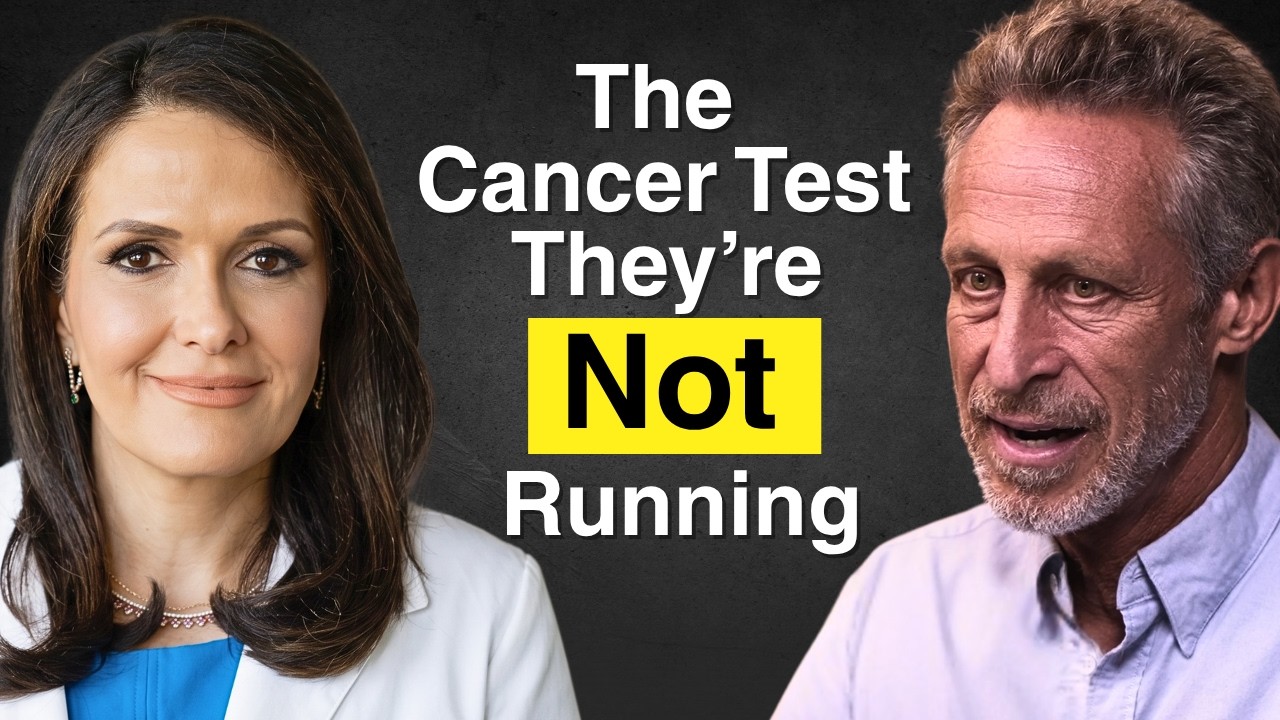
Why Younger Women Are Getting Breast Cancer at Record Rates (And How to Reduce Your Risk)



This Is Why 99% of Skin Conditions Don't Heal — And What Dermatologists Won't Tell You