Psychedelics: A Strange New Therapy For Treating Trauma & Mental Illness? | Dr. Pamela Kryskow
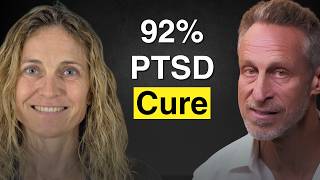
Dr. Pamela Kryskow discusses how psilocybin, ketamine, and MDMA are showing clinical promise for treating PTSD, depression, and anxiety. The conversation covers how these drugs work in therapy, patient outcomes, and why Indigenous healing practices are being integrated into modern clinical settings.
And we see success rates of PTSD resolution of like 92% in 12 weeks. Positive moods go up, depression goes down, anxiety goes down.
Can you talk about the different types of psychedelics that are being out there used and how they kind of work to deal with some of these really recalcitrant mental health problems, psilocybin, ketamine, MDMA, and your experience with them.
You know, there's so many of these medicines like you alluded or you talked about are coming back and how exciting Because again, as you said, we've been in this area of psychiatry that's been biological. Oh, you have a problem? Here's a pill. As opposed to, like you said, getting to that root cause. And I think we in medicine are like, no, we're ready. We haven't liked that system. And we really do want to get to the fundamentals of health. And so we have these psychedelic medicines that are coming back. And, you know, the history of it too is really important that people know, like especially in Canada, LSD and psilocybin were used. They were used in Saskatchewan and Wayburn Mental Hospital. They were used very successfully, you know, for alcoholism, for substance use, for treatment resistant depression. And then we had the war on drugs that kind of like shut it all down. Was that in the sixties this was going on?
Yeah, in the fifties and the sixties.
And, you know, kudos, our shout out to Dr. Erika Dick, who is a brilliant Canadian historian and is really chronicled going back into these patient archives and reading the patient's description of what they had before and how they felt after with these medicines. And you ask, how are these medicines coming back? And over the last five years, definitely this is, again, shout out, we always need to really acknowledge whose shoulders we're standing on. Roland Griffiths really and his team at Johns Hopkins, they really opened the door. They were persistent and they got the first trials through to use psilocybin for end of life to show us that this was possible. And I think that opened a lot of our eyes up in medicine that, whoa, maybe these are going to come back. Maybe this is going to be a possibility again. And as many of your listeners will know, and of course, you know, we're seeing Lots of emerging evidence for psilocybin for treatment resistant depression, for distress at end of life, so depression and anxiety at end of life. We've had a couple clinical trials now for substance use disorders such as alcohol use, like two or three sessions with psilocybin, you know, having durable effects going out, you know, 12 and 24 months. Tobacco cessation, going out with two or three sessions, going out. And when you think of the billions of dollars we spend on pharmaceuticals to help these exact problems and the durability of those effects are like really hovering at 30 to 40% success rate. And, and share.
How does that compare to traditional success rates?
Well, that's what I mean. Like you take a medicine that you would prescribe as a physician for, let's say, tobacco cessation, you know, a 12-week course of medicine that in my patient case that they're doing it every two, three years, or even more regularly and still not quitting their tobacco, whereas the psilocybin, we're looking at two or three sessions and still a success rate close to 70% two years later. That is these kind of numbers we don't see in addiction therapy. No.
I mean, yeah, recidivism is people, it's very high and success rates are, low, you know, double digits, like 10, 20%, if that. And, and the same thing with, you know, food addiction, with depression, treatment resistant depression, with, you know, so much of the psychiatric problems people have. And, and yet, and PTSD, you know, these are things that debilitate Society that costs enormous amounts of money. And, you know, I did a review of, you know, the economic impact of chronic disease, and, you know, it was estimated that it was going to cost Society 95 trillion dollars over the next 35 years. It's enormous amount of money. I was like, almost three and a half trillion dollars a year and A lot of that, a lot of that was the indirect costs of mental illness on society. In fact, the number one category or problem wasn't diabetes or heart disease or obesity. It was actually mental illness and depression particularly that was debilitating to people in such a way as it made them not able to live their lives. And so, if there's this new treatment out there that has success rates that are double, triple or even more the conventional therapies. It's instead of a big, it's big news. It's like, wow, we discovered the cure for cancer or something, you know? And I don't wanna overstate it, but I do see these results and I see it in clients who've used it. I've been reading the literature. Can you highlight some of the important studies that have sort of documented this and their comparative value to, for example, traditional psychiatric treatments? Yeah, well, you sort of briefly mentioned the one, but I'm going to say-.
Yeah, you've talked about depression already and what we know with our medications or SSRIs, you know, they're hovering depending if you bring in all the negative studies that weren't published and they're hovering right around placebo and we're not seeing that. I mean, there's certainly- Hovering around placebo, I like that.
That means like not effective.
Well, it's really the doctors, it's that therapeutic relationship that's doing it. But I mean, the big picture is that stepping back versus a caveat is these are not chiroalls. That's not, but for the SSRIs, there are certainly a portion of the population that respond well to them. And I think that's what we really need to acknowledge. Some of these medicines are life saving for people. And I don't want to throw them out at all. For the people that respond to SSRIs or SNRIs or other medications, They're fantastic, but there's so many people that don't respond to them. And so for those people, when we start looking at, you know, like a psilocybin session or a ketamine session done really well in a therapeutic container or MDMA, you know, we're seeing the reason that, like you said, the fundamental, the foundation that is causing, you know, those other symptoms. And it's very rarely just depression. It's often depression, it's often depression and anxiety, it's often substance use or other self-soothing behaviors. sex, eating, smoking, there's other self-soothing behaviors that are completely logical for people trying to feel better. And the psilocybin studies and the caveat here is remember the psilocybin studies are on the synthetic psilocybin. The majority of the clinical trials have been done with the synthetic. So we actually haven't even seen the clinical trials of how good it will be with the whole mushrooms. So we have this really interesting situation, Mark, in that all the clinical trials other than a few now are all using synthetic psilocybin. And all the people out there that are having a psilocybin mushroom session in the real world are using psilocybin mushrooms. So we have a bit of a disconnect. So we don't even have the clinical trials that are actually looking at the psilocybin mushroom, which have many more constituents in them than just the synthetic. You know, you have bael cistin, nor bael cistin, nor silasin, silasin, and many other constituents. So I think that's an exciting place there is what kind of results are we going to get around depression when we can actually really do good studies with the whole mushroom. And what we're seeing, like, for instance, in our program, we have an end of life. So we're supposed to thrive. We have an end of life cohort, and that's what we work with that go through. And their depression scores at the beginning to the end are clinically six or seven points better, which is a huge difference.
Which is a lot.
Yeah.
Is this the Hamilton Depression Scale?
We mostly use the PHQ-9. We try to use something that's shorter and smaller because we are working with people that have end-of-life distress and we don't want them to be doing a ton of long questionnaires.
But yeah, and these are standardized research validated questionnaires that researchers use to actually measure the effectiveness of interventions for depression. So I think this is, you know, when you see a big, it didn't sound like six or seven points a lot, but it is actually a big delta on the improvement in depression.
Yeah, that's a huge, I mean a lot of the medications are just looking for two to three points. And that's considered a success. And we're seeing six to seven double that. in these studies. So we're seeing quite a bit, but it goes really back again to what you said earlier. It's like we're hitting the foundations, we're hitting the root trauma, we're hitting that thing that they've been carrying their whole life, that has really influenced their mood. So often, these human conditions that so many people have of I'm not good enough, I don't belong, my parents didn't love me, you know, all these things that just, you know, sit at the base of our wellness. And is, you know, when you extrapolate it out, it's the reason, like again, back to Gabor Maté, why we see addiction or why we see other self-soothing behaviors or anxiety or depression, et cetera.
You know, it's a crisis, it's sort of a soul crisis in a sense in our society where we're all sort of living in worlds where we're disconnected from our original ways of living as human beings close to the earth. in concert with nature, you know, eating real food and deep community and tribal networks. We're isolated, we're disconnected, we're disjointed. We have social media, but it's anything but social. Sorry, anti-social media. Yeah, social media. Yeah, very destructive. More disconnected, more isolated. And, you know, I remember, you know, as a young man, I, I had the chance to take psilocybin mushrooms, magic mushrooms in college, and. I think we had some big doses because now they talk about heroes doses and I've tried it and it's not anything closer to what we did in college. And I remember this feeling of really having a profound sense of connection with nature and with the friends that I was with in those moments and sort of a dissolving of the sense of separateness, which is sort of at the root of depression, right? It's this sense of disconnection, isolation, meaninglessness, hopelessness. helplessness and these compounds somehow change our brains in the short term to actually dissolve some of this sense of separateness and isolation and disconnection, which gives us so much of our existential suffering. So can you explain the science behind how that might work and what the theories are behind it? I know there's been a lot of talk about, for example, the default mode network and the dissolution of the ego and Ego death and all these sort of terms, which I don't know if people understand what they mean, but can you talk about it from a scientific perspective, you know, what actually may be happening and how this works to sort of change people's sense of relationship to themselves, to others, to the earth, to nature, to humanity after they take one of these compounds.
Yeah, well, and that's such a big question mark. So not question mark, but question mark. It's, So first off, we have tons of theories, right? We have tons of theories on the mechanism of action of all these medicines. Like, which receptors do they bind with and what is the downstream response to that? Which neurotransmitters are released? So we're looking at a lot of things. So we've got the classic psychedelics like LSD and psilocybin. We've got psychedelic-like, but I would argue is very psychedelic like ketamine. and then like MDMA, which is a pathogenic and how they all work. And so, you know, there's some common threads that you see, so I'm just kind of try to weave them a little bit together, but not perfectly. You know, so there's just one part where we do know that for people that are in like a PTSD response, you know, this, their amygdala is kind of running the show. And so we see that with like stuff like MDMA, we see the amygdala gets this calmed down. and then more active like the prefrontal cortex. So you get into this parasympathetic. Dr. Julia Holland is excellent at really talking about getting into the parasympathetic and where you can really just be calm and thoughtful and not having the alarm bells running your life. And so there's that one element there that it gets us calmed down so we can then think and be. There's other theories that work around, you know, getting.
So just to recap that for people, basically there's a part of your brain that's the old reptile brain, the lizard brain, fight or flight or freeze. And that's the sort of limbic brain or where the amygdala is, which is the sort of, you know, fear center in the brain. And the frontal lobe is more the adult in the room, the grown up, the person who has perspective and in charge of executive function and can kind of sense the world in a more accurate way. And often they're disconnected in our modern life. And the amygdala is activated, the frontal lobe decrease in function. And there's an interesting actually theory about this, that people who are inflamed, which by the way is most of the people today in the Western world who are eating a processed American diet, that the inflammation, the brain disconnects the frontal lobe and the amygdala. So, it activates this increased sense of disconnection, isolation, fear, you know, otherness, divisiveness, you know, that we see today in society. So, I think, you know, healing our brains is an interesting perspective to think about how do we use these compounds to potentially not just mask or treat or cover symptoms, but how do we heal our brains using these medicines and the therapies associated with them?
Yeah, and knowing that we do need our amygdala, right? Like if we're under attack, you need your amygdala. We need to be like in that dinosaur brain for sure, and, but you can't run around every day in that space and be healthy. So certainly, and then there's this other part of the psychedelics that, you know, that, and this is where you see the Connectogram that Beckley Institute, you know, funded, where you see that Connectogram, like this is your brain not on psilocybin, this is your brain on psilocybin, and many people have seen that, is that there's this, you know, this part that there's parts of our brains that just don't talk most of the time. And under the influence of these psychedelics is that those parts of the brains then connect. And that gives us a possibility of having new ways of knowing, new ways of interpreting. And that's part of the theory of ketamine, too, is that part of the influence of ketamine on the brain is that you get these repetitive pathways, these superhighways, and the brain always wants to go to the easiest way. That's why the first time you drive, it's impossible, but now when you drive, you're not even thinking. The brain has found all these superhighways of driving that you don't even have to think about. So it does allow now that you have the superhighway of anxiety or depression, and that's where you go to, and then suddenly, you now have this new way of going, oh, and I don't have to do that. And you open up a new pathway. And with practice, that pathway can stay, and you can continue with that neuroplasticity. And so that is another one of the theories. And then there's also like, you know, like track B has come on, you know, and a lot of people say, oh, now it's a receptor of the day. But it also makes sense, you know, are we getting new neurons? Like, where is that neuroplasticity coming from? Where is the BDNF coming from? And why? why are we getting it with different ones? And there's the serotonin receptors that are, you know, that are bound with. There is, you know, then we're talking about the neurotransmitters. So we're getting, like with MDMA, we're talking about more oxytocin, possibly more dopamine, possibly more norepinephrine. And so, you know, I think, like, your question is, is why are they working? and my thing is like we have a lot of theories and these theories are going to continue to proceed, but they all make sense to me. Like there's, you know, with ketamine, there's like the theory of a that we have a glutaminergic surge and maybe that's why we get such a rapid antidepressant effect. Like think about it, the SSRIs, we tell our patients, oh, maybe in six weeks you'll start to feel better. Yeah. But on ketamine, like literally an hour later, people are like, I feel great. Yeah. Right. Yeah. So I'm not answering your question as well as I think you want it to be answered, but I think there's a part of this that is like, we have a lot of theories, they make a lot of sense, and I don't think we're smart enough yet to have really hit the Pinnacle of why these work. Because then you also have this other part of the brain that you've experienced, that we've experienced. We've all, everyone that has done psychedelics and had that big, ah, universal consciousness, universal oneness, and then like, what is that on top of all these other things? And I sometimes just feel like we're just not quite smart enough to fully appreciate all those mechanisms.
Yeah, I think that's right. And I think you're right. And I think, you know, what I was most excited talking to you about was their clinical experience because I've had a bunch of people on the podcast talking about psychedelic therapy from a research perspective or from a more cultural perspective, like Michael Pollan and Tony Bossis and others talking about psychedelic therapy, about ibogaine, DMT, they're researchers. You're a doctor and you treat patients. And I'd love to hear some of the work you've done, both, you know, end of life work, but also around depression and what you're seeing on a clinical basis from the stories of your patients. What are some of the cases, obviously not using names, but, you know, what are the stories that you see and how does this work and tell us about the process. if someone sort of, let's say this gets legalized in a year or two or whatever, what are we looking forward to as sort of the standard of care? And I know you're very rigorous about how you do this. There's a lot of pre-work, there's the therapy, there's the post-work. It's not like just go in a room and take the drug and put a blindfold on and put some nice music on. We'll see you later. It's like, it's a very structured process for working people through their experience of mental challenges and their traumas. and end of life experiences. So I'd love you to share some of your, your actually real world experiences both, you know, around psilocybin and other compounds they've used in different conditions.
Well, roots to thrive is a non-profit that we've, a bunch of Healthcare providers came together and created a program and said, we need to do this. We need to make this happen. So we built it on the scaffolding of ketamine assisted therapy. And what we did is we We knew we needed to create a really strong container. And what we didn't want to just do is we didn't want to just be in the biomedical Western way. Like we could see the work that was coming out of the clinical trials. But we all have the privilege of working in a part of Canada that has a really strong Indigenous heritage and way of knowing. And we have Indigenous elders on our team who right from the beginning brought us through the process of creating a very ceremonial container. Something more of what's called two-eyed seeing. So taking the best of Indigenous ways of knowing and taking the best of Western ways of knowing and weaving them together to make an even better synergistic container. And so our process is very rigorous. Our programs run over eight to 12 weeks. We do an incredibly detailed intake to make sure people are psychologically safe. that they're medically safe to work with the medicine, so whether psilocybin, MDMA, or ketamine. And because we're in Canada, we're in this position where we can actually get exemptions from Health Canada to work with psilocybin and MDMA. So that's why those are part of our program. And then ketamine, of course, is a legal medicine that we've always had access to. And so we have a very rigorous intake. We really make sure that the people we're working with understand what they're in for and a really solid consent. And everything we do is in group. And we know that people, like we've already talked about, crave community. They need community. We need connection. We need love. We need unconditional positive regard. We need to be witnessed and heard. And that's the container we're making. We're making a whole human container where people can show up as participants as their full self and so can the medical team. So the medical team and the therapy team get to show up fully and the team is very interdisciplinary. So we have medical doctors working side by side with nurses, with therapists, with indigenous elders, with somatic therapists, with energy workers, clinical counselors, social workers, all of us working together in a non-hierarchical way to serve the patients. And so there's a really detailed preparation and getting and starting the integration right away. And so good, in fact, Mark, that we start to see people's anxiety scores already drop before they even get to the psychedelic session. We see their depression scores dropping before. We see their substance use dropping before they get to their first psychedelic session. And then they come on site together. So all this is done virtual. which is really interesting because we didn't think that would happen. We didn't think people would bond so well virtually but they do. They bond really well and then they all come together on site and when the participants are coming together and meeting for the first time, it's like family and friends reconnecting. It's like they've known each other forever and they've really only known each other for four weeks. The ceremony on the day of their psychedelic session is very ceremonial. It's, you know, that set and setting is set, the safety, consent. It's a beautiful room. We make sure people can share their intentions and their pillars of strength and the kind of support they need. And then the whole team holds the ceremony. So the medicine is, everybody has their medicine together. In the case of psilocybin, they're ingesting it. MDMA, they're ingesting it. And ketamine, it's an injection. All the participants get the medicine together. They wear eye masks. They have a specially curated song list that's just for the group. And then they journey together. And then as they emerge out of the medicine, they start their integration and their sharing in community. And so, and that is such a healing, healing way. So our whole team used to work in the dyad model. And now we all work in this team model and this group model and no one would go back. They were just like, this is amazing to watch these participants. They hear each other, they share the stories, they hold each other accountable. And the healing, I think, is just doubles, triples, what it would in our old model of doing the dyad. And then they continue to integrate. And we see success rates of PTSD resolution of like 92%. in 12 weeks.
Wow. So what is the typical PTSD resolution in traditional psychiatric care?
30-40% over many, many years.
So treating people for years or decades, you see maybe a 30% resolution. And you're talking about 98% resolution.
98% in about 12 weeks. In 12 weeks, yeah.
Wow.
The results that we're getting with our 12-week program are very similar to what we're seeing with the MDMA. So there's something that's very similar on this, this whole process of bringing people together, preparing three sessions, good integration and that time. So that's, it's not just the medicine that does that. It's this therapeutic alliance as well. And so, and, you know, in our program, we, like, again, it's, it's like we need connection. We need to connect with people. And so much of mental health issues is about we're siloing. we're like, I'm the only one with depression. I'm the only one with an eating disorder. I'm the only one with this. And then you have these groups coming together. And I think this is part of the success, you know, you see in stuff like AA and NA, it's people coming together in Community with this shared experience. But here you have people having the shared psychedelic experience.
And even in AA, the success rates are in the, you know, 10, maybe 20 rate. It's not very effective. It's better than anything else, but it's still terrible. And what you're saying here is just orders of magnitude different. And then I think gives me a lot of hope for where we're headed with this. And, I mean, tell us, tell us a little bit more about some of the personal experiences you've seen people go through and, you know, stories of transformation from traumas and depression and things that you, you've seen around the work you've done.
Well, there's kind of two sets here that I'd like to share with you, Mark. So one is like, we have our psilocybin end of life group. So we have, right now we have 13 people going through a program that have just started the program again, we've just gotten more exemptions for that from Health Canada. But what's so remarkable is people are, to qualify they have to have an end of life diagnosis. And, you know, most of the people that have come through our program, actually all of them, probably at this point, you know, really in, based on their prognosis, should have passed by now. and only a few have, like only three out of the 40 some that have gone through have actually passed on. And what we're seeing is this remarkable removal of this thinking about death or thinking about taking care of the family and how this is gonna affect their family. And now they're living. They're out there living. They're going surfing. They're going camping. They're going on these vacations. One of our participants walked in with two canes, just barely being able to walk, and at the end jumped up off cane underarm, walked out and was thinking, I might go back to work. I really miss work. I think I might go back. There's this whole, these layers that just get lifted and are gone. And so we are seeing that in the end of life. So they get to come together under this shared issue that they've been given a palliative care diagnosis and they get to talk about it openly and honestly in a group. Like that's the community part. And then they get to journey and have this shared experience, even though they're having their individual experience, they're also having a shared experience. And then they have this community to talk about it that truly, truly understand it. So we're seeing that, you know, this, this longevity and also this whole removal. of layers of depression and anxiety related to that diagnosis. So it's absolutely a delight to be able to see these people like get their, their ability to be connected back to their families and their friends and their life, even though they do have this palliative diet.
They're living more even while they're dying.
Exactly.
And are you see any differences in the survival rates of these patients?
Well, the thing is they're all still alive other than, like I said, three. and one chose maid and decided wanted to go out on their own terms. And that was totally fine.
And then that's euthanasia, which is legal in Canada.
Yeah. Yeah. Yeah. Medical assistance in dying, right? Correct. Yeah. Yeah. And so just people being able to go out on their own terms while the rest are still, you know, they still have the challenges of the palliative care diagnosis. They still have bad days, but they still have the more of the ability to have those, just that, those layers of, of depression and anxiety just lifted.
And not as why haven't they died? Is it, is it just because the, the study duration is not long enough for them to have kind of reached the end of their life? Or is this psychedelic medicine somehow helping them survive longer? I mean, there's been evidence that different kinds of therapeutic mushrooms are effective in cancer, but I'm curious about any data you have about that?
Well, I wonder if, you know, like, you think about the neural information related to anxiety and depression, right? And, and not, you know, wake, waking up with dread or waking up with, with, you know, just that heaviness of knowing, and then that's lifted. You know, like, there's this, I, that's where I would go. I would go like they, they, all this other stuff is lifted, and now the body can can move forward in these other biological processes if you're not depressed. You don't have that, that inflammation of being depressed, that inflammation of being in anxiety. I mean, I, I don't know. It's, it's a bit of, it's a bit of awe and wonder for us as well as the team to get to watch people get this and, and what, what, you know, what are the biomarkers that we'll find in, in these people that are, are doing well? And we continue to follow them. And in fact, some of them have come back and we have an alumni program, and I think that's a really important.
They died I had this patient once who was in hospice, but he was in hospit for five years, he just didn't die. He had like, staged for lung cancer, and was like, What, just don't follow the typical norms and I just wonder now we say the biggest pharmacy is the one between your ears. And so who knows what is being released when you kind of relieve that existential stress and fear and connect to love and you know, interesting.
Yeah.
Yeah.
And, and what is happening? Like, we don't know. And we follow them. We follow them out and, and see.
Right.
And we'll find out, hopefully, over time. And maybe, you know, that, but that's what I was gonna say about the program. Like, what is really important is that once people are in the program, we're like, you're in the program as long as you want. So that, even though the 12 weeks is the end of the official program, if people want to come back and do. So we have people coming that are a lot of psilocybin alumni, palliative care people that are coming back for their third psilocybin. session because they're doing well and they're taking it to the next level. They're going, you know, now I want to be a better dad. Now I really want to work on this other stuff because I'm not worried about my cancer anymore. What I'm worried about is repairing relationships in my family. And so that's what we see on the psilocybin side. And then on the other side, we have this very ceremonial ketamine assisted therapy program. And so that really caters a lot more to health care, like frontline health care workers, and first responders. And you know, you ask like, what are some of the success stories? Like I remember one of our MD colleagues who came through the program. I mean, he was having recurrent nightmares over an episode in the ER, recurrent every single day, nightmares, same nightmare. First psychedelic assisted ketamine session in his small group, of eight people. Next day, the nightmares are gone.
Wow.
You know, it's like that. Just like that. And we see that with our firefighters. We have a lot of firefighters that come through our program, police officers, paramedics, doctors, nurses, in similar things. You know, I was always on high alert. I always had to sit in the restaurant, in the chair where I could see all the exits and all the doors. I went out for dinner last week, didn't have to do that.
Wow.
You know, letters from the spouses, I've got my partner back, letters from the kids, my dad is back. You know, there's these, all these layers like we, and especially in these caring professions and these first line professions, like, you know, there's, there's these, I think, I think everybody that gets accepted to these professions in medical school should have to do psychedelics first. Right. Because there's something about us that we drive, right? There's something, why are we so driven to do these things? And I think it's ubiquitous. Like it's, I'm not good enough. If only I accomplish this, then I'll be important. Or I can earn my parents' love. Or, you know, there's lots of things that are so common, imposter syndrome, all these things. And especially in the first responders, you know, this white knight syndrome, I'm gonna save people. You know, I couldn't save my mom from being beaten up, so I'll go out in the world and I'll save other people from house fires or, you know, stuff like that. And if, if we could really help people cure that when they get hired or accepted into these, first and foremost, I just imagine how much more resilient and healthy they would be in these programs. But you take that trauma, and then you layer on seeing people hurt, injured, not being able to save someone, you know, and you layer on all these traumas, and then you take those off. Like they get, they're able to get to the seat of that trauma in their journey where they can go, yeah, that happened. I did my best, and it's not happening now.
Powerful. Powerful. So, you know, this is you're talking about right now is using, you know, full dose psychedelics as part of a structured therapy. But there's also this whole movement of microdosing, which you're involved with, and actually you're, you know, one of the co-investigators of a really remarkable study that's a community-based study as opposed to a sort of clinical study in an academic center with over 25,000 people, which is a huge study. And you're able to use an app to help track the behaviors, habits, responses, outcomes of people who are using microdosing. Now, it's all over the place in terms of what they're using, where they get it from, how much the dose is. But I'm just sort of curious about, you know, what you're seeing from this data because, you know, one thing is to take a, you know, psychedelic journey where you have, really clear changes in your perception, your feeling, how your body feels. The microdosing is sub perceptual. You don't necessarily know you're doing it. So, you know, is it, can you talk about some of the data? Because it seems really quite fascinating this having different effects on the body and it's also working in similar ways, but it actually might be a strategy for helping people as a kind of long-term therapy, not continuous therapy, we've talked about why, but intermittent therapy to actually help with some of the same issues.
Yeah, and the driving force behind this study, Mark, was that we knew we had hundreds and really closer to thousands of case reports of people microdosing. And how do you even begin to look at that? So it's a prospective observational study. So it is a registered clinical trials. And what we wanted to do is figure out where are the signals. So amongst all the reasons that people are microdosing, are they getting the results that they think they are? And so, you know, we had people, as people come into the study, you know, we get the demographics, they get all the reasons why they're microdosing or why they hope to microdose. We have all the validated scores, so all the mental health scores that we can put in an app. We have validated tests for reaction time and memory. And then all the different permutations of what people are microdosing. So are they microdosing psilocybin, LSD, ayahuasca, Wachuma, like all, everything and what they're stacking it with and what they're putting in there. And, you know, some of the remarkable, we've already published a couple of twice in Nature Scientific Reports and what we found, like in those publications and we're still crunching, like we still have 18 teams crunching data on this that's continually coming in. But we found like, you know, positive moods go up, low moods go down, depression goes down, anxiety goes down, reaction time gets faster in 55 year olds that are stacking psilocybin with niacin and lion's mane. And then there's a lot of other things. So when we first launched the study, we kind of had like a sort of a, an idea of why people were microdosing. And then as it launched, we started having all these other groups come to us and say, hey, what about us? We're also microdosing. You know, like, where's this group of 30,000 women, moms who microdose? out there that are like part of this complete support group that are microdosing for multiple reasons like premenstrual dysphoria, menstrual challenges that maybe don't qualify for something as severe as PMDD, you know, cramps, migraines related to menstrual stuff around depression, postpartum depression, and so a whole bunch of stuff there. There's a whole bunch of neurological challenges. So people that have these progressive neurological conditions like Alzheimer's, Parkinson's, cerebellar ataxia, you know, are out there and we're seeing improvements in that. And all of these, of course, have to be, we have to take these to clinical trials to confirm. But when you have 25,000 people, you get to start to see where the signals are. You get to see like in which group, which type of microdosing on what kind of schedule is getting a result. And it's kind of this thing that people are microdosing for so many things is over the top. You know, some people are microdosing to have more energy. Some people are microdosing to have less energy, you know, and definitely every single mental health condition is being microdosed for out there. We have elite athletes that are microdosing to improve their reaction time to provide to improve towards our focus and on all sorts of regimes. So what it's going to pan out to be in the end, I think what we're going to see is we're going to see a whole bunch. And based on what we're already seeing, we're going to see, you know, certain people are going to microdose maybe three or four times a month just when they need to. Some people are going to microdose on a very rigorous schedule. We see that already. We see a whole group of people that are using microdosing to slowly wean themselves off of other medications that they don't want to be on anymore and kind of doing a cross-wheen. And then we see like this neurological data, which is, I find, the most impressive because we have so many progressive neurological degenerative conditions. And if we can find a way where we can challenge ourselves while we're taking these medicines that can help with neuroplasticity or stimulating new neural pathways, then we might be finding something that's really going to help them. I mean, we're all progressing that way. And I would love to keep my brain online as long as possible.
Is this like a potentially a preventive treatment for Alzheimer's or for Parkinson's or, you know, you're seeing, because you're seeing, you know, signals that show that it may be improving some of the symptoms of it or reversing some of them, which is fascinating, right?
And, and, and working on so many different parts of the brain, like, you think about, like, you know, proprioception and people are getting better in their proprioception. So their, their ability to balance and move their body in space and time and, and, you know, tensegrity, like, you know, people being able to say, like, ever since I started this, I, I, you know, my surfing has gone through the roof or, you know, like, maybe it, maybe it has nothing to do with it, but it's really, I mean, if you're an observational scientist and you're really curious, you have to be going, like, why? you know, like, why is this? Why? Why in so many different areas are we seeing people? And maybe it is, you know, partially expectancy, but. But maybe there's something more to it because I think there's some things that you just can't have expectancy effect for. Like, I don't think in something like cerebellar ataxia, you can expect that a microdose will help with that.
Right.
Right. Condition.
Yeah, that's a condition where you kind of don't have balance in the part of your brain that is in charge of balance and walking and normal movements is all messed up. And so, yeah, you wouldn't expect something like that. Right. Someone has a stroke or some physical deficit to see an improvement, but it seems like we're seeing changes. So I think it's a whole area of additional research. And I can, you know, I know your, your partner has been Paul Stamos is actually working. with you on this and the Stamatak as a way of actually researching this. And there's a, you know, I think it's called MycoMedica, which is a company that you've been formed to actually help deliver this therapy at scale and do the research behind it. And I think it's very impressive. Are you seeing people like get the relief from depression with microdosing and anxiety in the same way that you see?
That's what caught my attention first, Mark. Over 10 years ago, I had three patients, like literally in a very short time frame that were depressed and suicidal. And that's what they came in and said, this has changed my life. I need to tell you about it.
Just microdosing, not actually full dose.
No, just microdosing. Just started taking little bits, taking a little bite of a mushroom every day. and saying it's changed me. And that's really what piqued my interest. That's where I started collecting the case reports and really diving into what Jim Fadiman had been doing because he had really been collecting case reports for much longer. And this just started looking at that nuts. So yeah, and tons of case reports now. And of course this will bear out is with people that have written up their protocol on how they are slowly weaning themselves off their SSRIs. so very, very like highly educated people. Like this is not, you know, so often in medicine we say, oh, well, you know, people are susceptible to all this. Like these are people that are super smart that take control of their health and they're sitting there going, okay, here's my regime. I'm microdosing a little bit and as I get that stability, then I wean down on my SSRI a tiny bit and I keep my microdosing and they're doing it very thoughtfully. and we're seeing a big difference here. And the nice thing is that it gives them the ability to dose themselves as they need to. So when their mood is solid, they're not microdosing. And then when they start to feel the mood dip, they'll start to microdose again. So there's this kind of, and we don't do that with medicines, right? We're just like, no, take the pill every day. And so, you know, we may have to think a little bit differently because maybe people don't need something every single day, but definitely seeing improvement in depression, definitely seeing improvement in anxiety.
Are you seeing more advanced thinking in Canada around this in terms of legalization pathways for therapy? I mean, with Roots to Thrive, you're able to now legally do this with people who are at end of life as a legitimate reimbursed medical therapy, right?
Well, we hope so. We're working a lot with Health Canada. We meet with them regularly and really, you know, they want, just like the FDA, Health Canada wants, they want clinical trials. They want lots and lots of clinical trials. And we're trying to bridge it both. And this is where Roots to Thrive really does it well, is that we are studying real people in real programs and getting real outcomes. Most of our patients wouldn't get into clinical trials. So are we seeing more openness in Canada? I think we're seeing researchers at every single university are leaning in to doing this research. We have the program at Vancouver Island University with outstanding amount of applications of medical professionals who want to be trained in these therapies. So you kind of see that the practitioner is a little bit ahead of the regulation. We've had two national polls in Canada on psilocybin with 80% of Canadians supporting the use of psilocybin, especially at end of life. Wow. So that's a higher rate mark than we had support for cannabis when we legalized cannabis federally. in Canada. So more people right now support psilocybin than supported cannabis at the time. So that's pretty high. Yeah. And we see the colleges, the medical colleges and the provinces that administer healthcare trying to figure out how to do this. And so we're in this weird situation in that these medicines are available everywhere. Like you can go into Vancouver right now into like 10 different stores. and buy psilocybin.
You mean it's legal to buy?
It's decriminalized in Vancouver. It's decriminalized in two other cities in Canada. So people can just walk in.
There's dispensaries like a cannabis dispensary in Canada. Wow. Yeah. So that's different. One thing being decriminalized, another thing being able to sell.
Well, in decriminalized, it just means it's the lowest police priority. So they have to have solved every other crime before they can go after the dispensaries.
Yeah, basically.
So it's de facto legalized. And so what we're seeing is a huge underground happening with psilocybin in Canada and MDMA has been decriminalized in British Columbia as well. And so people have access to it, but the issue is that medical professionals are limited.
We have to eliminate what they can do or how they can do it.
We have to get special access. We have to apply for each and every patient individually to Health Canada to get a yes to do that. So, you can imagine.
I mean, these medications really have very low toxicity and very low sort of adverse effects. Not without adverse effects. So, I think in an unsupervised way or in the wrong setting, it can be very destabilizing. from people. I mean, the whole conversation on set and setting is important, which is, you know, where do you take it? What is the setting? And then, and how is it the overall experience? You know, if you're in a Times Square versus a, you know, quiet meditative temple somewhere, it's a very different experience being on a substance that alters your perception and your sense of safety. So, are you feeling like this sort of is premature to allow it to be available, you know, in dispensaries around Canada? Do you think that's something that actually could be helpful in bringing about its sort of better use within therapeutic settings or do you think it's kind of a problem?
Well, I'm torn, Mark, because every one of us that have had a psychedelic experience have had it in the underground for the most part, like in our teens, our young adulthood, our last week, whoever, right? Like, so I'm porn because I want safety for my patients. I want them to have the best set. I want them to have, like, make sure that this is not a medication that will destabilize them or this is an experience that will be stabilized. I want a strong team around them of support. And they also want the freedom for patients to have that in multiple settings. So if they want to have it in something that's like completely hospitalized and completely medicalized, I want people to have that choice. And if they want to have it in a completely beautiful outdoor setting, in a beautiful retreat center, I want them to have that choice too. And if they want to have something in between, I want them to have that choice. and I think the only way we're going to get there is if we legalize and, and then put parameters around that in some way, like, so to make sure that the, these, that psilocybin that's being provided or people are getting is really, in fact, like the highest quality without, you know, bacterial contamination. And if they're, if they're doing MDMA, that it's, it's been cgmp created and meaning, like, good manufacturing practices like that. It's about, I want, if people are going to take the time to work with these medicines, I want them to have the best possible outcome. And if it's a contraindication that they shouldn't be having it, then there needs to be a process of them going through that. And that's our concern, is we often are rescuing people out of emergencies that have worked with people that don't have any kind of medical clearance background in the underground. and that's not disparaging people that work in the underground. It's just saying that we need this high quality intake to make sure people are psychologically appropriate to work with it, that they're medically appropriate to work with it, and then the best setting for that. So five star all the way. And right now what we kind of have is we have this two-tiered system. If you have a lot of money, you can go off to a beautiful retreat center somewhere where legal and have a beautiful session. And if you don't have that kind of those resources, then you're, you know, you may be working in a place where you're going and buying something that you don't know if it's what the quality is of it or. And so I'm torn, you know, so the legalization hopefully pushes it so that we can have high quality therapy. And I think it's necessary. I think people have the right to their own consciousness. I think People have the right to these substances and like the fact that a mushroom is illegal right now just is mind boggling. It's mind boggling to me.
And, I mean, it's considered when alcohol is legal and tobacco is legal, which are really highly addictive, destructive substances, and these aren't, you know?
Yeah, yeah, yeah. And we need to move past this. I mean, this is propaganda. We're in this place because of propaganda. because of stigma, right? And I think we should be as physicians, we should be really angry that these medicines were taken away from our patients. You know, we're 40, 50 years behind where we could be. You know, this could we could be in such a better situation right now. And we have such a, you know, a crisis here of mental health, a crisis here of substance use. And it all comes back to trauma and connection and love.
But trauma and connection and love, healing trauma and building connection and kind of leading with love. I think that's powerfully beautiful. You know, where do you see us in a year, three, five years in healthcare with this in Canada and maybe in the states, you have some insights. You spent a lot of time here. What, what, where do you see this going? I mean, you think this is going to completely change psychiatric medicine? Do you think it's going to be still sort of marginalized with big Pharma pushing Pharmaceuticals?
I think we're going to see everything. I think we're going to see some provinces in Canada and some states in the USA really lead the way. They're gonna make mistakes. We're all gonna make mistakes. That's a given. We're humans. But we're gonna, hopefully each state, as each state comes on board in the US, we're gonna see it done a little bit better, a little bit more thoughtfully, learning from the others. You know, Oregon's sticking it out and leading the way here and, you know, they're not doing it perfectly, but they're, at least they've started. And I give them a lot of grace and compassion that way and go. Way to go. Like, that's great. You know, Washington, many other places are following. Many other cities are legalizing. and I, that's what I, that's what I see is one after the other. I think this is a non-partisan issue. I think people need healing. We need, we want to feel better. We want to feel more connected. We want to be happier. We want to have more Joy. We want more safety. And this is a way, that way I see. And, and what I see, like, I, there's no doubt there's going to be pharmacization of this. No doubt that is going to happen.
And I'm just gonna take it over, you think? Is that what you're saying?
I don't think they're going to take it over. I This is my hope, this is my hope for the world, is that what we see is this whole circle, a circle of availability, that certainly there is this level that is like pure pharmaceutical, you're gonna need that. There's gonna be people that want the pill, that want, I wanna know exactly what the dose is, I want you to tell me exactly when to take it, how often to take it, and I don't see a problem with that. and I also love the other side of it, like the circle of it, that can you do it in a ceremonial setting? Can you do it in a more spiritual nourishing setting, a more culturally appropriate setting? And everything in between. I don't think it's an either or. I think it's an and. I think that whole possibility is there and I think we have the right to choose where on that circle do you want to access these medicines if you want to. And that's really my hope. I hope that we have enough foresight to see that these are we as humans seek non-ordinary states, we seek homeostasis, we seek to heal, we seek to feel better, we seek to be connected, and we have the right to do that. And however we do that, I don't think there's any monopoly on it. And I think we should push very hard on any kind of monopoly. and just say it's an and. It's this and this and this and this.
Right? Yeah, I mean, you know, when we see, you know, the ailment, not just of individuals, but of society today with the increasing divisions and hatred and tribalism and, you know, nationalism, otherism, you know, it seems like this may be a tool to help heal that divide and kind of repair our humanity, which is now fractured in ways that I don't remember seeing in my lifetime. And, you know, we were recently together at a, at a dead show in Washington, and it was just an amazing experience of, you know, about 30, 000 people, you know, probably from all walks of life, from all different political persuasions, from all different beliefs, from all different religions, from all different cultural backgrounds. And yet we're all there sharing this one common experience of enjoying the music, being in nature, dancing. and having a great time. And, you know, people were kind to each other, polite to each other, nice to each other, help each other. You know, it's part of the dead culture in a way, but it's like, it's like, wow, I just kind of occurred to me, wow, we just, you know, we need things that bring us together rather than take us apart. And music certainly does that. But, but these medicines seem to be, you know, such a unique thing in, in, from my perspective, in the history of medicine, they really Isn't anything akin to it, you know, from a pharmacological perspective or therapeutic perspective.
And when people have the, yeah, when people have these shared experiences, exactly like you're saying, we become together. We, we appreciate our commonalities and we just let go of the things that are different. We agree to agree and, and, and not worry about where we don't, where we don't. And, you know, you asked earlier, about some of the things that really stand out in the therapy. and one of the ones that really stands out is we had a First Nation woman who came through the program and, you know, she said, that's what.
They called Native Americans in Canada. First Nation.
Yeah, First Nation. Or indigenous. My friends prefer First Nations. And she said, you know, I was in this group. this small group in Roots to Thrive and I looked around and I was, everybody else was white and I thought how the hell am I going to heal with all these white people? And then she goes, and then, you know, this was like, you know, 16 weeks after the program had ended. She goes, you know, then I realized that's the only way we're all going to heal is together. And, and this woman is now on our team. She's joined the team. And she's phenomenal. And this is, it's true, right? Like we just, we have to heal together. We are more alike than we are different. We want similar things and our disagreements are petty. Like we just have to put them aside and these medicines truly bring us together. Anybody that's ever had the privilege of sharing a psychedelic journey with other people, you become family. Yeah. Family.
And it's true. It's true. It's true. You know, there are, there are places, you know, where, where you can get this therapy right now. It's very inaccessible for most people. It's not something you can go to your doctor and get. There are like ketamine assisted clinic, therapy assisted clinics. Some of them are variable in their Integrity of how they deliver the care, the medicine, with or without therapy. But there, those things are available, I think, MDMA. this looks like it's slated for approval maybe early 2024 in the United States for treatment with therapy, not just MDMA, but with therapy. Psilocybin may not be too far behind, but there are people who are going to Costa Rica or to Mexico or to Europe or other places where they're able to be doing these therapies legally or doing them underground in America. And, I think we're seeing more and more people having these experiences. I was at a conference with you and Paul which was a traditional straight up medical conference. And Paul asked, who here has not taken psychedelic exorcise, which is kind of a great way to ask people not to share something illegal, right? If you say, I've taken it, it means you've done something illegal. And literally half the audience about raised their hand, which means the other half had done it. And this was not, you know, a Grateful Dead concert. This was a very conventional, you know, straight up business oriented healthcare conference. And I was like, wow, that's really remarkable. And I think things have really shifted. And I think we're in this really incredible moment in history where, you know, we have the potential to do healing at a level we haven't before. That's been known by ancient cultures that's used in traditional ceremonial rituals, whether it's the South American Amazonian folks using ayahuasca or the Native Americans using peyote or in Mexico, which I was using mescaline or, you know, there's just all sorts of cultures where this has just been embedded in there. We were in Egypt together and we saw psychedelic mushrooms engraved in hieroglyphics on the wall of these 5,000 year old or long older Egyptian temples. I'm like, what?
So, yeah, we're just returning to it, right? Like, these lineages have been unbroken for many, many, many First Nations on planet and indigenous cultures on this planet. Like, it's just us Westerners that are just finally returning back to ourselves. And, you know, I don't know about you, but I don't know a doctor anymore, and I don't know any nurses that have not had a psychedelic experience.
Well, you probably hang out in different circles. I can't tell you a few.
You know, it's actually very. It's very. It's very surprising. It's very surprising. Some of the meetings. you go to and people will say things that you know they're saying because they've had a session.
Well, I know it profoundly affected me for sure in my worldview when I was very young. So it's life changing. If you love that last video, you're gonna love the next one. Check it out here. What they're still suggesting to the public.
Is you're controlled by genes.
And if you're controlled by genes, then that means you have no control, and that means you're a victim, and that means we must find somebody to heal us.
And the relevance about all.
More from AI




This Is Why 99% of Skin Conditions Don't Heal — And What Dermatologists Won't Tell You






Why you need to start strength training today #strengthtraining #healthyaging #fitness
