School Food: The Missing Piece to Fixing Children's Health
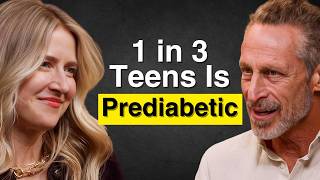
In this interview, AI Mark and Nora Latore (CEO & co‑founder of the nonprofit Eat Real) discuss the escalating chronic‑disease crisis among U.S. children, attributing it largely to ultra‑processed foods that dominate 67 % of kids’ diets. They argue that public‑school meals are the most powerful lever for change because schools serve half of every child’s nutrition and constitute the nation’s largest restaurant chain. Eat Real’s model—assessing school food programs against ten science‑based standards, certifying districts, providing recipes, training staff, and connecting schools with local farmers—has grown from 50 000 to over 1 million children in 20 states, with goals to reach 3 million in 30 states. The conversation cites research showing dramatic health and behavioral improvements when junk food is replaced (e.g., reduced sugar by 34 lb per student, lower insulin resistance, better test scores, reduced violence in juvenile detention). They detail policy wins: California’s first sugar‑reduction bill, food‑dye restrictions, and AB 1264 defining ultra‑processed foods, which have been adopted nationally by USDA. They also discuss economic benefits (higher participation, local farm revenue, potential ROI from increased reimbursement rates) and practical actions for parents, teachers, and districts (email templates, Eat Real certification, community networks). The interview ends with optimism, emphasizing that fixing school food can improve children’s health, academic outcomes, the economy, the environment, and social justice. At the close, AI Mark teases the next video, encouraging viewers to watch it for more content.
Chapters
We're in a crisis right now with kids, and it's sort of this invisible thing that nobody's really talking about. For the first time in human history, the average child born today will live sicker, shorter lives than their parents. Life expectancy of an obese kid is 13 years less than a kid who's healthy.
You know, at Eat Real, we looked at the entire food system and asked ourselves, what is the best lever to create health for our kids? We really saw that schools are the big bet to create health because what you said, they're the largest restaurant chain in America. They're bigger than Subway. So Starbucks and McDonald's combined.
Wow.
They serve 30 million kids, 50% of their nutrition. It's like, if we want to stop disease before it starts, schools are the lever.
Nora Latore is CEO and co founder of Eat Real, a national nonprofit transforming school food systems and advancing evidence based nutrition policy to improve children's health.
We've gone all in. Just helping kids have access to delicious, nourishing food that helps them learn, grow, and thrive. And it's working, and it's working fast. We went from 50,000 kids to a million kids since then, and one of our schools in our program just removed 34 pounds of sugar per student per year. We can change our food system fast, and we can change our health fast.
If we fix food, we fix our children's future. I agree with that. I would say if we fix food, we fix everything. Hey, it's Dr. Hyman. I'm so excited to share this episode with you today, but before we dive in, I want to get your help. Please take a minute to hit that subscribe button. Whether you're watching here on YouTube or listening on your favorite podcast platform, it truly means the world to me and it helps my team. And I bring you this podcast every single week. Plus, I don't want you to miss a thing. So thanks so much for being part of this community, and I'm glad you're here. Nora, so good to see you again. We're all friends. You cooked for me when I was sick in the hospital. You came and brought food for me when I was recovering. You were like my kind of, I don't know, surrogate mother for a minute, even though you're, like, 30 years younger than me. And I was just so touched by how caring you were. And, you know, your work is really about caring for kids. And I was an old guy, but he really cared for me. And I think the work around Erael is so powerful. But we're In a kind of a crisis right now with kids. And it's sort of this invisible thing that nobody's really talking about. I mean, I've been shouting about it for forever, but it's so invisible and it's incredible. Chronic disease burden in children. We really need to fix it. And as you know, I wrote a book years ago called Food Fix and released a new version. It's out now called Fix Uncensored. Kind of taking off the gloves a little bit more, a little bit more edgy. And as we look at, you know, our kids, almost 1 in 2 kids has a chronic disease. Their diet is crap. 67% of kids diet in America is from highly processed or ultra processed or junk food, just crap industrial stuff that by definition is not food. Food is something that sustains and nourishes life. This stuff does the opposite. It harms health and it causes death. You know, one in five kids is actually obese. 40% are overweight. For the first time in human history, the average child born today will live sicker, shorter lives than their parents. Life expectancy of an obese kid is 13 years less than a kid who's healthy. And in my new book, Food Fix Uncensored, I make the kids case here that chronic disease is not about personal choice. When you see a diabetic 2 year old, it's not their fault, right? It's not their fault. And so it's not about personal choices. It's a systemic problem and it's, it's a toxic food landscape we live in. It's the politics that drive that. It's the policies that drive that. It's the food industry that drives that. And if we really want to fix food, we have to change the institutions that are driving this. And one of the things you, you say is biggest fast food chain in America is the school cafeteria. That's amazing. And, and we have to change those institutions. And you are changing all this through your nonprofit Eat Real, which you collaborate with a couple of really good buddies of mine. Jordan Schlane is Also my doctor, Dr. Robert Lustig, who's a good friend and we collaborated on a movie Fed up years Ago and is an incredible nonprofit that is transforming public school cafeterias. It's like the largest, you know, restaurant chain in America. Right. And it's an amazing solution for kids health, for community resilience, for long term disease prevention. And it's not easy to do. And you're doing it. You're doing it. You're almost up to a million kids who are impacted you're going up to 3 million. I would say let's do all of them.
Go, let's do it.
Food Affix uncensored is really about fixing the systems across the scale of medicine, food systems. And, and that involves everything from, you know, changing the kind of research we do around nutrition, chronic disease, to changing food marketing practices, food labeling practices, our dietary guidelines, to changing what's allowed as a safe food. We call grass safe to eat. You know, some of these things we are working on, some of the definitions around ultra processed food in California, which we're going to talk about. We need to change the SNAP program, foods programs, the programs that are the government procurement programs. There's so many things that need to get changed and we're working on all of them. Medical education. But where does schools fit in? Because I think, you know, we, we, we. I want you to maybe start out by helping me and everybody listening understand that what we're doing to our kids now is so dangerous. I don't know if you know Harvey Karp, who's a pediatrician, but he's a friend of mine, I've known him forever and he was actually my sister's kid's pediatrician and he's on the board of the environment working group with me. And he said if a foreign country was doing to our kids what we're doing, we'd go to war to protect them. So what is going on?
I mean, I think we do need to fight for our kids health. It's a critical moment. As a mom, that's why I got involved so deeply with Eat Real and joined up with Dr. Jordan Schlain and Dr. Robert Lustig, because I wanted to be in this fight to create health for our kids. And you know what we're seeing? We're calling American health collapse. This phenomenon that American progress is at risk for so long. As Americans, we want better, brighter, longer, healthier, happier lives for the next generation and for our kids. We believe in progress. And now we're seeing, you said, like, the potential for our kids to have shorter, less healthy and less happy lives. And the number one driver is ultra processed food and ultra processed food, preventable diseases, related diseases. And so we really think that changing our food is the best way to change our future and to restore American health, to restore progress, to create healthy, happy lives, longer, vibrant lives for our kids. And so when, you know, at Eat Real, we looked at the entire food system and we looked at what and asked ourselves, what is the best lever to create health for our kids? Upstream and when we looked at all the different leverage points, hospitals, restaurants, there are medical facilities. There's so many different ways that you could change food. We really saw that schools are the big bet to create health because what you said, they're the largest restaurant chain in America. They're bigger than subway, Starbucks and McDonald's combined. They've heard they serve 30 million kids, 50% of their nutrition. It's like if we want to stop disease before it starts and change core calories and get real food to kids and fight for our kids health, schools are the lever and schools we think are the big bet. And so we've gone all in since 2019 on just helping kids have access to delicious, nourishing food that helps them learn, grow and thrive. And it's working and it's working fast. That's what's so exciting. We went from 50,000 kids to a million kids since then.
That's amazing. I mean, I just want to double down on what you said for a minute. 30 million kids have school food as half of their diet. That's a staggering statistic, right?
Yeah, it's 7 billion meals a year.
So half of the kids nutrition comes from schools.
And some kids more. Some kids. We just had the Sacramento Kings. Some of the Kings players come and serve school supper. Some of our schools serve breakfast, lunch and dinner, especially in low income communities. It's a major nutrition security net.
And it's so important for kids development. People don't understand that, you know, we're not just educating people in schools. If we're feeding them crap, we're actually working against the sort of intellectual capital of the next generation. Yeah, we're forever impacting their neurological development, their brain development, and in, in so many ways. And when you look at, you know, schools now, I mean, I was talking to a school nurse recently and I mean, all these kids are on drugs. ADD drugs, antidepressants. I mean, it's staggering how much mental health issues there are and behavioral issues there are in school.
Parents see it, teachers see it, people were, I think we're concerned as a nation.
So it's not just obesity, it's a lot of things. I remember researching Food fix and there was a paper I found where they looked at juvenile detention centers and there was, there was a swap out of their diet. They were feeding these kids. It's violent, aggressive kids in juvenile detention centers. And they found that if they fed them real food and swapped out the junk food for the real food, that not the violence went down by over 90. I think 7%. The research restraints went down by 70%. The suicide rates, which are the third leading cause of death in those teenage boys, went down by 100%, meaning to zero. And so that's mind boggling to me. And, and, and, and so all these issues we're trying to medicate is really from food and the obesity issues, the metabolic issues that are going to give these kids a legacy of diabetes and heart disease and cancer and dementia that comes such at a faster rate when they have these problems. I mean, one in three kids now has insulin resistance or pre diabetes.
One in three teens is pre diabetic. It's up 5%. I mean, I would love for you to like, talk about like, what is, But I think we hear diabetes and it's still like confusing to people. Can you just talk through when a kid has pre diabetes, like, what is, what is happening in their body? And as a doctor, like, what's, how is that impacting their health and their health trajectory?
You know, I mean, disease starts in the womb, really, when the mother's eating sugar and starch and crap. It's causing these kids to be epigenetically programmed to be obese, to have more heart disease, to have more cancers. And then these kids continue to eat this way. And as they grow up and in schools, they're, they're actually accelerating their risk for heart disease, for diabetes, for cancer, and it not just, you know, causing health issues, but the data is really clear that these kids have a lower chance of having a successful life and lower job opportunities, lower incomes. It's just this cascade. So as I said earlier, like, if you're overweight as a kid, your life expectancy is 13 years shorter. That's like living in a third world country that, you know, like really even worse than most third world countries.
Yeah. And the latest, the latest research is that three out of five kids will be obese by the time they're 35. So it's just like obesity is soaring.
The data today is that, you know, one in two children born today will be diabetic in their lifetime. One in two.
And I mean also I think we hear diabetes, but like every three and a half minutes in America, there's an amputation because of diabetes. And so like, we don't want our kids to be on a path to that. We want our kids on the playground. We want our kids running through adulthood. We want our kids thriving. And so I think, I think we hear that still as a nation, and I think things are starting to shift and, but I think we still don't. We haven't fully grasped onto it yet.
No, we haven't. And academically it impacts these kids. So not just health wise, but I think we're 30 something in math and reading in the world like below every other developed nation. And maybe that's some degree to do with our school system and educational system. But how do you learn and focus and concentrate when your brain is on shit? Yeah, yeah.
I mean, do your kids drink a bathtub of added sugar a year? A bathtub. And one of our schools in our program just removed 34 pounds of sugar per student per year. We actually had to wheel a wagon into the school board meeting and stack 34 pounds, which is like almost as tall as my four year old. And that's how much sugar they removed. And so how are we, how are we going to expect kids to focus and to sit down in circle time, especially little kids if they're eating 34 pounds of sugar or a bathtub, 65 pounds of sugar to like to then sit in circle time and focus and learn. And so actually our nonprofit, in addition to changing school food and raising awareness and doing advocacy and policy change, we've started to do a lot more research which even since I think I last saw you, we've really kicked up our research. We launched a research partnership with Christopher Gardner at Stanford to study behavior change and nutritional quality. And then we're studying right now talking about academic performance with USC and LE Children's and Dr. Goren. We're studying the impact of real food in school on test scores. And early results from that research, it's not published yet. Early results indicate increased academic performance and test scores, of course. So you change food, they help focus better, they have more mental clarity and they're able to perform better. And that can, I think it's one of the big ways that we can improve academic performance and then long term performance for kids.
I agree, just, I'll post it in the show notes. But I wrote in my book called the Ultra Mind Solution about a kid I saw who was 12 years old with severe ADD. And I wrote a paper about it and published it in a medical journal. It was a case report showing that this kid was 12 years old, severe ADD, behavioral issues, got kicked out of kindergarten for being that bad, was on Adderall, had unable to focus, just mess. But his diet was just pure junk food and he was significantly nutritionally deficient. And your brain works on nutrients. You know, it's like not just protein, fat and carbs, but like he was Vitamin deficient, mineral deficient. His, his mother brought in his homework to sort of before and, and two months later, after his handwriting was illegible at 12 years old and two months after changing his diet to real food, it was perfect. Penmanship was no like handwriting lessons.
Talk about cognitive change.
And it was one of those moments in my medical career I was like, oh my God, what is happening here in this kid's brain? And now he's like an astrophysicist or something. That's amazing. You know, in two months he was completely better just by switching his diet, cleaning up his gut, giving him a couple vitamins, like not a lot of stuff. And I, I think, you know, kids are so close to actually doing better. It breaks my heart. Like I see so many of these parents coming to me with their kids challenged and you know, this was never the case. One in, you know, six kids has a neurodevelopmental issue. Any everything from learning disabilities to you know, add to Asperger's to autism. I mean that's a lot of kids. You know, it's scary and it's getting worse.
It's hard for the kid, it's hard for the family, it's hard for the community, it's hard for the school, it's hard for our economy and the workforce. Like it's, it's like it's, it's and.
It'S heartbreaking and school's been co opted by the food industry and there's like McDonald's Monday and taco Bell Tuesday and Wendy's Wednesday. And I mean it's, it's bad at 50% of the like meals in there provided and there's all the junk in there and you know, it's not by accident. So can you talk about the School Nutrition Association? Because I think it sounds nice but it's just an industry friend group.
I think the School Nutrition association, which is, does, does you know, gain some funding from the food industry. They have a membership model as well with a lot of school food professionals and I think that there's a big opportunity for them to become powerful positive players in school food and to. And I do think that they have incredible presence and we've been participating in some of their local events that are really helpful and supportive to the local community. I think the opportunity for them is to think about their advocacy role and to think about how can they help really improve standards and investment and making sure that they're challenging the status quo, not supporting the status quo and really shifting to.
So historically they Were bad. And now you think they're getting better.
I think they can really get a lot.
They can get better. They need to improve. Room for improvement.
I think that they, I mean we, we locally love working with them and I think that they could be a really powerful force for good in our country.
It's, it's amazing how powerful the finish is. I mean, I remember, remember that, you know, ketchup is a vegetable thing. Well, pizza was also considered a vegetable.
Yeah.
And you know, initially there was. They were. They're going to sort of not allow that as something that was, you know, considered a healthy food. And the biggest supplier of pizzas to schools in America is Swanson's. They're in Minnesota, where I'm from. And Amy Klobuchar is the senator, Democratic senator from Minnesota, who basically lobbied to remove that restriction on pizza and get it be considered a vegetable. Yeah, that just kind of stuff makes me crazy. And you know, the, the Tom Harkin, when he was the head of the Health Education Labor Pension Committee, which oversees health policies. Cassidy's on the committee now as the chair. He said he went to like visit some little school somewhere, I don't know. And it was like the entire classroom had Coca Cola chairs in kindergarten. So all the chairs were like branded Coca Cola. PepsiCo sponsors band fund, all the sports programs. And then it's just, it's, you know, what was that saying if, you know what if the Department of Defense had to do bake sales to make enough money for defense schools and schools got like actual food, you know. Yeah. It's kind of crazy. So what were the barriers that you saw when you started working on this? Because you basically were going into a system that was basically like a fast food restaurant and saying, hey, this isn't good anymore. How do we change this for the E real?
Yeah, I think we think schools are the fastest, most enduring way to make scalable change for our kids. And so it, and it is complicated. Like, so we've been heads down since 2019. And we really started with one pilot district and 50,000 kids. And we were like, we have WFIO is one of our sayings that are small but mighty nonprofit. We'll figure it out. We're gonna figure it out. And so we stood next to an incredible food service, Dominic. And we, you know, what we do is we actually come in and we assess the school food program with our 10 science based standards that are super rigorous. We just went through a review. It includes some of the best doctors, the best research, and we looked at everything from how much sugar is in the food, what quality proteins, how local, how sustainable, how much variety, how many fresh food choices and options there are for students. And we assess them and then we give them a score and then we help them, that food leader, that change maker in the community, understand how do they make change and what is their food action plan. And it's all about action. We're, we're a get it done group. You know, we, we operate kind of like a for profit startup but with a heart and dedication of a nonprofit. So we move fast and we stand next to these change makers and we give them the playbook. And then we meet like Dominic and I met actually at a school nutrition association meeting. We met with 40 of his vendors. And Lustig was on the phone at one point with one of the food suppliers explaining why that harmful ingredient leach calcium from kids bones and what they could swap it with. And we don't do that with every, with every call. Can't call up Rob Lesik and Dr. Rob Verlesing on everyone. But we were able to have them swap out a ton of harmful ingredients, get out toxic ingredients, reduce sugar. At that point they were removing 10 pounds of sugar. And we thought this is game changing. And so now we have, we're working with over 57 of these heroes, these school food change makers in 20 states. We went from 10 states to 20 states this year and we went from half a million kids to a million kids. We doubled our impact this year and we added that many more incredible food heroes in these communities and we stand next to them and we give them the support, the inspiration, we give them the playbook, we give them the registered dietitians and the nutritionists and the doctors that they need and we give them the local suppliers and the other friends across the country that are making change. And then we help them get eat rail certified and then we celebrate with them and the families and the communities and the students and then we help them keep going and get eat real green silver gold and keep raising the bar and making the food better and better and better for their kids. And we're seeing participation. More and more kids are eating school lunch as a result. Like one of our districts on east coast is serving 59,000 more meals since they got and started doing more real food for kids because it's more delicious, the kids like it more, the parents trust it, are like, okay, you can eat school lunch. The stigma goes away. Oh, school lunch, no. Oh, school lunch is so good. This is delicious. They're like Calling their cousins, bragging about it down the road. My school lunch is better than yours. Like it's delicious. And so. And it is, there's like I just had school lunch and it was, they had like chicken teriyaki bowl with broccoli and everybody was getting. The broccoli was so good. They had a pizza but it had no harmful ingredients, no dough conditioners. It had real cheese, it had a protein crumble. It's like I think that was a grass fed beef crumble. Like it was the pizza done the way if you're going to eat pizza, like that is a way to eat pizza. And so. And then they had a salad grown on site on, on the school farm and delicious local organic cucumbers and house made ranch, which I'm Minnesotan so we drink ranch. It was so. With fresh dill. It was amazing. So school food can be so good and so we help make it good. And then more and more kids eat it and the local economy thrives, local farmers thrive, the principals are happier, the teachers are happier, the students are loving it.
That's amazing because you know, there's a mythology out there that is propagated by the food industry which is it's expensive to eat healthy, it's elitist, it's discriminatory. You know, it's too complicated, it's too expensive. And they just, you know, the food's not going to be safe, it's not going to be convenient, it's going to be food safety issues. And they have all this propaganda that they tout.
Yeah.
And it sounds like they're actually looking, looking after the benefit of the poor.
Yeah.
And is this sort of this halo of their. The good guys. But it's so manipulative. And you know, part of the problem is that, you know, people don't think that you can eat well for less. And I'm sure you know, of this, this group. But there's a friend of mine in Boston who, Joe Shaw, who basically saw what was happening in school. She had little kids and she's like, this is ridiculous. So she went around the schools and she saw all the schools only had deep fryers and microwaves and the food was shipped in from out of state in, you know, big frozen plastic wrapped containers. They would heat the stuff up in plastic in the microwave which is like, oh my God, you know, like you do not want to do that. It's just going to get microplastics all over your food.
Yeah.
I mean it's just.
And all in children's bodies. And in their brains.
Yeah, terrible. And you know, she funded as a pilot, as a philanthropist, a school to get a kitchen. She hired chefs to design recipes that kids would like within the school lunch budget. Right.
Yeah, it's possible.
Within the school edge guidelines.
Yeah.
Because there are requirements and kind of guardrails change under the new dietary guidelines. But she was able to do it. And then the Boston mayor was like, oh my God, this works. Let's scale it up.
Yeah, it's possible.
The kids are performing better, their academics are better, their health is better, their attention's better, their focus is better. How do, how do you get these schools? I mean, there's this school worker, nutrition workers, the cafeteria workers. They don't, they're, they don't know what to do. They just sticks out of microwave. How do you change the culture and get these schools to actually do this?
In public schools, there are food service directors or nutrition directors and then they have food service staff. And so they're really our hero. They're the person that wears cape capes in our model. And so we really.
The ones with the hairnets.
Yeah. And they, they're incredible and they're a passionate bunch. And they're really busy. It's like they have to serve, you know, sometimes it's 18 minute lunches. They have to serve hundreds or thousands of kids in a short time frame. They have, they are the largest restaurant chain. They have a huge staff. They're dealing with a ton of infrastructure of sourcing of service in a fast, short timeline. And they have hard jobs and they're big jobs. So we really stand next to them and give them the tools, the support, the encouragement. We make it fun to change the world. Like that's like, how do we bring.
Some positivity and we help get them.
We help them get the recipes. Yeah, they trade, they recipe swap. We have monthly calls across. They call themselves the Eat Reallys. And so they have their monthly calls with food service directors from around the country and then in regionally too, and they swap suppliers. Who are you using for that protein? Who are you using for your? One of our districts, we're talking about dragon fruit. I just had dragon fruit. Like they were talking about dragon fruit to give the kids some excitement and try something new. They, they, we do school lunch Spotlight Tours Realville. We actually just did one and some folks from Idaho and some folks from Washington came or we did one in Georgia and people from North Carolina and Virginia came and they were actually. Somebody drove home school lunch because it was so good from Marietta, Georgia to North Carolina to show their school board what was possible. Like they, and so they, like they, they look at each other's kitchen. How, how is your kitchen set up? What combi ovens are using, how are you training your staff? How are you like, who are your suppliers? How did you get that eat real standard? What swaps did you make? And so it's really about creating this.
Community of the collective intelligence.
Yes. And, and giving them, we work with them individually and give them the data, the support, the certification, the 14 page certification report and the action planning support. And then we connect them with each other and they have, they are a very fun group of people. And it's happening, like I said, in 20 states now. So Alaska, Washington, Idaho, California, Georgia, Alabama, Oklahoma, like Michigan, we're growing throughout the Connecticut, we're growing coast to coast and showing that this works in wintry places and urban places and rural places. This is working in red states and blue states and purple states. Like kids thrive with real food. And it's a better model for our school districts. And it is hard and it is complicated. It's interesting.
Different people and you can do it at the cost.
Oh yeah. Some of our districts save, save money by by swapping. Doing certain swaps. That's really interesting. And like for example, going from local just or low even local like they'll go from apples where they don't know where they're from to local organic apples. They'll start cutting them and then the kids take what they need and they don't just take one bite and get it in their braces and then throw the apple out. They just take the apple slices that they need and they're able to actually save money on organic local apples. But now they're organic. That's one example. And what's interesting, what we're studying right now, and we're working with a research partner on this too, we have a bunch of. I can't wait to nerd out with you in the future on some of our research that's coming up. But one thing we're researching how it's actually a better business model for school food businesses to switch to real food. So let me just walk you through this really quick. So they. If you start sourcing real food, like yes, you can make some swaps and save money. And some things do cost more. A higher quality protein is gonna be more expensive that grass fed organic beef or local.
Yeah but I mean just even just eating just protein, period. That's not like some processed. It's better than.
But in the school food that, like that, that would be slightly more. And. But as our schools invest in real food and they train their staff and they're serving, moving towards more scratch cooking, they're able to then increase the participation or the number of kids, the number of customers, the number of kids eating school meals. If they. So even if it costs a tiny bit more, if you increase your customer base, you know. Yeah, yeah, 30%. What? Increase, increase. And we're seeing participation numbers go up.
You're saying this can scale.
I'm saying that our schools then are able to make more money as school food businesses. They, they're. And then they're reinvesting that in chefs, in training, in infrastructure, in new kitchens. And so it's actually they're able to have a more efficient, better school food business model when they switch to real food.
That's amazing.
And it's win, win, win. They have a better economic model for their school food business. They have happier students that are better performing in the classroom and on the field and in their lives. And they have a stronger local economy because they're keeping those school food dollars going to local farmers. You know, a lot of our schools go from five local farms to 11 local farms and they're actually one of our schools is pre contracting tomatoes and, and having farmers dedicate cropland for the school.
That's amazing.
Which is like the best.
Yeah, I mean it's local collaboration, decentralized food systems. It all makes sense. So parents and teachers are noticing these kids are better.
Oh yeah. We're hearing from parents, we're hearing from teachers that, you know, I was actually following a teacher to her classroom. I just wanted to like ask her, you know, what is, what is the real food breakfast? Cause also we do a lot of breakfast swaps and that's. We can talk about some things that parents can do at home too. But it's one of the most game changing things that you can do is update breakfast where there's a lot of sneaky sugars in breakfast and a lot of sneaky items. But she said that now in her math class, her kids are sitting better at the beginning of the class and just able to like focus more and lock in. And she said that since they started to have a more nourishing breakfast and things like egg bites and burritos and not just sugary cereals and whatnot. She said that she hasn't heard one. I'm hungry. And she just feels like her kids are more nourished.
Yeah. Well, if you're eating sugar for breakfast and you're eating sugar all day. You're gonna have swings in your blood sugar up and down. It's gonna cause cravings and hypoglycemia and behavioral issues. I mean just go to a kid's birthday party and they're all bouncing off the walls. I see a lot of people talking about like more developmental work, like, like save the children and like I heard Jennifer Garner talking in a conference about, you know, these kids who were in Appalachia and they're, you know, they're, they're really dull and disconnected and their parents aren't engaged with them and playing with them and whatever. And they were talking about how well they just need to play more ball with them or do more games with them or do. And I'm like, yeah, but these kids brains are not functioning because they're nutritionally depleted or there's depleted in magnesium and B vitamins and omega 3s and even sometimes protein. And they're eating all the sugar and processed ingredients and dyes that cause behavioral issues. I mean it's, how do these, how do you expect to actually raise a generation of children that's going to be helping America stay a vibrant, successful country? I mean it's like it's highly concerning to me.
Yeah. It's how do we make our kids feel better today and then improve their short term health outcomes and then improve their, their long term health and happiness? It's.
Yeah. I mean investing in kids is investing in the future of our country. Right. I mean it's like it just, it's such a no brainer. Right?
Definitely how we stop disease before it starts. And it's the, it is the top solution. Like real, real food to kids is the best way to create health for generations to come and quickly. I think that you and I both agree and I think we've talked about this like what to me is so powerful and what I love about a lot of the work that you do across so many different avenues is you know, humans can regenerate quickly. That's what gives me Hope is like Dr. Lustig did a study that showed that in 10 days just removing added sugar, even leaving starch, kids metabolic health improved. Like we can we if like or you. I did once your 10 day, 10 day detox and then I had, and then you and I worked on a seven day national sugar challenge together and my family, I had my family do it. The whole house and I have a multi generational house, so and the whole family did it. And we did. We didn't just do seven days, we extended it to 10 because of that research. And then we actually did the whole month. No added or free sugar. Life changing for our family. Like game changing.
What happened?
The grandparents lost weight and felt better. The. We changed this. We got, we had sourcing agreements pretty much at the house level where we're like, okay, it's hidden in all these, these sauces. We didn't know and let's just not have it in the house. Like, just don't bring it in and you're not, it's not going to go on the plate. It changed. It just made us all so aligned and it made everyone feel better and be more vibrant and it made blueberries taste sweeter. It was life changing. But I think that's the thing is, like, we can change our children's health so fast. If you change what you, you feel, you start to feel better when you eat real food that day. And then you start to change your metabolic health in 10 days. And you can, I mean, you've seen probably so many patients reverse the prediabetes, reverse the diabetes.
Yeah.
One in three kids are pre diabetic. If we commit to this as a country, like Americans, get things done and like, if we actually say we're going to right this ship and change the direction and we're going to take our health back into our hands and we're going to advocate that the government aggressively make changes and quickly make changes, which there's momentum across the aisle there to do it. There's an appetite, food, pun intended for that. And then we can do it and we can make change quickly and we can regenerate. It's a story of hope to me. Like, we can regenerate our health and reverse these diseases and then stop these diseases from even starting in kids so fast. And we change the food system in schools in less than two years, like night and day, like game changing. And we get the data because we certify, audit, or assess them. We assess the school food, then we do the action planning, then we reassess. So we get the before and after. And we can see dramatic changes. A major upgrade in less than 24 months. And so we can change our food system fast and we can change our health fast.
How do you just. 30 million kids?
Yeah.
How do we go to 30 million?
Yeah, 30 million. I mean, well, we're our goal. So we just reached a million kids in 20 states, doubling our impact. Now we have the big, bold goal to reach 3 million kids in 30 states in three years, which is fast.
Add a zero, add a zero.
Is this good? That is zero out of zero. So like, but that's pretty fast. And that is a tipping point. That's 10% of the population. So our theory is if we can get to 30 states and 3 million kids in three years, then we have the presence, the proof and the partnerships to be the food systems change maker. And we have these case studies and these examples from throughout the country that show how fast real food is possible and that kids want it, that teachers are happier, that our communities are demanding it. And then we think that's how we catapult policy and change state and national policy because we have the grassroots momentum and we have all the proof and the data and the momentum and the inertia across the aisle to say this works, let's do this fast. Let's. There are some major bets we can make at the state level and the national level and here are all the examples. So our goal is reach the 3 million because then let's change the whole game for all 30 million kids that depend on school meals in America.
Yeah. It's just sort of existential and you know, I don't know what the number is but you know, if, if, if you're feeding 30 million kids, that's a huge procurement of food.
Yeah.
And food service. Right. I don't know what percentage of all food service, but it's, it's a lot. And when you change the food service, you change the incentives for the, the farmers.
Yeah.
You change the food service providers. Yeah. And it changes the whole system from the field.
Oh yeah.
To the fork to the mouth. Yeah.
In just Northern California, in one year we generate over a million dollars of grass fed organic beef ranchers across just Northern California. Like you change, you change the economy. They had to go start converting a more regenerative ag. We changed crop land.
It's like when Walmart decides they're not going to do something or they're going to do this or that, then the industry has to change otherwise they're not going to be in Walmart.
It changes what crops are being grown the next season. It changes what farmers invest in. It changes our society fast and our economy. That's why it's like, it's so exciting to me. The momentum and the, the power of school meals and how fast local communities. And it's cool. We have eat real.org parents where people go and there's a template that people use to email their school districts. And we're seeing Parents and students engaging their food service director and saying, hey, I'd love to introduce you. This nonprofit, Eat Real, and their school districts. One district signed up within 12 hours to our program and of a parent reaching out with our template email saying, you're. And so. And then they got into our program and within a couple years now they've re regionalized their whole food system. They're buying more organic, more local. I just had such a good meal at that school district in Southern California, so in Capistrano. So it's happening, it's happening fast.
And so people feel powerless. You know, they go, oh, God, we have a food system that's broken. We have a healthcare system that's broken. Chronic diseases rising, the economy, healthcare costs are rising, and health insurance premiums are rising. Everything's just a mess, right? Our kids are behaviorally challenged, they're cognitively challenged, and mental health and kids is a massive crisis than ever in human history. Where do they start? Like, how does a parent or a school listening to this podcast, how do they. Where do they go?
I think they could start with going to eatraal.org parents. There's a template email where they can send an email to their local food service director or nutrition director telling them about Eat Real, which because of incredible philanthropists and some government funding, we're able to offer our program free of cost to school districts. And so we parents can then reach out to their school district and say, hey, I heard about this awesome nonprofit, eat real on Dr. Mark Hyman's podcast. I'd love to introduce you. Thank you for doing everything you do and thank you for feeding our kids. And I want to connect you with this nonprofit that can support you more. And so that's one way that they can get involved is get their. Tell their local school district and their local nutrition director about us. And then I think that we also have Eat Rail certified on Instagram and our newsletter, which is. There are a lot of different ways then in terms of advocacy and campaigns that people can plug in and just get active and start to join the conversation and join the real food movement with us and continue to help us build it as we have calls to action about various opportunities to create changes.
It's amazing how simple things make a big difference. You know, our friend Tim Ryan, who's congressman from Ohio, his wife is a fourth grade teacher.
I wonder, I wonder if we're in her school. I need to find out.
She's great, but she, she instituted a whole bunch of things in her classroom, like kids could Eat anything they want at any time in the class, as long as it was real food. The kids would go home, say, mom, dad, go, let's buy carrots, let's buy apples. Let's buy this because I can eat it in school. And then she would have this policy where, you know, kids had to drink water and they get to go to the bathroom. They have to ask. They could just get up and go to the bathroom. And I was like encouraging them to like compare their pee. Is your pee clear or not? Because they want to be hydrated.
Yeah. Are they having like championship level pee that's clear or are they like, are they drinking enough water? It's like.
And then they had like Fiber Fun Fridays where they talked about their poop, you know, and so they, you know, teachers can do this too in the classrooms in ways that you got to make it fun, you know, I think it really changes kids framework. And I think what happens at home too is important because I think, you know, then the, the parents hear the kids actually feeling better, doing better, and they actually goes up to the home. Yeah, because, you know, the home is where a lot of the problem is because, you know, these families are struggling. They're, they're working hard, maybe two jobs. They have, you know, not any education about how to cook or shop or eat food.
Like food industry has made it so confusing.
Yeah, the food industry deliberately confuses people. Like Cool Whip, A, you know, zero trans fat healthy dessert topping, which is almost all trans fat because it's almost the air. It goes through a loophole, which the FDA allowed because of the food industry, that it has less than half a gram per serving. They can said it has less than zero. It has zero trans fats.
So much to fix.
It's so broken. But, but, you know, it's not that hard. We're almost like one meal away from educating America of how to actually cook. And you know, one of the things Brianna, my wife and I are doing as part of a food fix, uncensored launch an education is to do a SNAP challenge where SNAP is food stamps, otherwise known as supplemental Nutrition assistance Program. Except there's no N in there. It's not nutrition. It's. I don't know what it is something else. Supplemental poison.
It can be.
Eventually we're going to show how on $7 a day you can eat healthy, delicious food. It's not hard to make. It doesn't take a long time. You have to learn a few basic skills. You have to know how to chop a onion.
Yeah, yeah.
How to stir fry something. Like it's not, you know, how to open a can.
Knife skills and some kitchen confidence.
A few pots and pans and that's it. And you know, I'm excited. Like, we're gonna make one of my favorite dishes, which is this. My mother used to make this, a Spanish omelet, the Spanish tortilla. Like, basically you take onions, garlic, chop them up, stir fry them in some olive oil. You take these red potatoes. Potatoes. You slice them really thin and then you layer them flat. And then you pour water over them and salt and pepper. And you let them sort of cook with a cover. So that kind of cooks the potatoes. When the water's all gone, you pour like a dozen eggs over it and. And you stick it in the oven for 10, 15 minutes. So it kind of bakes and it's the most delicious thing. And it's like 82 cents a serving.
So nurturing, so filling. You're just like a few big pots of food in a week. A few batch cooked meals so that you're set up for the week. Some bulk cooking with your neighbors, or I bulk cook with my friend, Chef Natalia. And then you can really get those kind of key recipes that you can use on your budget with like your local grocer and that you're kind of go tos for your family that are health changing. Like, they can be like the kind of anchor key dishes for your family. Yeah.
Even meat. You know, there's this cow share program. You can cut out the middleman.
Yeah. Buy direct. I just got. I just went to my rancher. Yep.
Yeah. So it's actually can be extremely affordable. Even to get regenerative beef.
Oh, yeah.
You know, if you go direct to the farmer, what if the greatest threat to your health wasn't bad choices, but bad design? In America, chronic disease isn't accidental. It's the predictable outcome of a food system built for profit, not people. A web of corporations, lobbyists, and policymakers all feeding off your plate. They call it choice, but your options were engineered. From the grocery aisle to the school cafeteria, Big food, Big ag and big pharma wrote the rules together. The food pyramid distorted the science, bought the front of package health labels designed to deceive. This isn't a broken system. It's a a perfectly functioning machine producing disease, dependency, and distraction exactly as intended. Food fix uncensored pulls back the curtain on the collusion, shaping your health, your choices, and your future. Because once you see how it works, you can never unsee it. Food fix uncensored the truth they never meant for you to read. And I talk a lot about this in Food Fix and we have a lot of resources on foodfixuncensored.com I think, you know, people don't know how easy it is because we're convinced how hard it is by the food industry. And I think, you know, you've shown with schools how it can be done. Like, it's one thing to talk about it. There's a great, I don't know if you saw that cartoon. The one who says it can't be done should not interrupt the one who's doing it.
I hope that's us. I hope that's us. I hope that's you.
It shows like a Chinese tai chi masters thing walking around the edge of a wicker basket without it falling over.
You know, like, and it's both, it's like, how do we make it easier for people to take individual action and to take their health in their own hands and make it and give them the skills and the knowledge and the support to do it and more resources and then how do we also change the systems so that and push back on the food industry?
Well, let's talk about that because you've been instrumental in some really key initiatives in California that you almost single handedly have done. I mean like in collaboration with some incredible works. You need like a superhero costume, I think actually because you are a force of nature in a unassuming package that I think is disarming. But you're kind of a lioness underneath all that, taking no prisoners with a smile. And maybe you can share some of the key, key things that you've done policy wise. Because you know, Food Fix really makes the case that food policy is health policy.
Yes.
And you've done it through both what's happening in schools, but also in some major bills that got passed in California around food dyes, around ultra processed food. So take us through some of those key initiatives and what you've done and showing that it is possible to change policy.
Yeah. And quickly. Again, that's what gives me so much hope is like this can happen so fast. And together with incredible advisors like yourself and incredible other nonprofits, partnerships and our school food hero. And really we look to our school leaders and they beam us, they tell us what to do. They say, you know, I want to change a food in my school and I want to change it in the state and I want to change it nationally. So our group of eat reallys really determine our policy approach and determine what we advocate for. And they tell us what do they need to really change the whole game. So some fun ones. We helped advocate for school meals for all. And then we actually, with Senator Skinner in California and some of our Eat Real heroes, our school food service directors, we helped pass the first sugar bill ever in America's history for kids. There had never been a sugar standard in school meals.
Wow.
And so we wonder why kids drink a bathtub of added sugar or there are 250 sneaky names for sugar and it's hidden all throughout our food system. And so just hadn't been done before. There had been no, no challenge and no accountability there. And so we helped pass it in California and then we actually passed that nationally. And so there, the USDA did just begin to implement its first sugar bill nationally, which will benefit all 30 million kids. So throughout the country, they're starting to reduce sugar burden and sugar exposure for our kids, which is one of the most powerful, like health changing initiatives we can do. So I think you and I saw each other and we were high fiving. I was like, I'm bursting. And I came up to you like, it's passed. It's so exc. And Senator Skinner was a new grandma at the time and she was like, she wanted to make change and she worked with her incredible chief of staff and so many others to champion it and then to help advocate it for it nationally. And then we helped advocate for the first food dye bill, which was passed. The first one was in California. Then we also worked on it in West Virginia and helped roll it in other states. But what's so powerful about our model is that we were able to present to lawmakers when they were worried, like, is this feasible? Or they were getting, you know, food industry pressure. This is too complicated. This is gonn raise cost. This is not going to be possible. Kids aren't going to want it. It's going to hurt.
They're not going to eat it. It's going to end up in the garbage.
It's going to hurt our budget, supporting the schools like all this. Because that is real. That food industry pressure is. I think people hear it and they're like, that's conspiracy.
And definitely not conspiracy. Read my book. It's so documented with hundreds of it.
I won't go there. But it's scary and it's real. It's like, it's terrifying and it's dangerous and it's really harmful for our kids. And as a mom, it makes me so. But it's real. And we were able to say, no, that's not true, and push back on that and be able to say like, actually, we already, with Eat Real standards, remove those harmful dyes. We already remove the sugar. We've already done it in 500 schools or in a thousand schools or now 1700 schools.
And so, so they can't really say.
Oh, it can't be done because we did it. And we're like, the numbers are going up. More kids are eating it. The teachers are happier, the kids are happier. Talk to this mom, talk to this dad, Talk to, talk to this food service director. Talk to this supplier. Talk to this local farmer who's winning because this. Talk to this principal who's happier. Talk to this teacher who's looking at the test scores go up. We're like, yeah, exhibit A, B, C, D, E, F, G. It's working. Like, no, this works.
Like I said, like I said, don't, don't. Those who say it can't be done should not interrupt those who are doing this.
The most exciting one that we just did in six months. We partnered with the NOW property, you're on the board environmental working group, Scott Faber, who I'm like a huge fan girl of, we partner with Scott Faber and we also partnered with Food Fight. They're incredible. Todd Wagner's group. I love Lori over there and Todd. They're wonderful. And so we really built this group that was really championed by assembly member Gabriel, who I think is another national hero. He's out of California. And so, yeah, I met him. Oh, you did? Okay, good.
I met him with Todd Wagner at an American cinema event.
Oh, wonderful. Okay. Okay, good. Okay, yeah, two, two incredible change makers. And so.
And the lieutenant governor who was very interested.
Oh, good. Oh, yeah. Yep, yep. Governors are, can be major change agents in this. AB 1264 was introduced. This was. It was introduced.
That's the name of the bill.
It's called AB 1264. And it's the first bill to define what are harmful ultra processed foods and to basically prevent Big Food from selling those dangerous, most dangerous, most harmful items into schools. So we passed the sugar bill, we passed the food diet bill. And then it was about, well, let's make sure that the most harmful ingredients just. And products high in sugar, salt, fat, harmful, toxic ingredient list banned in other countries, known to cause cancer, known to be dangerous to our kids health, known to hurt their outcomes. Let's just not let those be served in our public institutions, in our schools. And so we championed it, we built it.
We should be feeding our kids poison.
Maybe not. Maybe not. Maybe not. Maybe not a good idea. Maybe not a good idea. Good idea. I don't know. I don't know. Maybe a failed experiment. I think a failed experiment. Like tried it. It's not working. Health is going in the wrong direction. Let's try something new. And so we worked with them in the spring. Then we were able to. They invited Eat Rail to testify which was so wonderful. And we were able to say, look, we already removed the most harmful ultra processed foods from kids meals in California. We did it in 500 schools over hundreds of thousands of students. We're seeing really strong results. We had farmers come in. Me too. And testify. We had had local school food heroes come from across the state and say they wanted it. We had the data. We had. We met with lawmakers, we met, we worked with tons of orgs and we met with lawmakers across the aisle. And there was major pushback and there was some major tactics that were not cool.
Tell us about that. You don't want to tell us?
I want to live, Mark. I want to live like I don't have anything.
You want a big bullseye on your back?
Yeah.
Well, I would just share one.
Okay.
Then we can go back to yours. Right? To take, to share the extent to which people go in the food industry that it's so corrupt and so many. And it was in California when Jerry Brown was governor the second time. He was probably the most liberal governor in the history of America. They call him Governor Moonbeam. I remember he ran for president. 76 but he was so liberal. And in California at the time there were starting to be a lot of soda taxes. Berkeley was the first and then other cities and towns started to do the first and the food industry freaked out. So what they did was to put a ballot measure on the ballot in California that would make it mandatory for any law or bill to be passed. Any local state government would require a 2/3 majority. Which means because you know, most legislatures are not like 2/3 of a party. They're like half, half right or more or less right. Like to get a 2/3 majority in Senate, it's impossible because you know, it's like 50, 53 senators or Republican, whatever. And they, it had nothing to do with food and nothing to do with soda tax. But they knew it was going to cripple the entire state government and they spent millions and millions and millions and millions of dollars driving this ballot initiative. And they went to Jerry Brown and said unless you put in a prohibition against any future soda taxes in California, and if you wonder why there aren't more and there haven't been since then, we're going to pass this measure and we're going to. We. And he's like, okay. He's like, basically blackmailed by the food industry. And there's a picture of him in the governor's mansion with all the heads of Coca Cola and the American Beverage Association, Pepsi. And was like, so many front groups.
So many front groups with shady, seemingly healthy.
So I said it. You don't have to say it, but that kind of. Is the kind of nonsense that goes on behind the scenes.
Oh, yeah. I mean, yeah, they do. They do. Do they do they have done to major researchers, death threats. They've like. It's like, yeah. Really bad.
Yeah.
And we're up against a lot, and Americans have had it. I think we're just like, we're gonna stand out.
Why I haven't been taken out yet. I've read in my mind, I said, you need a bodyguard, you know, like a security force.
I'm like, he does. He does have bodyguards. He does have security. Actually.
I have angels. Yeah, I have, like, angels. So.
So no, but it's real. But I think. Think the ties are changing and we're able to stand up.
But there was a lot of pushback. And how did you overcome. How did you overcome that?
So we were able to meet with lawmakers face to face, and we were able to have them meet with local school food professionals and say, this works. My kids are happier, my numbers are going up. Like, I'm able to do it. It works for the school food business model. It's actually better. And any of their concerns, we're able to work with them. And then. And we worked with, with ag, and we worked to show that this was better for the local economy and better for local farmers. And within six months, it was about six months from the spring to the fall, we were able to pass AB 1264. Nearly unanimous. Unanimous. Sorry. Nearly unanimously. Unanimously in the Senate. And one naysayer in the assembly, which I asked so many. Member Gabriel I was like, has anything been this, like, bipartisan. One naysayer unanimous in the Senate, almost unanimously in the House. I said, as somebody remember you, is there anything that has had this much bipartisan collaboration and like, this much inertia behind it. He's like, maybe naming a freeway. Maybe, maybe, maybe they agreed on that. But, like to come together and to have Republicans and Dems and Independents say, we're going to protect our kids at school, we're going to make sure that the most harmful ingredients and products aren't in their menus. And we want to stand up for our kids, and we're going to do what's right and we're going to make history and define what are ultra processed foods. And they did it. We did it. We did it in California. Gavin Newsom signed it into law. And now we're already advocating to then do that at the national level. And we're working with other states, and we think that we can really make change fast. And it starts at the district level with school leaders showing it's possible states can take bold action and just change their policies, and then we can do it at the national level.
Yeah, I always say. I always say change doesn't start in Congress, it ends in Congress. You know, it all comes from grassroots. Then it goes up to the local levels, then it goes up to the state levels, then it goes up to the federal levels. And I think that's true for everything, whether it's civil rights. I mean, whether it was.
Yeah.
Women's rights, gay rights. Like, it happens. And then it's like a wave.
It's a movement. People are powerful, and people coming together and advocating for change can build a movement and make massive change fast. And it. This is, this, is this. Our children's health is what can bring people to the table and what is the greatest opportunity of our lifetime?
Yeah, I mean, you look pretty bad if you're, like, unwilling to protect children in America.
I don't want my kids to live longer and healthier. Wait, what? No. You're. No, no. I think this is something we can all agree on. We can all agree that our kids should have healthier, happier, longer lives. Like, that's. That's easy. That's easy. That's what we fight for. That's. That's what we exist to do as parents.
Okay, we're gonna do this Rap fire questions. I'm gonna answer the question and you're gonna. You're. You go first, and I'll go after you. So what's one nutrition myth that we both wish parents would stop believing?
Juice is a health food.
Juice is good for you. Juice boxes.
Juice. I just wanted to break this down and this. I grew up on orange juice. I was a Tropicana kid. Like, I, I drank juice, and I, like, did not. I thought it was starting a healthy day. But when you drink juice, they juice the fiber and remove it down. And it just spikes your sugar levels. Yeah. And so it spikes our kids.
It's basically Coca Cola with a few vitamins.
And I was like, it's extra pulpy. It's good for me. It's like such a myth. And I had to like. Like, I had to stop my orange juice addiction. And I like. And it was a health game changer for me. I'm about to be like, like 40, and I'm feeling the fittest and the healthiest ever and vibrant. And coming off of juice was one of those things that I got rid of in my, like, in my recent history.
So amazing. Well, I would say the biggest myth is, well, my kids won't eat anything because they only eat Mac and cheese and pizza, and otherwise they won't eat and they're going to starve to death. And I'm like, what do you think kids eat in Japan? Raw fish and seaweed? They eat what you give them and eventually they'll change. Just reminds me of the story of my.
My.
My mom told me about my sister when she was little. She didn't want to eat the eggs. She made it for breakfast. So she's like, okay, you don't have to eat them. But she fed her the same eggs at dinner and the same eggs at lunch, same eggs at dinner, and the next morning, the same eggs for breakfast. And she finally ate them.
Honestly, it's 15 times of exposure can change a kid's palate. So it is about, like, interesting letting try one bite, give it to them one way, let them try the eggs another way. Keep exposing them. Keep exposing them. Eat it together. Eating together is huge. Like, we can kids change their eating habits fast.
All right. What is the most powerful lever for fixing our food system?
Our US Public schools are the fastest, most scalable, biggest lever to create health and to change our food system fast.
This is a hard question for me. Cause there's so many levers. I would say the thing that came to mind right away was food marketing. Just as we don't market cigarettes anymore in newspapers, magazines, tv, online, abuse prohibited because it's harmful and it kills you. Foods that kill you should not be allowed to be marketed, period.
Wait, can I give one more magic wand? If schools are the big bet to change some school food policies that would rapidly change things nationally are changing. Commodity subsidies. We subsidize corn, soy shop sugar and wheat. And if we change those, it changes. It also flows into school food. And there are school food commodities that get pumped into schools. And so we could do cash in lieu. You can give more flexibility to use those. They're called commodity dollars. For local schools so that's like change what the sourcing options for schools and change. Yeah, starting with like what's happening at the government level and then increase actual reimbursement rates. And so schools get reimbursed for their meals. And I just called McDonald's this morning because McDonald' a Happy Meal in Texas costs $4.80. Schools are reimbursed $4.50. You can't even get a happy meal for how much we expect schools to cook a real food meal. So if we were to actually invest in higher reimbursement rates and spend a few billion dollars, some billions, spend some bills to save trillions of dollars in healthcare costs, we would rapidly convert our school food program to be more real food. And so in like it's about 40% of that is food cost. So $1.80 per school meal and we expect them to serve real delicious, amazing local food. It would be game changing to double down and raise a reimbursement rate and actually invest and make the bet a few billion more.
Pay now or pay later.
Yeah, pay now and spend a few billion to save a few trill.
Medicaid dollars would go dramatically down. I mean in the state's budget, a third of it is Medicaid. Yeah, a third of. And the same thing for federal. The third of our entire federal budget is our chronic disease.
Yeah. 17% of our GDP, almost 4 trillion. So a year is spent on preventable ultra processed food related diseases. If we spend a few billion on real food for kids through schools, we'll save trillions of dollars a year.
So pretty good, pretty good return on investment.
Pretty instant. Like pretty fast. Not the fastest as we like it, but fast roi. And so I think that is like if, if I were to magic wand it would be invest in the power of school meals. Update the commodities increasing reimbursement rates. Actually do more farm to school grants, do kitchen infrastructure grants. Give schools kitchen money. Like actual. Let them get the combi ovens and the stoves and the chefs and the training for their staff. And if we bet on school meals we will have instant return in terms of Our Children Health 100%.
All right, what's the most underrated family.
Habit for help eat together?
I I would say cook together O.
I like that even more. Cook together O and go to the farmers market to together. I had a purple day at the farmers market with my daughter who's really into purple right now. We just got zucchini, purple peppers and it was like we had a purple day and then we had purple food throughout the week. It's like, you know, we also go to the grocery store and go to the farmer's market together.
And, you know, and, and the thing about cooking together is that, that kids like it. Like, you know, there was a, a book by Molly Katzen for kids. I forget the title of it, but it was the one woman who wrote the Moosefood Cookbook, and it was An Enchanted Broccoli for Us is one of her cookbooks. It wasn't that it was another cookbook for kids, but it was basically recipes that you can make with your kids that they would love to eat, that are healthy. And, and I did this with my kids and they loved. And they made a mess and went on, but they're part of it. And they see how to make food and cook food. And now my kids both know how to cook. They didn't go to cooking school.
Yeah.
But they just learned.
It's like, help kids learn to love real food, put on some music, have cooking time, maybe have another family ever cook together. My, my son's really into chopped eggs. Nico's chopped eggs. I'm like, cool, let's make Nico's chopped eggs. If that's what you're into. You won't eat them scrambled, but if they're chopped, it's just basically scrambled. But he's like, he's doing it and he's like, cracking the eggs and learning this kitchen. It's so much fun and it tastes better and we all have so much fun eating it. So I agree with you. I' eat together, cook, shop for food together, cook together, and then eat it together.
All right, we, we answered this one. I think which is the biggest obstacle the real food in schools, food industry. I think what's one policy change that would immediately improves kids health?
One policy change? Yeah. Invest in school food bet, Make a bet on school food.
I would say that and I would say, you know, changing the school lunch standards, which, which are now going to happen with the new diabete guidelines, because they actually have essentially said eat real food, no highly processed food. So if the US Dietary guidelines say no highly processed food, that means the schools have to follow the dietary guidelines. That's one of the reasons why dietary guidelines are so important, because they influence school lunches.
We've actually designed our Eat Real standards to be plug and play. And states can implement Eat Real standards. The national government can implement higher real food standards. So I fully agree with you that going towards real food standards at the state and national level is game Changing.
If kids grow up eating real food, what changes most about their future?
I think their happiness. I think it's like food changes kids gut health, their mental health. It changes how they feel. It changes how they grow and learn and thrive. It's literally about giving our kids more happy years. And that's. That's what life is all about.
And more years. I mean, it flips the script from shorter, sicker lives than their parents to healthier, longer lives than their parents. So that's what I think.
And, like, how do you feel vibrant and fully alive and live your best life possible? Like, real food helps fuel that. And so I think it's about giving our kids happier and giving our. Feeding our kids happiness.
Eat happiness. Eat real and eat happiness. I like that. That's a good one. Just write that one down. I'm gonna use that. What gives you the most hope right now?
What's giving me the most hope is that individuals like the folks listening to your podcast, leaders like you, our food service heroes, our Rockstar team, and our board, any real. Like the community members, but individuals who are coming together and who are individually making change, but then are coming together to advocate for more change together and showing what's possible and who are changing our food system at their homes, at school, and then advocating in national policy. It gives me so much hope because real change can happen really fast. And we believe that real change starts in our cafeteria, and people are showing that. That it's possible. And when you change the food for kids, you change the future.
Absolutely. I think what gives me most hope right now is just this awakening in America around health that I've been shouting at the rooftops about for the last 30 years. I was like, wait, everybody's finally paying attention? And that we're seeing actual, real policy change at the federal level and state levels. Super exciting. All right, finish the sentence. Last question. If we fix food, we fix. Blank.
Our children's future.
Our children's future. I would say if we. I agree with that. I would say if we fix food, we fix everything.
Yes.
We fix our chronic disease epidemic. We heal our children's and catastrophic futures that they're facing. We save trillions of dollars from the federal budget and state's budgets. We help restore the environment by improving soil health, water resources and saving them and preventing damage to our waterways through runoff of the pollution and fertilizers that go into there. We help reduce climate change by sequestering carbon. We increase the overall mental health of America. We end so much violence in prisons and the violence in our society. We improve social justice at. At every level. So I think, to me, literally, it's almost fixing everything because food is a nexus where everything comes together. Right? Fix our Economy. I mean, that's the subtitle of the book. The first book was, you know, food Fix. How to Save our Health, Our Economy, Our communities, and our in our. And our Future.
I love that. I'm Midwestern, so we talk about our planet. I'm Midwestern, so we talk about. About twofers. And I think fixing our food, what you say, yeah, it's a 10 for. And it's. Or it's at least a 4 for. You fix food, you change our children's health, you strengthen the local economy, you actually regenerate the planet and you improve national security, which I know you talk about in your book a lot.
I forgot.
So, like, it's like. Yeah, it's probably more like a temper. It's like you fix food and you change everything.
Really.
I love that.
All right, so people want to learn more about Eat Real. They go to eal.org eat real.org if.
They want to get their district involved, they can go to erail.org parents they can go to Eat Real certified on Instagram. I'm on LinkedIn. Nora Latore. I'm nourished with Nora on Instagram. They can find me on Instagram, they can find Erael certified on Instagram. They can sign up for our newsletter@eatraal.org and they can also donate to the nonprofit. We're a small but mighty nonprofit, but donations help us reach more kids and say yes to more schools and reach 3 million kids in 30 states so we can get more schools and communities on board and help change our food system.
Amazing. Amazing. And, and for those listening want to know more about Food Fix uncensored, go to foodfixuncensored.com you'll learn all about what we're doing with the book and resources and ways to activate across not just schools, but every sector that might touch you. So this feels like a really consequential moment. It feels like Cory Booker said this to me. It feels like 1963 in the Civil rights movement is what it feels like. And I think that's right. I think so.
It's right. With everyone getting involved. With everyone getting involved, we're going to change the future for our kids fast.
Margaret Mead said, never doubt what a small group of highly committed people can do. In fact, it's the only thing that's ever changed the world.
Well, thank you for everything you do to change the world. And thank you for all your generous support of ereal and of me and of our team. So thank you.
Let's go.
Let's go. Let's do it.
All right. If you love that last video, you're gonna love the next one. Check it out.
More from AI


Why Younger Women Are Getting Breast Cancer at Record Rates (And How to Reduce Your Risk)




This Is Why 99% of Skin Conditions Don't Heal — And What Dermatologists Won't Tell You




