The Food Industry Doesn't Want You Seeing These New Guidelines | Dr Mark Hyman
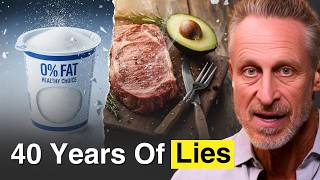
In this monologue Dr. Mark Hyman (AI MARK) reviews the 2025‑2026 U.S. Dietary Guidelines, highlighting their historic acknowledgment that highly processed (ultra‑processed) foods drive chronic disease and that food quality matters more than calories. He explains the new protein recommendation (1.2‑1.6 g/kg body weight) and its link to muscle preservation, metabolic health, and satiety. He discusses the shift away from low‑fat dogma, the re‑acceptance of full‑fat dairy and a more nuanced view of saturated fat, stressing context, source, and individual response. He notes the brief but revolutionary inclusion that low‑carbohydrate diets can be therapeutic for metabolic disease, citing ketogenic approaches and Virta Health outcomes. Throughout, he stresses personalization—genetics, metabolic health, and individual tolerance—as essential, critiquing one‑size‑fits‑all advice. He also critiques the food‑policy ecosystem: subsidies favoring commodity crops, confusing labeling, and the need for systemic change. The latter part of the talk answers listener questions about protein intake, whole‑grain necessity, kids’ nutrition, and saturated‑fat limits, reinforcing practical steps: prioritize whole, minimally processed foods, reduce ultra‑processed items, listen to one’s body, and use tools like lab testing. He concludes by urging deeper policy reform, more nutrition research funding, and personal application of the guidelines.
Chapters
I know you all heard the Dietary Guidelines came out. Of course, the industry is furious about this because it puts them in the crosshairs by saying highly processed food is not something you should eat, period. That's unbelievably revolutionary, and it's something never I thought would see in my lifetime. Never. For more than 40 years, the US Dietary Guidelines shape what we're told to eat by the government. And during that same time, the rates of obesity, diabetes, and chronic disease have skyrocketed. So when the new Dietary Guidelines are released, it matters a lot because it shapes all of our food programs and it also shapes other countries food policies. And it also determines so much of what people are doing and the message about what we should be eating and what we shouldn't be eating. So for the first time in my medical lifetime, the government is starting to acknowledge some really hard truths. Highly processed foods are harming us. Food quality matters more than calorie counting. Oh, my God. All calories are not the same. I never thought I would see that because it was all about calories and calories out. Doesn't matter if it's from Coca Cola or almonds. All calories are the same. Nonsense. And also the whole idea that there's one diet for everybody, it's just not true. Personalization matters. There's no one size fits all nutrition advice. It just doesn't work. So while the new guidelines represent real and profound progress, we still have work to do. In today's episode, I'm going to walk you through what the guidelines finally got right, where they still need to be adjusted, and most importantly, how to apply them in real life without confusion or being overwhelmed. Now, this isn't about following another set of rules. It's about understanding how food affects your body so you can make informed, confident choices moving forward. The biggest shift in the guidelines was, for the first time ever, calling out highly processed food, sometimes known as junk food, or ultra processed food. Although that's kind of a messy definition, this is the most important change, a historic one. For the first time, the guidelines explicitly identify highly processed foods as a major driver of chronic disease. Massive, massive change. Now, they define highly processed food in simple terms. Refined carbs, added sugars, chemical additives, emulsifiers, dyes, and artificial sweeteners. This is not so hard to understand, right? You can read the labels, you can know it's in there. Why does this matter? Well, these foods are heavily subsidized and they're profitable. And admitting that they're harmful is both scientifically and politically. Revolutionary. Now the evidence is pretty clear. Higher amounts of highly processed food in your diet lead to obesity, diabetes, heart disease, depression, early death, and the list goes on. In fact, it was a big study published, I think over 32 different diseases that these contributed to. And also there are smaller, shorter term control trials. We need bigger, longer trials show that people eat more food and gain more weight on processed diets. Even when you're eating the same amount of calories and the same amount of macronutrients, like same protein, fat and fiber. So there's a problem here with how these foods affect us. And they're quite different qualitatively. This finally shows the conversation from how much you eat to what you eat. If you focus on what you eat, you don't have to worry about how much you eat. I never limit the amount of food I eat. I only focus on what is good for me. And my body and my taste buds have shifted, my cravings are gone. And that's available for anybody. The second big idea, and this is a big deal, is an emphasis on protein. Now, if we understand protein, you have to understand how the previous guidelines were determined. They're determined by how much protein do you need to not get a protein deficiency disease. That doesn't mean it's the optimal amount for health. It means how much you need to get really sick. Okay, we, I don't care about that. I care about what's optimal. And so we've changed the amount. Protein is no longer seen as something we should be worried about eating too much of the new target in the guidelines is 1.2 to 1.6 grams per kilo body weight. I don't know why they did that, because people in America know pounds, but it's somewhere around a.07 to 1 gram per pound of ideal body weight. It doesn't mean if you're 300 pounds, you should be 300 grams of protein. It's if your ideal body weight's 150, that's you should be eating. The focus really shifts from deficiency prevention to optimal health. And why does this matter? Well, muscle is the currency of longevity. It's the key to health as we age. It's how we run our metabolism, our blood sugar control. It's essential for preventing frailty and early death and so many things. Hip fractures, on and on and on. So building muscle is key, keeping muscle is key, especially as we age. And we just are not doing that. And so that's really important. And muscle also helps you control your blood sugar. The better muscle you have the healthier muscle you have, the better your blood sugar control is because it's a sync for your blood sugar. And protein also makes you feel full, it doesn't cause cravings, it actually causes you feeling full and it stops the cravings. And by the way, there's something called the thermogenic effect of protein, meaning you burn more calories metabolizing protein than you do sugars or carbs or fats. And, and it's just so important for healthy aging. Longevity, really important. Now the upper range is for people who are doing strength training. If you want to be eating the 1.6, it's for people who are strength training or people are pregnant. But most people do fine with 1.2 or around that. It's really, really important because if you just over overeat protein, it can turn to sugar in your body. So you gotta strength train to actually make more muscle. So this includes animal, plant proteins. You wanna focus on physiology over ideology. And this is a huge win for metabolic health. It's a huge win for our aging population. It's just a big shift and the next big idea, it's really important is the end officially of the low fat era. Even in the last guidelines, they said we shouldn't worry about fat, but they said eat low fat dairy doesn't make sense. There's no evidence for that. In fact, there's evidence that it's worse for you to eat skim milk or have non fat dairy. Food doesn't really act in isolation. It's not about fat grams or cholesterol numbers. It's really about how the whole food interacts with your metabolism, your gut and your hormone. And so what have we now changed? Full fat dairy is in. Low fat or non fat dairy is out. We also have quietly kind of retreated from this fear around saturated fat. Still personalized, it's important, I think that there was some nuances that they didn't quite get right. But bottom line is that we shouldn't fear saturated fat so much and that science shows that full fat dairy is linked to neutral or even metabolic consequences that are better. In fact, there was a great article published through Tufts and Darius Mazaffarine entitled Is Butter Back? And it showed that actually it was neutral in terms of cardiovascular disease and it was beneficial in terms of diabetes. So cheese is not the same as processed meat. In terms of your diet, you want to make sure that you're eating quality saturated fat from ideally grass fed or regenerated animals, or good quality organic cheese and so forth. And yogurt not non fat yogurt, not sweetened yogurt, but plain yogurt, ideally Greek yogurt, which is iron protein, is not the same as sugar. Sweetened dairy substitutes. Okay, what's missing? Well, saturated fat limits remain and I think there's some nuances there on personalization. Some people do really, really well with saturated fat. And as a doctor who's seen thousands, tens of thousands of patients, you know, it's really humbling cuz you read something in a book or in a study and then you go, wait a minute, it doesn't apply to everybody. And you realize there's a lot of nuance here. That depends on your genetics. It depends on your response to saturated fat. Some patients of mine have dropped their cholesterol a hundred points by eating tons of butter and coconut oil, which is saturated fat, and others have done exactly the same and their numbers go crazy bad. So it's really about personalization and your metabolic health. So food isn't just like a nutrient isolation, it's how the whole food matrix behaves in the body that's really important. The next big idea that was in these guidelines was a certain metabolic reality, which it probably was, it was underappreciated, it was a single sentence. But it's revolutionary, which is this, that some people with chronic disease may benefit from lower carbohydrate diets. Okay, this is a big sentence and it's sort of in there quietly. But if you know what you're reading, it's revolutionary, that's never been said before. And we have a carbohydrate intolerant population. When I mean carbohydrates, I don't mean broccoli, I don't mean nuts, I don't mean seeds, I don't mean brown rice, I mean sugar and starch. And why this is so important is that type 2 diabetes and metabolic issues, pre diabetes metabolic syndrome are not calorie problems. They're problem of carbohydrate intolerance and hormonal dysregulation. Too much insulin drives all this and it affects 93% of the population in some way or another. That's huge. So it's really important to understand that this is a revolutionary sentence. So carb restriction is clear that it improves glycemic control. Now Virta Health is a incredible company. I have nothing to do with it, but their data is compelling. They use ketogenic diets, which is basically 75% fat, 5% carbs and the rest protein, and are reversing diabetes At a revolutionary rate. Better than even gastric bypass can put diabetes and remission in 60% of cases. You can get people off insulin most of the time. Over 90%, 90, 100% get off some of the main diabetes medications. Really, really important. So beautiful thing about these dietary guidelines, it's not like there's one diet for everybody, but it acknowledges that personalization matters, that we're all different, that there's biological diversity. Now, where the guidelines still fall a little bit short is again, around the saturated fat. I think there's some nuance there about personalization, about genetics. It's capped at 10%. There's not really strong causal evidence, meaning, you know, randomized controlled trials that show it's really bad in the right context. But there's a couple of very, very, very, very, very, very important things. So listen up, guys. If you eat saturated fat, butter, meat, coconut oil, et cetera, full fat, dairy, whatever, in the context of a diet that's also high in starch and sugar, it's a big problem. So you can eat saturated fat, but you can't eat it with starch and sugar in your diet. You can't eat it if you're eating that too, because then you get into real problems with your cholesterol and your heart disease risk and your diabetes risk. So context matters. What replacement matters, food source matters, metabolic health matters. Just remember, you cannot eat a lot of saturated fat if you are also eating a diet high in refined starches and sugars. That's really key. What else? Whole grains are recommended pretty good. I think it's important, but previous guidelines were like, eat, you know, some whole grains, but it's okay if you eat half your diet in white flour. Well, that's crazy. So the rec fact that they recommend whole grains primarily is really important. They. They didn't really address that. Some people even like whole grains may not be okay if you're diabetic, for example, you might do better without them. The next point I wanna make here is that in the guidelines that dairy was treated as universally beneficial. It says, choose dairy, three servings a day. And I, I think that's a little problematic because they should have said, if you wanna eat dairy, it's okay, eat whole fat dairy. But it shouldn't be a mandatory recommendation. And it kind of is in the guidelines. And the reason is some people have problems. 75% of the world's lactose intolerant. Some people are casein sensitive. Some people have immune issues with it, gut issues with it. Really important to acknowledge that this is not generally something that everybody should absolutely be eating to have a healthy life. It's not, it's optional. After weaning, don't eat, eat dairy, but if you want, I do whey protein, I have yogurt, sometimes I have cheese, sometimes it's fine. But just be aware it's not something you have to have to be healthy. And there's still some, you know, lack of guide around personalization. They don't really talk about tools. We have to actually understand what's happening with lab testing like functionhealth.com, glucose monitors, letter saying, genetics just really a better nuance. What if the greatest threat to your health wasn't bad choices, but bad design? In America, chronic disease isn't accidental. It's the predictable outcome of a food system built for profit, not people. A web of corporations, lobbyists and policymakers all feeding off your plate. They call it choice, but your options were engineered. From the grocery aisle to the school cafeteria, Big food, Big Ag and big pharma wrote the rules together. The food pyramid distorted the science, bought the front of package health labels designed to deceive. This isn't a broken system. It's a perfectly functioning machine producing disease, dependency and distraction exactly as intended. Food fix uncensored pulls back the curtain on the collusion shaping your health, your choices and your future. Because once you see how it works, you can never unsee it. Food fix uncensored. The truth they never meant for you to read. You had questions. So let's, let's walk through most of the common questions I saw come up. What do the new protein recommendations actually mean for everyday people? What this really means is that most people have been undereating protein for years, especially women, pregnant women and older adults, especially older adults because their appetite goes down, they don't eat as much and they muscle waste very fast. They get something called sarcopenia. So protein though, isn't just about muscles. It's about blood sugar control, it's about metabolism, it's about immune function. But healthy aging, you know, protein is the only macronutrient protein, fat and carb, only one of those that's necessary in large amounts. And you know, carbs you don't need. There's no, there's no essential carbohydrate. It doesn't exist. You don't actually have to eat them to live a healthy life. Now, they're good for many reasons. Fiber, they're good for phytochemicals and so forth. Fats you do need, but only small amounts gram milligram amounts of omega 3s and some omega 6s. Protein, you need, in very large amounts, 60 to 150 or 200 grams, depending on your size of proteins. A lot. And the new guidelines finally move beyond the sort of the bare minimum to prevent deficiency diseases. And they recognize what we need to thrive. Now, for most people, that means prioritizing protein in every meal, especially breakfast, because people eat dessert for breakfast in America. French toast, waffles, pancakes, sweetened yogurts, croissants, muffins, bagels. I mean, the list goes on. And that means eggs, it means fish, it means meat, it means beans, it means dairy. If you can tolerate it. And if you're strength training and trying to preserve muscle or build muscle as you age, protein's even more important. Now, the next question I got was, are whole grains really necessary for everyone? And again, this is where personalization really matters. Whole grains are not an essential human food. There were no grains in our diet before the agricultural revolution. They just were not part of our evolutionary diet for almost 200,000 years. So humans can do fine without them. They can, however, be fine to eat, but they're not essential for everyone. And if you're metabolically healthy and you can tolerate them well and you eat them as part of a food matrix to where you're not spiking your blood sugar with protein and fat, they can't actually be part of a good diet. But for people with pre diabetes, insulin resistance, blood sugar issues, diabetes, even autoimmune diseases, you know, gluten can be problem. Whole grains can be a problem. You probably want to avoid them and see how you do. The key question isn't, are whole grains good, but you tolerate them well? Vegetables, beans, tubers are really foods that provide better nutrients with fewer downsides than grains. Though I do eat grains from time to time, so I don't think they're taboo. I just think your body doesn't absolutely need them. So pay attention to how you feel, how you respond. Your body is the best doctor in the house, so pay attention. Next question we got was, how do these guidelines apply to kids and families? Well, for kids, the most important thing isn't about following rules. It's about building a foundation. And that means prioritizing real whole food. Vegetables, quality protein, healthy fats, minimally processed carbohydrates. Don't aim for perfection, aim for consistency. Picky eating is normal in America particularly, and real life can be messy. But what matters most is reducing ultra processed foods or just getting rid of them. Don't introduce them. Avoiding sugary drinks, modeling healthy habits at home. I mean, kids learn more from what we eat than what we say. So small, steady changes make a big difference over time. And, you know, people say, well, you know, my kids don't want to eat this, they want to eat that. All they want is Mac and cheese and pizza, blah, blah, blah. That's because you fed it to them and they're addicted to it. What do you think kids eat in Japan? They eat raw fish, they eat seaweed. Okay? Kids eat whatever is in front of them and what they're growing up eating. So I think people have to just understand they have to change their palate. Next question was, do the guidelines still recommend limiting saturated fat and should we? Well, yes, the guidelines still recommend limiting saturated fat, but the science here is more nuanced than the rule suggests. As I said before, saturated fat isn't inherently bad. Context matters. The source of the fat, the overall diet, what replace it all play a role. Uh, so saturated fat from whole foods like yogurt, cheese, meat, behaves very differently in the body than when it's replaced with ultra refined carbs and processed foods or when eaten with those foods. So instead of kind of obsessing over fat grams and percentages, just focus on food quality and what you're eating it with. So if you're eating a lot of saturated fat with a lot of starch and sugar, bad. If you're eating with, you know, protein and vegetables, no problem. So butter on your bread, bad. Butter on your broccoli, good. Whole foods matter far more than isolated nutrients. Now, one of the things that was hinted at, but not explicitly pointed out in the guidelines was that our policy matters. That our current health crisis is not a personal failure, that it's not your fault if you're overweight, it's not your fault if you have diabetes or you have heart disease. It's because we live in a toxic food environment. It's a toxic nutritional wasteland. The food swamp. It's bad. And so how did we get there? We got there through policies. We got there through policies by our government that were influenced by the food industry. So chronic disease is a systemic problem. It's not a moral failing. There's decades of food policy that have favored cheap calories that subsidize corn and soy and wheat, and a lot of the stuff that's turned into ultra processed food and highly processed food. We've been focusing on treatment, not prevention. All that needs to change. You know, we need to change our subsidies to Support healthier food. I mean we, we, we spend 98% of our subsidies on commodity CR crops that are turned into highly processed or ultra processed food and 2% on fruits and vegetables. Food labeling laws need to change. Right now if you read a food label, you have to be a PhD nutrition. It's meant to confuse you. Food industry has their hand in it. We need to have really clear labeling laws so people know like in South America it's got black stop signs on the front of the package if it's got bad crap in it. School lunch programs. Thank God we have the new guidelines because they're an influence of programs. Those will change. Healthcare reimbursement needs to change. We're now actually. This is really exciting. Medicare has just announced a hundred million, $100million for studying functional lifestyle medicine to address chronic disease. This is revolutionary. It's gonna be 30 studies over three years, each funded about three and a half million dollars in order to help find out if certain approaches that are different than what we do now are better at improving health outcomes or lowering costs or both. And once they find that that works, they're going to pay for it. In other words, insurance will pay for it, Medicare will pay for it. That's really exciting. So the guidelines are amazing. To summarize, they're a beginning of a new revolution in food and food policy. They're a critical shift. For the first time in decades, federal nutrition policy is beginning to reflect the science. Acknowledging the harms of highly processed food, the importance of good quality protein, the reality that, you know, one diet shouldn't fit everybody. The metabolism matters and low carb diets can be a therapeutic diet. This is all huge now. These guides are a foundation. We still have more work to do that we require more research. We need more scientific integrity and all that matters. But for the first time in a long time, this is real progress and I'm excited about it. And in the future, the nutrition has to go further. We need to spend billions of dollars on nutrition research. It's so important because food is the biggest cause of our chronic disease epidemic and it's the biggest cure. It accounts for 90% of the chronic illnesses we see today, which is 90% of our healthcare bill of $5 trillion. Really important. We need to study personalization nuances, prevention, not just population averages. So here's how I'd encourage you to use these guidelines. First, focus on food quality. Reduce ultra processed food and highly processed food or get rid of it. I don't really eat it. It's not Actually, food, I've said this before, but the definition of food, I encourage you, go look it up in the dictionary. Is something that helps support the growth and health of an organism. And by definition, these things are not food. They make you sick, they don't support your health. So really important to understand that. I mean, I won't eat a stickers bar, I'll eat a chocolate bar, but I won't eat a weird, highly processed Dorito. But I might have corn chip. You know, just realize what you're eating. Okay, treat the guidelines as a starting point. They're not a rigid rule book. And it's really important to listen to your body and be smart about what you're eating and try to put real food in your body, which is finally what the dietary guidelines say, which they should have said for decades. Now, if you want to go deeper into how policy and food policy shapes what ends up on your plate, I really encourage you to explore all that in my book, Food Fix Uncensored that I wrote with my wife Brianna. And if you're looking for practical ways to personalize your diet, make sure to check out my free nutrition 101 guide linked in the show notes. The science is finally catching up and now it's up to us to apply it thoughtfully, personally, in a way that actually supports long term health. If you love that last video, you're going to love the next one. Check it out here.
More from AI


Why Younger Women Are Getting Breast Cancer at Record Rates (And How to Reduce Your Risk)




This Is Why 99% of Skin Conditions Don't Heal — And What Dermatologists Won't Tell You




