The Perfect Gut Healing Protocol: What to Eat, Avoid, and Do Every Day | Dr. Mark Hyman
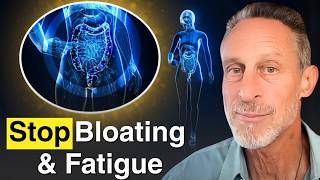
Dr. Mark Hyman outlines a five-step gut healing protocol: Remove inflammatory foods and toxins, Replace digestive enzymes, Reinoculate with probiotics, Repair the gut lining, and Restore overall health. He identifies diet, stress, antibiotics, and poor sleep as the main drivers of gut dysfunction.
Chapters
Bloating, fatigue, brain fog, skin issues, food sensitivities, anxiety, autoimmune disease. Most people don't realize these problems all trace back to the same place, the gut. And when I say gut health, I'm not just talking about digestion. In functional medicine, we often see the gut as one of the central control systems for overall health because it influences nearly every major system in the body. Your gut affects your immune system, inflammation, hormones, metabolism, nutrient absorption, even brain health and mood. In fact, about 70% of your immune system lives in and around the gut. And the trillions of microbes living inside your digestive system, what we call the gut microbiome, well, they play a major role in regulating inflammation, metabolism, cravings, mood, and so much more. And here's what many people miss. You don't need to have obvious digestive symptoms to have gut dysfunction. Some people have bloating or reflux, but for others it may show up as fatigue or skin problems or joint pain. Brain fog, or hormone imbalance, or autoimmune symptoms, or just feeling inflamed all the time without understanding why. That's because when the gut becomes unhealthy, the effects can ripple throughout the entire body. Now, the good news is this: the gut is incredibly dynamic and capable of healing when we create the right conditions. So today we're talking about how to actually begin healing your gut. What damages it? What restores it? And the foundational steps that make the biggest difference. And more importantly, we're gonna keep this practical. We're gonna keep it realistic. It's not about buying dozens of supplements or following some extreme protocols. It's about understanding the basics that truly move the needle when it comes to the gut and your gut health and your overall health.
This episode is brought to you by Function Health, empowering you to live 100 healthy years with over 160 lab tests for just $365 a year. And use the code MARK2026 to get $50 off your membership.
One of the biggest shifts happening in medicine right now is the growing understanding that the gut isn't just about digestion. The gut is deeply connected to almost every aspect of health. In functional medicine, we often start with the gut because when the gut is unhealthy, it can get ripple effects throughout the entire body. There's a reason for that. About 70% of the immune system is in and around the gut. So every day your digestive system is acting as major communication center between the outside world and your immune system. Your gut is constantly deciding what gets absorbed, what gets blocked, what's safe, what might be a threat. At the same time, the gut is in constant communication with the brain through what we call the gut-brain axis. This means your digestive system and your nervous system are constantly influencing each other. So when people experience stress-related digestive issues, anxiety alongside their gut symptoms, brain fog, mood changes, cravings, These things are often connected more than people realize. And then there's the microbiome, the trillions of bacteria, fungi, microbes that live primarily in your intestines. These microbes are not passive. They influence inflammation, mood, metabolism, cravings, skin health, hormone balance, immune function, even how we process nutrients and toxins. You're not just feeding yourself, you're feeding trillions of microbes that influence your health every day. And the quality of that internal ecosystem matters enormously. A healthy gut is really a balanced, resilient ecosystem. You want healthy microbial diversity, strong digestion, healthy gut lining, balanced immune signaling, and effective absorption of nutrients. But when that ecosystem becomes disrupted, well, through processed food, through stress, through antibiotics, infections, lack of sleep, environmental toxins, inflammation, Well, the consequences extend far beyond the digestive tract. We can begin to see chronic inflammation, increased intestinal permeability, sometimes we call leaky gut, immune dysfunction, nutrient deficiencies, food sensitivities, fatigue, skin issues, hormone imbalance, chronic symptoms that don't always seem obviously connected to digestion. Even mental health issues are tied to the gut. And this is why so many people can struggle for years without realizing The gut may be playing the central role because the symptoms don't always look digestive. Sometimes the gut's the hidden driver underneath seemingly unrelated health problems. And ultimately, this is the key idea: when the gut is unhealthy, the whole body becomes inflamed. And that's why restoring gut health can often have such wide-ranging effects on energy, mood, immunity, skin, metabolism, just your overall well-being. And one of the biggest misconceptions about gut health is that gut dysfunction always shows up as digestive symptoms, but that's not necessarily true. Yeah, some people experience obvious digestive issues, but for many people, the signs are much more subtle. They show up in completely different parts of the body. That's because the gut influences so many systems at once. Now, on the digestive side, symptoms can include bloating, constipation, diarrhea, reflux, Heartburn, excessive gas, stomach discomfort, food sensitivities. These symptoms are incredibly common, but common does not mean normal. A lot of people have normalized feeling bloated after every meal or relying on antacids daily or constantly reacting to foods. But those symptoms are often signals from the body that something deeper is out of balance. And then there are the non-digestive symptoms, which people are often surprised to learn can be connected with the gut. Things like fatigue, brain fog, anxiety, depression, eczema, acne, joint pain, autoimmune flares, frequent illnesses, sugar cravings, low energy after meals, feeling inflamed all the time, and a whole much more. Now, these symptoms may not immediately seem gut-related, but when the lining of the gut and the microbiome or the immune system become disrupted, the effects spread through the whole body. For example, inflammation in the gut can influence inflammation in the brain, in the joints, in the skin. In the immune system. Because the gut and the brain are so interconnected, people often notice that when their gut's off, their mood, their focus, their stress resilience are also affected. One thing I see all the time is that people normalize symptoms that are actually important feedback from the body. They see things like, well, I thought it was normal to feel exhausted after eating, or I always had stomach issues, or I just assumed everybody feels bloated all the time. But your body is constantly communicating with you. Symptoms are not random. They're information. And while symptoms don't automatically tell us exactly what the problem is, they can point us toward the areas that need healing and attention. Your gut may be asking for support. And the good news is that even small changes can begin shifting the gut in a healthier direction pretty quickly. And one of the realities of modern life is that the world we live in is incredibly hard on the gut. Our ancestors didn't deal with ultra-processed food, with chronic stress, with constant chemical exposure, with sleep disruption, with repeated antibiotics all the time. But today, many people are living in a constant state of low-grade inflammation and nervous system overload. And the gut is often one of the first places that shows this impact. One of the biggest drivers, well, it's ultra-processed food. No surprise. Diets high in sugar, refined oils, artificial additives, emulsifiers, artificial sweeteners, low-fiber foods. Well, they can disrupt the microbiome and they promote lots of inflammation. Remember, your microbiome and the gut microbes depend on real food and fiber in order to thrive. When we consistently feed them processed food instead, well, we shift the balance of the ecosystem in the wrong direction.
And then there's stress.
Well, there's such an important piece of the puzzle that people underestimate because when the body's in chronic fight or flight, the microbiome becomes altered, inflammation increases. You simply cannot digest, absorb, and repair optimally when your nervous system constantly feels under threat. Antibiotics and medications also have a big impact on your gut. Now, antibiotics can actually be lifesaving. They saved my life and they're needed, but when they are used a lot, they disrupt the microbiome, sometimes in a big way. And it's not just antibiotics. Frequent use of NSAIDs or anti-inflammatory drugs like ibuprofen, acid blockers, which are so common, Certain medications can also affect the gut lining, digestion, and the whole microbiome balance over time. Sleep, well, is another huge factor. We know that the microbiome follows certain circadian rhythms, just like the rest of the body. So when sleep becomes disrupted, whether from stress or screens or irregular schedules or lack of recovery, it can negatively affect the gut ecosystem as well. Now, alcohol and environmental toxins can also increase inflammation, and they can place additional stress on the gut and liver. And then there's chronic infections, microbial imbalances, sometimes called dysbiosis. This can include yeast overgrowth, parasites, small intestinal bacterial overgrowth, or other disruptions of the microbiome. Now, for some people, they can contribute to bloating, often called the food baby, fatigue, mood changes, food sensitivities, skin issues, chronic inflammation, But the important thing to understand is this: it's not usually one thing. Most gut dysfunction develops from cumulative stress on the system over time. It's the processed food plus the stress plus the poor sleep plus the medication plus inflammation, and eventually the body just loses resilience. The encouraging part is that once you understand what's disrupting the gut, you can begin removing those stressors and creating conditions for healing. So once you understand what damages the gut, The next question becomes, how do you actually begin healing it? And this is where I always encourage people to keep things simple and foundational because healing the gut is usually not about finding one magic supplement or doing some extreme protocol. It's about consistently creating the conditions where the body can repair and rebalance itself. And in functional medicine, we call it the 5R program. The first R is remove. Remove what's irritating the gut, right? The first step is getting rid of the things that are continuously irritating, inflaming the gut. And for many people, that starts with food, ultra-processed food, excess sugar, refined oils, additives, emulsifiers, excess alcohol. All these can disrupt the microbiome and they increase inflammation over time. For some people, certain foods may also be triggering immune reactions or digestive symptoms. We call these food sensitivities, and they're actually food allergies, but these are more food sensitivities. And that's where an elimination diet can sometimes be really helpful, not forever, but as a short-term tool to help identify patterns and food triggers. Because here's the reality: you can't heal the gut while constantly irritating it. And I think this is important to say clearly. Healing doesn't require perfection, but reducing the daily inflammatory burden on the body can make a big difference. For people who want more structure and guidance, this is exactly why I created the 10-Day Detox Diet. It's simple. It's step-by-step. It's a program that's designed to help reduce inflammation, to reset your gut, to stabilize your blood sugar, and remove many of the common foods and the habits that can disrupt the microbiome and your overall health. And one of the most powerful parts of the program is that you're not doing it alone. There's built-in community, there's support, there's education, there's recipes, there's coaching options, all help people stay accountable. And supported throughout the process. Because sometimes having a clear roadmap and support along the way, well, can make healthy changes feel so much more doable. I always say getting healthy is a team sport. Now, a few other things about the first R, remove, is not just remove bad foods or food sensitivities, but also remove bad bugs. That can mean parasites, worms. It can mean treating what we call SIBO, or small intestinal bacterial overgrowth. That's when you get bloating right after eating, or small intestinal fungal overgrowth, or SIFO, often called yeast overgrowth, or Candida. It's not just Candida, by the way. And that's important. And those may require herbs, sometimes medications. And it's important to get all that stuff out before you start to rebuild the gut. Because there's a rule in functional medicine, if you're standing on a tax, it takes a lot of aspirin to make you feel better, remove the tax. And if you're standing on two tax, let's say you got a food sensitivity and a parasite, you gotta take both of them out. Removing one isn't gonna make you 50% better. So really important to think about that. And you really often need the guidance of a good functional medicine doctor, although there's some nice personalized protocols you can do that are herbal or don't require a doctor, but often you will need medication if you have things like parasites or worms or fungal or bacterial overgrowth.
You wouldn't invest money without looking at the numbers first. You wouldn't trade for a race without knowing your starting fitness level, but somehow people spend thousands of dollars and enormous amounts of energy trying to optimize a body they've never actually measured. Cold plunges, red light, peptides, supplements— these tools can be generally powerful, but I always ask the same question that most people skip: what's your baseline? Because here's the truth: trying to improve your health without your data is expensive guesswork. If your ApoB is elevated, your cardiovascular risk deserves attention before your next protocol. If your vitamin D is low, your recovery and immune function may be already limited. The most sophisticated move you can make right now isn't adding something new; it's knowing exactly where you stand. Function Function Health gives you access to 160 lab tests annually so you can understand what's happening inside your body before you layer anything on top. Data first, then decisions. Go to functionhealth.com/mark. And if you're one of the first 1,000 people this week, use the code MARK2026 for a $50 credit toward your $365 a year membership. That's functionhealth.com/mark and use the code MARK2026 today.
The second R is to replace, and that's replace things that could be missing, like digestive enzymes, hydrochloric acid, and prebiotic fibers. Prebiotics are so important because they're the fuel for the healthy microbiome. And they can come from prebiotic foods like asparagus, artichokes, plantains, you know, Jerusalem artichokes. Lots of foods are prebiotic. And then of course, polyphenols. Are often overlooked. And these are the colorful plant compounds in food that feed healthy microbiomes. So cranberry, pomegranate, green tea, things like that have major effects on the microbiome. So those are things you want to replace. The third R is to reinoculate, and that means introducing and reintroducing healthy bacteria. And the second R, the replace, the prebiotics and the polyphenols is going to feed the good bugs, but you got to also sometimes give good bugs. And that means things like probiotics. And there are many, many different kinds of probiotics. It's a very long conversation. I'm not going to go into it here, but it's important to understand there are different quality of the probiotics or different probiotics for different things, and they all have different functions in the body. And so it's important to really understand what you're doing there. They don't usually take up residence. They kind of act like tourists. They change the economy while they're in there, but they can be very symptomatically helpful. And I do use probiotics in my practice. The fourth R is to repair. Now, this is repairing the gut. And, what often happens as a result of all this injury, the bad foods, and the lack of probiotic foods, and fibers, and the antibiotics, and all the stuff that we do to damage our gut is that we get a leaky gut. And, that requires nutrients and things to help it repair and things like zinc, and vitamin A, and omega-3 fatty acids, and something called GLA, which is gamma-linolenic acid from evening primrose oil. It can also include things like glutamine and licorice and aloe and all kinds of different things that can help to repair the gut lining. And that requires, you know, often some supplements for a period of time, but it's usually a 2 to 3 month protocol to help really reset the gut. And it's one of the most powerful things we do in functional medicine. It's one of the foundational principles of functional medicine. And an elimination diet plus a 5R gut reset is often the key to so many health issues. So I encourage, if you're having chronic inflammatory health issues of any kind, It's a powerful, powerful tool. And the 10-day detox is a great way to start the dietary part. And then, you know, there's other resources we have on our website and online on drhyman.com to help you understand what to do with healing your overall gut. And the fifth R is to restore. And that essentially means work with your nervous system because stress is a big disruptor of the gut. If you take a bunch of healthy soldiers and you march them overnight, by the morning, they're going to have a leaky gut and their microbiome is going to be messed up. Whether it's physical stress, psychological stress, it plays a big role. So learning meditation, yoga, breathwork, massage, whatever your technique is, and there's a lot of them out there, it's important to learn how to regulate your nervous system on a regular basis. Every morning I meditate, I do breathwork, I do qigong just to get my system kind of in a good state. Of course, I screw it up the rest of the day, but you know how that goes. And I try to come back at the end of the day, take a hot bath, relax, you know, do all the things I need to do to reset my system. But so that's the 5 Rs: remove, Replace, reinoculate, repair, and restore.
All right.
Let's talk about some other things that are important for the microbiome. Eating foods that help your microbiome. I touched on a little bit, but the next step is to actively feed the microbiome and support the microbiome. It's one of the most powerful ways that you can help restore your microbiome is through food. And that's through dietary diversity. Your gut microbiome thrives on fiber-rich foods, on plant-rich whole foods, colorful veggies, fruits, legumes, nuts, seeds, herbs, spices, healthy fats, good quality protein. These are important. Now, these foods contain— except for protein and usually fat— they contain fiber and polyphenols that nourish beneficial gut bacteria, and they help create a healthier gut ecosystem. I often tell people, eat the rainbow, because different plant foods feed different microbial species, and the more diverse your diet, the more diverse and resilient your microbiome becomes. That diversity is strongly associated with better overall health and lower inflammation. Just think of a monocrop cornfield and how susceptible it is to drought or pests or, you know, floods or whatever, versus a rainforest ecosystem, which is incredibly diverse, incredibly resilient. And if one plant dies, it doesn't really matter. Next, you should think about how to support your digestion. And this is really important. How How we eat matters, right? Not just what you eat. We live in a culture of rushed meals, multitasking, eating in the car, eating while stressed, eating while scrolling on our phones, eating watching TV. Digestion is actually incredibly energy intensive. So, slowing down matters. Chewing thoroughly matters. Eating in a calm environment matters. Hydration matters because you can't properly digest in a fight or flight mode. You got to relax. And, when the nervous system perceives stressful, your digestion gets deprioritized. Blood's going to your muscles and your heart, not your digestion. And this is why so many people experience bloating, reflux, stomach discomfort, poor digestion during periods of chronic stress. Now, sometimes people may also benefit from targeted digestive support, um, depends on the situation, but the foundation is always supporting the body's natural digestive process first. Next, I want you to prioritize sleep and stress reduction. It's huge. The gut and nervous system are deeply connected. So when stress hormones like cortisol are elevated chronically, well, they alter the microbiome, they increase inflammation, they affect intestinal permeability, and they disrupt digestion. And honestly, many people underestimate how much stress impacts the body physically, not just mentally. Stress changes biology. And that's why practices like walking, mindfulness, breathwork, time in nature, social connection, restorative sleep can have profound effects on gut health. Sometimes the most healing thing for the body is creating more safety and regulation in the nervous system. The next thing I want you to consider is targeted support for your gut. We talked a little bit about this, but I want to dive in a little more here. There are situations where it can be really helpful. That includes probiotics, fermented foods like sauerkraut, kimchi, miso, natto, tempeh, omega-3 fats, important, like I said, for the gut, glutamine. All these things are important. Zinc. They can really, really be important, but don't overcomplicate things. There's no single supplement that heals the gut. Supplements support the process, but they work best when the foundations are already in place. Real food, sleep, stress reduction, nervous system regulation, reducing inflammation, all are so key because ultimately the body already knows how to heal. Our job is to remove what's interfering and provide what's needed for that healing to happen. All right, let's do a little quick Q&A. Common questions. Um, are probiotics necessary? Well, some of them are helpful, but food and lifestyle come first. Prebiotics are more important than probiotics. That's a good one to remember. And polyphenols also important. What's the best diet for gut health? Whole foods, fiber-rich, anti-inflammatory diets help most people. Okay. How long does gut healing take? Well, it depends on the person, but consistency matters more than perfection. It can be usually 1 to 3 months. Can stress alone affect the gut? Absolutely. Is leaky gut real? They used to make fun of me for talking about it, but actually it is. Just go on PubMed, the National Library of Medicine database of all scientific papers, and search for intestinal permeability. Big scientific word. Essentially, it means in English leaky gut. It's well documented and no longer are people laughing at me. Thank God. I don't care if they do anyway. So as we wrap up, I want to leave you with this: healing the gut is not about perfection. It's about restoring balance. The body has an incredible capacity to heal when we take away what harms it and we give it what it needs. Take away the bad stuff, put in the good stuff. That's it. And often the most powerful changes are often the most foundational: eating real food, reducing ultra-processed food, supporting the nervous system, prioritizing sleep, managing stress, moving your body, creating a healthy relationship with food and your health overall. In fact, it works for everything, right? Start simple. You don't have to do everything at once because small daily habits have a powerful cumulative effect on the gut and your entire body. Actually, this is really what functional medicine is about. It's about helping people become the CEO of their own health. It means learning how your body works. It means paying attention to what's telling you Listen to your body and understanding what your daily choices are and how they matter more than any one medication or supplement or quick fix ever will. And when you begin supporting the body consistently, amazing things can happen because when you heal the gut, you're often helping heal the whole body.
If you love that last video, you're gonna love the next one. Check it out here.
More from AI




This Is Why 99% of Skin Conditions Don't Heal — And What Dermatologists Won't Tell You






Why you need to start strength training today #strengthtraining #healthyaging #fitness
