The Warning Signs Of Chronic Inflammation & The Top Foods To Reduce It | Dr. Shilpa Ravella
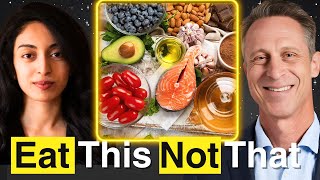
This is a YouTube video titled "The Warning Signs Of Chronic Inflammation & The Top Foods To Reduce It | Dr. Shilpa Ravella" featuring a detailed conversation between Dr. Nadeem Quraishi and Ask AI Mark. Recorded in August 2023, the discussion explores the causes, detection, and treatment of chronic inflammation, emphasizing the role of diet, lifestyle, microbiome, environmental toxins, and stress. The dialogue includes medical insights, patient case studies, and practical advice on anti-inflammatory diets and lifestyle changes.
A lot of what is causing this low-level chronic silent inflammation today is our environment, our dietary habits, our lifestyle.
Now most people kind of get inflammation. Well, I have a sore throat. Okay, that's inflammation. Or, you know, I have an autoimmune disease, or I have allergies, or I have asthma. People sort of get that's inflammation. But most people don't really know that other diseases that I mentioned, like heart disease, cancer, obesity, diabetes, aging itself, depression, autism are all either caused by or somehow affected by inflammation in our bodies. And by the way, just to say everybody, the reason why Americans were only 4% of the population but suffered 60% of the cases and deaths from COVID was not because we have a bad healthcare system. It's because we were all pre-inflamed because we were living and eating and doing things in a way that make us pre-inflamed. So when COVID hits us, it starts a wildfire. It's like dropping a match in a dry forest. So it creates a wildfire and that's exactly what COVID was. It was a wildfire in our bodies that killed so many of us. So kind of take us through why are we having so much inflammation and what is it? How do we kind of identify it?
Sure, well just going back to the basics, inflammation is actually an ancestral force that evolved to protect us from things like pathogens and poisons and traumas, all of these ancient killers. So it's actually a good thing in our bodies to have inflammation when we need it. But the problem is that because we've evolved these strong, robust immune responses, we also tend to pay a price for it. And this is called the biological price of having strong immune system. And we can see that with autoimmune diseases, for example, like rheumatoid arthritis or inflammatory bowel disease. But now what we're seeing is that we've also transformed our modern environments from the food we eat to the air we breathe to how we move, how we interact with others in terms of social connections. So our immune systems are constantly triggered at a low level. And this leads to chronic silent inflammation in the bodies. And we know today that this type of inflammation can actually be an independent cause of disease. And it is tied to a variety of modern chronic diseases. The majority of our top killers is tied to heart disease, cancer, diabetes, neurodegenerative disorders, some psychiatric issues, obesity. So what we're seeing today is that the majority of us in the modern world are inflamed. Yeah.
Most people don't walk around going, oh, I'm inflamed. Like if you, if you got a rash or you have a sore throat, you know, I'm inflamed, right? If you have a arthritis in your knee and it's swollen up, you go, I got a problem. But most people who are overweight or have heart disease or high blood pressure or diabetes or depression, they're not walking around thinking, oh, I'm inflamed. I better deal with that.
Right?
Right. Absolutely. So explain how inflammation plays a role there because we think of inflammation typically as being something that is there to fight infection or immune system to that gets activated to fight cancer. and then can get dysregulated with autoimmunity and allergy, but we don't think of it in terms of sort of this general state of being kind of low-grade inflammation, which we're all suffering.
Right, and I think that's a great point, is that we don't tend to think of inflammation as being so broad. For example, when we think of inflammation, we think of autoimmune disorders, typical autoimmune disorders, or as you said, when we have a cold or a flu. But now what we're seeing is that low-level inflammation can actually cause some of these disorders, or it is tied to nearly all of these modern chronic disorders. And you're right that if you go into your doctor's office, your typical Western physician's office, you're unlikely to be offered a test for inflammation. So the question is, how exactly do you know that you're inflamed? And I think there are a lot of things that are coming up these days. For example, in cardiology clinics, doctors might test you for something called C-reactive protein, high sensitivity C-reactive protein. And that's a marker of inflammation in the body. It's made in the liver in response to areas of inflammation. And there are a variety of other markers as well, but some of the problems with these tests is that they may not be that specific. So if you have elevated C-reactive protein, you may have that elevation from the cold you have, and you cannot be sure where it's coming from in your body, how long it's been there for. But, you know, there are new markers being developed. There are inflammatory signatures, for example. There was a Stanford study a couple of years ago on aging and an inflammatory signature comprised of several markers that can help to predict healthy aging. And, you know, there are so many different things that are in the works, I think, from tests like CAT scans and MRIs that can pick up inflammation around blood vessels, for example, and predict which plaques are most likely to rupture. So those are some of the things. And one of the proxies for being inflamed that we can all look at when we go to our primary care physician's office is just things like high blood sugar or diabetes. If you have pre-diabetes or diabetes, you are most likely to have some amount of inflammation in the body because high blood sugar tend to create inflammation. And if you have that belly fat, for example, then you also know that you most likely have some level of inflammation in the body because we know that the belly fat is a marker for the fat that wraps around your internal abdominal organs.
Yeah, I mean, by the way, that fat is a source of a lot of inflammation because it's not just the belly fat is not just holding up your pants, it's actually a very active immune hormonal organ that's spewing out all kinds of inflammatory signals if you get this excess belly fat. And I think most people don't realize that if you have a big belly, you've got a smoldering fire inside of you. And that is really important to understand. And the reason we get the big belly is because of what we're eating. So, you know, let's talk about, you know, the, some of the things you were talking about, like how do we know, right? So we can do a CRP, but it's not very specific. It doesn't tell us why. It, you know, there are other markers. We mentioned Stanford research. I think that was David Furman's work on the Thousand Immunomes Project, where he looked at cytokines or inflammatory markers in a thousand people from little kids to old people, and he found they were like things that we probably never heard about in medical school, these cytokines that we don't test for in a normal lab result, but that actually are probably more predictive and more correlated with various age-related diseases than other markers that we actually do measure, right? So we're kind of learning about how to test for this. And you mentioned high resolution scans, imaging tests. Now, for example, with Alzheimer's, we know that Alzheimer's is an inflammation in the brain. We can see through various MRI and high technology scans, we can see inflammation in the brain. We can see, for example, in new AI-driven heart scans, we can see inflamed plaque where rather than just looking at O and angiogram or even calcium score, which gives you a rough idea of the calcified plaque, it doesn't tell you how inflamed your plaque is. So we're getting more and more sophisticated. But are there tests that we should all be doing to check for inflammation? And are there tests that help us figure out the why? What is the why behind why we're so inflamed?
I think that's certainly a tough question. For sure. And I think it's also very specialty dependent. For example, in my own practice, I tend to see inflammation all throughout the intestinal tract. And so depending on what sorts of symptoms a patient's come in with, I may do endoscopic testing, I may do an upper endoscopy and a colonoscopy, and I may catch microscopic inflammation in the intestines as well through that way. And there are also stool tests that we do in our practice to measure inflammation like lactoferrin, which is one of the stool tests. And these are very situation dependent. And again, if you go to your physician in general, you're unlikely to be told, hey, let's just check you for inflammation and then let's try to treat it. And we're not quite there yet, but I think we're getting there. And I think one of the interesting things, too, with testing is that, you know, perhaps we should be measuring inflammatory responses to challenges rather than just like a baseline snapshot of inflammation. I think that's something that could be very interesting as well because we want to know that the immune system is doing its job when it should be and not overreacting as well. So I think there are a lot of great things that will come up in the future regarding testing and hopefully we'll see more and more specific markers and we'll see more trials in this space. But I think when we go to our physician's office, in the modern age, we have some proxies that can tell us if we're inflamed and we have specialty specific diagnostic tools that we can use as well. Interesting.
You mentioned sort of a challenging the immune system. Can you talk more about that? Because we know, for example, if you want to check for diabetes, you do a glucose tolerance test where you give people a bunch of sugar and see what happens to their blood sugar. Or if you want to check someone's heart, you don't just check an EKG, you put them on a stress test or do a stress echo to stress their system. Tell us what you're talking about. I think this is a really interesting concept of how do we test our immune system's function?
Are we overreacting or underreacting? Yeah, I think it can be as simple as injecting a molecule like lipopolysaccharide and trying to figure out what the immune system's response is. Is the immune system one, responding appropriately? And two, is it overreacting? Are we having too much inflammation to a stressor? And I think that could tell us more than perhaps just a snapshot of the blood markers that we have currently. And this is something that I think maybe that we will see in the future. Yeah.
Now, we've all heard about the cytokine storm from COVID and cytokines are basically the messenger molecules of your immune system. And a lot of the, you know, work by David Furman, things we're measuring like CRP, TNF-alpha, IL-6 cytokines, they're just the, the, symptoms of inflammation. They're not the cause. They're the body's response to something that's irritating it. Right. So my, my question is, you know, is, is, you know, why always, why is the immune system pissed off in the first place? Right. It's easy to measure. Look at, you know, you can look at scans, you can look at a colonoscopy, you can look at CRP, you can look at all these other biomarkers, but it's not going to tell you the why. And so, you know, my joke always is that a functional medicine doctor is really an inflamologist. Like, I'm an inflamologist. I think I, I, like, made it my life's to understand inflammation, to understand what causes it, how to actually remove the causes, and how to get the body's own immune system to calm down and to reduce the inflammation naturally. So can you talk a little bit about, from your perspective, what do you see as the main drivers of this epidemic of inflammation and inflammaging, which we talk a lot about?
I think, first of all, that this idea that all of these disorders share a deep biological link from heart disease and cancer to some cases of depression and neurodegenerative disorders, that lengthening inflammation, it forces us to look at all of these things and really try to figure out what these root causes are. And it forces us also to look at patients and to treat patients not only from specialty perspectives, but also holistically in some ways as well. And a lot of what is causing this low-level chronic silent inflammation today is our environment, our dietary habits, our lifestyle. And we know that chronic inflammatory disorders. And when I talk about chronic inflammatory disorders, I'm talking, you know, not just about rheumatoid arthritis and inflammatory bowel disease, but all of these different modern diseases because these are inflammatory disorders. And, and so we know that our.
Lifestyle factors play a very, very important part. So, so talk, talk more about, you know, specifically, what is it about our diet that's driving the inflammation? And, and then I want to get into potentially exploring other causes that may not be immediately obvious to people that are driving inflammation.
Sure.
Because your book is really Silent Fire talks about diet as a big driver of inflammation. So exactly what are we talking about here?
There are so many different factors and I think one of the biggest ones is the Western diet and this type of diet is loaded with an excess amount of sugar, salt, inappropriate fats, processed foods, processed meats, refined carbohydrates. And the problem with this Western diet is that our immune system actually tends to respond to it as it would a germ. You know, your immune system tries and tries to kind of fix things in your body, and it realizing that keeps getting these hits, you know, maybe three times a day or six times a day, however many times a day you'll have a meal. And when we are eating this Western type of diet, we're also starving our gut microbes of their most beneficial nutrient, which is fiber. And fiber can manipulate all arms of the immune system, from the innate immune system to the adaptive immune system. And it's an incredibly powerful, powerful nutrient that we need to be eating more of. But 95% of Americans today do not meet the recommended daily allowances of fiber. 28 grams for females and 38, I think, for males. So we are really starving that microbiome and the microbes change their behaviors, causing inflammation. They'll inch closer to the mucosa. They will create more inflammatory molecules like lipopolysaccharide. Those molecules will go out into the bloodstream, causing body-wide inflammation. So it's changing, you know, who the microbes are, the species in your gut, and also what their behaviors are. So the Western diet, one of the biggest losses is also the fact that we are depriving our bodies and our guts and our gut microbes of their most essential nutrient. So diet is certainly a very big component of creating this low-grade inflammation. And I would also say that the.
Other main-- Not just the lack of fiber though, right? It's probably other things in our diet.
Right. Plenty of other things. And, you know, the other thing too, I would say, is that we tend to think of foods as dampening or creating inflammation, but there's also a reversal going on. This whole process by which inflammation tends to die down in the body is not a passive process. It's an active process and immune cells like macrophages and neutrophils will secrete new mediators. And we need to feed that process. And so we need to eat healthy fats like omega-3s. And I think that's something that we don't do enough of. nearly enough of. So that potential to resolve inflammation in our bodies, we need to really be able to create those molecules. And that also comes from diet because the precursors of these lipid signaling molecules are actually Omega-3s which we find in a variety of foods. Yeah, I mean, these are called the icosanoids, right?
This is what we learned in medical school. These pathways of regulating cytokines, inflammation, and they're highly regulated by the fats in our body, particularly the Omega-3 fats. I want to loop back to what you earlier talked about because I think it's really important. I don't want to skip over it, which is the role of the microbiome. And as a gastro neurologist, I think this is your area, which is the microbiome plays a huge role in regulating our immune system. And most people don't know that 70 of our immune system or 60 of any talking to is in our gut. And it's because it's the first place where we interact with the outside world. Right. We put all this pounds of foreign stuff in our mouth every day, and it goes down there and has to be sorted through. And then you've got all those bacteria and bugs and poop in there, and it. you know, you have to lay in the right stuff, but keep out all the bad stuff. And when we get a problem with the microbiome, we tend to get damage to the gut and more inflammation. So can you kind of walk us through that whole story of what we're doing to damage our microbiome besides just not eating fiber and what changes happen in our microbiome and how that starts to up ramp the inflammation cycle in our body?
Right. So, so, so when you look at the microbiome, when you see, for example, a mouse who grows in a sterile bubble with no microbiome, no germs on that mouse whatsoever, you find that this mouse actually tends to develop all kinds of abnormalities, like a deformed heart and lungs and a shrunken brain. So microbes actually train our immune system. They help our immune systems to develop. Our microbes are having conversations with our immune cells at all hours of the day, and this is a process that begins even before we're born. and once we're born, of course, and all throughout life. So we need to be having those essential conversations. And how do we foster those conversations? And again, it comes down to lifestyle. What kinds of foods are we eating? I had mentioned fiber, but there's so many other foods that are great for the gut microbiome, because we know also that a lot of the fats that we eat can make their way, some of them can make their way down into the colon, and we have that proportion of fats, for example, for being metabolized. And we know that there are spices and herbs and all of these wonderful foods with polyphenols, which are amazing compounds for the gut microbiome, because again, some of those make their way down and are metabolized by the microbiome. So it's not just about the fiber, but all of these amazing nutrients that we find in foods. And what we know today, too, is that a dysbiotic microbiome, or a microbiome that is an imbalance, is very often an inflammatory one. So when you have microbial dysbiosis, when you're eating a poor diet and not exercising, you know, stressed out and not getting enough sleep or social connections, and you have a dysbiotic microbiome, we do know that you most likely have low-level chronic inflammation coursing through the body in those states. So our microbiome is incredibly important for the inflammation picture as a whole. And our immune system shapes the microbiome as well. We know that microbes do so much in the body from digesting nutrients we cannot digest to changing gene expression to modulating the inflammatory response.
Yeah, your specialty has definitely got a new renaissance in the microbiome revolution. I mean, I remember speaking to gastroenterologists like, I don't know, 20 plus years ago, and they were like, really? You think food has an impact on what's happening in the gut? And I'm like, yeah, what a concept. Right. And I think now it's finally like, you know, I mean, just amazed. The doctors say, well, what you eat has nothing to do with your health. Like, it just, you know, your autoimmune disease, your colitis or your whatever it is, it's like, it's not connected. And it's just, it's kind of absurd, but food is the biggest single transducer we are interacting with every day. And it's either driving up inflammation or calming it down inflammation. And what we eat every day shapes our microbiome for better or worse. and so, you know, when you can have an inflammatory microbiome or an anti-inflammatory microbiome, and, and it's regulates everything from autoimmune diseases to a heart disease, to obesity, to cancer, to Alzheimer's, to autism. I mean, the list goes on and on and on. And so it, maybe it's probably one of the central things when I'm actually treating patients for any problem, I mean, that it remotely could be inflammatory and pretty much every chronic disease we have. I always start with thinking about the gut. I always like, well, how is their gut? Do they have any symptoms? What's their microbiome? Like you mentioned lactoferrin, that's one test you can measure, but you can also look at the immune system in the gut. You can put the bacteria in there. You can look at Calprotectin, other eosinophil protein X, all kinds of biomarkers that can tell you there's stuff cooking and causing trouble. And it might not be a full-blown autoimmune disease in the gut, but actually is something you need to pay attention to. So I think that's really important. The microbiome, I think, is one of the key factors driving inflammation and the challenges of the microbiome. What are some of the other things.
You'Ve found that might be driving inflammation?
Not things that people typically think about.
Well, I think one big thing also is just the stress in our lives. And, you know, when we look at stress, we typically think of a bad boss at work or, you know, bereavement and things like that. One big, big stressor since the pandemic, though, has been just loneliness or lack of social connections. And I think this has been a huge and increasing stressor Being lonely can be very detrimental to the health and loneliness is tied to all different kinds of diseases from heart disease and cancer to obesity. And it's a stress on the body and inflammation can be one mechanism by which stressors like loneliness can cause illness. And what happens is, you know, it's not the acute stress. I mean, if you're faced with a saber-toothed as an ancestral times, you want to kill that tiger and go away, right? And it's not the acute fleeting stress, but it's these chronic slow going stressors that occur day after day. And for a lonely individual, their bodies are going to react to that stress as they would to a germ. And it's kind of paradoxical because when you look at these hormones going through our bodies in acute stress like cortisol and norepinephrine and epinephrine, You actually have a dampening of the immune response initially, but chronically you actually have increased inflammation and you have increased cells, immune cells, being made in your bone marrow. You have an expansion of white blood cells in the body. So this is what chronic stressors like loneliness do. And I think also it's a systematic problem. It's a societal problem. It's not necessarily just an individual problem and problem that needs systemic solutions.
Yeah, for sure. That's just, I mean, the social issues are huge. And I think in the blue zones, they live so long, partly because they have such a deep, connected community, and it helps calm down inflammation. You know, I think that's really actually biologically, really plausible. I I also want to ask you about things that people don't necessarily think about connected inflammation. For example, environmental toxins. What have you found around the role of environmental toxins and, and inflammation because it's something we can't really control as well as our diet or exercise or stress levels, even our social relationships. But it just seems like we're in a sea of toxic chemicals and what role are they playing in our immune system?
You know, I've been seeing more and more data, just studies coming out on some of these chemicals just in daily household goods, from everything we use from our cleaning products to the clothes we wear. And you know, connections to inflammation in the body through those things as well. So, and then also just pollution in the air. And pollution we know is very detrimental to health, linked to a variety of disorders. And inflammation could be one mechanistic pathway by which pollution also causes disease. But I certainly think that environmental toxins are a big part of the picture as well. You know, it's the food we eat that's a very, very big part, but it's also the air we breathe, how we live and our household to our goods and our habits in that sense. So some of these chemicals in plastics, for example, or even in your exercise clothes, I think there was a new study that just came out on chemicals in polyester clothes that folks wear exercise. And so, you know, I really do think there is utility to really thinking about everything that you're bringing into your house and trying to stick to natural clothing materials, like maybe cotton and linen over this kind of cheap and fast fashion, for example, which has other issues associated with it as well. And I'm not saying someone has to be 100% in avoiding every single chemical they've ever heard about, but I do think that it's prudent to really think about what you're bringing into your home. And this also allows us to live a more sustainable and environmentally friendly lifestyle in a lot of ways.
Yeah, it's true. I mean, I'm on the board of the Environmental Working Group and there's all sorts of wonderful guys there, for how to reduce your exposure from household products, from skincare products, from food, from pesticides, all the things that are really causing potential harm. And, you know, even autoimmune disease, there's now links to, for example, environmental toxins and autoimmune disease through a mechanism they call autogens, you know, rather than antigens. We call them autogens or obesity or cancer. So all of these inflammatory problems can be triggered as well. Also, you know, from the diet perspective, what's your, what's your take on sort of the increasing rise of true food allergies as well as sort of food sensitivities and why we're seeing this and, and, you know, is there Merit to it? And, you know, as a gastronologist, you deal a lot with celiac disease. You know, what's your perspective on the sort of increasing rates of gluten sensitivity? I mean, there was a 400 increase in true celiac disease based on a large study of 10,000 pooled blood samples from 56 years ago to those now showing a real true increase. So can you kind of talk about that whole realm? Because I think people really are confused about it and people think, you know, maybe get a little crazy about who's sensitive to these, but I think it's an important thing to think about.
Yeah, I think, you know, there has been an increase in incidence of autoimmune disorders across the board, including celiac disease. And even in the last few decades, we're seeing a steep rise in all of these disorders. And we know that many of these disorders have a genetic component, some more than others. But we also know that we've transformed our environments. So it's not just the genes and it's largely environmental factors. It's also driving this increase, not just in autoimmunity, but also allergies as well and food sensitivities. Part of the problem is that when we are born and as we go through childhood, as we go through our lives, and the pandemic is a great example of this, we are not exposed to the microbes that we need to be exposed to. What we need to do is to be finding these microbes that evolved alongside humans in ancient times, these microbes that are found in the air and mud and the ocean. Those are the microbes that we need to be keeping in contact with all throughout our lives. And there is a critical window during the first few years of life when We especially need all of these microbes to help to train our immune system not to overreact against harmless particles like dust and dander, but to actually accept what it should accept and to react against infectious deadly germs. So we need an immune system that's balanced. And I think to have that balance in the immune system, you know, we do need to be exposed to germs much, much more than we have been. And that means that we have to go outside, we have to be outside, much more than we are. And it also means not being too, too clean in the house. It means trying to bring nature into the house as well.
Maybe you drop food on the floor, you should eat it.
Well, you know, I say, do you.
Not wash your vegetables?
Well, you know, and, and this is the hard part, right? Because there's a balance and it's, it's, it's tough because during the pandemic, we were, we're so, so clean and we were washing our hands a million times a day. And I think it's a fine balance, but one that can be struck because if you're going hiking in a place that you're very accustomed to, then maybe you don't have your kid do a complete hand wash after that. It's not essential, but if you're in a perfectly manicured lawn, then you sort of know that there's other things in there that you may not want your kids to have on their hands before dinner time. So it's really a balance. of course, if we're living through a pandemic, then it's important to keep all those measures intact and to wash our hands and to be very cautious. But at the same time, when we go outside, interact with those microbes in the forests and parks and hikes, we are actually boosting our immunity as well.
So.
We do need that interaction even through pandemics and such. so I think it's a fine balance.
But you think there's a real truth to the increase in these food sensitivities and gluten sensitivity?
They're not just in people's head? I do, because if you look at this rise, you know, it's been in the past few decades, and if you look at how much these chronic disorders have risen, you know, the incidence of cancer, heart disease, and autoimmune disorders, diabetes, I mean, across the board, you see, you know, a huge rise in all of these disorders, and, you know, our genes cannot transform. so quickly and our environments, meanwhile, are continuing to transform. And, you know, just with the advent of processed foods, even if you look at the 1950s, a dinner plate in the 1950s, you would not find the amount of processed foods that you find today. And these foods are, you know, they're kind of like Frankenfoods. They have so many additives that, you know, we do not understand. And, and it's, it's tough also. in healthcare and in medicine to try to prescribe lifestyle medicine. And lots of folks are working on that. And that's, you know, the goal of all health and wellness practitioners. But the system is set up so that it is just harder and more time consuming to implement these things. So that's a process, an ongoing process as well. But I absolutely think that we do have a rise in all of these disorders, including autoimmunity, because of our lifestyle. in part. Yeah, it's true.
I think there are some things that, you know, are, you know, out there now that I think are driving inflammation and create a lot of chronic sort of issues. And I think we've seen this with COVID for example, you know, we saw this sort of wave of COVID but, you know, now that's calmed down, there's a whole aftermath of what we call post-COVID syndrome or long COVID or long haul COVID. And, and that is an inflammatory condition that's real and it's making people feel like crap. brain fog, fatigue, muscle aches, all sorts of symptoms. And so, the other thing I think that is driving inflammation for people are some of these low-grade chronic infections, and it could be things like Lyme disease or other tick-borne illnesses, certain viruses that get activated if your immune system not regulated well. COVID is a great example of something that kind of persists. So, what's your take on how we sort of think about looking for those root causes of inflammation?
Well, I think, you know, especially as we age, it becomes harder for our immune system to fend off pathogens, and it's more likely that we may have some of these low-level sort of infectious issues. So I certainly recommend, you know, going to your physician and going to your specialist and getting a full workup for whatever it is that you do need. You know, just, just being mindful of signs and symptoms at home, clinical signs and symptoms as well, and I think that's one of the best things that you can do. Yeah.
You know, in terms of sort of another sort of take on this, the, the, you know, inflammation that we're, we're getting is, is an issue.
Right.
We've talked about diet, we've talked about stress, we've talked about toxins, we talked about allergens, we talked about the microbiome, we've talked about infections, all things that are triggering inflammation. So as a physician, you have to be really good at being a detective about all these things, right? How do you analyze diet, exercise, stress, sleep, obviously lifestyle factors, but also how do you look for hidden infections? How do you look for hidden toxins? How do you look for what's going on in the microbiome? How do you, you know, measure what may be the root causes? But we also kind of have an opportunity once you've done that to live an anti-inflammatory lifestyle to reduce inflammation. So how is, as a physician, do you think about addressing this because it's not like take aspirin or Advil or take an immunosuppressive drug. I mean, I read one study for depression where they were using, you know, basically these TNF alpha blockers, these powerful biological immune suppressants to treat depression because they thought it was inflammation in the brain. I'm like, that is the worst idea I've ever heard about. So can you talk about how, how we can start to think about, you know, reducing inflammation in the body, what are the tools we have to treat it, and how do we start on that process?
I think for one, if I see a patient coming into my clinic, the first thing I want to establish is their baseline. What sorts of comorbidities do they have? And then also what kinds of GI comorbidities? If you have, for example, intestinal bacterial overgrowth, you may have sensitivities towards certain foods that may resolve entirely after that overgrowth is treated. If you have things like microscopic inflammation of the colon, you may need to treat that first. If you are very, very stressed out and have had major stressors in your life, then that could play a part in the types of foods you tolerate and your general health as well. So I think just looking at the baseline health of an individual is kind of my first step. And then from there, I do prescribe empiric lifestyle therapies. So I empirically prescribe dietary and lifestyle therapies for patients that can actually help them to live a more anti-inflammatory life. I think everyone is different. And, you know, I have patients, I had a huge population of patients at one point who were missing most of their intestines. So instead of having a 20 feet of small bowel, they had 20 centimeters. And of course, dietary recommendations have to be tailored. But looking at all of these different, you know, food sensitivities and allergies and food intolerances, you know, you really have to tailor the diet in those situations to each individual. And when you're looking at a global sort of a diet, a population wide diet, because these are population wide problems when we're talking about these chronic inflammatory disorders like heart disease and obesity and cancer. And I prescribe, you know, diets like the Mediterranean diet or the Okinawan diet. I think there's no single size fits all type of answer sometimes, but the dietary patterns that we have today that are rooted in tradition are absolutely wonderful. And that's something I use to sort of personalize a diet for each patient because I think in so many of these, these cultures, the ancient Traditions do really support a diet that is very anti-inflammatory it's true.
And in a lot of the diet that's the most inflammatory is the amount of sugar, right, in the diet. And I think sugar and starch are probably the most inflammatory foods, and they drive that belly fat, which is a very different kind of fat. that we talked about earlier. And I think that's the fat that's driving so much of the inflammation and, and is a problem. You know, one of the most powerful things as a functional medicine doctor that I've done, and I think if I had, like, one tool as a doctor, if I only had, like, one prescription to give people for everything, it would, it would be an anti-inflammatory diet, but a particular kind of one we call an elimination diet. And typically, this has been sort dismissed by most of traditional medicine. But I'd love your perspective on the idea of removing all the inflammatory foods and adding in all the anti-inflammatory foods as a strategy for treating, you know.
A wide host of chronic diseases. I think certainly, you know, in certain conditions, you know, for example, with chronic food allergies and such, where it's not an immediate reaction, there are food elimination diets that you can do. And in my population, I have patients with irritable bowel syndrome, and those patients have certain elimination diets as well. So I do think that elimination diets do play a role in several conditions. When I see a patient in my clinic and I want to prescribe a broad anti-inflammatory diet, yes, of course, I take out all those Western foods, those processed foods, and I start slowly adding in some of these other foods that are higher in fiber. And I think one thing also to keep in mind is that it's a process. It doesn't happen overnight. you know, your gut can alter its secretions and its contractions over time to better process fiber. And that's something that for most people, you know, if they start from a low fiber diet to 100% fiber diet, then they kind of get discouraged initially. And so that's one thing that I tell people to be mindful of. But certainly I do use some elimination diets in my practice and, you know, for a variety of disorders. And I think it can be useful to food journal to really try to figure out which of these foods are causing issues for you. So for eosinophilic esophagitis, which is an inflammation of the esophagus, we know that there is a type of elimination diet that can actually help that condition. And you can eliminate six foods at once or a single food at a time. So I try to go with a single food at a time and then reintroduce it back in a couple of weeks to see if that food is actually causing problems. And I think patients can benefit from that as opposed to just starting steroids or starting a medication immediately after such diagnoses.
Yeah, I just recall a patient I had from Cleveland Clinic a number of years ago who had a terrible autoimmune disease, psoriatic arthritis, and had just miserable with joint pain and inflammation and terrible skin lesions, but she also had pre-diabetes, she had depression, she had migraines, she had severe reflux, she had severe irritable bowel with bloating. And, you know, rather than like, and she was seen by the best physicians getting the best drugs. She was on, you know, a $50,000 a year medication for autoimmune disease. She was, you know, on a reflux medication. She was on antidepressants. She was on metformin. She was a mess. she came in to see me and she was, you know, these were managed, but they weren't better. And I said, gee, well, seems like you have a lot of inflammatory diseases, right? Depression's inflammation, insomnia's inflammation, psoriasis inflammation, arthritis inflammation, your gut stuff is inflammation, right? And I'm like, why don't we just try to deal with the root cause based on your symptoms, which I sort of deduced to be her gut. And so I gave her she had really bad bacterial overgrowth or SIBO. She had fungal overgrowth from all the steroids and antibiotics she'd been on. And so I gave her an antibiotic and an antifungal. I cleared out of bad bugs in her gut. I repopulate with healthy bugs. I put her on elimination diet, got rid of gluten, dairy, sugar, processed food, and gave her some probiotics and vitamin D and fish oil. And she came back six weeks later, and I thought, you know, I didn't tell her to stop any of her meds. I just said, why don't you try this? Yeah, you do. She came back six weeks later, and she stopped all her medication. she had no more psoriasis, no more arthritis, no more depression, no more irritable bowel, no more reflux, no more migraines, and her weight dropped by 20 points and she reversed her insulin resistance. And, you know, I was like, wow, this is powerful. And most, you know, doctors would not think about doing that, but it was just basically an elimination diet and a reboot of her gut that dealt with all these issues. And, you know, many of us walk around with things that not as severe, but that would really respond to a trial elimination diet. And actually, that's why I wrote a book called the 10-Day Detox Diet. It's basically an elimination diet. And I've used it over and over and it's remarkable, like 70% reduction in all symptoms from all diseases just using that approach. And it's almost like a reboot. And, you know, I find it so powerful and you can like eliminate one thing at a time. But, my philosophy is to try to like reboot, like your computer's just not working. It's not. You can't just shut off one program. You got to kind of restart the whole thing. And it's amazing. The level of inflammation that goes down, the fluid comes out of their body. They feel better, their skin gets better. And it's. It's something that I think, you know, most doctors should know about and learn about. But we don't learn anything about it. My daughter's in medical school now, and.
You know, she's not learning anything about.
Nutrition, nothing about what's it. That's very common. Very common. I'm not even learning.
Not even learning about the microbiome, which.
Is like, you know, it's not exactly like. Alternative medicine anymore.
And, well, you can teach her about nutrition.
So I try. Trust me. I can't get her to read one of my books. Oh, no.
It's okay.
She's coming around. I think she'll come around, but she's learning. I mean, it's, it's, it's a, it's, it's tough because it's like we're so outdated in our practices. We don't have it incorporated a lot of this emerging science in your work. You know, your book, the Sound of Fire, your article in Time Magazine, Wall Street Journal were really great because they help people see that we need to really think differently about these problems that we face as a society.
Thank you. We appreciate that.
So, you know, what are the other suggestions you have for people in terms of how to address inflammation? What are the sort of suggestions you have in your book? What are the kind of guidelines you use to help people think about this?
So, so one of the other things, too, that we haven't talked about is just trying to do some exercise as much as you can every day. And this doesn't have to be going to a gym and doing two hours of exercise a day and lifting hard weights, I tend to think of it as a Blue Zones folks would think of it, where you incorporate exercise naturally into the day. And we know today that exercise actually can dampen inflammation in the body. We have dozens of clinical trials to back this up. And even in the absence of weight loss, the exercise can decrease the amount of immune cells that are infiltrating your fat tissue. And to me, that's an amazing fact because, you know, we're not just looking at the end result, weight loss, we're actually changing our bodies on a biological level, even if we are not able to see it on the outside. And so just getting out and moving every day, even if you do it in small bursts, that tends to add up. You know, for example, if you take the train, you know, if you take your bike instead of the train, or if you try to go up the stairs instead of taking the elevator. All of these different things can actually add some exercise in your day, some movement in your day. And when you think about the blue zones folks, this is how they incorporated some movement into their days. And I think it's a very seamless way to do it. And nothing wrong with going to the gym and exercising or anything like that. But for most people, it's a difficult thing to begin exercising when they have not done any of it, especially some of my patients who come to me saying, you know, Doc, I don't have time to incorporate exercise into my day. And this is something I think that anyone can do just by making some simple lifestyle changes, and it can actually dampen the inflammation in the body. And another thing, too, I think, is to just be mindful of the times at which you're eating, because fasting has been shown to dampen inflammation in the body, to fortify your body against a variety of diseases. And just something as simple as trying to consume your calories in a 10-hour window. It doesn't have to be anything complicated. And of course, if you have comorbidities, then you should speak to your physician and a nutritionist before attempting a fasting program. But we do know that stressors like exercise and fasting are good stress in our life because we have to have the good stress and also maintain the bad stress that we don't want. And those things, I think, are very important for inflammation.
Yeah, I think that's really important to think about. I think exercise is so key and I think we don't realize how powerful it is as a trigger for all the beneficial things we want to have happen with aging. And it works for depression, it works for heart disease, for cancer, for diabetes, for Alzheimer's, for every kind of inflammatory disease. It's pretty amazing and yet less than 8% of Americans get the recommended amount of exercise. I think maybe 20 something if you take a broader view of what's minimal, but I think most people don't even get close to that. I think, you know, what about the role of supplements or phytochemicals or other things that we can be taking to help regulate our immune system? Do you have any perspective on that?
I mean, I do love to tell patients to get their phytochemicals from the foods first. So, I basically, you know, I have my patients eat lots and lots of colorful vegetables. We know that polyphenols are incredibly important phytochemicals for inflammation. They're antioxidants. They help to tone inflammation down in the body. They are also metabolized by the gut microbiome in part and more beneficial compounds were created. So I certainly think that polyphenols have a major role. And when I think about supplements, I think it's more the exception than the rule. So when you look at you know, supplements like curcumin supplements, some of which have been shown to be efficacious in diseases like inflammatory bowel disease. You know, that's a great thing. You can also use curcumin in your cooking, for example. So I think with supplements, as long as you have the data behind them, then that could be something that is potentially beneficial depending on your disease process as well.
You know, the things that I tend to sort of recommend people to eat are certain foods which have anti ant-inflammatory compounds. So what are your top anti-inflammatory foods.
That people should be focused on? Well, I really love greens. I think kale is one of my favorite greens. It has the immune modulating potential of our ancestors, our ancestral plants. And it's, it's very versatile, very easy to cook. So we want to try to get to foods that are more like those ancestral plants, like scallions instead of onions, for example, because the ancestral iterations are actually much more powerful from an inflammation damping standpoint. Berries, again, are a wonderful food. You can have frozen berries, for example, just in your freezer and eat them whenever you want, and they are filled with a variety of phytochemicals, including polyphenols. And when you think about inflammation, you really want to think about the very, very colorful foods, not just the iceberg lettuce, and the bananas. And in my pantry, I have a variety of whole grains. And by whole grains, I mean actually whole. So I love quinoa. It's one of my favorite grains. And I think it's something that is very easy to use. And, you know, whole intact grains are actually much better for your gut microbiome than processed grains. So that's just something that's a nuance that can be helpful when it comes to talking about inflammation.
And also fermentation.
Yeah, fermentation of those grains. So I think that when we are talking about grains in general or certain foods, we really do need to be looking at the nuances. So, you know, if you have a hearty bread that's fermented and baked in the ancient tradition without, you know, any flour, say, that's a very different response in terms of your immune response than of bread that you buy at the supermarket. And so that's something to be very mindful of. And I love beans as well, and lentils. There are dozens of, you know, randomized control trials showing that beans can help to dampen inflammation and beans have a good amount of soluble fiber. And you probably know all of this already, so I'm just regurgitating what you already know here. Great.
People need to hear it.
People need to hear it.
But that's the thing. This podcast is for me.
It's for everybody listening.
Yeah, yeah.
So, that soluble fiber is very important for the gut germs and that's, you know, they metabolize that fiber and you salvage calories that way. You make beneficial compounds that go throughout the body and calm the immune system down. And one thing I think that- I don't want you to skip over that.
Feeding your microbiome is so important, right? It's incredibly important. Yes. And also those polyphenols, which is relatively new discovery.
Yeah.
So they're not just eating fiber, but they're eating all the colorful plant compounds that can improve their bacterial content in there.
And they're also eating some fat, like healthy fats from nuts and seeds. And that's another food that I prescribe for patients. All those healthy monounsaturated fats and just a handful of nuts a day is a great thing to add into the diet. And then something I think that people tend to forget about or spices and herbs. I mean, there are so many different spices you can use. And in my family's traditions, you know, the cuisines that my parents and grandparents cook, they're just an array of spices that I can't even, I still have to learn all the names of everything. So, but spices and herbs are just filled with polyphenols and just very, very beneficial nutrients. You know, you look at something like cumin, which has salicylic acid in it. You're actually getting kind of some anti-inflammatory potential from that, which also helps to resolve inflammation because aspirin is one of the few medications that actually not only dampens but also resolves inflammation. And, you know, just like thinking of.
Things like- A lot of you were talking during COVID about using black cumin seed oil. Like, as a black cumin seeds are a really different kind of cumin and it's a very powerful immune modulator and anti-inflammatory potentially antiviral.
Yeah.
So these, these spice and herbs, we sort of neglect, you know, we use a lot of salt, a lot of sugar, a lot of processed refined oils to kind of make food taste good, and we don't actually use the spices. And then you don't really need that much of those other things when you actually have a yummy, spicy, yummy diet. I mean, I, I love to cook Indian food at home. I actually make it scratch stuff. So, like, I actually get the actual spices. I grind them, I get the peppers. I get Yeah. And it's like, oh, it's so good.
It's like, and it's a lot of hard work.
It's a lot of hard work. Well, I have a little bit for you. I have a little brawn thing. I just push the button and go, it's fine. But it's so important to start to include these in your diet on a regular basis. Absolutely.
And the one thing I want to mention, the last thing is also seaweed because I love seaweed and it's kind of like a superfood in some ways. And, You can find fibers in seaweed that you don't find in terrestrial plants.
And, you know, the goal is just.
To have a diverse array of, you know, some of these plants. And we know that simply by increasing the diversity of plant foods in the diet, that can actually predict lower inflammations. It's not just about the quantity, but also the diversity. So just kind of thinking about all these different types of foods that you can get, I think can be pretty useful.
I mean, people do eat sushi and they maybe a little seaweed, but Tell us about seaweed, because I think people don't talk enough about it. I'd love to sort of drill down on that a little bit if you can.
Yeah, so, you know, if you look at the Okinawan tradition, what you can do is just make a simple miso soup and put some dulse or other types of seaweed in that. And seaweeds have a variety of fibers that basically you don't find anywhere else. And you can use it as a condiment. You can just sprinkle some seaweed flakes. on anything you want, really. And it's very, very versatile and easy to use in all kinds of cooking. And it's something I think that I eat probably on a daily basis. And I had not grown up eating it, but it's something I sort of added into my diet after a while. And I find that it's very easy to use overall.
And yeah, it also contains all these polysaccharides and compounds that have anticancer properties, immune modulating properties, they also are a great, you know, source of minerals and, and things that you can get other places. So definitely seaweed, fermented foods. You know, you mentioned a lot of spices. These are, these are all things that are in the plant Kingdom that are phytochemicals that regulate our biology and people don't use enough of. So it's also, it's not just what you don't eat. Right. It's like, get rid of all the star sugar processed foods so far that we talked about and low fiber foods, but also it's increasing all the foods that they're anti-inflammatory and that's a really powerful strategy for people. I mean, but I would say that, like, if you have something like a bad microbiome or you have, you know, some low-grade infection or you're exposed to some toxin or, you know, you have some real significant food sensitivity or gluten sensitivity, you know, you kind of have to deal with the cause because you can do all, you can eat all the kale you want. If you've got something going on, you've got to deal with that. And I, I'm often sort of shocked. Like, I had, I had one patient with Colitis years ago who was, you know, doing everything right. I put them on all the right stuff. An anti-inflammatory diet, elimination diet, probiotics, everything. And he just was getting worse. It wasn't getting better. I was like, what's going on? I was like, well, maybe, you know, there's something else. And so I said, let's check for heavy metals. And we checked, and he had super high levels of mercury. We got the mercury out of his system. We chelated out, and his colitis went away, and he was good as new. And I've seen this multiple times. Another one with lead, who, the woman who had Crohn's disease, really bad. lead toxicity. And so, you know, we don't think of these things, but we have to kind of be really good detectives as Physicians and think about, you know, why is the immune system so pissed off in the first place? Right. Not like, not, you know, what's the name of your disease and let me give you the drug for that disease. But actually, how do I think differently.
About the root causes of what's causing this? Yeah, I think it's absolutely true. And we have sort of a break and fix model of medicine often instead of a preventative model or even a digging into the root cause type of an evaluation. So I think it's something that's evolving and we'll see more and more tests come out in the future, hopefully to test for inflammation and also for other issues as well that may be root causes of that inflammation.
What are you most excited about that you're seeing in this field that's coming around the bend around how we begin to assess and treat inflammation in a different way in medicine?
I think I am very excited about the microbiome research. I think, you know, just as a mechanistic for inflammation to be a mechanistic link, you know, because when you look at the microbiome and disease studies, a lot of these are associative studies. And to really kind of, you know, understand a little bit more about the mechanism and to see the science behind that, I think would be very interesting. And I think the immune system is sort of ripe for investigation in that area. And I would love to see more large-scale clinical trials like CANTOS or heart disease. and see if there are treatments potentially for certain conditions. The FDA approved this year colchicine, which is an anti-inflammatory drug for patients with heart disease. So that's something that potentially could be useful.
That's interesting. To me, that's a bit backwards because it's like, well, what about getting rid of the cause of the inflammation?
Absolutely. And I agree with, I do agree with, you know, looking for the root cause and addressing those issues first. And I think one of the exciting things for me is just looking at, you know, the fact that modern medicine has so much to offer from these multiple organ transplants to cancer immunotherapies. So I think we definitely should be focused on the preventative side and also try to be focused on the anti-inflammatory diet and lifestyle on the therapeutic side as well, because we know, for example, that when you have transplant patients like kidney transplant patients who've taken the Mediterranean diet, they have a lower risk of graft rejection. So we know that even when you have some of those conditions, you may have a lot of benefit from managing your lifestyle. And I think as we age in this current environment, many of us are going to have artificial organs, maybe prosthetic organs, you know, and also immunotherapies and really learning how to manipulate Our immune system through diet and lifestyle, which is a, which is a type of gene therapy, will be very important because we are all turning into these new humans in some, in some ways. And, and we're facing ecological disasters like climate change and pandemics. And this type of lifestyle will also be beneficial.
Resilient.
Absolutely. Yeah.
I mean, you know, it's pretty clear that people who died from COVID were the ones who were inflamed when it hit them.
Yeah.
You know, I mean, if you were healthy, you generally were pretty okay. You might have gotten sick, but you weren't going to die or end up in the hospital. And so, I mean, it's important for us to think about as a society, you know, what do we need to do to kind of reset and to learn from this? I mean, I, I was super frustrated with the, you know, the NIH director who recently retired. Francis Collins is an amazing guy. I love him in so many ways, but, you know, I said, why don't you use Covid is a teachable moment to help people understand the role of diet in driving so much of the morbidity and mortality from COVID And he's like, well, you know, we don't want to blame the victim. I'm like, well, this is not their fault. I mean, we live in a toxic food environment that's caused by our food policies and food system and we need to educate people on how to fight against that. And so, you know, it was a little disappointing, but I think we really are at this teachable moment where we have this opportunity to really change how we're thinking about things. And I really applaud your work. I'm glad you're doing this in mainstream medicine at Columbia University and working hard to bring awareness around this. I don't know how you're being received by your colleagues.
Are they still talking to you? They are, yes. I think, you know, honestly, I think there are so many more practitioners today who are very interested in diet and lifestyle and there is just a gamut of evidence. You know, it's hard to ignore the evidence of, you know, what nutrition science has taught us throughout history and also all of the new research on the microbiome as well. so I think there are more and more folks and also students in medical school who are very interested in lifestyle medicine and inflammation, which we've been talking about for a very long time. Because I remember when I was a medical student, I think I came across your work and it's a topic that has been talked about for a long time. And I think finally Western medicine is starting to take note as well. I think it's great that you do work to bring awareness about this topic. And I think it's important for health and wellness professionals to band together because I think that is how the world is going to be changed. It's not about, you know, if you look at paleo versus vegan versus vegetarian diets, any of those diet labels tell you nothing about the actual diet. And you can have a responsibly designed diet in each of those categories that supports planetary health and that supports microbiome health. And I think that's key. And that's how I think we're all going to move things forward.
If you love that last video, you're gonna love the next one. Check it out here. 45% of adults and 25% of children.
Not obese adults, not obese children, all.
Adults, all children now have a disease.
That didn't even exist 50 years ago.
More from AI




This Is Why 99% of Skin Conditions Don't Heal — And What Dermatologists Won't Tell You






Why you need to start strength training today #strengthtraining #healthyaging #fitness
