Your Body Is Storing Toxins Right Now—Here's What Happens
In this office‑hours style health talk, the clinician (Speaker A) explains that modern life exposes everyone to a hidden, cumulative toxic load that contributes to chronic disease. Drawing on personal experience (including mercury poisoning in China) and scientific literature, the episode outlines how environmental chemicals disrupt hormones, damage mitochondria, overwhelm the body’s natural detox pathways, and drive inflammation, autoimmunity, weight gain, neuro‑degeneration, and other health problems. The speaker then categorises the most common high‑impact exposure sources – plastics and endocrine disruptors (BPA, phthalates), personal‑care and household chemicals (parabens, fragrances, formaldehyde releasers), pesticides and glyphosate, heavy metals (mercury, lead, cadmium, arsenic), and indoor air pollutants (VOCs, mold, gas stoves). For each category, practical, low‑cost swaps are offered (glass/stainless containers, avoid heating plastic, use fragrance‑free products, consult the EWG’s Dirty Dozen/Clean Fifteen, filter drinking water, improve indoor air with HEPA/activated‑carbon purifiers, choose natural furniture, etc.). The talk also details how to support the body’s own detoxification systems – liver, gut, kidneys, skin, lungs, and sweat – through diet (cruciferous vegetables, garlic, turmeric), nutrients (protein, B‑vitamins, zinc, selenium), hydration, fiber, regular bowel movements, sauna/exercise, and avoiding alcohol. Finally, the speaker emphasizes that families, especially children, are more vulnerable and should prioritize safe food storage, water, sleep environment, and school lunches. The episode balances scientific evidence with personal anecdotes, avoids fear‑mongering, and aims to empower listeners to prioritize the most impactful changes.
Chapters
Most people are exposed to hundreds of chemicals every single day. Chronic disease isn't just about food or your genes. It's about your total toxic load. Something I never learned about in medical school. Like zip, zero, nada. I mean, acute toxicity, yes, but the total toxic burden we have, definitely not. And certainly not how to diagnose it or treat it. This isn't about fear and making you scared. It's not about being perfect and getting rid of every toxin. It's about understanding what you need to do, have some clarity, what you should prioritize, and what you actually can control so you don't have to be ongoingly dumping toxins in your system. You've been trying to eat well, if you've been taking care of yourself, but you still don't feel great, you're not alone. We're living in an environment that our bodies were never designed for. Personally, and sadly, I'm an expert in this because I lived in China in my 30s. In the winter, the air was so thick that on a sunny bright day, you couldn't see the building across the street. And everybody wore masks. I breathed in all this soot. It was from raw coal, which is full of mercury, and I got mercury poisoning. Every day we're exposed to hundreds of chemicals in our food, our water, in the air we breathe, products we use in our homes, on our skin. And over time, this total toxic load just adds up. It's like the straw that breaks the camel's back that finally makes us sick. It affects our hormones, it affects our weight and metabolism, affects our brain, affects our immune system. There are immunotoxins, there are autogens, there are called xeno hormones or xenoestrogens. They're just bad news. But here's the good news. This episode is not about fear. It's not about perfection or living in a bubble. It's about getting clear. Your body already knows how to detoxify. You just have to help it. The problem isn't that your detox systems are broken, they're just a little overwhelmed. So in today's Office Hours, I want to make sense of the science. I want to walk you through the most common environmental toxins we're exposed to every day and how they actually impact your body. And most importantly, the simple, realistic swaps you can make right now to lower your toxic load. No extreme cleanses, no expensive protocols, just practical steps to make a real difference for on you and your family. So by the end of this episode, my goal is that you feel clear, you feel empowered, you feel confident about where to start, because you don't need to do everything. You just need to focus on what matters most. You, my friend, are the CEO of your own health, and today we're going to help you take back control.
This episode is brought to you by Function Health, empowering you to live 100 healthy years with over 160 lab tests at just $365 a year. Sign up today at functionhealth.com/mark and use the code MARK2026 to get $50 toward your membership.
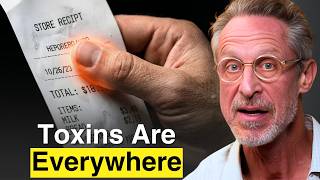
Here's the first topic: how environmental toxins actually affect the body. Now, before we talk about specific chemicals or products, I want to take a step back and simplify the science. Environmental toxins affect the body in a few core ways. First, they disrupt hormones. They're hormone disruptors. I read a book that blew my mind about 30 years ago called Our Stolen Future. All about the endocrine disrupting chemicals that were ubiquitous in our environment that no one was talking about. Now, these chemicals, they're known as xenohormones or xenoestrogens or xenobiotics. Xeno means foreign. They disrupt our hormones. They're endocrine disruptors. They interfere with estrogen, testosterone, thyroid function, fertility. I mean, everything. Sperm count, sperm function, sperm motility. They just are affecting every aspect of hormone function. And they definitely affect thyroid function. They also damage our mitochondria. Now, these are the important little organelles inside your cells that turn food and oxygen into energy and do a lot of other things we're learning. They are the most important foundation of your health. And when they're damaged, there's less energy. When there's less energy, everything in your body slows down. And it's not just a slower metabolism. It affects aging itself. It affects cancer risk. It affects Alzheimer's, Parkinson's, mood, autism, fertility. I mean, you name it, your mitochondria are involved in everything. So when you're sensitive to mitochondria, and they're very sensitive, my friends, don't work well because they're overloaded with toxins, you are sick. The next thing they do is they overwhelm our detoxification pathways. They're all built in. We sweat, we breathe, we poop, we pee. Our bodies has a system to detoxify. Our livers do a lot of the work. Kidneys do a lot of the work, our guts do a lot of the work, and we have a system of detoxification. It's one of the fundamental physiological systems of functional medicine, and it requires a whole series of things to help it work. The right nutrients, fiber, all, all sorts of things, amino acids. It's basically a biochemical set of pathways that need support. And these chemicals basically clog up all those systems. And our bodies just get overwhelmed and they can't properly detoxify. So really important to understand how to upregulate those pathways and to minimize the work they have to do by lowering your toxic load. The next thing toxins do is they drive inflammation. There's a whole book on this and a whole body of research on this that talks about how environmental toxins cause autoimmunity. They're called autogens, like antigens, like from infections, but they're autogens. They drive autoimmunity. They drive inflammation, they drive fatigue, they drive weight gain. They are called obesogens. They cause cognitive dysfunction, brain fog. I mean, I had that with mercury poisoning. And over time, you know, this just leads to chronic inflammation, fatigue, weight gain, brain fog, and this general sense that your body just isn't operating the way it was designed. Key systems impacted here are hormones. These are endocrine disruptors, particularly estrogens, thyroid, testosterone. Brain is definitely affected, neurotoxicity. Huge factor in all sorts of neurodegenerative diseases, in mood disorders, in attention disorders. Just you name it, anything that affects the brain can be affected by toxins. Gut and liver, huge, huge load on the liver for all the toxins we're exposed to. Toxins cause a leaky gut. That was for sure what happened to me when I had mercury poisoning. That makes your system even more inflamed and it's a vicious cycle. They affect metabolism. They are huge impact on weight. We know that there's a whole class of these molecules that we now refer to as obesogens. They literally cause you to become obese independent of your diet. And they cause insulin resistance. They cause weight gain. One of the most common is bisphenol A, which is on credit card receipts, bank receipts. It is in bottles, cans, plastics. It's in everything. Even the newer versions of it that are quote safer, same thing. They affect the immune system. So, they lead to autoimmunity, to allergens, to cancer, all sorts of things. So, the big takeaway is here. Your body's designed to detoxify, but not given the load we're all exposed to today. So, once you understand how these toxins affect your body, the next question becomes much more practical. What exposures matter the most? Because not all toxins are the same. Not all exposures really deserve equal attention. So now that you understand how toxins affect your body, I want to get specific because some everyday exposures are far more important than others to make sure you address. What are the top environmental toxins? What are the high-impact toxins that we get every day? The goal here isn't to worry about everything and become neurotic. The goal is to focus on exposures that matter most and that we can do something about. The ones we come into contact every single day, often without even knowing. The biggest contributors to our toxic load aren't rare, exotic chemicals. They're everyday products we drink from, we store food in, we clean with, we put in our— Let's start with the most common, most impactful sources of exposure. Exposure, plastics and endocrine disruptors. So plastics and endocrine disruptors are common, things like BPA, phthalates. Many plastics contain chemicals like BPA and phthalates. BPA stands for bisphenol A. These mimic estrogen in the body. They also can cause insulin resistance, which are pretty bad, increased risk of obesity. They mimic estrogen in the body. They interfere with fertility. They disrupt hormones. And over time, they increase risk of weight gain and many hormone-related cancers. And where do you find them? Plastic water bottles, food containers, receipts, credit card receipts, bank receipts, gas station receipts, canned foods. They're lining the cans. Fragrances, which are common in a lot of skincare products. What do they do? Well, they make estrogen, they screw up fertility, they contribute to breast and prostate cancer, ovarian cancer, uterine cancer. They drive weight gain, obesity, insulin resistance, diabetes. The good news is there's some easy swaps. This is one of the easiest areas to reduce your exposure. So what do you do? Well, use glass or stainless steel bottles instead of plastic. Never ever heat food in plastic. Never. Not a Tupperware that's plastic, Saran Wrap, no microwave food in plastic. Just forget about it. Choose BPA-free cans or glass jars. A lot of them have other replacements, so better glass than not. And don't get the receipt or don't touch it if you can help it. That's the hard one, but do your best because those often have a lot of BPA in them. The next big category where you can do something about toxic load is personal care or household products. These are products people use every day, sometimes many times a day. They often contain hidden chemicals like parabens, phthalates, synthetic fragrances, formaldehyde-releasing preservatives. And because these products are applied on your skin, they can be absorbed in the body and contribute to hormone disruption, to headaches, migraines, skin issues, immune activation, Lots of things. A simple rule of thumb I like to share is if it goes in your skin, it goes in your body. I mean, basically the rule is if you wouldn't eat it, don't put it on your skin. In other words, coconut oil, you can put on your skin because you'd eat it. But some weird chemical and some cosmetic product, you probably wouldn't. And the reason I say this is as doctors, we know this. And when someone comes into the emergency room and they have a heart attack, the first thing we do before we can even get an IV or anything else is we take a— looks like toothpaste full of nitroglycerin. It was squirted on there. Skin and we put a patch over it and we know that works because it gets absorbed, right? We know about hormone patches, estrogen patches, and so forth, testosterone patches. They work. Nicotine patches, things get absorbed through your skin. So be aware what you put on your body goes in your body. So the hidden toxins are things like parabens, phthalates, fragrances, formaldehyde releasers. They all affect you in many different ways from hormone disruption to migraines to skin issues to irritating your immune system, causing immune issues. And there's easy swaps, right? Go get the fragrance-free products or essential oil-based products. I'm on the board of the Environmental Working Group, or EWG. There's a great app called Skin Deep. You can go on the website, you can use the app, and you can scan products, you can search products, and you can see how do they stack up. So, EWG does a great job, not just, by the way, for skincare, but for household cleaning products, for food, for any kind of thing you can imagine, they have looked at. So, and also just use fewer products or just pick a few that are really well-made that, you know, are religiously made without toxins and that are good for you. I use, uh, Weleda products. I'll use Tom's toothpaste. I use just products that I know are safer or better. I don't have any affiliation with them. So remember, if you wouldn't eat it, don't put it on your body.
It's time to track more than the weather. Your body has seasons too. In winter, your vitamin D levels and immune system may shift in response to those cool, cold, dark days. By the time spring shows up, your biology transitions again. And here's the part the majority of us miss.
These changes can happen quietly. You won't feel them, you won't see them, and you won't catch them without data.
And that's why spring is a perfect moment to measure what's actually going on inside. Function gives you 160 lab tests so you can stay on top of your vitamin D levels, your hormone balance, your inflammation patterns, and lots more. You can join at functionhealth.com for $365 a year.
That's literally a dollar a day.
Nature's resetting. Make sure your body does too.
Pesticides, herbicides, next big one. Again, we can't control this completely. If you travel, if you don't eat at home all the time, it's hard to control. So do your best. Pesticides and herbicides are real big deals, especially glyphosate, which is the most common herbicide. It's used on 70% of all crops. It's one of the most common ways people are exposed to environmental toxins through food. And glyphosate is used throughout conventional agriculture. It shows up in non-organic produce and grains, processed foods, pretty much everything. It's also used on lawns, landscaping, which means exposure doesn't come from what you eat only, but from the environment as well. So one of the biggest concerns with glyphosate is how it affects the gut. It damages the gut microbiome. It interferes with detox enzymes, increases inflammation. Throughout the body. And over time it can cause digestive issues, immune problems, cancer. There's billions of dollars of lawsuits against Monsanto who make glyphosate for cancer that have been settled. I read a study recently where there were transgenerational effects, epigenetic effects. So if the grandmother mouse had glyphosate exposure, the grandbabies had all kinds of damage to fertility, to hormones, cancer risk, kidney issues. I mean, it was kind of frightening to see. How they measure these effects. And so I'm highly concerned about this. It's again, on 70% of all products. It's one of the most toxic compounds out there. It should be banned. And leave it to say, there's been billions of dollars of lawsuits against Monsanto that have been successful because of this. All right. So where do you get exposure? Well, if you're eating produce, it's not organic. If you're eating a lot of grains, it's often sprayed on wheat at harvest to desiccate the wheat, meaning to get all the leaves off so that they can dry out and process the wheat. It's in processed food for sure. There's a box of Cheerios. It's kind of a, kind of a spook, but it's accurate. There's more glyphosate in terms of pure quantity in Cheerios than there is some of the vitamins and minerals that they list on the label. So that's concerning to me. It's also on lawns and agricultural places. So I worry about it being used widely and we call it Roundup and they, they use it Everywhere. So I'd be very careful about any exposure to this. It damages the microbiome. It impairs your detoxification enzymes. It increases inflammation, increases cancer risk, has transgenerational effects, epigenetic effects. I worry about all of that. What do you do about it? Well, do your best to eat organic when you can. Again, the Environmental Working Group has a great list of the Dirty Dozen and the Clean Fifteen. Here's the Dirty Dozen. For example, strawberries, you never want to eat if they're not organic, whereas if it's a banana, it's fine. And you can kind of make a list. You don't have to buy everything organic and you can lower your costs, but you make sure you don't eat the things that are really the most exposed, like celery. I would not eat celery if it's not organic. Also wash your produce thoroughly. There's ways to do that to get rid of chemicals. And don't use lawn chemicals. Like, I just don't use toxic lawn chemicals at home. It's just, don't need to expose yourself to that. The next big category, and one unfortunately I'm an expert in, is heavy metals. Mercury, lead, cadmium, arsenic. These are a big one. And often this is not well understood. Heavy metals like mercury, lead, cadmium, arsenic. These are all naturally occurring in the environment, but they're usually buried. Like coal has a lot, but that's buried under the ground, right? Modern exposure levels can be harmful because we basically dug up all this coal. We burned it in cement plants, in energy coal burning plants, and it's created huge amounts of pollution. In fact, Seattle has really high mercury in its environment. Why? Because of China, because China uses so much coal burning, goes up in the atmosphere. It comes over. It's not, it's not acid rain. It's heavy metal rain. Literally. A lot of people are exposed. So if you eat fish, like tuna or swordfish or almost any fish, unless really little, little fish or certain regeneratively farmed fish. And I like seetopia.fish. I don't have any relationship with them, but they're great. They, they have really great sources. There's some heavy metals, but much lower than other fish. And you have to be careful because it concentrates up the food chain. So, you know, fish that eat other fish, that eat other fish, that eat other fish are the ones that are highest in mercury. Shark, swordfish, tuna. If you're in an old home, there's plumbing, paint, homes built before lead regulations, also a potential. Cigarette smoke, one of the highest sources of toxins in general, but also can have chemicals and metals in them. So be careful. These metals can cause havoc. I experienced it personally as I had mercury poisoning. They affect your nervous system. They can cause brain fog, fatigue. I developed chronic fatigue syndrome from it, cognitive impairment, sleep issues. I developed muscular damage, neurological damage. It was bad. In children, it can have a huge effect because it affects developmental learning and development of the brain. So, a lot of kids have problems. 1 in 6 kids today have some neurodevelopmental disorder. It's very concerning. And heavy metals play a role. The next thing you want to do is filter your drinking water. I have a reverse osmosis filter at home. As long as you're taking a multivitamin mineral or you're replacing minerals, having electrolytes, you're fine. Really important because there's just so many, not just metals, but also other pesticides and chemicals and all kinds of things in water. I think there's 38 different chemicals on average in the average drinking water that are concerning. And if you're living in an old house, make sure you're testing for lead and take care of it. The next big source of toxins, and most people don't think about this, is the air you breathe, especially indoor air pollution, which is one of the biggest problems. Air pollution from the outside and indoor pollution of air is also common source of toxic exposure. And many of us spend a lot of time inside, and indoor air can be more polluted than outdoor air because you get VOCs from furniture, from building materials, from mold, cleaning sprays, gas ovens. And poor indoor air quality can cause all sorts of stuff: asthma, brain fog, headaches, immune dysregulation. I met a guy who was building the Bank of America, the new— it was a $2 billion building in New York City, and he was an architect— patient, actually. And he, he told me that they invested a huge amount of money in making the indoor air quality great and doing environmental friendly and no off-gassing. I'm like, why do they spend all this money? And he said, because the productivity was so much higher in their employees. When we built our Center for Functional Medicine at Cleveland Clinic, I insisted that we hire an environmental firm and we follow strict environmental standards for the products in there. So we wouldn't have off-gassing formaldehyde and VOCs. We had our carpets with all kinds of chemicals, paint with chemicals, that we had proper air filters, he had water filters, and it was the healthiest space in the entire clinic. And when people went in there, they got, God, I feel good in here. I feel good at the end of the day. I don't feel tired. It's quite amazing. So, it's often overlooked. So, what's, one of the ways you might not know you're exposed? Well, one of the things is called VOCs, or volatile organic compounds. These come from furniture, glues, adhesives, finishes, sealants, foam padding, engineered wood products, So you want to try to use natural materials. So if there's recently or newly manufactured furniture, synthetic materials, it can be an issue. Mold is another big one. Make sure you check your home for mold. A lot of times it's hidden and people don't know. If it smells musty or moldy, it for sure is. Even if you don't smell it, it can, it can be in air vents and air conditioning and many other places. Cleaning products, all the household cleaning sprays, you know, we'll talk about how to avoid those and use safer versions. Gas stoves, they're a big deal. A friend of mine is the CEO of an appliance company and he told me all the research they've done on gas stoves and how potentially harmful they are. And what can they do? They can cause asthma, brain fog, they can disrupt your immune system, many, many other things. So what can you do that's easy, that's high impact? Keep your windows open, especially if you're getting new furniture, but better to get furniture that's more made with natural products. For example, I have a mattress that is great mattress. It's a latex mattress that's made from natural materials. It's from Essentia. It's kind of like a Tempur-Pedic. Tempur-Pedic. I did have a Tempur-Pedic once. And when I bought it, I was like, oh my God, this thing just stinks. And you could smell all the off-gassing of all the chemicals. I didn't really know what I was doing at the time, but it was pretty bad. Have an air purifier. I have an air filter in my, in my bedroom and in all the rooms I spend the most time in the house. You want a HEPA or UltraHEPA air purifier with activated carbon. And listen, if you can get older furniture where most of it's off-gas or antiques, if you can and afford it, I would encourage you to get furniture and bedding and couches and other, you know, build public products that are nontoxic. And you can find those. And especially if they're in bedrooms and nurseries, be careful. So when you're buying new furniture, look for solid wood instead of particle board. Get antiques if you can. Choose low VOC or non-VOC finishes like paints. And there's certifications you can check out like GreenGuard, Sort of Pure US for foam, FSC certified wood. There's a lot of things you can do out there to reduce your exposures. Next topic, and this is one of my favorites, is how do you support your body's own detox system? Because none of us can reduce our exposures completely. None of us can live in a world like we did 1,000 years ago, or even 200 years ago, where there were no toxins in our environment that weren't naturally occurring, that were pretty rare. So how do you support your body's own detoxification system? A lot of doctors go, well, you know, your body just does it. You don't have to worry about it. It's like no big deal. Like you can't do anything. And detoxification is, as a therapy, is just stupid and unscientific. Well, that is absolutely wrong. It's extremely scientific. And if you look at the literature, you'll find it. The problem isn't there's no evidence. The problem is that they haven't looked at the evidence. So, and I studied this extensively because I had to for my own health and also for my patients. Is a real system for doing this. And there's a lot of ways to do it. You have to support all those systems. I call it the Triple P system, the poop, pee, and perspire, right? And those are really important, but you also have to support your liver. So what are the pathways you have to support? Your liver is really important. And there's great foods that's upregulating your body's own detoxification pathways. My favorite of the broccoli family, you know, broccoli, collards, kale, cabbage, Brussels sprouts, et cetera. Also garlic and onions are great. Certain herbs and spices are great, like turmeric. There's a whole list of supportive compounds that you can use to help detoxify yourself. I've written a lot about this. Protein. Yes, protein is really important. And if you look at a lot of the pathways, and there's a whole series of biochemical steps that happen in your liver when you detoxify things, it requires amino acids, especially glycine, because it's part of making glutathione. Glutathione is the body's main detoxifying compound and comes from amino acids. You need protein. B vitamins, really important. Methylation is a key step. B12, folate, B6, but all the B vitamins are really important. Zinc, selenium, also minerals, really important. And alcohol, alcohol is just a liver toxin. So I would encourage you to, to not drink if you can. The next is your gut. It's how once the toxins get metabolized by the liver, they get excreted in the bile, they get dumped into your intestinal tract, and they have to get out. Now, if you're constipated or you're sluggish, you're not having regular bowel movements, guess what? You are going to recirculate those and they're going to get reabsorbed. So you don't want to do that. So fiber is really important. Pooping regularly is important. You know, I had a patient, I said, do you have regular bowel movements? She says, yeah, I have regular bowel movements. I said, well, how often do you go? She goes, once a week. And I'm like, what do you mean? That's not regular. She goes, yeah, it's regular for me. I go every week. Really, the idea here is that you should probably go at least once, if not 2 to 3 times a day. And I know it sounds crazy, but if you look at the studies by Burkitt and others from, from England who studied a lot of the cancer risks, for example, in, in Africa, they found that if you were a hunter-gatherer in Africa, your stool weight was about 2 pounds a day. If you were an urban dweller, same ethnicity, same genetics, it was about 4 ounces. So we want to have a lot of poop. Just saying fiber is the way to do that. And there's lots of different kinds of fiber. Fermented foods are great. Keeping your microbiome healthy is really important. Preventing a leaky gut, really important. Hydration, that's another thing. Kidneys, really important. Also, you metabolize toxins, they have to get out. So you got to drink, make sure you're drinking a lot of fluids. At least half your body weight in ounces every day. Electrolytes, minerals, all help your kidneys work. Sweat, perspire, that's the other one, right? Sweating. So saunas are great. Exercise is great. Making sure you're actually getting your skin to excrete toxins. And breath also is another one because you're excreting toxins through your breath, carbon dioxide, but also other toxins. So, really important to make sure all these systems are working. And these are things that you can do through both lifestyle factors and also diet and supplements. So, to sum it up, like, one of the 5 things you can do today to really reduce your exposures. First, don't heat your food in plastic. 2, filter your drinking water. 3, get the right skincare products and use Skin Deep as a great resource. 4, try to eat organic where it matters most. Use the Dirty Dozen as a guide, the Clean 15 from the Environmental Working Group, go to ewg.org. That helps with your both personal care and your food. And improve your indoor air quality. Ideally get an air filter for your house. So you don't need everything, but you just need to do the right things. Now, if you have kids and a family, there's a few more thing you should know about. Kids are much more vulnerable to toxins, so make sure you worry about what you store your food in, what you heat your food in, the water you drink, where they sleep, and what they're eating for lunch. Protecting your family isn't about fear, it's just about being informed.
If you love that last video, you're going to love the next one.
Check it out here.
More from AI


Why Younger Women Are Getting Breast Cancer at Record Rates (And How to Reduce Your Risk)




This Is Why 99% of Skin Conditions Don't Heal — And What Dermatologists Won't Tell You




