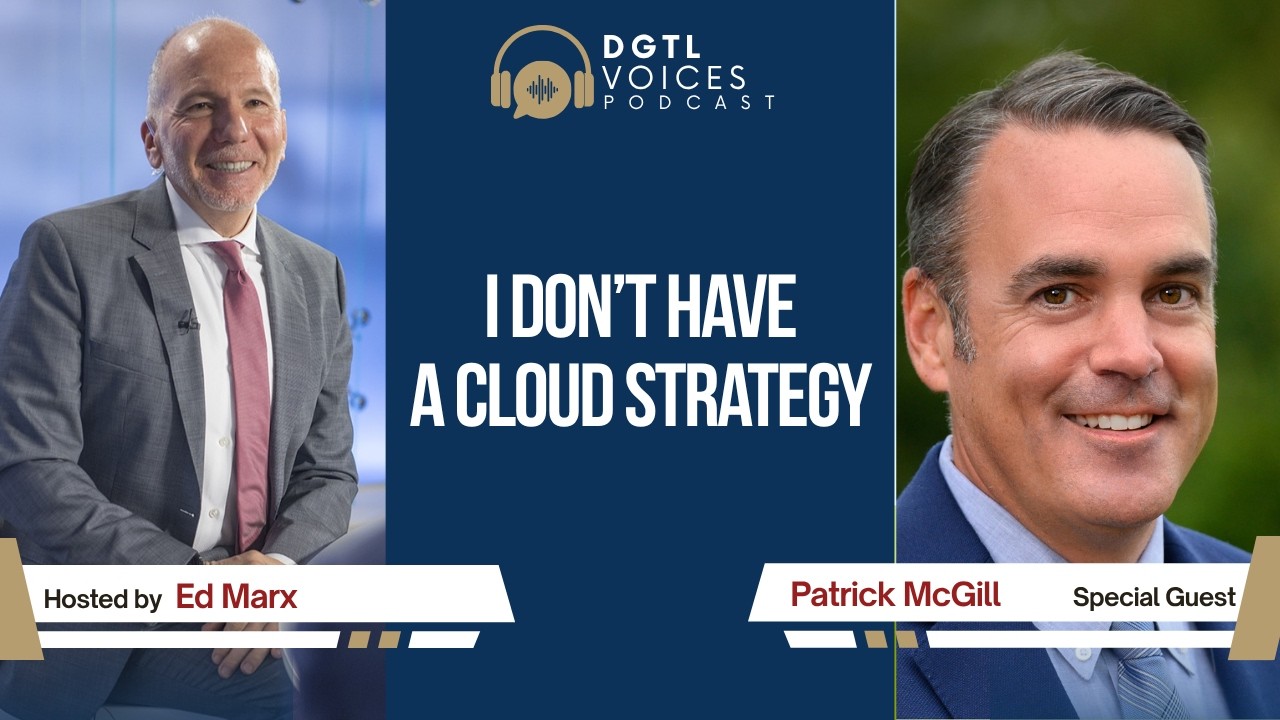
A hospital board member describes the reckoning now hitting healthcare AI. After years of pilots, CIOs face pressure to show financial and clinical returns on big investments made during the hype. Hospitals don't yet know if those pilots worked, and vendors are being asked for the first time to prove ROI.
Chapters
After a couple of years of piloting and experimenting with AI, I think the AI bill has come due. It took a little while, right? The initial hype wave of generative AI in healthcare is over. CIOs and chief digital officers or whatever the titles might be are now facing C-suite pressure to show actual financial and clinical returns on the massive tech investments that were made the last couple of years. I know this as a board member. We are always asking those same questions. First, it's like, let's get AI going. Let's get AI and do deployments and pilots. And then now that we have a couple of years, now we're like, okay, did it really work? We're asking that. What did AI pilots actually produce? And the honest answer from the hospital is we're not sure yet. And that's not landing well right now in budget season. So that's why it matters now. Budget cycles are happening today, October. AI vendors are being asked to prove ROI in ways they weren't a year ago, right? A year ago it was like, I just want to get AI in there. But now everyone's starting to ask the questions, not so quietly. About, hey, where's the value in all of this? And, hmm, should we consolidate some of these existing AI partnerships and relationships that we went crazy about a year or two ago?