Your Struggling Young Adult Isn't the Problem—Your Approach Is

In this live workshop hosted by Melissa, guest speaker Evan Sanchez—who draws on experience in the music industry, corporate digital marketing, and as a parent of two neurodivergent young adults—teaches parents (especially mothers) how to shift from a problem‑solving, advice‑giving stance to a coaching stance that fosters psychological safety, alignment, and independence in their post‑college children. Sanchez begins by sharing a pivotal moment when his daughter told him she was afraid of him, which sparked his transformation as a parent. He outlines three "secrets" that form the core of his Career Independence Blueprint: (1) Connect by stopping advice and using a three‑step conversation framework (reflect/validate with phrases like “it sounds like…”, ask pure‑curiosity “what” or “how” questions, then let the young adult own the solution); (2) Align before action by adopting a generous interpretation of the young adult’s behavior, encouraging low‑barrier, side‑by‑side conversations (car rides, walks), promoting "messy action" and the "Pink Spoon Test" to sample possibilities; (3) Transfer ownership by establishing contribution conversations, clear role boundaries, and a structured exit plan (contribution, milestones, 60‑day trial). Throughout, Sanchez emphasizes building psychological safety (citing Pixar’s culture), celebrating small wins, and avoiding pressure. He provides concrete scripts, a free CALM Connected Parent Language Toolkit PDF, and references resources such as Dr. Becky Kennedy’s work, Courtney Johnson’s "Career Cheat Codes", and his own YouTube channel and upcoming book. The session includes interactive polls, Q&A, and a call to action for a free 30‑minute assessment call and optional coaching programs. The overarching message is that the young adult’s struggle is structural, not motivational, and parents must change their approach to enable their children’s aligned, thriving, independent lives.
Chapters
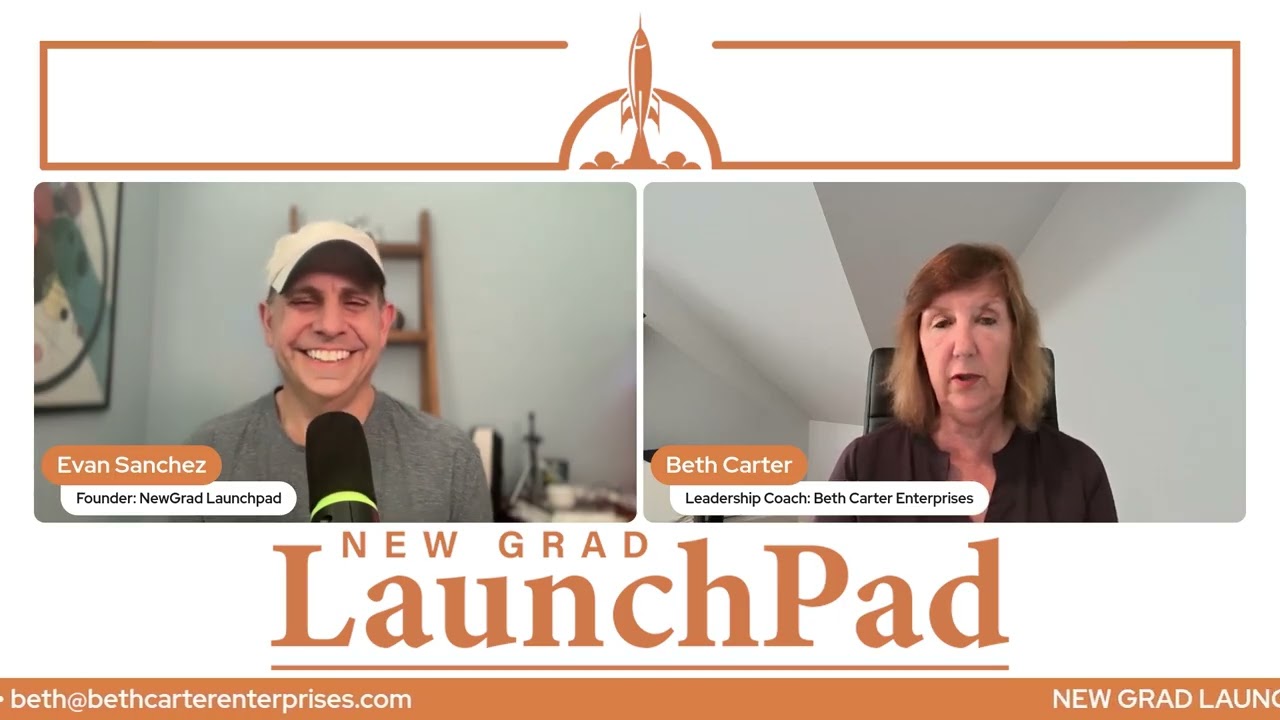
Tonight's guest, Evan Sanchez, has one defining success above everything else: two young adults of his own who are aligned, thriving, and living in life entirely on their own terms. One followed a conventional path, one did not. Both are exactly where they're supposed to be. And that's the point. Because for Evan Sanchez Sanchez, success has never been about grades, titles, or timelines. His definition of success is how much he helps his kids become their most aligned selves. That's the standard he holds himself to as a father, and it's the standard he brings to every person he works with. But it was not always that way. When his daughter was young, she was afraid of him, not because he was a bad father, because she did not feel seen or heard. And when he learned that she did not feel safe around him, it was devastating. That moment changed everything about who he decided to become as a parent. When he changed his parenting style, everything changed. And that's exactly what he's here to teach us tonight. Evan Sanchez has built a career across two very different worlds. In the music industry, he worked with artists like Jody Watley, Pharrell Williams, and Jay-Z at Atlantic Records. In the corporate world, he spent years in digital marketing serving brands like JPMorgan Chase, Barnes Noble, and La-Z-Boy. And while he found success in both, he spent years moving in and out of alignment, not because he lacked talent or drive, but because he never felt fully seen or heard. And when you don't feel seen or heard, no amount of success fills this gap. Through burnout, misalignment, and multiple layoffs, he discovered something that changes everything about how we see struggling young adults. They're not lazy. They're not unmotivated. There is a different reason, and tonight you're going to learn exactly what it is. He's helped over 100 people through New Grad Launchpad, built a YouTube channel with over 70 videos and more than 40,000 views, and has been a guest on 10 podcasts. Next week, he'll be featured— a featured speaker at the Family Matters online conference. And tonight, he's here for you. Please welcome Evan Sanchez.
Hi everyone, thank you so much, Melissa. That was a great introduction. I really appreciate it. And really, I'm just so thrilled to be here with you all. I see the queue is filling up. I would love it if you would all take yourselves and, you know, just put your camera up. I don't care where you are, what time, you know, I know it's late, it's 7 o'clock. Sorry if I keep looking over there, that's because I'm using two screens. I would love to see your shining faces, so if you feel inclined, please do so. Thank you. Thank you very much. Love to see it. And so I'm really excited about today's presentation, and it's because, you know, what Melissa was talking about— when I had that moment where my daughter said she was afraid of me and how devastating that was. That's something that no parent ever wants to hear, that she was afraid to be in the same room with you. And that really struck me. And just to give you some background on my daughter, she's neurodivergent. And so I was putting her on a timeline that wasn't really a good timeline. Once she got diagnosed, you know, towards the end of her senior year, that's when everything changed. And so what I've learned in that time is how to, how to have these conversations with emerging adults, with struggling grads. And I have a lot of information here tonight, so my intention is to just give you as much value as you can— as I can to help you through. And I'm hoping that you gain at least one insight, probably more, but that is my hope for tonight. So I have a question for you. If you would all take a moment, put it in the chat: why did you come here tonight? What are you hoping to learn? You can come off mute if you want to, if you want to talk directly, but I'd love to hear from y'all, like, what brought you to this presentation tonight? Denise's are not— okay, excellent. Denise's are not launching. Okay, I'm not sure. Son has social anxiety, very common. My daughter does too. Hoping to learn how to be more supportive. You'll definitely get that tonight. How to be a better support and let my kiddo find his own way. Excellent, we'll do that. I have two young adults trying to figure out their path. Yes. And this, what I'm going to present to you tonight, is really going to be helpful in shaping those conversations because I'm going to give you the exact scripts that you can use. How to help my daughter find a career she loves and be more confident. Very important. How to approach and interact with my daughter so that she feels safe again to open up about the challenging aspects of life and not just talk about only the fun stuff in life. I'm so glad you said that word safe because we are going to talk exactly about that. We're going to talk about how to achieve that psychological safety, um, how to motivate our almost 24-year-old daughter to move forward into getting a grown-up job. Excellent. I'm here today because I have a 2025 college grad Still looking for a professional job. Yeah, my child has not launched yet despite his gifts and talents. He has all the skills. Our support has, has not helped. Okay, help to launch my son and understand his behavior and how to be supportive. We'll go into that. 30-year-old son with problems. Okay, how to support struggles with job rejection and where to go from there when she feels there are no jobs left to apply to. Yeah, that's a big problem. How to help my son get a job in his field, struggling without, without lack of experience, no interviews, no opportunities. It's a tough market right now. It really is. I'm here because I have a December 2024 grad, um, find a job or full-time because, okay, they need to find a job or full-time employment. Yeah, job— Tabitha, you nailed it. Job market has also changed and is very different, difficult from the, the ones that we grew up in. So this is all great stuff. I'm going to get to a lot of it. If you have specific questions, there is time at the end for Q&A. And so please, I have— there's a lot to digest here. So I'm really excited. So we're going to get into it. Okay. So this is a Career Independence Blueprint for Moms of Struggling Grads. And the reason why I targeted mom— what reason why I'm speaking to moms is because I know, and most of you all know, that moms take more of the emotional load of their kids, right, than dads. And Is that fair? No. And, you know, and I will apologize on behalf of Dad, right? But the, the point is, is that, you know, this is really for any parent. Any parent can benefit from, from the information I'm going to, to be talking about tonight. But this is mainly for moms because I know you carry that emotional load and you're trying to figure out how to not worry all the time. And how to not put pressure on them or have those, you know, you know, dangerous conversations where you don't feel safe and they don't feel safe. And someone in the comments mentioned safety, and that is really important. So I have a lot of great stuff to get to, so we'll get right into it. And I am going to share my screen because I haven't done that yet. So let me do that. Okay. Can everyone see my screen okay? Just making sure.
Yes, we can see it. If you wanted to start the slideshow itself.
I like to have the stuff in the columns just so I know where I am.
Big enough, we can see it.
Yeah, but as long as everybody's big enough so it can see, then that would be great. So, okay. So let's get into it. So here's what we're going to do. By the end of this workshop, we're going to have a clear framework to help your college grad take real consistent steps, because that's what we want. We want those real consistent steps, and we want them to march towards career independence. And when I say career independence, what I'm talking about is I'm talking about really 3 things. We obviously want them to have an income, because they need to support themselves, right? The second thing we really want is we want them to have purpose. We want them to feel aligned with what they're doing. We don't want them to have the Sunday series. We don't want them to be miserable in their jobs, right? And as someone who's been miserable in their jobs, I do not want that for my, for my kids at all. And the third thing that we really want is we want them to live independently. We don't want to have to be their manager. Did you take out the garbage? You know, did you empty the dishwasher? You know, did you do your laundry? Whether they're living at home or maybe at a rental, we don't want to have to worry about them, you know, getting medicine or getting groceries or anything like that. We want them to be fully independent. So we want to do all of this while still at the same time creating a lot of trust and reducing the tension. Because if we have more trust in the relationship, and we have less tension, then we have a stronger relationship.
Okay.
And you can see by the amount of people here that first of all, you're not alone. Okay. It's very easy when you're in these situations that you feel like you're the only one going through this. Okay. And these stats show that your grad is not the only one. Most of the 25 to 35-year-olds report experiencing a quarter-life crisis. If you haven't heard that term, that's basically a midlife crisis when you're in your 20s. And if you haven't seen the, um, Taylor Thompson Netflix special about her quarter-life crisis, I highly recommend it. It's a really good one and it gives you a lot of insight. But, you know, just to know that there are a lot of people have this. Right? And then 59% of young adults surveyed said they did not know their next step. And that is the most crucial, crucial part that we want to get to today. We want to have those conversations so that they feel like they can take the next step with safety. Right? And then obviously 50% drop in face-to-face time. When we were growing up, we didn't have social media. We didn't have these things. You know, and thank God in a way. But, you know, we had to do face-to-face, and, you know, the pandemic also did not help their development. You know, I know my kids got stunted by the— by COVID, so that didn't help at all. So, and they say that according to the American Psychiatric Association, Gen Z is the most stressed generation on record. On record. We've all experienced stress, but they're stressed— is the most stressed. And it's really not a motivation problem with your college grad, it's a structural one. So I'm going to go through a lot of— I have 3 secrets to share with you today, okay? The first one is how to connect. And the best way to connect with them is not to give advice. Now, I know this may sound, sound hard to do, and it is. It is really hard to do because ever since we were young, all we were doing was giving them advice. That's all we were doing. You know, don't touch the hot stove, don't play in traffic, you know, don't take candy from a stranger. We're always giving advice. And now that they're in their 20s, that strategy doesn't work anymore. And no one told us that. And it's very hard to have this muscle that we built, right, and to just turn it off. Um, this is definitely a simple thing to do, but it's not easy. So, oh, and I forgot to mention, if you stay until the end, everyone is getting a free gift, which my co-host Melissa is going to put it in the chat. And this is for if you stay all the way to the end, past the Q&A. So this is the CALM Connected Parent Language Toolkit, and I've put this together because I didn't know what to say when they just stop talking, right? Or when they just have that monosyllabic grunt, you know, that you get when you get home. How was your day? Right? And how to have conversations, right, that don't turn into fights. And then scripts about exactly how to guide them through their next steps. And for you, for it to be their idea, not yours. So this is a great PDF. I'm really excited about it. And I think it's going to give you a lot of things that you need. Now, is it gospel? No, it is not gospel. Right? But I got to tell you, a lot of it is really, really good. It will really help you in those tough times when you do not know what to say. So stay till the end. Everybody's going to be getting that. Okay. So see if anyone can relate to this. Okay, your grad seems stuck. You're like, I want to help. I really want to help them. Okay, so you do what feels natural. You give advice. So put a 1 in the chat if that is the default pattern. Yep. That is the default. Okay. And again, it's that muscle that we've been building for their whole lives, and now we have to shut it off. It is really, really hard to do. But let me tell you what's exactly happening when you give advice and the reason why it's not working. Okay? The reason why advice doesn't work is because you offer solutions. Now, think about it. When somebody gives you advice, How do you feel? You don't feel great, right? If I said everybody here should take Brazilian jiu-jitsu, right, you're like, no, Evan Sanchez Sanchez Sanchez, I'm not about that. I don't want to do that, right? It feels like pressure. But here's the thing, to them, to our young adult, it feels like criticism. It feels like you're critiquing them, so they take it as judgment. And then when they feel pushed, they feel that pressure, just like you felt when I said take Brazilian jiu-jitsu, right? And then it's natural that they resist. They're going to push back. They're going to be like, no, I'm not taking advice, right? And then they shut down. That's when you're getting the silence. Right? How was your day? And they don't say anything. They go silent. Because the harder you push, the more they are going to pull away. Does this make sense? Put 1 in the chat if this is making sense to you. Yes. Yeah, see, this is what happens, okay? So we have to, we have to resist the urge to give advice. And I know I'm asking a lot, right? But we have to resist that urge. And remember, they're not ignoring you, they're just protecting themselves. They feel threatened in that moment that you give advice. They feel threatened, and their brain is going to protect themselves, and they're going to shut down. And this really changes everything. So what we need to do is we need to shift. Okay. The old way is giving advice, redirecting them, solving their problem, and thereby creating pressure. Okay. We're telling them to go back to grad school, to just apply to more jobs, right? We're trying to solve the problem for them. We're saying like, listen, I know the problem that you're having and I've mapped this out before. You just need to do A, B, and C, right? It's so right here. I can get, I can get you to the promised land, I promise. But that's not going to work. You have to replace that advice with curiosity. And I'll tell you how to do that in a minute. Okay. And we also have to remove the pressure for them to get it right out of the gate. We do not want them to make it feel like this is the end-all be-all. And then we also have to reflect back what they're saying instead of redirecting it. And then we end with them owning it, them coming up with a solution, not us. Okay? Because if we come up with a solution, they're going to resist it. If they come up with a solution, guess who's going to take their own advice? So Here is the magic that I want you all to remember, okay? It's a 3-step conversation framework, and it works in not just this situation, it works in a lot of situations right now. This strategy I did not come up with on my own. I took it from an FBI a former FBI hostage negotiator, right? And also part of my coaching training. I took it from those two things, right? So, you know, of course there's a high correlation between hostage negotiation and parenting. But no, I'm just kidding. But my point is, is like, this works for so many situations, not just on your young adult, okay? So let me give you an example. Okay, so here it is. They say, I want to become a YouTuber, right? Or I want to become an astronaut, and I'm really excited about it. It looks like a lot of fun. And you're thinking, this is the worst idea I've ever heard, right? But you have to have your poker face on. You can't do that. You cannot do that. You cannot let them— you have to, you have to You know, have your game face on. Now, what I want you to do is I want you to start the sentence with, it sounds like, it looks like, it feels like. One of those three things. Okay? And then reflect back what they said and use their words if possible. Okay? Because if you said to me, Evan, I'm going to be a YouTuber, and I thought that was a stupid idea. Right? I would still say, hey, it sounds like you would be really excited to have a— to be a YouTuber. See, you're reflecting back what they said. When you use their words and you use it sounds like, it feels like, it looks like, in that moment, magic happens. Magic happens. Because what happens when somebody repeats your words back to you? They feel seen and heard. They're like, yes, they get it, she gets it, she understands exactly what I said. And when people— if I had a bumper sticker, right, here's the bumper sticker that I would put up, or billboard, for the whole world to see. I would say When people feel seen and heard, they grow. Let me repeat that because I think it's so important. When people feel seen and heard, they grow. Okay, so the third thing is that after you reflected what they said and you use their words, right, then you start out with what Chris Voss, the FBI hostage negotiator, calls a what or how question, uh, calibration question. What and how? And it can't be like, how would that ever work? You know, or what makes you think that would be a great idea? That's not what I'm talking about, right? What I'm talking about is a pure curiosity, no agenda question. What I'm talking about is what sounds like an easily achievable next step. Or, you know, how would you like— how would you— how would you possibly approach that, right? You see the difference there? You're doing curiosity questions, right? And you're not putting your own agenda into it. So that's the difference. Put a 1 in the chat if this is making sense. Yeah, so you see, by using this framework, you can shift the interaction. Okay, and again, the reason why advice doesn't work— I don't know where this came from, weird. Anyway, maybe there the whole time, this little yellow thing. I don't know where that showed up from. Anyway, But why advice doesn't work, and the analogy I use is like, if there's a door— and these are bad drawings, forgive the crudity of these drawings— but if there's a door and you're knocking on the outside and you're wanting to be let in, you're just pushing. You're just— this door is going to stay locked. If you slide a key under the door, they open it from the inside. That is their choice, and that's their momentum that making that happen. That is not yours. That's why advice doesn't work. Okay, so now this, you know, I do a lot of research into this topic because I'm really excited about it, and this I got from Dr. Becky Kennedy. Good Inside. It's— the book's a few years old, and she mostly targets younger kids, but I thought this was so powerful when I read it, that two things can be true at the same time. You can validate their feelings and still hold your position. They're not in conflict. So you can say, I love you and I'm proud of you, but you can also say, and I do need us to make a plan together. And then you would say, what would that look like? Right? Again, the curiosity question, no agenda. You can say, I'm not angry at you, but I'm affecting— but I'm affected by what's happening. What do you think would be a good solution? Right? I will always be in your corner, and being in your corner looks different than it did a year ago. When you think about our relationship, what would you like it to look like?
Right?
Again, ending with the what or how calibration question at the end. But I just like this because two things can be true at the same time. You don't have to, you know, validate their feelings and then feeling like you don't have a position. Okay? Because you do. Okay. Where are we? Let's go over here. Okay. So what we're trying to separate is understanding versus convincing. You know, when we convince, we're trying to be right, we're trying to drive the outcome, we're trying to just end the conversation and they feel managed. But if we understand them, we're trying to see their perspective. Again, curiosity, right? That opens the conversation and they feel seen. So when you're convincing, you're closing the conversation. When you're understanding, you're opening the conversation. Okay. And I have some questions here and I'll make sure to get them in at the end, but I, but I have a lot to go over, so I wanna make sure I get everything in. Okay. So now this is my story of my son. Right? And this is something that you all probably can relate to because you probably did it when they were kids. Okay? You want to guide them to the right answer, right? And you give them advice. But when my son was looking for a sport, right, he went through badminton, taekwondo, baseball, football, soccer, basketball, right? He's tried all these sports before finding rowing, and I couldn't tell him, you know, you know, he even played trumpet, which was my instrument, right? And I was so excited when he found trumpet, and then he said, I want to play bari sax. And I was like, oh, a little part of me died. But the point is, is that this— there's a messy action that we tolerated when they were kids that we don't tolerate anymore. Okay, and that's, and that's a mistake. I feel like we have to understand that this is going to happen organically, right? And that they're going to have to try different things. And, you know, once my son found rowing, that was it. That was it. Okay, switching gears a little bit, but still in the, the conversation topic, right? So I was doing a masterclass a couple, a couple weeks ago. One of my attendees said something that, that, that I hadn't heard before, or put it exactly the way she put it, and that was low barrier communication. Okay, and low barrier communication, what is that? So I noticed that when I was talking to my daughter right, and she was in the back seat, she would just start talking to me. She would just like yak yak yak yak yak yak yak, right? If I was at the dinner table and I was like, how was your day? Nothing. Nothing at all. Okay, what I've learned is that if you're in the car and you're side by side you don't have that eye contact, and that feels like a low-pressure situation to them. And so they feel more inclined to talk than if you're facing them or grilling them, right? So car is a great place, a walk is a great place to do it, especially since there's forward momentum in both those situations. So that's, that's another thing. So when you create the right conditions, that can create the conversation. Remember, you want them to open up. Now, I'm not saying that you get in the car and you immediately start these conversations, right? You may have to talk about other things that they're interested in, right? Get curious about what's going on in their lives. Don't immediately launch into it, but long car rides are a great place for it. Right? You can listen to music for an hour, and then you can, and then you can get into some conversations. But any side-by-side moment feels less threatening to them. Okay, so how is this landing for everyone right now? Is this making sense? Excellent, excellent. Good. Yeah, it's a real game changer. I mean, secret number one, I could, I could just leave it there, right? Because I think that, that the three-step framework is so powerful that— and not giving advice is so powerful that it changes everything. And I even had it with my, my wife did it with my son. He's in college and he was like wanting to look at some courses and he wasn't realizing that he needed to take Bio 101 for most of these courses that he wanted to take. And so instead of my wife telling him, oh, you need to take Bio 101, she was like, why don't we just look at the courses that you want to take? And see what the prerequisites are for them. And so he kept on going and she was like, oh, interesting, Bio 101, Bio 101, right? So when it's there, when he noticed that it was all Bio 101, right? He was like, oh, maybe I should take Bio 101. But if she would've said, you need to take Bio 101, it won't work. Right. So again, always try to make it their idea. That's what you want. So, okay. All right, good. Feeling good. Let's keep going. Okay. Okay. Alignment before action is the second secret. Okay. We want to eliminate the pressure or the problem solving. And again, this is hard to do. Right? Because the first part of it is that we need to change our belief about what is going on. Okay, we think that they're lazy, they're unmotivated, they don't care. Okay, we have to switch our lines of thinking, changing that belief to they don't trust their own direction yet. And they're overwhelmed and scared. Do you see the difference? So when you come home from work and you see them playing video games or, you know, or on Instagram or whatever it is, okay, this is what Dr. Becky Kennedy calls— I stole this from her too— most generous interpretation. What's your most generous interpretation about what's going on right now? Not the least generous. The least generous is they're lazy, they don't care, they're unmotivated, they're just not moving, they don't get it, right? The most generous interpretation that we can give them is they're overwhelmed and scared, and they don't trust their own direction yet. Is this making sense? Put a 1 in chat if this, this makes sense to you. Yeah, it's a hard one. It's a hard one. We have to change the way we, we view them, right? So, and here's another reason why they just can't get going or take initiative, okay? First of all, the, you know, as someone talked to, it's like the economy's not great. You know, there's social media, there's AI, you know, all these economic factors are coming thing. And even in our day and age, it felt overwhelming, right? And so they're overthinking everything and they feel like every option that they choose is going to feel like a life sentence. Like that is a permanent decision and they cannot change it, right? The second thing is they fear choosing the wrong thing, right? What if I make a decision and it doesn't work out? What if I waste years going, you know, east when I should go west? And one of the other things that I didn't put in here that's probably really important is not only are they fearing choosing wrong, but they're fearing disappointing you. They're worried about disappointing you, even if they can't say it. That is a big, big, you know, weight around their neck. It's not only fear of choosing wrong, but they, you know, they don't want you to go to the dinner party and feel ashamed of them.
Right?
They don't want you to feel ashamed of them at all, right? They want to be— they want you to be proud of them, but they're so worried about what you think. You know, one of the questions that I put in the guide, I think, was something like, what would you do if you weren't worried about what I think? Now, they may not answer that directly. To be fair, right? But it is a good message to, to plant seeds and tell them, right, don't worry about disappointing me, right? Don't let that get in your way of progress. So what they do, right, they avoid— they avoid making a decision because not because of— talk about safety, right? Talk about safety. Not deciding feels safer than deciding, right? We've all been in that situation where we're just so overwhelmed, we're just like, oh, I just don't want to do anything, right? That's exactly what they're doing. And if I remember anything about my 20s, everything felt heavier. Everything felt really heavy. And every, you know, option felt like a life sentence. So it's natural that they shut down. This is why they can't just get going, right? That's why they can't get going, is because this— all of this is going on in the background, okay? And pressure doesn't create action, right? When you push on something, it's not going to— the momentum's not there. It just creates anxiety, and it's just Anxiety leads to avoidance, and avoidance leads to shutdown. That's what's happening here, right? That's why they're shutting down, because you're pushing them and they're like, no, no, I'm not ready to go off the ledge yet, right? They feel like it's a big long leap down, but it's really, you know, it's a lot of anxiety that's coming through, right? So this is kind of my alignment framework, if you will. Okay. So the first thing is shift the question. You know, what should you do with your life? What are you going to be when you grow up? Stuff like that. You can shift that question to what feels worth trying. What feels worth trying? Again, it's taking that pressure down. Okay. And you want to lower the stakes and not say this is a life sentence, this is forever. This is just the next step in this path, okay? And make it an experiment. You know, if it's an experiment, you're going to be like, oh, it's just a trial run. I'm just going to, you know, try this job on, see how I like it, and if it works out, great, and if it doesn't, then I'll deal with it, you know, I'll address it then. Right. And then going back to what I said before about encouraging messy action. Right. Everybody's waiting for, you know, like the— your college grad might be waiting for divine intervention for like, someone tell me to go to med school, right? Or grad school or whatever it is. Right. And they just sit there in that avoidance instead of waiting for the right answer. They need to have some movement. And let the path show up organically. Okay. And then celebrate what they learned. This is something that I do, especially with neurodivergence. Okay. Especially with nervous neurodivergent. But anytime they step out of their comfort range, just a millimeter, right? I celebrate them. Whether they, they succeeded or not. It's about the outcome, right? Because every step reveals something useful. Everything that they do is going to help them bring that clarity. And I just love messy action. I just love that, right? I think that that's You know, when you have action, then you have clarity, right? I like this. Waiting for certainty is just avoidance with a better story. Yes. Celebration is such a validator. Yes. And we should celebrate it. Like, I celebrate my daughter going to CVS and getting her own meds. Okay, not a big deal. You know, you know, Gen Xers, we, we weren't told how to do that. We were just like, go get your own medicine., right? Or, you know, go get your oil change. We didn't have any, like, you know, help with that. You know, I remember 8 years old, I was making my own lunch, right? It's just like— but the point, my point is really, is like messy action reveals what fits faster than any amount of thinking, okay? And I did a whole video on this. I have a YouTube channel with over 40,000 views now, but And I think I— my videos are not 70, I think it's like 91 now, 91 videos on there. So I'll give you the address at the end. But one of the, the videos I made was what I call the Pink Spoon Test. Okay, the Pink Spoon Theory. I'm sorry, Pink Spoon Theory. Okay, so think about it. When you go to the ice cream store and you see all these crazy flavors like pumpkin pie and banana pudding you know, but you also have your butter pecan and your mint chocolate chip and all that sort of stuff. You don't select solely based on that menu about what you saw. You asked for a pink spoon, you asked for a sample. What does that taste like? I guarantee you everybody on this call probably has a favorite ice cream flavor or flavors, right? So put a 1 in the chat if that resonates with you. Does that make sense? That messy action, that one imperfect step, reveals more clarity than any perfect plan would. Okay, the path shows up when you start walking it, when you take that first step, and it doesn't have to be the end-all be-all. And that's why I like the term messy action, right? Because it's just an experiment, it's exploratory. You're trying to They haven't sampled— they've been in school this whole time. They haven't sampled different jobs, or maybe not to the extent that they need to. Right? So let me give you my daughter's example. Okay? Yeah, thank you. It makes sense when you put it this way. Right? So my daughter, okay? Neurodiverse, I mentioned that. You know, she has tattoos, she has colored hair, right? You know, baggy clothes, that whole thing, right? She went to college and she found a college where people dress the same as her, right? And she was in college and she really wanted to go to college. She was really excited about going to college. And we're like, well, if you want to go to college, great. If you don't, that's fine too, right? But, you know, the pressure, the societal pressure of going to college is so great. You know, and as Gen Xers, we feel that immensely. I mean, that was, that was the end-all be-all when we were growing up, right? Or at least it was when I was, but it was like, you've got to go to college. It's not even a choice. After that, you can do whatever the hell you want to, but you gotta go to college. But, you know, she kept struggling in school and she started to stop talking to us as much.
Right?
And we kept trying to help her as best we could, right? But we're, you know, 5 hours away. There's only so much we can do. So we stopped pushing her down the expected path, right? And we— I finally said to her sophomore year, I was like, listen, if you don't want to be in college, just tap out. It's okay, right? She's like, no, Dad, I want to keep going. I want to keep going. I can do this, right? And I was like, okay, I respect that, right? But she kept having problems in school, and then she started avoiding us a lot. And she said, oh well, I just found a new friend group. Meanwhile, like before the first 2 years, she's like stuck in her room, really, right? Neurodivergent, she needs a lot of downtime, right? She doesn't have— she's like, peopling is exhausting for her, right? She does not like people. One of the things I've learned about her, like, you know, she can go to the cash— she can go to, you know, the bakery, have an interaction with the cashier, and she's good for a week. You know, everybody has a different social bucket, but that's not the point. The point is is that she found her social group, and I was so happy that she was out of her room and having the college experience and not just stuck in there all the time. She had friends before, but now she really had a lot of friends, and she would go out on Friday and Saturday nights, right? And but then she called me— calls— sends a text message in the middle of the night, and she's like, you know what, I'm not going to school, I'm done. And I was so proud of her in that moment, so proud. And the reason why I was so proud of her is because she found her direction. She had always wanted to work with dogs. We have 3 of the dogs. Fortunately, they're not in this room or they'd be barking. But she, she found— she'd always wanted to work with dogs. She had worked at the SPCA as a volunteer for 6, 7 years, right? She loved dogs. That's all she wanted to do. A psychology degree wasn't going to get her to— wasn't going to enable her to like do any better with dogs. So we said, great. She quit school, and now she's an animal care specialist at a Humane Society, right? An animal— a Humane Society. And she's been there for a matter of weeks, and she's loving it. She loves interacting with the dogs, right? That feels aligned to her. That feels purposeful. She gets lit up. She doesn't have the Sunday scaries, right? That's why I say when I'm proud of my kids, Right, that's what I'm talking about. They're aligned and thriving. My son found marine science in high school, right? And now he's majoring in marine science and microbiology on top of being on the rowing team, right? He is doing aligned and he's excited every day. And that's what we want for our kids, right? Okay, how's everyone feeling? Good. Good so far. Put a 1 in chat. Everybody's still awake. I haven't made you all fall asleep. I don't see a lot of cameras on, so I can't tell.
So.
Okay, excellent, excellent. Okay, now we're on secret number 3. Okay. Independence requires ownership. We're trying to— thank you, Jennifer— that requires ownership. We don't want to control them and we don't want to be over-involved. Thank you, Amy. Yes, that's— we want to transfer the ownership. We don't want to be the ones owning this, right? But here's what happens— the control trap, right? The more control we exert, the less ownership they feel. The less ownership they feel, the less action, and then they still stay stuck. Okay, so it's kind of like those, you know, Chinese finger pulls where the harder you pull, right, the worse it gets. But if you do it gently, then it's better, right? The more you manage it for them, the less they learn how to manage it themselves. Okay, and I know, I get it, this is, this is a hard one too. Right? This is not easy, but it's important for us to take the foot off the gas in their 20s. Okay, so in any small way that you can do this, I would highly recommend it. Okay, the other thing that I want you to, to really align to is you are not the fixer. You are the environment. Think of your, your young adult as a plant. You are the soil, you are the sun, you are the water, right? You're all the conditions that help them grow and then let them grow in their own way, right? You want to be out of the way as much as possible. Okay. Yes, a very tough one as we all been conditioned to be fixer. Yeah, exactly. These are all the antithesis of what we were taught to do when they were younger.
Right?
And all of this stuff is easier said than done. I know I'm asking for a lot of mind shifts here, right? But this is the kind of shifting that we need to take in order for them to launch, right? And so how to create real ownership? There's a few things that you can do, okay? You can start telling them these are the roles. Like if they're living at home, You can be like, I'm not your alarm clock, right? I'm not doing your laundry and I'm not doing your food. Right. It's very important, especially if they're living at home, to define those roles clearly, because this is a whole different phase. Okay. Choose the next step. We talked about the framework before, right? They don't need to have this massive plan. They just need to have one actionable next step that does not feel overwhelming. Okay? And they have to choose it. You can't choose it for them. And that's really hard because I know as parents we just want to fix, fix, fix, fix, fix, right? And it's really hard. So we want to hold space for them, we want to be present, but we don't want to take over. And dancing that line, right, of being like, I'm here for you, but I'm not here for you, right? Um, reflect outcomes. What did they learn? What would they do differently, right? What do they say? Success is the worst teacher in the world, right? So failure is when you do the learning, it's not when you succeed, right? Yeah, so yeah, it's, it's, it's really hard It's really hard. Maha. Yes, I hear you. When I stopped fixing, they started making real decisions. They started owning the outcomes fully, and they're both thriving on their own terms. Again, when they make the decision, when they don't feel ownership, right, then they don't do, then they don't make the next step. Now this, this— how many of you have kids living at home? Put a 1 in the chat if you do. Okay. How many of you would like those kids to move out? Put 2 in the chat. Okay. I'm going to give you the framework Okay, of how to do this. Okay, just the framework, right? So first thing is you have to have the contribution conversation, right? The contribution conversation. What do I mean by that? If they're living at home, they have to contribute in some way. It can be rent, it can be labor, or it can be both, right? And you have to ask them, you have to say, you know, you have to say that this is, this is, you know, you have to contribute in some way. How would you like to contribute? Would you like to contribute in rent, labor, or both? Make it their choice. They have to decide. Okay. Now, the key to this, right? One of the keys to this, like, let's say they're saying, well, I'll contribute $300 a month for rent and I'll do all these chores, right? One of the things you can do, if you're able to, that is take the $300 that they give you every month and put it in a separate account. And then when they move out, give it to them as a gift. Right? I love that. I love that. So something to consider right now when things go out of hand. Okay, when it gets heated, right, you need to label the feeling. It sounds like you're feeling overwhelmed right now. Is that correct? That's a good script to use. It sounds like this conversation— we need to take a break in this conversation, right? It sounds like you're feeling real heated right now, or you're feeling really upset. Okay. And I have a whole PDF of this, by the way, of these scripts. Okay. And then you have to have the career independence talk. You have to talk about, like, you know, you want them to understand that contribution alone is not enough, that you want to shift them to income, purpose, and independent living. Right. And there's ways to have that conversation. And again, I have a PDF for all of this. Okay. Now, planning the exit. So if you want them to exit, Ask them again a calibration question, right? What needs to be true for you to feel ready? What needs to be true for you to feel ready to move out? Okay, now they have to propose the date and they have to come up with the milestones, right? So make sure that they do that, that you get that in writing, and that you go back every month and talk about where they are, right? So, so we're all on the same page here. And then 60 days before the move-out date, here's what you do, right? You say, listen, we're gonna have a 60-day trial to see if you can do everything on your own. I am not going to do your laundry, I'm not going to be your alarm clock, I'm not going to manage anything for you, right? I'm here to talk, but I'm not going to be doing chores for you, right? Anything that revolves around you, you're going to have to get your own dinner, you're going to have to get your own breakfast, you're going to have to get your own lunch, right? You're going to run your life as if I am not here, right? I am here, but I will not step in unless you ask. Okay, that's a 60-day trial. And then when you finally get to them moving out and you're able to give them that gift of that check, if you're able to do that, that's your graduation, right? But you have to understand, when they move out, that's the beginning of a new relationship between two adults, okay? The relationship has, has, has changed dynamics in that moment. The moment that they step outside your house and they're on their own Again, you want to be supportive, you want to be there, right? But you're not going to problem solve for them unless they ask for it. And what you can even do on top of all this is just say, hey, why don't we meet once a week on Sundays, right? And you can ask me any questions you have, right? They may not know how to change the vacuum cleaner bag, right? I don't know what it is, but that way you have a cadence, right? I'm here to help you once a week when you need it. Okay. Again, I have a whole PDF on this, but I just want to give you the framework of kind of like the pieces that you need to have, right? Especially starting out with the contribution conversation. I recommend doing that. As soon as possible if you haven't had that conversation before. And if you feel like it needs to be recalibrated, I would do that as well. Okay. And now we talked about this before, right? Yeah, the cadence idea. Yeah, exactly. So celebrate the small wins, every single one. Again, every time my daughter does something, every time my son does something, every time my son says, I made an A on the test, or I did something hard, right? Anytime they set out that step a millimeter outside their comfort zone, you don't need to, you know, have a parade, but you do need to acknowledge that you see them moving. I even do this with my daughter, and I'm like, look at who you are today that you didn't think was possible, right? Think of who you are today and how far you've come in the last 3 months, 6 months, 12 months, 1 year, 2 years. Because at this phase of life, lots is going on. There's a lot of development going on, right? And you want to make sure that you celebrate and just say, good job, fist bump. You don't have to, again, throw a lavish dinner for them. Or, you know, have a ticker tape parade. But you just need to make sure that they see that when they do something good and something outside their comfort zone, say, great job. And that's all I do. That's, that's all I do is I say great job, and that convinces them that they're on the right path and they can trust their own decisions. Okay, so I've covered a lot. And none of these really work alone, right? They, they're exponential. They're multi— yeah, exponential, right? They multiply. You know, the communication creates a safety, and the safety creates alignment. Again, if they don't feel psychologically safe— somebody said it in the chat— you have to have that psychological safety, right? You have to feel like you can confide in that person. I first learned about psychological safety, like, I don't know, back in the Stone Age, right? Long time ago, I read this book called Creativity. It's the story of Pixar. If you haven't read it, it's awesome. But it talks about Pixar, and Disney was like so mad about it. They were like, you know, Disney was like, animation's our thing, and Pixar was like, no, Another 3-point shot, right? They kept coming with banger after banger, hit after hit, right? Well, the guy who was the head of Pixar, somehow between mergers and I don't know, some sort of joint venture or something like that, he went to go see what Disney was doing, right? Surprise. Disney, when they had meetings, when they were showing clips, guess who interacted, just the higher-ups, right? At Pixar, everybody from the higher-up to the janitor could make a comment on how the clip looked, right? Everybody, because they felt safe to do it. They didn't feel like they're going— that they're going— their job was going to be threatened. They understood how important psychological safety is in there. And if you've ever been in a boss situation, you know, boss-employee situation where you didn't feel safe around the boss, did you perform well for them? No, right? They have to feel safe around you, right? And that, and that can take time, right? So again, safety creates the alignment, alignment creates, enables the ownership, and the ownership just reinforces everything. Okay. Yeah. And then if we remove one step, then everything breaks down, right? If we don't communicate with them right way, if we don't have the alignment, if we remove the ownership, none of this that I, that I've gone through is going to work in launching them. None of them, right? So it's important that we have each part in place. Okay. And again, the proof is in my own home, whether my son found rowing, you know, but he also found marine science, right? And that was because he decided, he took a course and he said, that sounds interesting in high school. You know, my daughter left college to become an animal care specialist at a Humane Society. She chose her own path. When they choose their own path, they feel good. And that's all that we want as, as parents is we want our kids to be happy and we want to take away the pain. You know, I remember, you know, there's so many— you all know, whenever your kid is sick or in trouble, that's all you can think about. That's all you can think about. And you would do anything to take away their pain if you could. So, so now before we go any further, let me ask you a question. Which secret, 1, 2, or 3, resonated with you the most? So put a 1, 2, or 3 depending on which secret resonated with you. 2. 1, 2, 3, and 2.
2.
2. Alignment by action. 2, 1, 1, 2, all of them. Exactly. Yeah, I think, I think 1 is the most powerful one, right? But they all have, they all have their, they all work in, in, you know, in a package. There, you have to have all 3. Right. So, okay, now everybody here on the call has the framework. Now the question is, what are you going to do with it? Okay, now that you have all this knowledge, you have really two paths. Okay, now the first path is you can do it yourself. Everything that I've given you here right, you can absolutely start implementing today, right? But we all know, you know, like, whenever I've gone on a diet or, you know, like, I did swimming for a long time. The only way I did that is because I had accountability, right? I had a coach. I had some form of accountability. I did swimming for 5 years. Getting my, getting my, getting myself to the school at 5:30 in the morning, 3 days a week, right? And the only reason why I did that is because there are people who expected to see me there, right? We all know that without accountability, usually things just go back to normal, and I don't want that for any of you, okay? The familiar patterns are going to creep back in, and you end up with the same loop, and you haven't really made any headway. Because the moment that you stop making momentum on this path is the day that it reverses. So that is one, one, one path. The second path is we can do it together. Okay, what does that look like? Okay, support. This is coaching that meets you and your grad where you are currently. Right? Everybody's at different phases here, right? Some people are, you know, maybe their kid is about to graduate. Some of them are, you know, you know, they've been living at home for several years. I don't know where you are, right? But I can, I can coach you wherever you and your grad are. Okay? And I can work with your grad to ask them questions, powerful questions. And spoiler alert, there are a lot of calibration questions, right? But not only do I do that, not only do I ask them calibration questions, I also find out what their Gales are. What, what are Gales? Okay, Gales are what I call gremlins, assumptions, interpretations, and limitations. Let me explain each one of them real quick. Okay, gremlins are basically the negative self-talk that you have. I'm not smart enough, I'm not good-looking enough, I'm not, you know, I can't possibly do it, you know, these people are better than I am, right? Whatever that message in that is in your head, right, that's a gremlin. Then you have assumptions. I assume that if I take this path, that I will end up miserable, right? Or interpretations. You know, one of the interpretations that, that I've learned through a lifetime is when somebody does not call me back, I don't assume malice. I assume busyness. I used to assume malice. My interpretation was that person didn't call me back, they're— they don't like me, right? Now I just assume that they're busy, right? I have a different interpretation. And last one is limiting beliefs, right? I can't possibly do that. There's no way, right? And we all have those going on in the backgrounds of our own lives, right? But especially as a 20-year-old where you feel emotions more powerfully, right? Those are going to come up in the way. Those are going to get in the way. And that's what I help with, right? Not only can I ask them the calibration questions, but I can diffuse those scales. Right. I'm a certified life coach. I know how to do that, and I know that they will make progress. And the beauty of all of this is that they're accountable to me. They're not accountable to you. Right. You get to play like, you know, I'm not the, I'm not the person. If they say that, you know, they're going to apply to 20 jobs a week, right, they're accountable to me. When we're doing coaching together. They're not accountable to you. That takes the pressure off. And then the packages are in such a way that I include parent coaching. So if you need help having these difficult conversations, then we can do that too. So that's a done-with-you approach. Okay. It's more hands-on. It goes, you know, again, it's the 3 secrets that we talked about. But if somebody actually holding your hand and, and you're holding your grad's hand and making sure that it's— you're making progress, and you will see progress. So, and the real advantage to this is that we're not saying, oh, someday, right? You guys have sacrificed over an hour of your time at this point on a Wednesday, right? When you could be watching Netflix or doing something else, right? The longer you wait, the worse it's going to get. So I provide the structure, support, and real movement. So now if you're thinking, this is exactly what we need as a family, okay, here's the next step, okay? I want you to book a career independence assessment call. With me. Okay, what we're going to do is we're going to identify exactly what's keeping your grad stuck. Then we're going to find at least one key shift that creates momentum, and then we're going to map out confident next steps together. Yes, consequences for not doing what they would. Yes, we can talk about that. I'll get to that. So, so if you'd like me to work with you, or if you'd like to get that assessment call, right, then text the word LAUNCH. This is my private number, okay? Some of you may have already found this already, okay? But text the word LAUNCH right now, and I will set up a time to meet with you. You can do that right now. Also, I— Excellent. Getting some now. Okay. Excellent.
Evan Sanchez, there's also a question in the chat for you.
Do I help with getting a better resume? I'll be honest, I don't. And I feel— and the reason why I don't do that, I can direct you to other resources, but I'm not a career coach. Right. I can direct you to books. I can direct you with people that I trust, especially like there's this one woman who's Gen Z who has a new book out called Career Cheat Codes. Courtney Johnson. She's really good. But what I can do in terms of getting them— there's no charge for the assessment call. None at all. Okay. So what I can do, right? I'm sorry. Let me just go back here. My mouse is kind of wonky today. Okay. Yeah, the process of actually getting a job.
Okay.
I would direct them to that book first. Right. And then we have conversations about, about next step. And then they make, you know, then, then they have to say, these are my next steps based on what— I'm sorry, it's called Career Cheat Codes, Career Cheat Codes by Courtney Johnson. It just came out. Yeah. Excellent, excellent book. Takes you through so many things. It's up— it just came out, so it's fresh. And this woman knows what it's like to be in these spots and has, even though she's young, she's really experienced. So they should be reading this, but you should be reading it too, really, because it's going to change the way you think about getting jobs.
Right.
One of the things she talks about, right, because there's so many layoffs, one of the most important things to do is develop a personal brand. She says a personal brand is more important than a resume, and she goes into detail about that. Actually, funny enough, I'm, I'm actually writing a book right now that's going to come out later this year. I'm just going to have all these tips in it plus a whole bunch more.
Right?
And I'm trying to get her to see if she'll do a chapter in it because she's a friend of mine. But that's the book that I, that I would get right now. Okay, so, okay, so let's see, 1, 2, 3, 4. Okay, so how many people do we have on here? Just curious. We have 44 people, right? And again, this is, this is the process that we're going to go through, okay? Yes, first 5 to 10 minutes of the call is just me and from gathering information, right? I look at it as a doctor, right? I'm the doctor. You're going to tell me your symptoms, right, before I decide on any path. But then we're going to map out the most effective strategy for each situation, and you'll leave with a plan regardless of whether we work together or not. Now, if we both agree that coaching makes sense, then we can talk about options, okay? But not before, right? The call is with the parent, but if you'd like the young adult to be on there, we can do that too. Sorry, this is a long one. She pulled out of university after fall semester. Yeah, there's no charge for the call. Community College, just took one class until she turned into a true Do you work with those who haven't graduated? Absolutely. Absolutely. Yes, I do.
Because—
and I love to work with the college, you know, with somebody about to graduate because there's a whole bunch of questions. And I have another PDF of this, like it's 60 pages long, right? But it helps to have somebody walk you through all those questions. Of the important things that— I mean, one of the most important things that I have coaching clients do is saying, write a letter from your future self to your current self. What would they like to have achieved in that time? If you had a magic wand, and this can go for any age and anybody really, if you had a magic wand 5 years from now, where would you like to be and what would you tell your younger self? Right? That's just one of the many questions that we, that we go through when I'm coaching them individually. Right? Again, we can do this for young adults, the parent, or both. Okay? Again, we're going to find out on the assessment call where, where's the, where, where do you feel like the biggest problem is? What age group is your adult child? It can really be anything as like 18 to 30, you know, it's, it's really a wide range because, you know, there's studies that show that adolescence goes up until like 29 or 30 now, and I fully believe that. I fully believe that. So yeah. But again, you know, this is just a strategy session. I'm just gathering information, giving you a roadmap, and only if it's a fit, then we work together, right? You'll leave with clarity and plan. Best case, we launch together, but if not, we part as friends and it's all good. Okay, so again, if you haven't put in— there's 44 people on the call. 43. So I've gotten a few more since then.
Yes.
So yes, please put your— please put— please send. You know, every week you wait is just another week in the same loop, and you have nothing to worry about. Jennifer, if you could— if you could put it in— and if you could text me at the number, I'd really appreciate it. The number's on the screen right there.
Yep, yep.
So please text me at the number.
Yep.
Okay, okay. If we decide later, absolutely, absolutely. You don't have to decide right now. Take down my number.
Right?
And really, you don't— there's nothing to lose here with this call. There's really nothing to lose, right? So, okay, so we have 43 people on the call, and I've gotten 1, 2, 3, 4, 5, 6, 7, 8— gotten about 8, you know, maybe 10 with the people who are still— they'll put it in the chat. So let me ask you this and just be honest with me. I can take it. I'm a big boy, right? Tell me, what's the holdup? No judgment. I just want to know, like, what are you guys thinking? Because if there's 43 of you and only like 8 or 10 are asking for cost, okay, cost is not going So I'm not going to, I'm not going to, to sell you. That's not my goal. Okay. I want to make sure that enough people have this information, and if you feel like it's a good fit, we'll go forward. Okay. And I don't know about the cost. The cost, you know, you may be able to afford it, you may not. You may, you know, you may not, you know, I don't know. Okay, but I will work with you if that's the holdup. Okay, so again, don't let cost get away right now because I'm not a hard sell. You tell me no, I'll go away. Okay, I don't want to be hard sold. You don't want to be hard sold. I don't, I don't like that approach. It's just not me, right? But the key is, is like, whatever you do, whether you have to set up a time in advance, I'm going to give you a Calendly link for everybody who sent me a launch. I'm going to send you a Calendly link and you can choose the time. Can you rewatch the presentation as it is recorded? Yes, it should be recorded. I believe my Loom recorded it. I hope it did. Otherwise, I'm in big trouble. How long will the session be? It'll be 30 minutes. Again, I'm not going to worry about the cost right now. There are 3 and 6 month programs. If you need something that's tailored to your needs, we can talk about that. But let's not worry about that. You know, don't worry about the cost yet. Just worry— just try to get the information. Okay. And then we'll talk about it. And if it's not a good fit, it's not a good fit. But I really recommend 3 months minimum. And the reason for that is because when I coach people, I find that within 90 days they start to see movement. But if you're really stuck as a grad, it may take 6 months, right? But I guarantee you, in 3 months you will see progress, just based on what I've done in the past with, with the people that I've coached. I know that. I know that. And what's interesting to me is like everybody has an insight or an aha moment. How many sessions per month? It's once a week, right? How many? Yeah. Yes, the PDF will be available at the end of the Q&A. I will make sure. I don't expect this to— maybe 15 minutes, 20 minutes, depending on the questions. So I don't know how long it's going to go. But yeah, don't let the cost stand in the way, right? You know what, you know, you can either do it yourself. You have the tools right now. I'm going to give you a PDF that's going to help, right? But you know, the worst decision that anyone— you guys sacrificed over an hour and a half with me, and the worst decision you can make is not to do anything. You can go get someone else's course. You can get some other, some other coach. That's fine with me, right? But I don't want anyone leaving from this call without taking action. That's my only ask, is that you don't leave this call without taking action. Okay, so we'll need to come back here for the transcripts. No, I'll send that out in, in an email. So yeah, I'm sorry, Wendy, you can't stay longer. Did you text me launch? Set up a call if you can. Okay, can I call any other time? What do you mean by that? Just text me launch and we're going to set up a time. Okay, that's what we're going to do. Okay. Oh. I didn't even tell you— can, can I post the gift? Just one second. So I want to tell you about the— I forgot to mention the first 3 people actually get these bonuses in there too. So I forgot to mention that. I should put that in earlier in the slide. Anyway, I'll make sure to send those out. So yeah, again, it's not about fixing your child, it's about the clarity, confidence, and independence. Okay, so let's Ask questions. Yes, Melissa, can you put the, can you put the gift in the chat? Thank you, Melissa. So go ahead and download that right now. It's— yes, yes. And Kristen, yeah, that's fine. Okay, so now I know we have questions. I'm sorry, I did— I— if you could just put them in the chat. I know you asked them earlier. So you can put them in the chat, or if you can come off mute, that's fine too. I'm happy with either one. Before I do that, was this valuable? Was this helpful? Put a 1 in the chat. Did you get a lot out of this?
Okay. That was phenomenal, Evan. Thank you so much.
Yeah. I mean, I'm really— it's so— it's— I love, I love sharing this stuff because nobody's sharing this. Nobody's talking about this.
Yeah.
Right. Nobody's talking about what to do with your young adult, and I just think it's, it's, it's, it's so unfortunate. People need so much help these days. The world is so crazy.
Can you use all the help you can get?
Yes, yes, yes. I'm glad. So very helpful, very helpful. Yeah, glad I'm not alone in this. Yes, I know, we always feel alone, right? How do you handle a child who's frozen to even make the tiniest of steps? What are consequences when they don't follow through, even if it was their idea? Okay, so yeah, the smallest of steps. Okay, so you may have to go even smaller, right? You may have to ask them, what is a small incremental step that doesn't feel overwhelming to you? That's what I would ask them. Okay, that doesn't feel overwhelming. Again, using the calibration question, what do you— what can you do that doesn't feel overwhelming to you? What's one small step you can take? Okay, and then once they tell you that, then you say, okay, that's your small step, and then you lay out the consequence for what you're going to do, right? Be very clear up front. You said you're going to take one small— this small step, right? Here's the consequence of you not doing that. And that's what you do. And yeah, it's easier said than done. I get it. I get it. But that's what I would do is I would say, what's one small— make it small, tiny, minuscule, like that doesn't feel overwhelming because they're obviously feeling very frozen at this point.
Right?
And it's really, you know, again, the more you can validate and acknowledge their feelings, and even not using a calibration question, right? Even if you can just say, it sounds like, it feels like, it looks like, that's going to, that makes them glow, right? Every time that somebody, you know, says, hey, Evan, it sounds like you're really passionate about this or something like that. Makes me feel, oh my gosh, they heard me, right? So if they're frozen, they need more validation. They need acknowledgement and validation. And just repeat their words back to them, right? And I'm happy to have a call with you if you, if you had a— if you put launch, then I'll definitely—
yeah.
So I can't find the download post again. Melissa, if you could do that for us. Yeah, yeah. I mean, info you can do right away. This isn't rocket science, but it's just, it's just nobody teaches it, right? I was approaching this the wrong way. Most of us are, Donna. Most of us are. Nobody, nobody knows. Nobody teaches us this stuff. It's so frustrating, right? It doesn't fit my situation exactly, but I got a lot out of this for how to have conversations and not take over. Okay. Yeah, this, these are all guidelines. I don't know everyone's specific situation, everybody's specific situation is different, right? Some people have estrangement issues with their child. I've had parents call me about that. Like, my child is strange. They won't talk to me, or they're condescending to me all the time, right? My daughter's launching her own way. I appreciate the tool. Yes, it's for you to get out of the way. Awesome. Awesome. Janine, will you have this webinar again or in the future? Yes. If we're on the email list, will we be notified if you do? Yes. Yes, I plan to have this again. I don't know when. I don't know whether it's this month or next month. Yes. And Melissa, thank you for putting the assets in. If the parents are setting up the consequences, does that not negate putting them in charge? Shouldn't the young adult choose the consequence with the parent? You can. Absolutely. Yes. That's a great way to do it. Love that. Yeah.
Yeah.
Any other questions? And, and, and it warms my heart that, you know, um, yeah, here, free gift tonight, we already in chat, hope it's helpful. How do I get on the list? You already are on the list for the other presentation. Okay, and yeah, go ahead and book your— it's free, 30 minutes. These are all my links, and you can find me on LinkedIn really easily. I'm Evan Sanchez. I post all the time, right? Um, I have a website, I'm on Instagram, I have a ton of videos. New Grad Launchpad, as you saw at the top of my background, there's tons of videos there, long and short ones. You can, you can really digest. There's a lot of information that I've given and I've only scratched the surface of, of, um, the things that I have on YouTube. This is only a small part of it. This is only a small part of it. And so that's why when I looked at all of my YouTube videos, I was like, I gotta write a book. I gotta write a book. This is too—
this is too—
this is too— you know, there's too much content for me not to write a book about this. So I'm really excited, and I really appreciate everyone being here. Thank you, thank you, thank you, thank you, Melissa, for co-hosting. Yes, there's the YouTube channel. I thank you all for being here and spending your Wednesday night with me. And I'm, I'm just thrilled that, you know, you know, you know, it feels so good to do these.
Hi.
Afterwards, because I know that I've put some good out in the world, right? There's so many things that are going on that we can get You know, it's just a crazy time, right? And I just feel good. I can make a small difference in everyone's life. And so if you got something out of this, please tell your friends, right? The next time, next time I do one of these. But yes, I'm so excited. And for everybody who did launch, I will get back to you within 24 hours with my Calendly link and we can set up a time. And I'm really excited. So thank you all. Have a great Wednesday night. And I hope to talk to you in the future. Okay. Thanks, everyone.
More from Evan



How To Enforce Household Rules With Your Adult Children #parenting #family #chores
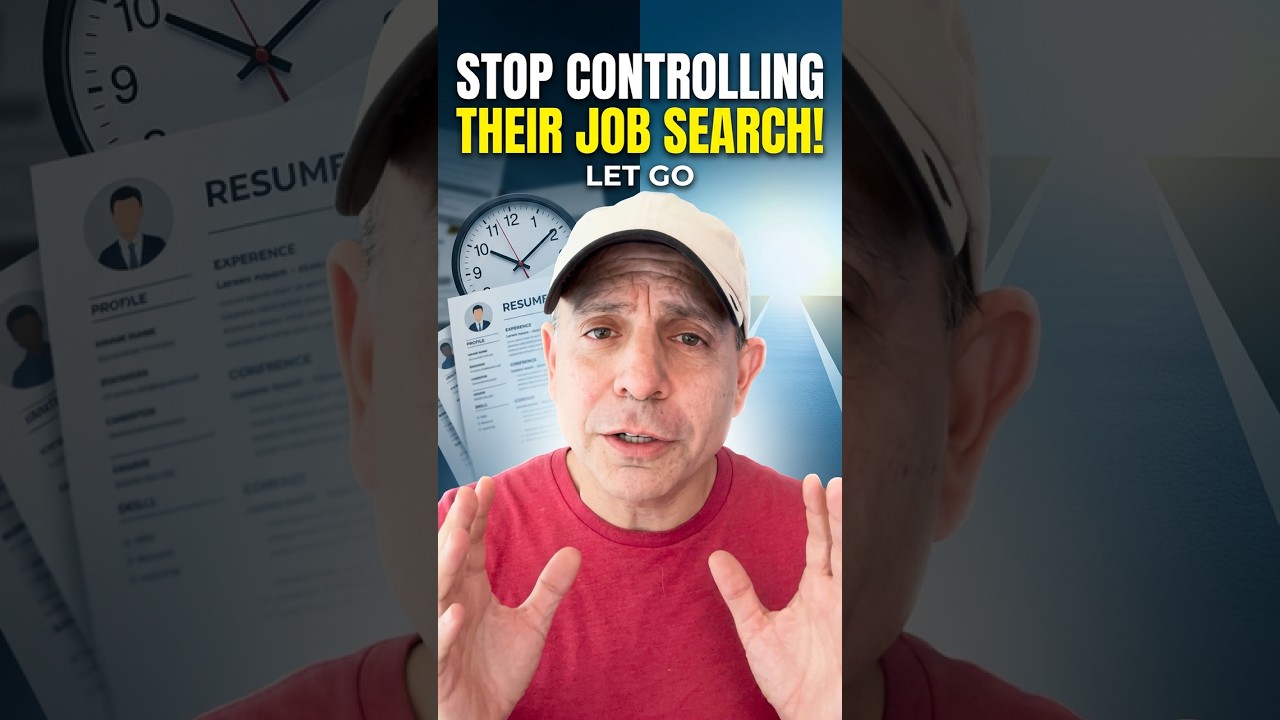

Why Gen Z Isn't Broken: What Parents of Stuck Grads Are Missing (with Ryan Vet)
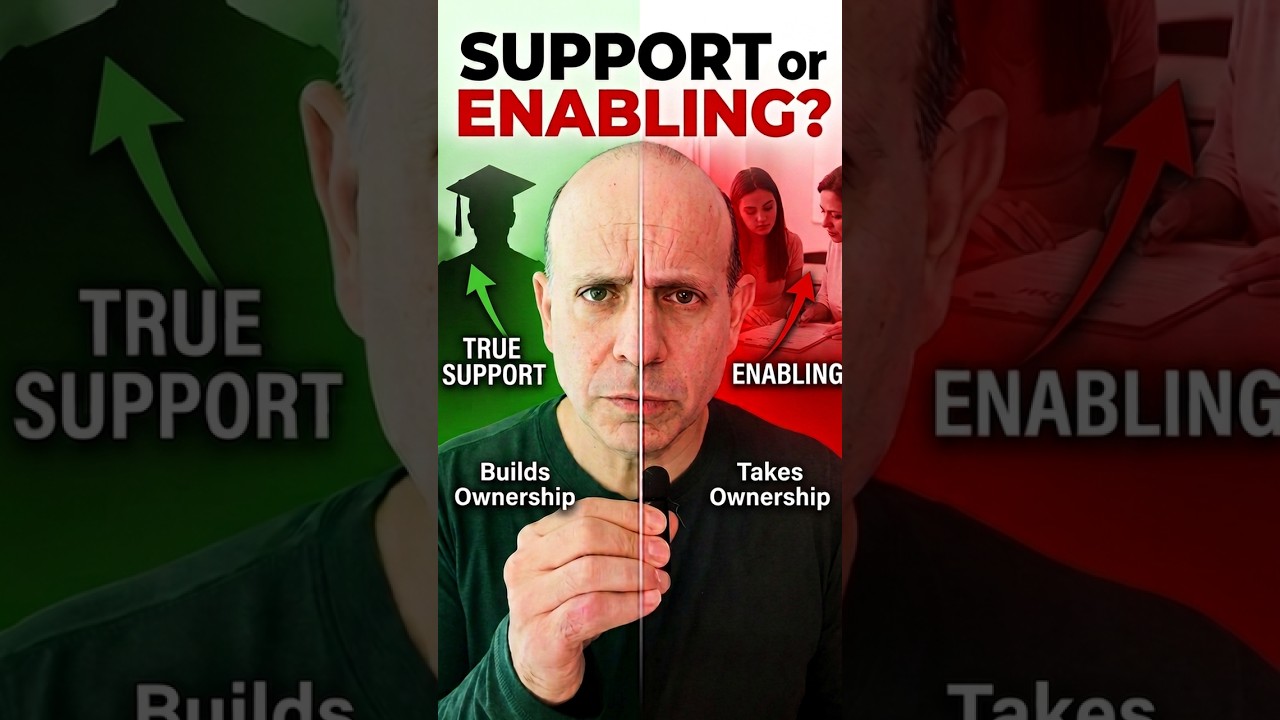
When Helping Your Adult Child Becomes Enabling #parenting #family #relationships
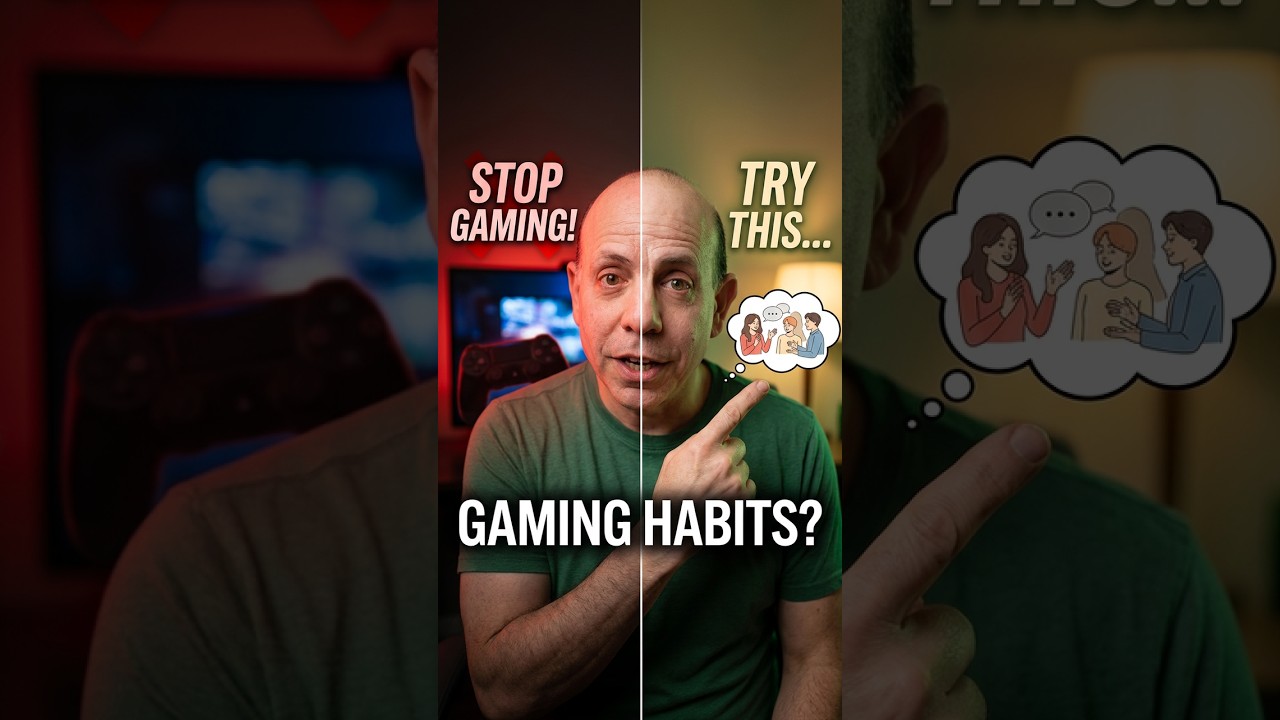
Don't fight over their gaming habits—try this instead #parentingadvice #boundaries