10 Plant Combos to Try in Your Raised Beds
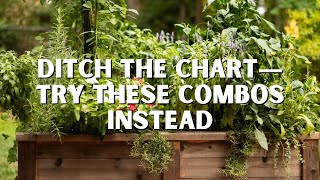
Nicole Johnsey Burke (Gardenary) presents 10 raised-bed plant combinations, organized into five cool-season and five warm-season groupings. Her companion-planting approach prioritizes seasonality, plant role (leaf/root/fruit), and size, with examples pairing large-space crops (cabbage, kale, chard, tomatoes, squash) with roots, quick greens, herbs, and marigolds as trap/beneficial flowers. She references Gardenary resources (customizable planting calendar, books, workshops) for planting timing and growing instructions.
Chapters
If you've ever seen any of my gardens online, you know that I love to pack in the plants and I love to put all kinds of plants together in just one bed. So today I'm going to tell you 10 of my favorite plant combinations that you have got to try in your own garden. Now, you may have heard of companion planting. It's the buzzword these days. And I don't really use a chart or anything like that to figure out what plants go together in the garden. Instead, I put plants together on their category, leaves, roots and fruit, and also their season. So whether a plant grows in a particular season and knowing what kind of size it's going to grow to in the garden, those two things help me decide what plants will grow well together. Then I try to balance the types of plants, the leaves, roots, and the fruit, and try to throw in some flowers and herbs in there as well. So today I put together 10 different combinations that you could put in your own garden based on the season. And I cannot wait to show these to you and to see the ones you try in your own garden. So we're going to begin with the cool season and we'll end with the warm season. So the cool season is when the temps range from like 45 to 65 degrees Fahrenheit for your high and they drop down and may have a chance of frost every single night. So all these plants are frost tolerant or frost resistant. So we're going to start first with the base of this plant combo. And this is your napa cabbage. I love napa cabbage in the cool season garden. It's so productive you can harvest it before you harvest the heads. Just harvest the leaves. This is going to be the base plant for your plant combo. Then you're going to have onions surrounding your Napa cabbage. This is going to provide protection from pests for your cabbage. All also going to give you this fantastic root crop. It's growing big underground while the cabbage is growing big above ground. It works. Next, we're going to add in some herbs like cilantro. Cilantro attracts ladybugs to the garden. Also going to help you fight the aphids that may want to munch on your cabbage. Plus, cilantro just tastes so delicious with a cabbage salad. It's got those Asian inspired flavors, at least I think so. So, so you're going to have some cilantro and then right along the edge you're going to have some chamomile. You could have some other flowers as well, but I love having Chamomile in the garden. It's frost resistant. It loves to grow in the cool season. It's going to give you nice flowers, good distraction all around the cabbage to keep the pests away. So that's my first plant combo. We've got cabbage, we've got onions, we've got cilantro and we've got chamomile. And we're just getting started. That's just combo. And number one, remember, we're still in the cool season. Combo number two, we've got. Our large plant here is going to be red cabbage. So this is going to take a long time. Going to be in the garden for quite some time. These are going to take up the majority of the space. All right, so we've got our red cabbage. Then we're going to have a trellis. We're going to have either an arch trellis or an obelisk trellis right next to the cabbage. Okay, so the cabbage is growing and then we're going to have this nice trellis packed with sugar snap peas. These are all going to be going up, vining along the trellises and growing in a totally different way than the cabbage. So even though they take a long time and spread out, they're not going to need the room that the cabbage needs. Then right alongside the cabbage, we're going to have two small greens growing and that's going to be this tom thumb lettuce and this mustard mizuna. So these will give us quick harvest while we wait on the peas and the cabbage to finish. Now you can eat the little shoots from the pea plant and you can eat the first leaves off of the cabbage, but those are going to take a longer time. So these two plants are going to give us a fast harvest of salad while we wait on those. That's plant combo number two. Now we're on to plant combo number three. We're going to have a similar setup. We're going to have this large plant, the Toscano kale is going to be growing to, taking up a lot of space, growing pretty big in the garden. So that's our big plant that's growing down under. And then we're going to have a trellis again, this time for fava beans. So fava beans take quite a long time to be ready for harvest, but they do need something to hang onto as they grow. So you want to obelisk or an arch or panel trellis for these to grow. They're going to be taking a long time, but they're not going to use up the same amount of space that the kale does. Underneath the kale and the peas, we're going to have some carrots. So these carrots are going to be growing right along the front of the peas and the kale taking up a totally different kind of space because they're going down rather than out and big and long. They're going to grow down in the soil, in the root space, right in front of the kale plants. Then on the very front of the bed, on the border of this garden, we're going to have this merlot lettuce. It's beautiful, it's red. It's going to produce really fast while we wait on these longer crops. And then on the corners of the bed, we're going to add some calendula. So calendula, Calendula can be planted by seed. It's going to be a trap crop to keep the pests away from your greens, away from your kale, away from your lettuce. And it's going to also just be beautiful. Plus you get to make tea and salves and all kinds of cool things from the flowers. So this is a plant combo that I think is just fantastic. You should definitely give this one a try. All right, I have two more left from the cool season. So for this one, our large plant is going to be my favorite, Swiss chard. So Swiss chard is going to take a long time. It's going to be pretty big, big, big leaves in the back of the garden. This one's going to go in first. Then we're going to plant some root crops right in front, and that's going to be the beets. So you've got a row of Swiss chard. Then you're going to have a row of beets. Going to be a plant that's going to take up a different kind of space than the Swiss chard. So they work really well together. Then we're going to have two quick producing greens. While we wait, we're going to have arugula and this gorgeous purple mizuna. So that's going to grow right in front of the beets. Then again, on the edges of the bed, we're going to add some calendula. So this will flower and be a trap crop to keep the pests away from your gorgeous greens. And also you get to eat the. Or not eat. Well, you could eat, but you're going to make things with those leaves like some tea or something fun like that. All right, last one. This is a simple One, no fruit in this one. Just some greens. So we're going to have spinach as our big green. This is going to be at the back. This is going to take up the most space in the garden. And then we're going to have right in front of the spinach are these amarillo carrots. They're fast pressing, producing. So beautiful. They're yellow. So fun new, new color. And then in front of those root crops, we're going to have some red brentwood lettuce growing right along the edge of the bed. And then we're going to add a little bit of black king pansy. Is this the most beautiful color? So imagine all these colors together. The green, the yellow, the red and the black. Just so picture perfect. All right, those are my five cool season plants. So if you want to know when you're supposed to plant all these based on where you live, you got to check out the gardenary calendar. You can get it for free@gardenary.com calendar. It's customizable. You put your two dates in, we teach you all the rest. So it's a free calendar. You can get any time ofyear@gardenary.com calendar. And if you want instructions on how to grow all these plants and you want to get my book, Leaves, Roots and Flowers Fruit, because it's going to teach you all the details about the plants we're talking about in these planting combos. Moving on to the warm season, when the temps are going to range from like 65 to 85. No more chances of frost, which is a good thing because these plants are not frost tolerant. So we're going to have these berries, crazy cherries, such a fun tomato. This is going to be back against a panel trellis, obelisk trellis. This is your big plant. And in front of that, you're going to have these little finger eggplants. They are so prolific, so delicious. This is my favorite kind of eggplant to grow. You're going to grow it right in front of the tomato. Then in front of that, you're going to have these wonderful shishito peppers. You can pack these in pretty closely right around these tomatoes and eggplant. Then in front of that, you're going to have a ton of Genovese basil. Oh, my gosh, this is going to be such a delicious garden. And then you are going to round it out with this fantastic spun orange marigold. So this is going to be a trap crop for you. Also going to keep the pests off your plants. And look at this gorgeousness. Can you imagine your harvest basket? Yellow tomatoes, purple eggplants, green and red peppers, the most gorgeous green basil. And then this orange marigold. Oh, my gosh. The most beautiful garden ever. Moving on this next one, we're going to be focusing on cucumber as our first fruit. So we've got this suyo long cucumber. I love this one from Baker Creek. Then we're going to have these purple dove beans right in front. These are bush beans. They're going to grow right alongside the bottom of the trellis. These cucumbers need to be on a trellis, by the way. Then you're going to have some more shishito peppers. I love shishito. Cannot get enough. You could also do a banana pepper or a small, like jalapeno. And then this gem marigold. Oh, my gosh, you guys, I love this gem marigold. This smell alone is worth it. So how beautiful is this? The purple, purple beans, the green cucumber, the red peppers, and the yellow and orange marigolds. Oh, my gosh. I cannot wait until I get to put these in the garden. Next combo, we are going to have squash as our major big plant down on the ground. And then growing up and around it, we're going to have these pole beans, blue lake pole beans. I love these. Grow these on a trellis. Squash at the bottom, then around the corners, we're going to have this fantastic bell pepper, red and green wonder bell pepper. And then we're going to have this kilimanjaro white marigold. It's a cool, cool marigold, y'. All. It's white and it's so prolific and big. I love growing this marigold. So look at this one. White, red, and green, yellow. And then these green beans. So yummy. We got two more left. Are you taking notes? Are you ready? All right, so this one, we're going to have a pole bean up the trellis. So these grow fast. They're so prolific. Really beautiful. Also on the trellis are these San Marzano tomatoes. Oh, my gosh. I grew these last year. I had so many Roma tomatoes, they were literally coming out my ears. These two both can grow together on the same trellis, believe it or not. And then you're going to have these ping tongue eggplants down at the bottom. You could also add some more peppers, but these are a N at the base of this trellis, where you've got the tomatoes and the beans. And then another marigold, the French red metamorph marigold is Going to be beautiful. All right, this is our last plant combo. Are you ready for this one? This is one of my favorite cherry tomatoes. It's chocolate cherry. The chocolate cherry, they're so beautiful. They, like, melt in your mouth when you eat. These guys, in front of those, we're going to have these banana peppers. So these are going to grow right in front of these beautiful chocolate cherry tomatoes. Then I want you to plant some bush beans, like a whole row of bush beans. So you've got chocolate cherry tomatoes, then the banana peppers, then the bush beans. And then on the corners, you're going to add these fantastic teddy bear sunflowers. So these are. What do you call it? They're mini. So they're not going to take up a huge space or get too big in your garden. They're the perfect accent to your space. So you got chocolate cherry, banana pepper, these Valentino beans, and then the dwarf teddy bear sunflower. So fun. Oh, my goodness. I have to tell you, even as I was doing this video, I'm like, I cannot get out to the garden fast enough to put these into the ground. So I hope that you take this video and it inspires you. You do not need a companion planting chart to put together combinations in the garden. You need to know what season the plants grow in, their size, whether they're going to be a leaf, a root, or a fruit, and that's it. Those are the only two things you need to know. Their size, if they're a leaf or fruit, and what season they grow in. And then the sky is the limit. You get to become like a chef. You know what I'm saying? You just get to put together all kinds of fantastic recipes of plants that grow well together, that look beautiful together, that benefit one another in the garden, and that also result in the most fantastic, beautiful, full harvest basket. I love planting my garden like this, and I know you're going to love it, too. So thank you so much for watching. Now, tell me, below this video, which of these 10 plant combinations is your favorite? Which one are you actually going to try? That's what I want to know. And then you got to check out all of our resources@gardenary.com we have live workshops coming up. We have so many courses and materials to support you. Plus, we have my two books, Kitchen Garden Revival and Leaves, Roots and Fruit. And these are both here to support you along the way. You can also find a gardenary consultant who can come to your space and plant up your garden with one of these combinations. You can figure out all that@gardenary.com or find a link right below this video. Thanks so much for watching. I love you for it. And thank you for making the Garden Ordinary with us here at Gardenary. I you hope. See you next time.
More from Nicole

Propagation is the secret to turn 1 oregano plant into 100 that’ll last forever! #garden #herbs

Plant some garlic this fall and you’ll never run out. Just follow these steps #garlic #gardening

Head to Gardenary.com to try out my FREE custom planting plan creator #garden #gardendesign #plants

Frost is coming so harvest all your tomatoes and make this soup🍅#garden #recipe #tomatosoup #tomato

Say bye to grocery store herbs this winter if you harvest and dry some of your own👀#garden #herbs

Can you grow your own Ube?! Let’s see if I grew anything besides purple vines🍠#garden #ube #plants

If your garden didn’t turn out how you wanted, it’s time for a fresh start😌#garden #fallgarden

Turns out you don’t have to sit at a desk all day…you can stay in the garden☀️#garden #meme #9to5

Do NOT buy soil with artificial fertilizers if you want a natural, organic garden😬#garden #soil


I wasn’t meant to send emails or work 9 to 5, I’m meant to stay in the garden all day🌿#garden #meme