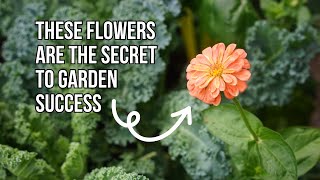
Nicole Johnsey Burke (host, author of Kitchen Garden Revival and Leaves, Roots and Fruit) explains why and how to add flowers to vegetable gardens—especially raised beds—to increase beauty, productivity and pest protection. She defines cool season (~35–65°F) and warm/hot season (~65–85°F, no frost) and lists recommended flowers for each: cool-season favorites include pansies, violas, snapdragons, chamomile and calendula; warm/hot-season favorites include marigolds, annual salvias (small purple/red varieties), angelonia, nasturtiums (edible, trap-crop), compact zinnias, and small sunflowers. She advises placing flowers at the outside edge of raised beds, avoiding perennials and native plants in raised beds (reserve those for perennial beds), and using compact varieties for space-limited raised beds. The episode closes with links to related resources (guest book, Gardenary Calendar) and calls to action.
Chapters
Welcome to the Grow youw Self podcast. My name is Nicole John C. Burke. I am the author of two gardening books. One coming very soon, Kitchen Garden Revival and Leaves, Roots and Fruit. My next one's coming up in a few months and I am all about getting you into the garden. Even though you're busy, even though you've never gardened before, even though you don't have any knowledge of gardening. Don't worry, I started the same way you did. So today I want to show you how flowers can make vegetable gardening so much easier. Easier. So much more beautiful, so much more productive, and so much more fun. Who doesn't love flowers? I mean, yes, we can buy ourselves flowers, right, and put them in our vegetable garden. Listen, flowers is an essential part of all of my raised bed kitchen gardens. Anytime you see a garden that I put in, you're going to see lots of flowers. Not in the middle of the bed, but on the outside edge of the bed. And I always have a flower list that I pull from. And, and today you're going to get my cheat sheet. You're going to get my flower list. Sound like a good plan? Okay, let's do it. So you're going to change your flowers based on the season. I teach you this in my book, Kitchen Garden Revival. How to understand the seasons of where you're gardening, no matter where you're gardening. And we've got cool season, warm season, hot season. So I'm going to give you the flowers for each season. If you want to dive into figuring out what season you're in right now, check out my book, Kitchen Garden Revival. So cool season is 35 to 65 degrees Fahrenheit around that. All right, so still a chance of frost. These are the flowers I put in right at the start of the season. So my favorites are pansies and violas in the cold. I also love doing snapdragons and then also chamomile and calendula. So those are my go to flowers when it's cold outside. Now let's move on to the warm season. Warm and hot season. Really? So this is when the temps are going to be over 65 degrees Fahrenheit. 65 to 85 degrees. No chance, and I say it again, no chance of frost. So first up, everybody's garden favorite is marigolds. Marigolds do have a very strong smell and they do help with pest controls. The next flower that I love to use in a raised bed in the warm and the hot season is salvia Salvation. So not a big Salvia, not like a big bush perennial salvia, but a purple or red salvia that is an annual. The next flower I love in my garden in the warm and hot season is angelonia. Man, this flower is a stunner. It is such a producer of gorgeous flowers. You can get yellow, you can get white, you can get pink, you can get purple. And when I was working in my gardens for my clients in Houston, you know, we have super hot, humid summers there. And I'm not exaggerating when I say we put this angelonia in in May, and it would go all the way until like, September, October. These flowers are a great cut flower, too. You can cut them off and put them in a vase, bring them inside, and they'll just keep giving you more flowers in the garden. They're great for bees and butterflies. They have like a conical shape, little cone like structure. Really, really pretty. All the different colors. I just planted a garden up with these yesterday. White, pink, and purple. Next up, nasturtium. Oh, my goodness. This plant is a stunner. It's full of flowers. You can eat the whole thing. You can eat the leaves, you can eat the flowers, you can eat the seeds. Make little capers with the seeds, and you can get a vining variety of a nasturtium or a bush variety. These are going to grow great from seed. And we actually sell these in the gardenary seed store. And. And you get just this amazing, like, bush on the side of your bed. It's so beautiful. And here's the incredible thing. They're not just edible. They don't just grow from seeds so quickly, but they also are a pest protectant. So they're what we call a trap crop. They're going to attract the bees. Not the bees, the bad guys, to their flowers so that they'll be less interested in your, you know, your kale, your cabbage, your tomatoes. So they are what we call a trap crop. They literally, like, trap the bugs there rather than letting them come to your garden. Next up are zinnias. Be careful here. You want to be sure you're getting a smaller variety of a zinnia. I think they have, like, Thumbelina zinnias. You want to get the ones that are a little bit more compact because zinnias can go wild and big. Next up would be sunflowers. Again, same rule applies that we have for zinnias. Whereas I don't want to have the big, big zinnias in my raised beds. Same. Same with sunflowers. Put the small sunflowers in your Raised beds. And then the big tall ones, the ones that are 5ft 8ft tall, put those in your in ground beds. So those are my favorite flowers to put into raised beds. Flowers that I would not put into raised beds are going to be perennial flowers. So I don't put those kind of plants in my raised beds one because they don't need the raised bed to grow. They are not fussy plants, they are not super needy plants. And so to me, it's wasting the real estate of my raised beds, which is way more expensive. The soil is more, the beds are more. I don't really want to waste that prime real estate on a plant that doesn't need it. So any of those perennial flowers, I'm going to keep them in perennial beds outside of my raised beds. So all those perennials, they need to stay out natives as well. Any kind of native plant, native grass, native flower that's going to stay out of a raised bed again, because it doesn't need the raised bed. These raised beds, they're for fussier plants, okay? They're for plants that need special soil, special tending, more root growth. Native plants are the exact opposite of that. They need nothing extra. That's why they're native, right? They know how to grow in your town, your city, your climate. So that's the rules, okay? Flowers have to go with vegetables. Vegetables love flowers. You'll have to check out my friend's book, book Vegetables Love Flowers. I'll put a link for that below this video. She's amazing and she talks about the different flowers that go great with vegetables. They really do. But these are my short list. This is the list that you want to follow. So when you're growing in the cool season, violas, violas, however you want to call it, pansies and snapdragons, chamomile and calendula. Those are my go to's for the cool season when there's still a chance of frost. As soon as frost has passed, we're going with warm season flowers like marigolds and zinnias and nasturtiums. We've got salvias, small sunflowers, and you cannot forget the angelonia. She is a stunner. So those are my favorite flowers. They make the raised bed so beautiful, so productive, protect it from pests, and it's just more fun to grow flowers with your vegetables. So tell me if you've got anything to add to the list right below this video and then check out this video about how I plant the garden. You want to see how I lay out all these plants, especially the flowers. You're going to love this recent project we did, planting up a flower and vegetable garden inside a raised bed. Check that out to see how I put all these things into practice. And then check out the Gardenary Calendar. It's completely for free. You can get it@gardenary.com calendar we'll also put the link right below this video. You give me two dates, I'll give you all the rest so you know what to plant and when to plant it, including your flowers. Thanks so much for listening and watching the Grow youw Self Podcast. Tell a friend, tell a neighbor, tell you know, I don't know your dog. Tell them to listen to the Grow youw Self podcast so they know what to do in their own garden this season. Thanks so much for listening. I'll see you next time. Thanks so much for listening to the Grow youw Self podcast. You can keep listening anywhere. You love getting your podcast delivered on Apple podcasts, on Spotify, iHeartRadio, you name it, we are there for you. And if you want to read the notes and get our free resources to help you grow more, you can go to gardenary.com podcast.