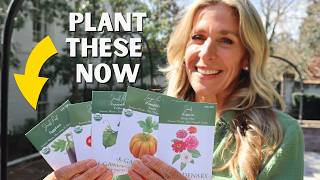
In this instructional video, gardening author Nicole Johnsey Burke outlines a simple three‑zone system (1, 2, 3) based on a gardener’s last frost date and then provides a curated list of five vegetables (plus companion flowers) that should be planted in April for each zone. She begins by establishing credibility—author of three gardening books and experience growing in hot, cold, and mild climates. Viewers learn how to determine their zone using a linked frost‑date calculator. For cold‑zone (3) gardeners she recommends frost‑tolerant leafy greens (romaine, spinach), quick‑root crops (radish, carrots, beets) and calendula as a pest‑repellent companion, along with practical tips on frost cloths, soil depth, and watering. For hot‑zone (1) gardeners she stresses getting beans, squash/zucchini, melons, pumpkins/gourds, and zinnias in the ground early to beat the intense summer heat. For transitional‑zone (2) gardeners she suggests cucumbers, basil, tomatoes, peppers, eggplants, and coreopsis, emphasizing planting only after the last frost has passed. Throughout she promotes a Gardenary seed store, a frost‑date calculator, and a deeper‑dive workshop on garden success. The overall message is that following these specific April plantings will yield abundant harvests by early summer, regardless of climate.
Chapters
If you plant exactly what I tell you to in the month of April, you'll have baskets full of harvest before the end of June. If we haven't met yet, I'm Nicole Burke. I'm the author of 3 gardening books, and I've gardened in 3 different climates: hot, cold, and mild. In the next few minutes, I'm going to give you a list of 5 things that you must plant in the month of April, whether you live in a hot, cold, or mild climate. And if you do exactly as I say, your garden will be the envy of all your neighbors before summer even begins. Now, if you don't have your seeds yet, all the things I'm going through in this video, we have those seeds inside the Gardenary store, and I'll link those up right below this video. Now, before you plant a thing, you've got to figure out if you're a 1, a 2, or a 3. You're a 1 if your last frost date happened already in January, February, or you don't even have any frost where you live. You're a 2 if your last frost date happened in March or April, and you're a 3 if your last frost date isn't coming until May or June. Now, don't worry if you don't know your last frost date. We've got a calculator that'll help you figure it out. We'll link that right below this video. Now tell us in the comments whether you are a 1, 2, or 3, and let's get planting. Let's start with the number 3s. I've got some good news for you. You can finally plant outdoors. If you haven't done so yet, April is your month to grab a seed packet and head outside. Now I know your garden might still have snow on top. Maybe some frost is happening every single night. You can cover your gardens with a little frost cloth, try to warm it up, even put a little glass house over your raised bed. Try to get that soil workable to 3 to 4 inches, and as Soon as that happens, you're ready to plant these seeds right in the ground. These are frost-tolerant plants, so they don't mind the cold. In fact, a lot of them thrive when the temperatures are below 65°F. Let's start with the easiest, and that is the leafy greens. Growing something like romaine lettuce is a great bet this time of year. Put these seeds directly in the soil, and you will have heads of romaine lettuce before the end of May. Another great green to grow in a cool climate in April is spinach. You can absolutely replace all of your grocery store spinach. You'll have enough for yourself, for your neighbors, and then you can store the excess and enjoy it all summer long. Spinach loves the cold weather, and it's going to love your garden in the month of April. If you want a quick win in the garden this month, plant radish seeds. These will be the very first to pop up in your garden, and you'll have radishes to pluck out of the soil before the end of May. This is one of my favorite things I grew when I lived in Chicago, and I can remember pulling up radishes before the end of the school year. Carrots are another great root crop to plant in a cold climate. Carrots do not mind frost. In fact, they get sweeter when the weather is cooler. Put the seeds in the soil, make sure they stay really well watered. Your carrots will be ready to harvest before the end of June. Beets are another great root crop to grow through this season. Put the seeds in, keep them well watered, and you'll have beets in June and July. And a little bonus for you is some calendula. This is my favorite pest-proofing plant to grow around all my greens and root crops. It acts like a trap for pests, things like aphids that love to munch on lettuces and greens. Plant this in all the corners of your beds, and you're going to have flowers starting in May all the way through the summer. Now let's get to the list for our number ones. This is where they've been done with frost for a very long time. Now before I do that, I've heard from a few of you, you're like, Nicole, I'm ready to plant, but my garden, it isn't even set up yet. Maybe you had your garden set up last year, but it was kind of disappointing. If that's the case, I've got an entire workshop that's going to help you improve your garden success. I 3 factors that I've figured out over the years really determine whether or not your garden is a make or a break. You can watch that class right after this video. I'll put a link to it right below. All right, so my number 1s. April is such an important month because you and I both know things are about to majorly heat up. The years that I gardened in Houston, that's when I was running my business, and if we didn't get things established in April, they just were not going to grow because we know by the end of May, Things are just really hot and often really dry. So here's the plants you want to get into your garden established, growing, and healthy before those temperatures really start to rise. So beans are literally a foolproof thing that you can grow. Every single 2 weeks, I would be putting more beans into my garden. Whole beans, bush beans—this gives you that incredible plant protein, tons of production from small spaces, and it's a great way to fill in the blanks of your garden so you don't have to use mulch. The next great thing to get going are things like squash and zucchini. These grow from seed so quickly. You're going to get seed to harvest before the end of May. These things will give you full harvest in 55 to 60 days. So get them in the soil right now, water every day for about 5 to 7 days. You'll be handing out zucchini to your neighbors before Memorial Day. Next up are melons. There is nothing sweeter than picking a watermelon from your backyard, but if you don't get the seeds started this month in these hotter climates, it's going to be too late. Watermelon— it's named that for a reason— it needs a lot of water, and it needs more of a mild temperature to really pick up and start growing. So get your watermelon seeds, your cantaloupe seeds, get those in the soil into your beds before the end of this month. And if you've ever dreamt of growing your own pumpkins or gourds, all those beautiful fall harvests, you need to get those seeds in the ground this month as well. These plants need to have deep roots and be really well established before that heat comes in your hotter climate. Last but not least are the flowers. Zinnias are you could be planting by seed all around your garden right now. It's going to be beautiful and colorful, but more importantly, it's going to be attracting bees and butterflies, hummingbirds, all kinds of beneficial insects and wildlife to your garden all summer long. Sometimes when everything else was scorched and dead in my garden, the zinnias were the one thing that held on, but you need to get these seeds started right away so they're well established, have strong roots, before the heat comes. Now let's talk about what to plant if you are a 2, which is what I currently am. I'm gardening in Nashville, Tennessee. Now our last frost date is either in March or April, so the list I'm going to give you, these cannot go out into the garden unless you have passed your last frost date. For me, this isn't going to be until the end of April, but for some of you, you're right in this sweet spot, and these can go outdoors right now. First up is cucumber. This is such a fast-growing fruiting plant. It is going to give you the wonder of summer, that you're going to be harvesting before the end of May. Cucumbers only take 55 to 60 days to go from seed to harvest. You can even make your own pickles. Grow them up and over an arch trellis. So magical. If you've passed your last frost date, put these in the ground ASAP. Next up is basil. Nothing says summer like the smell and the taste of basil. You can plant these by seed or with a plant directly into the soil after your last frost date. Basil is an incredible pest protectant, Put it by tomatoes and peppers and beans and cucumbers, and you're going to have great flavor, pest protection, and beautiful flowers by the end of the season too. Now tomatoes, you're going to want to put in by plant at this point, not by seed, and again, don't plant them in the ground outdoors until you've passed your last frost date. You're probably a little too late to start these by seed indoors unless you have a nice long summer. You could grow these indoors for about 45 to 50 days, then they need to move out to the garden. For most of us, go grab a plant at your local garden center. Make sure it's organic and naturally grown. Put it underneath an arch trellis or along an obelisk trellis, and you're going to have tomatoes before the end of June. Next up are peppers—bell peppers, jalapeño peppers. These are great to move out into the garden as soon as frost has passed, and the sooner the better. Peppers take a very long time to get to maturity in the garden, so we want to have them in the garden as early as possible, but make sure those temps have risen. There's no chance of frost because peppers hate the cold. Speaking of hating the cold are eggplants as well. Eggplants also take a very long time to give you fruit, so you want to get these by plant into the garden as soon as your frost is over. And our bonus plant for the number 2s is coreopsis. So this is a beautiful, huge flower that will give you tons of blooms. You can put this by seed directly on the edges of your garden. It's going to give you these huge flowers, and as you cut these back every time you get blooms, if you cut a few back, you're going to get blooms all summer long. These are great for pest protection, they're great for beauty, and they're also a wonderful cut flower that you can bring indoors and put on your kitchen table. You won't regret it. So you've got your list of 5 things to plant, and you're probably thinking, "How am I going to fit all these seeds and plants into just one garden?" And that's why you got to watch this video next.