6 Tips to Save Hundreds at the Plant Store
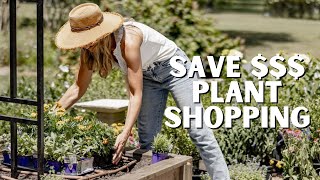
Nicole Johnsey Burke shares how to spend less at plant stores by timing purchases to your season, measuring your space first, and choosing plants with the longest payoff. Check the base for a single stem and inspect roots before buying. Transplant quickly and water consistently for two weeks.
Chapters
Do not head to the plant shop until you watch this video, because I'm about to show you how you can save hundreds of dollars at the plant store. My name is Nicole Burke. I'm on a mission to get everybody into the garden. I'm the founder of Gardenary, which stands for gardening is ordinary because it should be ordinary, because it used to be ordinary and we didn't have to spend hundreds of dollars at the plant shop. So before you go shopping, I have got a checklist for you to make sure you don't waste a single dollar and you make the most of every penny you spend. And you're going to save hundreds. Are you down? Let's do this. So, number one, you need to know about your seasons. I teach this method inside of Gardenary. It is our four season plan and you'll learn about it in my book, Kitchen Garden Revival. Essentially, you need to know what season you're in and how many weeks you've got left in this season before you head into the next one. Here's a quick overview. Cold season is when it's freezing cold. You're probably not going plant shopping. If you're in the cold season, it's below freezing every day. There's always a chance of frost, no chance of plants. Cool season, the highs range from 35 to 65. There's always a chance of frost. Warm season is when the temps range from 65 to 85. There's no chance of frost. And then hot season is 85 and above. You wish there was frost, but there's not. You're really, really, really hot. So you want to figure out what season you're in and how long it's going to last. The way you do that is you chart out your temps, your highs and lows for every month. So let's say it's July, it's August. You're in the middle of hot season. Hot season's almost over. Next month you're moving down to the warm season. Then you're going to be in the warm season for two or three months. Then you'll go to the cool season. So you want to know your seasons. Why? Because plants have seasoned seasons. Plants have seasons they like to grow in. So if you go to the plants shop, chances are they're selling plants from this current season and you've got like four weeks left in it. So you don't want to buy those plants because they're not going to be in the garden long enough to do anything for you. But the plant shop is trying to get rid of their inventory so they've still got those plants on the shelves. So you're going to do some homework before you head to the plant shop. Figure out what season you're in. Figure out how many more weeks you've got left in that season. That's going to help you know if it's worth buying plants in this current season or if you need to go ahead and jump to the next one. So that's step one to save hundreds of dollars at the plant shop. Step number two is to take photos of your garden before you go. So whether you've got containers, raised beds, whatever you're growing in, take some photos to find out your blank spots. In fact, if you can, do a little bit of measuring to figure out your square footage, all the space that's open in your garden right now or will be opening soon because the seasons are switching. Take those photos before you go. This is going to help you picture the plants you need to buy before you get there so you don't overspend at the store. In a garden, we like to switch over the plants every single season. So when you figured out your seasonal dates, you now know if the season is going to be changing or staying the same in the next few months. Months. Every single time the season changes, we're going to be pulling out the large plants and any of the plants that have finished for that season and then replacing them with the up and coming season. So when you take those photos, it's going to help you see which things are going to stay in the garden and which things are going to be removed over the next month or two. And this is going to help you set your priorities when you head to the plant store. Speaking of priorities, that is step number three, you're going to make a list of the things you definitely want to buy before you get there. Here are the plants that I always buy and the things that I don't buy as plants, too. The first thing I always prioritize buying at the plant shop are flowers, especially those that are grown from seed and take several months to become healthy, mature, flowering plants, those are worth the money from the plant shop. The next thing are perennial herbs. So if I'm missing rosemary or thyme or oregano, sage, any of those herbs that I love to use in the kitchen and, and I know will last for years in the garden, those are definitely worth the money. Annual herbs are also worth the money. So in the warm and hot season, things like basil, so worth the money. And then parsley, cilantro, and dill, absolutely worth the money in the cool season. So whatever season you're in, prioritize getting perennial herbs. Those are the best ROI on your dollars. And then the annual herbs like basil, cilantro, parsley, dill, also worth the money. And if you don't have those growing from seed in your own garden, beyond flowers and herbs, the next thing, and really the only other thing I prioritize buying as a plant are my fruiting plants. So you'll recognize this from the leaves, roots and fruit method. So fruiting plants aren't just sweet fruit. It's any kind of plant that produces a fruit that's got seeds inside a fleshy middle. So oftentimes we think, when I say fruit, you're probably thinking I, oh, strawberries or watermelon. But I'm also talking about tomatoes, peppers, cucumbers, squash, zucchini, beans, eggplants, all those plants that produce fruit. That's what I'm referring to. So why buy these plants? It's because they're going to take longer in the garden. So these plants take a little bit longer, a couple more weeks, even up to months longer to get started. And then they've got a much longer Runway in the garden. So instead of producing at 60 days, they produce at like 90 days or 100 plus days. So these are the plants that are absolutely worth your dollars. Now, there's a couple of exceptions here. So beans and peas, those are considered fruit, but they grow great from seeds. And then squash and zucchini and cucumber, those are also fruit, but they grow great from seed as well. So it's really just those heavy stem, those strong stem plants that need lots of time and that are going to go to flower or to fruit in the garden. Those are the plants you want to spend your money on. Those are definitely worth your hard earned dollars. Now let's talk about the plants I would not buy at the store. I wouldn't buy any kind of root plants. So really no root crops are being purchased at the plant shop. And then very few leafy green plants are going to be bought either. So almost all of the leaves that we grow in the leaves, roots and fruit system, they're going to be planted simply by seed growing right into the garden. You'll have the healthiest plants if you grow that way, and you'll get a lot more production. The plants will stay in the garden a lot longer if they start in the garden. The only two exceptions are kale and Swiss chard. That's because these are unique Plants, they're biennials, they want to last in the garden for two years. So it's totally worth starting with the plants. They're going to be there for quite a long time. Whereas those leafy lettuces, those really soft, so sweet lettuces, those are only going to be there for say, 45, 65 days at max. All right, so you've already saved money on all these plants. Number one, you figured out what season you're going into, so you're not buying plants for the season that's almost gone. Number two, you took some pictures, you figured out all your empty spaces in your garden. Number three, you made your priority list. You're buying flowers and herbs and large fruiting plants, and you're skipping the roots and the leafy plants. Now it's finally time to get to the plant shop. So when you're there, when you're buying your flowers, your herbs and your fruiting plants, here is your checklist to be sure you're buying the healthiest plants possible. Very first thing, you want to check the base of the plant, if possible. You really only want there to be one main stem. A lot of times at the plant shop, they're going to over plant these pots so that they look fuller from above. But in actuality, these plants are kind of struggling for nutrients and water and space because they're packed too tightly in that pot. Next up, I'm going to pull the plant out of the pot and check for the roots. I want to be sure I'm buying a plant that is not root bound, where the roots are still white and nice and loose and have not wound themselves tightly inside of the pot. Finally, I'm going to check the plant for pests. So I'm just going to lift up the leaves and check the undersides of all these plants just to be sure there's no pests already living there eating on the leaves. And it's a great time to just check the overall health of the leaves as well. With that three, check process, you can make sure the plants that you're buying are as healthy as possible. And with this setup, before you get to the plant shop, you know that you're only buying the plants that are absolutely worth the money. So once you get these plants home, don't hesitate. You want to go ahead and get these plants into your garden as soon, soon as possible. The transplant process can be a little traumatic because plants like to stay planted. So once you get them into the garden, you want to water regularly for the next two weeks until These plants make their transition and they know they're in a safe place that you're going to take care of them. Then you can ease up on the watering and just let these plants take their place and start to take over this garden you've prepared for them. So so the secret to saving money at the Plant Shop is making a plan before you get there, knowing the types of plants that are absolutely worth the money, and then skipping past the plants that are not. Now that you know this, you're going to save hundreds of dollars at the Plant shop. Not just today, but for many, many seasons to come. So if you want to know what plants you should buy and what season you're coming onto, you might want to check out the Gardenary calendar. You you can check it out@gardenary.com calendar download it for free. You can put in two dates and we will tell you every other date you need to know for the entire planting season. Then you know what plants you're looking for when you head to the Plant shop this weekend. And when you get there, you're going to save hundreds of dollars. Thanks so much for watching the Grow youw Self podcast. If you want more details in growing plants, read this book, Leaves, Roots and Fruit. And if you want more on your garden set up, read this book, Kitchen Garden Revival. Whatever you do, I want to thank you so much for spending this time with me and making the garden part of your everyday life. It's why we're here and we're so thankful for you getting out there, heading to the Plant shop, and changing the world with every single seed you plant. I'll see you next time on the Grow youw Self podcast.
More from Nicole

Propagation is the secret to turn 1 oregano plant into 100 that’ll last forever! #garden #herbs

Plant some garlic this fall and you’ll never run out. Just follow these steps #garlic #gardening

Head to Gardenary.com to try out my FREE custom planting plan creator #garden #gardendesign #plants

Frost is coming so harvest all your tomatoes and make this soup🍅#garden #recipe #tomatosoup #tomato

Say bye to grocery store herbs this winter if you harvest and dry some of your own👀#garden #herbs

Can you grow your own Ube?! Let’s see if I grew anything besides purple vines🍠#garden #ube #plants

If your garden didn’t turn out how you wanted, it’s time for a fresh start😌#garden #fallgarden

Turns out you don’t have to sit at a desk all day…you can stay in the garden☀️#garden #meme #9to5

Do NOT buy soil with artificial fertilizers if you want a natural, organic garden😬#garden #soil


I wasn’t meant to send emails or work 9 to 5, I’m meant to stay in the garden all day🌿#garden #meme