Here’s my hack to keep pests out of the garden without harmful sprays🙅♀️#garden #pestcontrol
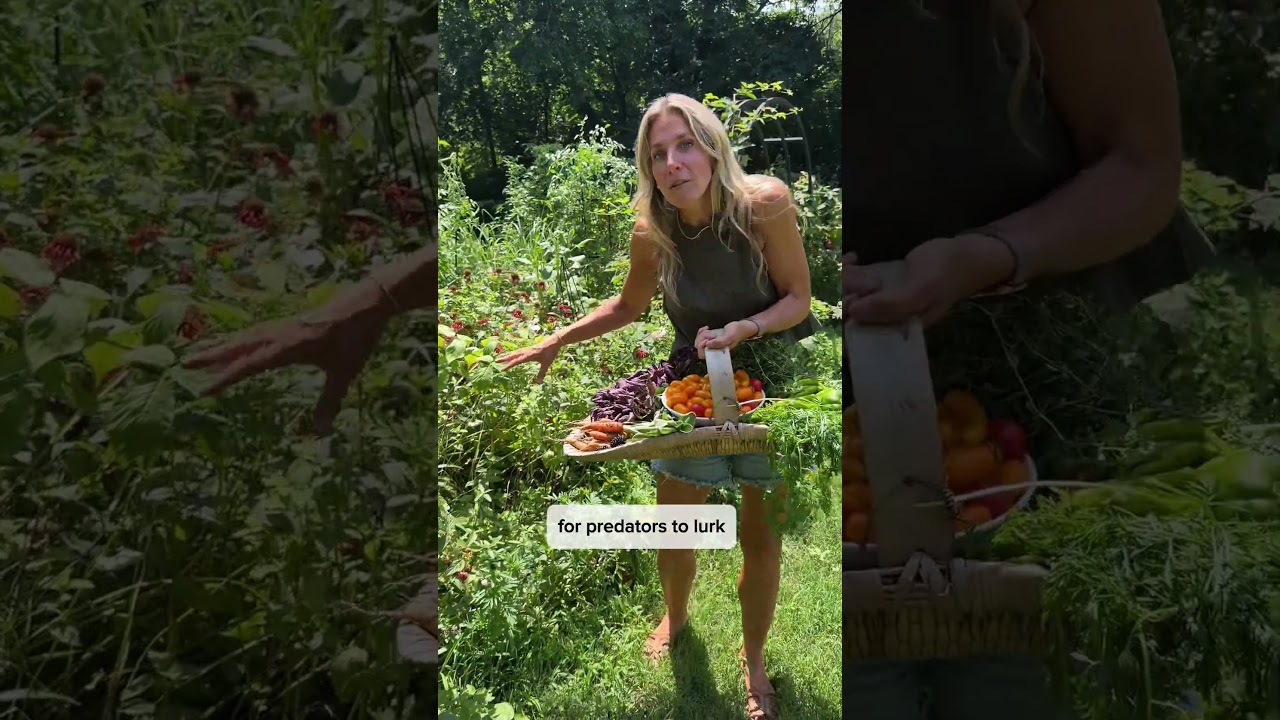
Nicole Johnsey Burke plants native species around her vegetable garden instead of a traditional fence. The native border feeds wildlife, creates habitat for pest predators, and attracts pollinators, reducing damage to crops while supporting the ecosystem.
Chapters
More from Nicole

Propagation is the secret to turn 1 oregano plant into 100 that’ll last forever! #garden #herbs

Plant some garlic this fall and you’ll never run out. Just follow these steps #garlic #gardening

Head to Gardenary.com to try out my FREE custom planting plan creator #garden #gardendesign #plants

Frost is coming so harvest all your tomatoes and make this soup🍅#garden #recipe #tomatosoup #tomato

Say bye to grocery store herbs this winter if you harvest and dry some of your own👀#garden #herbs

Can you grow your own Ube?! Let’s see if I grew anything besides purple vines🍠#garden #ube #plants

If your garden didn’t turn out how you wanted, it’s time for a fresh start😌#garden #fallgarden

Turns out you don’t have to sit at a desk all day…you can stay in the garden☀️#garden #meme #9to5

Do NOT buy soil with artificial fertilizers if you want a natural, organic garden😬#garden #soil


I wasn’t meant to send emails or work 9 to 5, I’m meant to stay in the garden all day🌿#garden #meme