Plan Your 2025 Garden in 5 Easy Steps
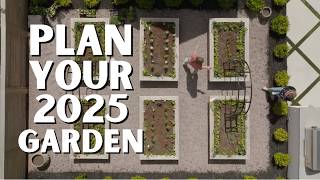
Nicole Johnsey Burke walks through five steps to plan your garden: find your frost dates and seasonal windows, choose plants your family actually eats, estimate your space and time, sketch bed layouts by plant size, and schedule when to start seeds and transplant. The system comes from her book Kitchen Garden Revival.
Chapters
Does planning your garden for the year feel so overwhelming? Well, you are not alone. Between picking out the plants, figuring out where everything goes, and being sure that the whole thing doesn't turn into an overcrowded, weedy mess, it can be a lot. But I've developed a five step system that I'm going to teach you so that you can prioritize your planning right now so that you get to enjoy all the vegetables, flowers and herbs that you've been dreaming of planting next year season. Plus, I'm going to show you a tool that makes the entire process so easy. So don't put off planting your garden one more day. Instead, let's do it together. So I first developed this system when I wrote my book, Kitchen Garden Revival. You can read all about it in chapter five. After I set up the system, I would teach it to students. I used it in clients gardens, and I've used it in all kinds of climates, cold places, hot places, and everything in between. No matter where you're gardening, this system of planning works with this book and the five simple steps. I've been doing this kind of planning for years just on a bunch of blank pieces of paper. And today as we go through the steps, you can absolutely do just that. You just need some paper and something to write with, and preferably some colored markers or pencils. But I've been dreaming for years to be able to send you the entire garden planning system in one package that you could hold in your hands and use all year long. And that's why I'm so excited about this new tool, the 2025 Garden Planner from Gardenary. This planner isn't just any ordinary planner. Yes, it's going to help you plan out all your activities every single month and week and day. But it's also going to help you plan out your garden. So grab a pen and paper, maybe order yourself a planner, and let's plan your garden together. So step one is so simple. You just need to know your first frost date and your last frost date of the year. Now, we don't know exactly when this date's going to come, but scientists generally give us an estimated date that we can pretty much count on. So you're going to write your first frost date here. This is when frost first hits your garden. At the end of summertime, at the end of the warmest parts of the year, when is frost coming to your garden? And then your last frost date. This is when the threat of frost has passed. So this happens in late spring, early spring, maybe never. If you're in a warmer place. So put in your first frost date here and your last frost date there. That is step one, and you're done. To get through step one, you need to do a little bit of searching online. Just grab your phone or a computer and you're going to Google your first and last frost date. Simply put in the name of your city or town and put the words first and last frost date. Literally, you're going to write down your first frost date in this first box and then write down your last frost date in the second one. Your last frost date simply shows you when there's no longer a threat of frost. And your first frost date is going to show you when frost first arrives at the end of the warm season. Now, while you're there inside Google, the second part of step one is to chart your seasons. Now you can look this up so simply, you're just going to type in the words average, high and low temperature by month and then put in the name of your city or town. So for myself, I googled average, high and low temperature by month. Nashville, Tennessee. Now, you're just going to put in your town or city and you're going to see so many different websites that offer you these numbers. These are average numbers that the meteorologist or scientists out there have gathered over the years to give us nice averages. This brings in all the highs, all the lows, and helps us kind of predict what the weather is going to be like month by month. You're going to write down the average high in this column, the average low in this column, and then you get to do something fun, which is name the season. Now, I give you categories inside of gardenary in order to determine the season. Your cold season is going to be when there's a chance of frost. So this is inside your frost dates, and the high doesn't exceed 32 degrees. Your cool season is going to be when the average High goes from 45 to 65 degrees Fahrenheit, and there's always a chance of frost. So this is going to happen inside of your frost dates. The warm season. That's going to be when there's no longer a chance of frost and your temps are ranging between 65 and 85 for the high. And then finally, the hot season. This is when your average height is above 85 degrees and there is no chance and you know where that there's going to be any frost. So now you've got the perfect picture of every single season you're going to have in your garden and you're ready for step two. So step two is when you think ahead. Think about the dishes you love to eat. Think about the snacks your family enjoys. Think about the plants that are the prettiest and most enjoyable to grow, and put them on the list. You know what they say, if you fail to plan, you plan to fail. So the one way we can be sure you get all those plants into the garden is to put them on your priority list. Right now step three is figuring out how much is this going to cost? So this is your time to start thinking about how big you want your garden to be, how much time you've got for it, and how much money you want to spend on it. Yes, there is such a thing. Don't tell my husband. As a garden budget. Shh. He doesn't know. All right, so every single place here gives you four options. Of course, there are a million options, but we have to limit ourselves. We have to stay focused here. Right? So option one, you can list how much space you might take up. This would probably be your smallest option. Then you want to map out how much time you think it'll take you to tend that size garden every single week, and then how much money it might take you to set up that garden and to keep. Keep it planted and growing all year. So I love to set myself up at least one, two, maybe three options per season so I can start to think through what's it going to take for me to actually have a successful garden. Because, let's be real, everything costs time and money. Now, once you figure out your input, it's time to consider your output. I love to think through how many dishes, how many meals I'll get to replace with the garden I'm growing. So this is some time you can take to start thinking through how many salads, how many root crops, and how many fruit crops you'll want to harvest based on the size gardens you're estimating. This is a great conversational piece for you and your partner, so you too can make an informed decision before you spend any money on your garden next year. You can thank me later. Step four is when it all comes together and you start to make your planting plans. I highly recommend doing a little practice planning to before you confirm your definite, for sure planting plans you're going to use in the new year. I love to sketch out a few different options before I decide on exactly how I'm going to plant out each bed. So take a little bit of time to do a little practice planning and don't worry. There's a list here that helps you understand the size of each and every plant you're going to put in your garden based on the season. So, for instance, for a cool season garden, your small plants, ones that are going to take up just a little bit of space are things like lettuce, spinach, carrots, onions, arugula and radishes. Plants that take up a little bit more space and are called medium in our world are going to be things like beets, Swiss chard, oregano, rosemary, sage and thyme. And then plants that are larger and need at least one full square foot in the garden are plants like broccoli, cauliflower, kale and peas. Now, every single season has some small, medium and large sized plants. And that's good news for us because that means we can fit all these plants together in one single bed. So first, do a little practice planning and then take your time to plan out your beds for every single season. Believe it or not, at Gardenary, we plant our gardens at least three times a year. So this is your time to start thinking ahead of what plants will go into the garden in the cool season, the warm season, the hot season, if you have one, and then the second season you get to enjoy later in the year. Whether it's a warm or a cool season, you have time and space right now to plan out your plants for every single season. This is the best way to guarantee that you never miss a harvest the entire year in the garden. Now it gets real in step five. Step five is when we start to plan out when we need to order seeds and if we need to go buy plants when the plants need to get started indoors, if we have to do so when we move the plants outside to the garden. And even we can start to dream about the first day when we'll have a harvest. So I love this little chart. First we list out the crop, then we note the date when we need to order seeds. If you're not going to have seeds, then you want to note when you need to buy the plants. Then if there's going to be something like a tuber or a cutting, like if you're growing garlic or potatoes or those are kind of in a category all their own, then we have a place where you can start them or buy them. So if you need to start seeds indoors, this helps you mark those dates so you don't miss them. Finally, we get the happy day of planting outside. This is when we move those starts we have indoors or we plant those seeds we ordered a couple months ago and then we're going to list our harvest date. So this is when we anticipate all the our first harvest coming. Listen, there have been so many times when I did all the work to get the plants into the garden and then I miss the harvest window. Either I was out of town or super busy and I head out to my garden and the harvest was spoiled. So this last column is super duper important. So these five steps are just the beginning of all that's included inside this garden planner. There's all these notes on how to plant, what order to plant in, how to take care of them, and then loads of places to list out your favorite recipes that your going to make with the food you grew yourself. So let me know if you want me to walk you through those steps as well. And there you have it. Five simple steps to plan your garden and be sure it is the best garden you have ever had. So whether you use this amazing tool or just some paper and pens, what really matters is that you take time to plan your garden. Listen, we are going to have the most incredible year together in the garden and you shouldn't miss a single thing we post. So you want to be sure that right now before you leave, you subscribe to the Gardenary channel. We have already planned out dozens of incredible videos we're going to share with you in the days to come, so I don't want you to miss a single one. Subscribe Give us a thumbs up. Tell me in the comments what you are most excited about growing next year and what step you were most surprised to learn is important when it comes to planning out your garden. Now. Good luck having those great conversations with your partner and spouse about all that money you want to spend on the garden next year. I am here to support you all the way. I'll see you next time.
More from Nicole

Propagation is the secret to turn 1 oregano plant into 100 that’ll last forever! #garden #herbs

Plant some garlic this fall and you’ll never run out. Just follow these steps #garlic #gardening

Head to Gardenary.com to try out my FREE custom planting plan creator #garden #gardendesign #plants

Frost is coming so harvest all your tomatoes and make this soup🍅#garden #recipe #tomatosoup #tomato

Say bye to grocery store herbs this winter if you harvest and dry some of your own👀#garden #herbs

Can you grow your own Ube?! Let’s see if I grew anything besides purple vines🍠#garden #ube #plants

If your garden didn’t turn out how you wanted, it’s time for a fresh start😌#garden #fallgarden

Turns out you don’t have to sit at a desk all day…you can stay in the garden☀️#garden #meme #9to5

Do NOT buy soil with artificial fertilizers if you want a natural, organic garden😬#garden #soil


I wasn’t meant to send emails or work 9 to 5, I’m meant to stay in the garden all day🌿#garden #meme