Plant These Herbs to Protect Your Garden from Pests
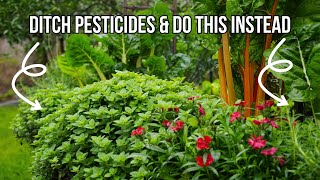
Nicole Johnsey Burke (Gardenary) explains how planting certain herbs can naturally protect a kitchen garden from pests while attracting beneficial insects. She lists and describes seven herbs—chives, rosemary, thyme, parsley, oregano, green onions, and sage—giving planting locations, which pests they repel (e.g., aphids, cabbage worms, carrot flies, mosquitoes), and which beneficial insects they attract. The episode ends with encouragement to use more plants instead of synthetic pesticides and a call-to-action for Gardenary resources.
Chapters
Did you know you can use plants to protect your plants? That's right. There are loads of plants you can put into your kitchen garden that will actually help the rest of your plants in the garden stay protected from pests and be more productive. Today I have got a super packed episode for you that you don't want to miss. I'm going to teach you the herbs you need to plant in in your garden in order to protect your other plants from pests. Let's get into it. Welcome to the Grow youw Self podcast. My name is Nicole Burke and Gardenary is the place to come to learn how to start a garden or to start a garden business. Today we're talking about keeping your garden healthy simply by planting more plants because more is more, you know what I'm saying? So I recently did this post on Instagram and it immediately blew up and so I thought I needed to share it with you and more, more detail here on the Grow youw Self podcast. So in this episode, I'm just going to name some herbs that I use in all my kitchen gardens and the results I see and then the science behind it. So, number one herb that I absolutely always include in every single garden that I plant are chives. Now, chives are in the onion plant family, the Amarilla Daceae. If you're being fancy, you'll find it in my book Kitchen Garden Revival in chapter five. When I go through the plant families, chives are one of the easiest plants to grow in the garden. They're like, so not fussy at all. And the best part is they are good at repelling pests. So chives put off that onion smell that pests generally are repelled by. And then the flowers of chives actually attract beneficial insects and pollinators, things like bees and butterflies. All the good guys that we want to good girls, actually, that we want to come into our garden, chives do that for us. So I put chives all around the edges of my gardens and you want to plant them near any kind of lettuces that you're growing. So any green, really. If you're growing spinach or lettuce or kale or arugula, mustards, cabbages, broccoli, cauliflower, anything that's in the brassica plant family, the aster plant family, the amaranth plant family, all those greens, all the leafy greens, they are going to do so well when you plant them by chives. Chives are going to put off this smell that repels pests and keeps them off of your Greens. So that's a great place to plant chives. Another place to put chives are near your fruiting plants. So near your cucumbers, your tomatoes, your squash, squash, zucchini. Chives are going to bring pollinators to those areas and then also put off that smell that can turn off things like tomato hornworms and aphids, any pests that might want to prey on those fruiting plants. Now, I've heard it said that the one place you don't want onion plants is near peas and beans. In fact, I've heard it's like you should never put those kind of plants together, so that would keep you from having chives near peas or beans. But I'm going to be honest, I put them near each other anyway, and at least so far, I haven't seen a problem in my garden because of it. But I had to just put that little caveat out there. If you want to follow those rules, then avoid putting your chives near peas or beans. But otherwise, chives can pretty much go by any plant. I also love having them near berries like strawberries. They're just a wonderful protectant. They're going to put off the strongest smell near those plants and protect your plants from pests. All right, so first up is chives. The next one on the list is going to be rosemary. So rosemary. Oh, my goodness. The smell is cathartic. It's therapeutic. It got me through grad school when I was literally dying inside. I would grab some rosemary and smell it on my way to the cafeteria every day. And rosemary has a very strong smell. It repels mosquitoes. It also repels carrot flies, cabbage worms, and it's just a great plant to have in the garden. I love putting rosemary on the outside, edges, corners of my raised beds. There's a old, like, gardener's tale that you should have rosemary at the gate, at the garden gate, essentially. It's like this quintessential plant to have at the garden's entry point. And I think that's a great way to. To think about it. I love putting it on the corners of my raised beds when you're entering in with maybe an arch trellis in between, something like that. I like doing the prostrate rosemary in my kitchen garden because it doesn't take up as much vertical space and instead just literally drapes over the bed and creates this kind of fence around the garden every place that you have it. It's going to put off that scent and repel pests. So also great to plant near Your greens, just like we do with chives. Great to plant near carrots, Great to plant also near radishes, peas and beans. So we don't have that same. Oh, no, don't plant it near this, like with chives. So you can absolutely put it near peas and beans. All your greens, your root crops, too. It's kind of antiseptic in its smell, and I feel like it just keeps the garden clean. It's a way to keep the pests off of all those plants. So do not skip the rosemary in your garden. Okay? All right, next up on the list is thyme. Thyme, Not Tiammy, but you need to make some thyme for some thyme. Thyme also has this. Almost all these herbs have this mix where they repel the pests we don't want in our garden, and they attract the insects and the little wildlife that we do. So thyme is going to attract pest pollinators and then it's also going to repel, supposedly deer and aphids. So I love to put thyme near plants that tend to pull aphids toward them. So that's again, going to be all of your greens. It also can be some of your fruiting plants, things like tomatoes and beans and cucumber squash, zucchini, all those fruiting plants will benefit from having thyme near them. Thyme is a smaller herb, and so it's a great one. Instead of putting it on the corner of the bed, to actually put it along the edges of the garden I love. Also, it'll grow over. It has that same growing habit where it'll grow over the edge of the bed. But I love to have thyme on the edges rather than on the corners, since it's a little bit smaller. But in general, thyme is going to come back year after year just like rosemary and chives and. And so you want to put it in a place where you could keep it long term. Unless you're in a really, really cold climate, it might not come back for you. But probably if you're in zone six, seven, at least seven to eight, it's going to come back year after year for you. So so far on the list, we got chives, we got rosemary, we got thyme. Next up, we have parsley. So parsley is not a perennial like rosemary and chives and thyme. It's a biennial. What that means is it wants to stay in the garden about two years before it goes to seed. And parsley has a different growing habit than these other herbs. It's not Going to drape over this side or be spiky like the chives instead. Parsley is kind of more like a bush, and eventually when it goes to seed, it's going to go tall. So I prefer, instead of having parsley on the edges of the bed, I like to have it right down the middle. So I might have some large plants, like my fruiting plants, down the middle of the bed and then parsley right to the outside of it. So parsley is something you can plant by seed, but it's also worthwhile to buy the plant because it's going to last so long. Parsley is an attractor. It's going to pull in butterflies and bees, especially when it goes to flower. But it's also a host to ladybugs and all kinds of good insects that we want to have in our garden. It also can repel some things, but mostly we're bringing it in to pull in the good guys. So it's a wonderful plant to have near anything that flowers and fruits. All right, next up on the list is oregano. So oregano is going to be a draping plant, just like your rosemary. I like to have it on the edges of the bed, the corners of the bed. It's also going to be a perennial, so it's going to last for years and years. So be sure you put it in a place that you want it to stay. Long term, oregano is also going to attract beneficial insects, and it's going to, when it flowers, it's going to bring in those bees and butterflies. But it also repels mosquitoes, aphids, and cabbage worms. Oregano has that super strong fragrance that will push away those pests that we don't want coming into our garden space. All right, so you want to plant this near kale, radishes and arugula, lettuce, beans, peas and carrots. Essentially, you can put oregano near almost any anything. I love having it near my greens, but I also love having it near my fruiting plants. Just like chives, green onions are another great way to protect your garden from pests. You're going to use green onions very similarly to the way that you use your chives. The difference is green onions I would put in the middle of the garden rather than along the edges. Your chives are going to last year after year. They're going to come back each and every year, but your green onions most likely will not. So I love taking little tiny onion sets, those little onion bulbs you know, you can buy from the grocery, and putting Those in a row right next to greens. So if I've planted cabbages or broccoli or cauliflower, kales, any kind of greens that I know are going to be susceptible to cabbage worms and to all aphids, all the things that love to munch on those leafy greens. I want to do a row of green onions right alongside them. All right, we've got sage on the list. So sage is also perennial, just like rosemary, oregano, and thyme. Sage is going to be more of a bushy plant. It's not going to fall and drape over as much like the rosemary and oregano. It's also a great one to plant alongside the long edges of your raised beds. Sage puts off a very strong smell that repels cabbage moss, flea beetles, and carrot Russ fly. It's a great herb to have near carrots, beets, radishes, arugula, kale, all your leafy greens. And it's also a great one to put near squash and zucchini, cucumbers and watermelons. I love using it near that cucurbit family that you can find in chapter five in my book, Kitchen Garden Revival. It's a great benefit to those plants and protecting it from pests and. And hopefully keeping away the dreaded squash vine borer. All right, so this is a short list. There are way more herbs that you can plant to protect your garden from pests. But let's review what we listed out here today. So we've got chives, we've got rosemary, we've got thyme, we've got parsley, we've got oregano, we've got green onions, and we've got sage. Now, I haven't even gotten started on all the flowers that will help your garden do this, too. So if you want to know the flowers and get that on the next episode, tell me in the comments right below this video. What I want to encourage you to do is to use more plants in the garden. We really don't need synthetic fertilizers, synthetic herbicides, or fungicides or pesticides. All we need is nature. Nature is designed to work together to create a system that protects itself, that benefits itself, and that all can grow right alongside one another. And so I hope this episode encourages you that instead of worrying about pests, stressing about pests, you do what I teach you in my book, to stay on the offense. Staying on the offense means focusing on the good you can do and worrying less about the bad that might happen. And let me tell you, there's very few other good things you can do in your garden that then plant more herbs. All right, so take this list of these 1, 2, 3, 4, 5, 6, 7 herbs. Put these in your garden this season and I dare you to see if your pest problem doesn't get any better. I want to thank you so much for watching and listening to the Grow youw Self Podcast. We've got an incredible resource called the Gardenary Calendar that you can download for free and it tells you exactly when to plant all the things, including herbs. All you gotta do is put in two dates and then we give you all the rest of the dates inside this calendar. You can go to gardenary.com calendar to grab yours and get all of our newest resources. Attend our next workshop@gardenary.com thanks for watching. Gardenary is the place to grow yourself, to start a garden, to start a garden business, or to upgrade your garden to the next level. And I hope this episode helps you do just that. I'll see you next time. Bye for now. Thanks so much for listening to the Grow youw Self podcast. You can keep listening anywhere. You love getting your podcast delivered on Apple podcasts, on Spotify, iHeartRadio, you name it, we are there for you. And if you want to read the notes and get our free resources to help you grow more, you can go to gardenary.com podcast.
More from Nicole

Propagation is the secret to turn 1 oregano plant into 100 that’ll last forever! #garden #herbs

Plant some garlic this fall and you’ll never run out. Just follow these steps #garlic #gardening

Head to Gardenary.com to try out my FREE custom planting plan creator #garden #gardendesign #plants

Frost is coming so harvest all your tomatoes and make this soup🍅#garden #recipe #tomatosoup #tomato

Say bye to grocery store herbs this winter if you harvest and dry some of your own👀#garden #herbs

Can you grow your own Ube?! Let’s see if I grew anything besides purple vines🍠#garden #ube #plants

If your garden didn’t turn out how you wanted, it’s time for a fresh start😌#garden #fallgarden

Turns out you don’t have to sit at a desk all day…you can stay in the garden☀️#garden #meme #9to5

Do NOT buy soil with artificial fertilizers if you want a natural, organic garden😬#garden #soil


I wasn’t meant to send emails or work 9 to 5, I’m meant to stay in the garden all day🌿#garden #meme