Do we need to treat new fish in our home aquarium?
Gerald Bassleer explains why most new aquarium fish don't need quarantine or preventative treatment. Fish imported through the supply chain already pass multiple quarantine stages before reaching retailers. Focus instead on strong water quality, low stress, and good food to keep fish healthy, since pathogens only cause problems when fish are already stressed or weak.
Chapters
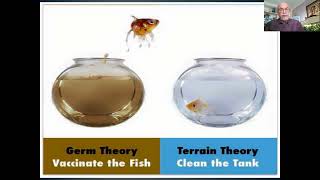
Hello, fish keeper or aquanium lover. You know, I'm trying to bring you some short videos about the best care you can try to give to your fish. I know it's not easy, and particularly it's not easy when you have new fish or new fish that you introduce into your home aquarium. And that is something I will go into more detail how I can help you to think about what to do when I have a new vision. I will share you my PowerPoint for this reason that quarantine and treatment are some things that can be important in creating a helm for your fish. The question I receive quite often from hobbyists is do new fish need a quarantine or a treatment when they are introduced into the home aquarium? Well, that's something valuable to think about because we like to have new fish in our aquarium. And that is something we should be aware of. What things we should think about when we do this? Well, we of course, what we don't want is getting diseases like this viral lymphocystis aquarium, it's viral infection into a marine tank, or getting goldfish with this bacterial and fungal infection. We want to prevent that these fish arrive in our home tank. Let me first explain to you to change the channeling of the ornamental fish industry, because where do your fish come from? But the largest part from your fish are imported into your country before they arrive into the pet shop. They arrive at certain channeling chain. And the chain starts with the collector, the catcher of the fish, who gives this fish to a broker who brings it to the exporter or a breeder who brings it also to the freight agent or to the exporter. And at the freight agent organizes that the shipment arrives very well with the airline to the importer or the wholesaler. And then the fish arrive to the retailer and the retailer sells to you the akrist. That's the whole thing. Then you see how many parts in the chain are involved. And we talk about the chains involved in industry. Well, this has been going on all already for about 75, 80 years. And this industry has been qualified and some books have been published, like here by OFI Ornamental Fish International, an organization who takes care about good information and care for fish. And there was a book on transport of fish, all the necessary things you have to know if you want to transport the fish. And a very good book on biosecurity in the ornamental aquatic industry to prevent and control fish disease. And this has been going on for years and years. And the industry has learned to take on challenges to improve the health and the conditions of the fish, because 95 of our fish are imported and maybe about 5% are from local breeders. And they're all taken care of because it starts already with a preparation and a short quarantine at the breeders location. The preparation, the short quarantine at the exporter who receives the fish, maybe from wild collecting or from a breeder locally. And then the veterinarian health certificate provided by an official veterinarian which signs for a certificate that the fish which are ready for export or be traded and brought to the airlines are free of diseases. And some of those diseases, a very well known one listed on those certificates are coiherpes virus. I call this on this moment a Djokovic certificate because it's free of disease. And that's how the importer receives the fish. After the airline took care of it, they do an acclimation and they do a longer quarantine. Why? Because they fish travel, they have to be prepared before they are sold to the pet shop. And after a couple of days acclimation and short quarantine in the pet shop, they're ready for you as a hobbyist. But you see the whole paths it went through about preparation, quarantine, treatments. Because during the quarantine there are. There are treatments going along to take care of the fish and feeding practices and all things which is necessary to have a healthy fish. But for you as an aquarist, you also should prepare your home aquarium for good reception of a new arrival. Make sure your water conditions are fine, that you did your proper water changes and your filter cleaning. I had several videos on this already in my YouTube channel, so you can look up for them in your language, English, French, German or Dutch. What is important to do a good visual checking of the new fish. If they do well, this will tell you what's going on. If they are sick or very badly damaged or what else that can happen, well then you can take them out and put them in a quarantine separate tank and there you can treat them. But it's up for you to check daily you fish, particularly the first days, what's happening when it's our cichlids? Well, talk to your supplier because be careful. Cichlids can fight with each other and a new fish can have a serious problem. And you can help your new fish or any fish in the aquarium with a good feeding practice. Because a good immune system is produced by good food, good water quality and a balanced food and that prevents diseases. I will go more in detail on that later on. But first of all, for you, select a good aquarium shop. Because a good aquarium shop supplies you with healthy fish and a quality service by the people who work there. And that's your first check on the quality you can get for your home aquarium. Because we know when a fish lives in a dirty environment, you try to treat or vaccinate anything like that, that fish will be better off in a dirty situation than in a healthy situation. But in a clean water system, here it's a bowl. Well, it's not the best practice to keep fish, but it's to show you in a case that the clean water is a more healthy environment. And there you have a more healthier fish with risk of disease. And that's. You have to think about that your home aquarium is important. But when you receive the fish, do you still have to medicate when a new fish arrives? Many people just throw in medications on any new arrival they get. But when you know that the new fish has went through many good practices of good at the exporter, the importer, the shop, the fish will be ready for you, good prepared for your home aquarium. Why should you medicate a healthy fish with a medicine or a vaccine while it's healthy, and meanwhile risking problems with the chemicals or the stress due to the application of the treatment? So think about why treating something healthy. Of course, you can ask yourself the question. Yes. Or ask me the question. Yes. But there are always microbes and pathogens in the water. Yes, that's correct. If we test, for example, our water, we will find Mycobacterium. Yes, it will be in the aquarium, which is causing, maybe causing the disease fish tuberculosis. And we could have a positive test, maybe do a test on it. But Mycobacterium is always in nature. It's a natural bacterium living in the water, in the rivers, in the lakes and in the aquarium. But that does not mean it is an affection or that the fish is sick. As long as you keep your fish and your water aquarium in good condition, if you worsen the condition and you damage the immune system of the fish, then of course the mycobacterium can become a disease. But that's with everything, also with mankind. Unhealthy conditions gives a chance for a pathogen to become an infection. So your plan for prevention of diseases is avoiding stress because there are always pathogens around and supply good food because the fish has an immune system. And with a food with probiotics and prebiotics, it will help the immune system to be stable and strong. Also good water avoiding stress is very Important in controlling the immune system and the health of the fish. So it can fight off the pathogens which might be around in the water, but not causing the disease. So again, there is the germs that cause a disease. Yes, the germs can be there, but the disease is usually caused by weakened immune system. This is going on for mankind and fish. The terrain theory versus the germ theory. And I explained that in a nice video. I will give you the link at the bottom about the germ theory and the terrain theory. How important is that you help the immune system and a good water conditions and a good filtration for your fish. Because why should we strengthen the immune system of the fish? Because immune system is in the gut, the mucus, the head kidney, the thymus, the gills. So why do we should do that? Well, a good immune system which is efficient is able to protect fish from pathogens such as viruses, bacteria, fungi and unicellular and multicellular parasites. If the immune system is weakened, even a small amount of pathogens can cause lethal consequences in our fish. And when the immune system works efficient, you can prevent infections and prevent medications. For example, I Recommend to use Dr. Benzler biofish food forte because this has ingredients that helps with probiotica and prebiotica in the immune system of your fish. And it's good when new fish arrive to do that. I practiced that for many years in my fish house with thousands of aquaria when our new fish arrived, to make them ready for a healthy life. And I've been trying and testing this for many years in my private home aquarium. And that's why I also have cardinals which are more than 10 years old. You will see double coming slowly, because first the light bearers will come to the the small sinking granulates of our Dr. Bas. We are biofish food. And of course those are large fish that like to eat at the surface are the first. But then comes my cardinals here, which are 10 years old and enjoy the fish food. But fish can come with lesions. I had a case when new cardinal Tetras arrived with lesions like here, they had some skin lesions. And then in that case, well, we can intervene with a food like Dr. Basler Biff's food, Foucault, which has an ingredient, Fucoidan, that helps to control bacterial infection. It's not a medication, sometimes medicine cells. But if you do, in the beginning of a first outbreak of a disease, a fish food can help your fish to survive and to control the the disease. Because it has. It is the fish who has to control the disease outbreak by his immune system, his defense. And it's the same with white spot disease. We have therefore our Dr. Basili by his food matrine. It helps to control that problem. So more info. I can give you more details in my books about my fish food and you can subscribe to my YouTube. You see the video links below because it's all important. There are germs of course, but if the terrain or the aquarium is not ready the fish will suffer and can having problems. So you're partially responsible of taking care of good conditions. Up to you because you're a fish keeper, you're a fish lover. So your first love must go to your water, your aquarium, your filtration and like I said, a fish food. A fish food can help the fish to be resistant to diseases to develop an immune system like my home aquarium here. So I hope this little lesson helps you to be, to become or to stay a good aquarist. Thank you for listening.
More from Gerald

Sick Dwarf Cichlid Apistogramma. See link complete video. #fishdisease #apistogramma #Cichlid


Fish disease case nr. 365 Tankraised Apistogramma borelli with bacterial infection and few tubercles

Corydoras catfish worm infection. See link complete video. #fishdisease #corydoras #catfish catf

Fish disese case nr. 364 Wild Corydoras concolor with Camallanus and other worm infections


Fish disease case nr. 363 Wild Cardinal tetra, Paracheirodon, with worm and bacterial infection

Fish disease case nr. 362 Sawbwa with gill flukes, Nematodes Capillaria and bacterial infection

Sick Golden Orf with Dropsy. See link complete video #fishdisease #GeraldBassleer

Fish disease case nr. 361 Golden Orfe with dropsy or ascites due to bacterial infection

Fish disease case nr. 360 Apistogramma with 3 different parasites and tubercles in the organs