Do you need a special fish food for each specific aquarium fish? And how much to feed them?
Gerald Bassleer explains that most aquarium fish don't need species-specific foods and can thrive on a balanced, natural-based granulated feed. Feed about 1-2% of their body weight daily in two meals, watch for 3-5 minutes to avoid overfeeding, and skip frozen and live foods due to microbial risks.
Chapters
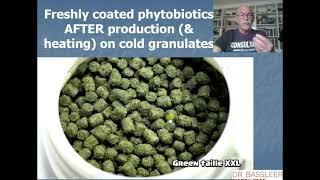
Dear Fish Keeper or dear Aquarist, many people ask me questions about our fish food or in general about feeding the fish. And this time I would like to discuss the issue of fish food. Is it needed for a specific fish? So I prepared a PowerPoint for you to explain you this matter because we do get questions and as you know, you can see on my T shirt, I'm a consultant and maybe I'm able to answer your questions due to experience we developed over the years. So the questions that are being posed is why bachelor food? Why did we make it or he make it? Why is the food better? Carnivore plecos or other fish, what to give, but also when to change to another food or other kind of basil for three or more kinds of. And what food for the babies? Nano food Is that not too dusty in a mixed tank? How do we feed all the fish with the same basilar food? Well, I say basilar food because that's how people call our doctor Bessler biofish food. And how long can the food stay in the water? So questions I try to answer in the coming slides, is there really a need of fish food for certain fish? Do we have a need for real specific guppy food, a specific discus food, or a food specific for catfish? Usually our aquariums have several types of fish and therefore shouldn't the corydora touch the food of our Neon Tetra? Or can't the angelfish eat the food that we give to our ancestors? Or in the marine fish, is the Acantaurus not allowed to eat the food we give to our clownfish? Well, this is an issue which people coming up to me and posed by questions. I give you some samples of studies that have been done on fish. And here a study on guppies, wild guppies from tropical. And they studied the details of two rivers and they compared the details of the river Narango and the river Takarigua. And they noticed that the rivers have different kind of biotopes. And in Narango there were many more invertebrates that the guppies had to eat or could eat hardly any in the Tacarigua, and they had many more algae, filamentous algae and diatoms in the Tacarigua. So you could see there were two different kind of food availabilities due to the rivers. And this resulted also in guppies with different gut systems. Also depending on the season, in a dry season or a rain season, in the dry season, there were different availabilities of food. And what really came up in the result that the guppies living in areas with a lot of green food. They had a very long gut. You can see here, which was explained what the guppies were eating. A lot of invertebrates in their diet. And the more invertebrates they were eating, the smaller here is the length of the gut, the smaller the size of the gut is. So you can see here the the guppies in a certain dry river system in the low water season they had a lot of invertebrates and a shorter intestine and shorter gut. And here another river system where they have small, small amount of invertebrates, a lot of diets and have a very long gut system. So that means that guppies can adapt also. Another kind of fish study which has been done is be done on the Myelosoma, a kind of silver dollar. Where the food is depending on the season and the fish adapt to it. We can't give a specific food, one kind of food to the fish with only like worms or only kind seeds. And here explain like the white bar here on the left. And here also the white bar. These are just plant material, plant material that the fish eats. You can see it changes depending on the season. The high water season and the low water season. In the high water season, little plant material and much more plant material. In the low water season. The black bar. The black bar represents fruits and seeds which that Milosomer likes to eat. You can see in the high water season and the receding season they're eating a lot of fruit and seeds, but hardly anything in the low season. And that means a couple of months they have hardly any seeds available. Another bar I want to show you. Here are the insects. In the low water season they have an opportunity to eat a lot of insects, like for instance mosquito larvae. But hardly any in the rising and the high water scene. So you can see the Myelosoma fish adapts to pore depending on the kind of food which is available. A study here on discus what do they eat in nature? And the yellow explains the availability of the food or what the fish discus feed have been eating in the high water season. And you see mostly the discus in nature they eat detritus, waste products, vegetable products, flower seeds, leaves, etc. Fruits 50 to 80% it's the main portion of their diet. Not mosquito larvae, not bee fight. They eat algae, microalgae less in the high water season. They eat aquatic invertebrates like worms more in the low water season. And here then the insects. It's like mosquito larvae or water fleas. Cristacea from the bottom of vegetation. They eat 12 to 22% in the high water season and hardly anything in the low water season. You can see the changes in the diet and what the discus fish is eating in nature. Another interesting study I want to show you is the composition of the gut of the mosaic pleco, the Terytoplichtis, which is different depending on the food source available. Here we see a wild Pterygoprictus where he had a variety of food to eat. You can see the nice fine large amount of microvilli in the microscopic observation of the intestine. Here you see a different kind of microvilli when the fish is living on wood or eating on the wood, when it's eating algae, a complete different intestinal mucosal system. And when the fish is starving, you can see the microvilli are nearly disappeared or very small. So this tells us that the good of one species can change in life depending on the source of the food. So what do we do with our Dr. Besley at bay fish food? Well, we collect our products from nature 100% natural, because that's what the fish is looking for. And we balance it with a mix of ingredients which is good for their health and growth. And it mainly consists of Scandinavian marine wild fish because those proteins are very good amino acids which are essential for good digested krill, algae, cereals, vegetables, vitamins, trace elements and minerals all added together to have a composed meal which is suited for most of the fish. And we tested it for 25 years to prevent or control fish health here in the past in my fish house in Belgium. And it's suitable for freshwater and also for marine fish due to the composition of the ingredients, which are very good digestible products, leaving very little waste products, which is also important in keeping fish that have very little waste, so less pollution of the water and less impact to the biofilter. Then people ask me, Gerald, why you make a granulated food? Why? Well, because the granulate food contains more quality than you can get from a flake food, which has to be processed with very excessive heating. And also it's better than most frozen and live food, because that's only one kind of frozen or live food and it can contain microbes. Even in the freezing process, you can have microbes having possibility of causing disease on the fish. The advantage of the granulated food is that you can have different sizes of pellets and that's depending on the fish. The smaller the fish, the smaller the pellet, the larger for the bigger mouths of the fish and it's then also suitable for the different water zones of the aquarium because the smaller sizes float longer and the larger sizes of our granulates sink faster. And we have the opportunity with granulates that we can coat it with Probiotica, prebiotica and phytobiotica, which is done as a coating after the production of the granulate. I will explain later an aquaculture which is producing many of our food. Our fish, our shrimp uses only granulate food because they know it's guaranteed free of microbes. So for them there is nothing better. Here I show you a slide from one of our customer, Loris, aquatics in France, who showed us that he uses a mix of granulates, smaller and larger ones to feed his fish. And it also shows how our food looks like after it has been freshly coated with phytobiotics. And. And it's done after the cooling of the granulates. And it shows that the ingredients are very well maintained. Here is the moringa and the cruella on the extra extra large green granulates. And that means the ingredients of the phytobiotics are well kept and maintained and not cooked and destroyed. Granulate food is good for a mix of species and therefore also causing less competition when it's floating around, sinking in the water and distributed. So here the clown loach have less competition with the rainbow fish and can live together like here, my cardinal Tetra, living together with crossracalas and platy and another kind of fish and rasboras. And they have becoming 12 years old and survived very well. Only honor Dr. Basler buy fish food. And to show you that the pleco here makes a choice, he has a cucumber available, the pleco. But what does he choose? The granulates, because the smell, the taste and the quality of the ingredients is his choice. He can make because as you can see, that's what they're all going for. And hardly any is sitting there now on the the cucumber. So all our different Dr. Besler biofuel food contain Probiotica, Pediococcus, acidilactecae. That makes the gut flora working well. So digestion is better. And the immune system of the gut is working optimal because the gut has an important role in the immune system of our fish. We have regular, which is a staple food for all fish. We have the one with beta glucans called the forte, with immunostibilantia. We have the cholera algae with antioxidants good for live bears and many fish that like a little bit more algae. Marine fish. We have the green specific for the fish who like more vegetable food, more green food like Loricaridae or certain cichlids from Africa. A Zebrasoma acanthuris and the marine aquaria. We have the garlic that many people know that's good for healing against parasites and bacteria. Aloe vera for regeneration, herbal mix for control of internal infections. And as you can see, those are all not medications. You know, those are just natural plant phytobiotica. And it's not medication, it's a help for the fish to control disease. And it's not working like it's not an antibiotic, it's not a chemical, but it's a natural product which helps the fish, which helps the fish to expel parasites or fight off bacteria or viruses in immune system protection and parasites make sure the parasites are expelled. The acai is for the color. And as you know, we had a metrine to control very well against white spot disease or velvet disease. Oodinium lapacho for hole in the head syndrome. The pumpkin helps for worm infections. And the last one we produced was the fuco, which is an extract from marine algae to help control bacterial infections, particularly columnaries disease. Cavar is very good. When you have fish who have a difficulty in eating granulate food or you want to give as a special treat to your fish, the professional is for the pros. And then we have the shrimp, which is a veggie food with aloe and beta glucans. And the baby nano which is a real granulate for fry for baby and nano fish. Well, like I explained, some bacterial infections can be caused by food. And we had many incidents in our industry like here, this dropsy or these patches which is caused by frozen or live fish food. So control that quality. I don't say live and frozen food is bad, but make sure the quality is good or make sure you disinfect it or kill the microbes. Some answers remaining. I think I replied most of them in the beginning. You can feed most of our different food to the different fish. What food is for the babies? Well, we have a real granulate food which is the baby nano food, which is a real granulate. It's not a powder dust. And that food like the baby, it can stay a long time stable in the water for many hours, up to 10 hours depending on the temperature and the water flow. But the fish can explore the fish tank and remain searching for the food all day long if they want. They can do that. Well, about giving the exact amount of food to the Fish, which is always a difficult topic. Not so easy to give you a real perfect solution. Because it depends on several factors. How much food you have to feed to your fish. The weight and the size of the fish can determine the behavior of the fish, the kind of fish it is, what kind of activity he has, the condition of the fish, if he is new arrival or if he is old, or if he is very mature. So he will have a different condition and different habits of feeding. The composition of your aquarium and the compatibility between your fish, the temperature of the aquarium, the filtration, those are all factors which determine. Normally, the rule is that you should feed about 1 to 2% of the total weight of the fish each day pretty well. How are you going to measure that? It's difficult for us to do that. Your solution is, well, give several spoons, distribute well. And then the different fish get the chance to eat it. Maybe different sizes also. And then you check during three to five minutes and if necessary, give extra after 10 minutes. It's better to give a little bit less than a little bit too much. And you look at your fish, what they neut, what they're eating. The larger fish or the bigger fish get bigger pellets, or the bottom fish get bigger pellets. The smaller fish get floating, smaller sizes. So you have different choices. I recommend to feed twice a day, in the morning and afternoon or early evening. Don't feed late in the evening because the fish have a buy rhythm. And it's better most of the fish that they don't get food late at night. Same as for humans, don't do that. Except for the fish who like to eat at night. There are some fish or night feeders. It is good that the fish can forage for their food in the following hours. So they always explore and look for the different kinds of pellets somewhere distributed in the tank. And it's important that during that feeding you take a good look at your fish, their behavior. It's up to you to give a little bit less or a little bit more. And that is a feeling you have to have and that you experiment. The problem is that most of the aquarists have the attitude to give too much food. Overfeeding, overeating is a risk for the fish. And that causes a lot of losses of the fish. Obesitas, obesity. So be careful for that. Because obesita weakens the immune system, makes the organs become fatty and malfunctioning. So that's all risks. So overfeeding is a big risk. So I always recommend to feed a little bit less than a little bit more so I hope this little note about how much amount to feed help you to be a good acrist. Thank you. We have free samples available for the hobbyist and the pet shop for the fish health. Well you make the choice as a fish keeper. You can have good fish you can have good food and we are responsible responsible of keeping the fish. More info you can find at our website here you can see our website you can go into the details on our website and explore what kind of different food is available. I have some videos there you can see here the different kind of food where you can click on and you can find some more information. We have a YouTube channel also where you can get the information needed. Of course we have also books where you can learn more about fish diseases. I hope this info helps you in becoming better to take better care of your fish. Thank you.
More from Gerald

Sick Dwarf Cichlid Apistogramma. See link complete video. #fishdisease #apistogramma #Cichlid


Fish disease case nr. 365 Tankraised Apistogramma borelli with bacterial infection and few tubercles

Corydoras catfish worm infection. See link complete video. #fishdisease #corydoras #catfish catf

Fish disese case nr. 364 Wild Corydoras concolor with Camallanus and other worm infections


Fish disease case nr. 363 Wild Cardinal tetra, Paracheirodon, with worm and bacterial infection

Fish disease case nr. 362 Sawbwa with gill flukes, Nematodes Capillaria and bacterial infection

Sick Golden Orf with Dropsy. See link complete video #fishdisease #GeraldBassleer

Fish disease case nr. 361 Golden Orfe with dropsy or ascites due to bacterial infection

Fish disease case nr. 360 Apistogramma with 3 different parasites and tubercles in the organs