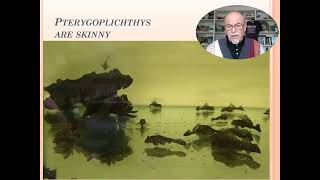
Gerald Bassleer presents a clinical case of a plecostomus-type catfish (Pterygoplichthys / Epterihoplichtis yosselinianus, also referred to as Gibbiceps) suffering from a combined parasitic and bacterial infection. Video evidence includes tank-level symptoms (skin/tail damage, emaciation, pale/clumped gills) and microscope footage showing moving Chelodonella parasites and dense bacterial colonies; internal findings include pale/necrotic gills and intestinal tubercles. Bassleer recommends combined treatment addressing both parasite and bacteria and mentions supportive/repair supplements (grapefruit seed extract, moringa, aloe vera) and his books for further guidance.
Chapters
Hello, dear aquarist. Welcome to this case of a kind of Plecostomus Loricaridae. Epterihoplichtis yosselinianus. That's a difficult name. Also like the Gippyceps. Well, this catfish was suffering from a particular problem because it came from a breeding facility and showing some problems that we could encounter and in our trade. And we will talk about the bacterial and the parasitic effects in Chelo Donella. You can find details, a lot about treatments and advice for helping your fish in my books. So here are the fish in the fish tank. And some are skinny, not eating well, some doing well. But look at them. Look at this one here, how skinny this looks. And he will waste away and we will have some dead ones. So we have to check that one and that we can try to check what we can do in our treatments. Let's find out how I continue. Okay, here we see the bacteria, the parasite, the bacteria, the black parts. In here you see the few round circling little animals moving around. Those are parasites called Chelodonella. So it's a combined infection. This here is on the part of the tail and the scraping of the tails. See, we see the little bugs moving around. We call them bugs, call it parasites. They're causing damage. The bacteria causes damage. Here we see it at a higher magnification you can see the parasites moving. Chylodinella. You can also start to see the bacteria moving. All those black things, black, little tiny parts are bacteria. Here there's colonies of bacteria, the parasites. And here we go to detail of one of those big balls or colonies of bacteria. And you will see the tiny millions of black spots moving, trembling. Well, that's bacteria. That's a colony of bacteria. And having a serious impact on the tails and on the skin of the fish causing damage. And the gills, they looked pale. Look, this we took out of the gills and I show you here. Before we put in a microscope, we saw the gills and the gills were damaged. They were pale. Look. That's not a normal healthy red, orange colored gill. Look, clumped together. Necrotic parts. Necrotic parts. DUIs are kills in bad conditions. So the fish will suffocate, they will die. And internally we found a bad liver because there was a bacterial infection going around in the fish. We saw some tubercles here in the gut, in the intestine, small little tubercles. So probably all caused by bacterial infections. We can send it to the laboratory and find out which bacteria is it and what kind of antibiotic you can implement but first of all you have understood today that the fish did suffer from a bacterial and a parasitic effect so two infections combined treatment will be necessary to treat against. So you can ask your shop what kind of treatments you can get people because your shop should know what treatments he can recommend for you or you can get it in my books and maybe bring the book to your pet shop. You can help in the repair of the fish who had the damage with the grapefruit seed extract and moringa which is a combined product for helping the repair of the fish and aloe vera which is another kind of repair functional food in our Dr. Basler biofish food. So my books help you and advise you and I hopefully advise you well in this video that this kind of diseases can occur with our fish particularly like this Gibiceps or Pterygoprictis Jose bilianus that came from a breeding facility. Well it teaches you a lesson you have how to take care of your fish. Thank you for watching.