Fish disease case nr. 276 Satanoperca jurupari Geophagus Cichlid with worm and bacterial infection
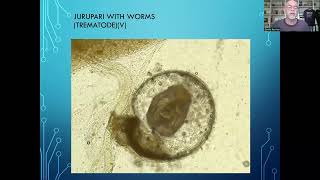
Short YouTube case video by Gerald Bassleer (with another speaker) describing a wild-caught Geophagus/Satanoperca specimen (listed as Satanoperca jurupari / Geophagus Satanoperca europari) that arrived skinny with damaged fins/tail and respiratory problems. Necropsy revealed multiple internal worms (photographed), a damaged/bad spleen indicative of bacterial infection, and organ trauma; many worms were still alive. The speakers discuss that worm infections can predispose fish to secondary bacterial infections and outline possible treatments: antibiotics/antibacterials for the bacterial component, anti-worm medications (not always effective if worms are encapsulated), and supportive/functional food (Biofish food pumpkin seed extract). The video promotes Gerald Bassleer’s books for more detailed treatment protocols and his Patreon for specialized training.
Chapters
More from Gerald

Sick Dwarf Cichlid Apistogramma. See link complete video. #fishdisease #apistogramma #Cichlid


Fish disease case nr. 365 Tankraised Apistogramma borelli with bacterial infection and few tubercles

Corydoras catfish worm infection. See link complete video. #fishdisease #corydoras #catfish catf

Fish disese case nr. 364 Wild Corydoras concolor with Camallanus and other worm infections


Fish disease case nr. 363 Wild Cardinal tetra, Paracheirodon, with worm and bacterial infection

Fish disease case nr. 362 Sawbwa with gill flukes, Nematodes Capillaria and bacterial infection


Fish disease case nr. 361 Golden Orfe with dropsy or ascites due to bacterial infection

Fish disease case nr. 360 Apistogramma with 3 different parasites and tubercles in the organs