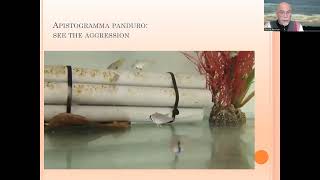
Gerald Bassleer examines an Apistogramma panduro that injured other fish through aggression, causing lesions and fin damage. He explains how territorial behavior leads to physical harm and offers guidance on preventing these injuries in your tank.
Chapters
Hello Dear aist, thank you for watching again one of my videos today. It's case 283. Yes, so many videos we have been making in the last few years. During my work as a fish doctor I collect information and I share my findings with you. And I hope this teaches you lessons how to to care about your fish. Today it's about a dwarf cichlid. A very popular fish pieces for the people that like dwarf cich. It's today the Apistogramma banduro which came from a breeder and we saw damaged fish due to aggression, not due to a disease. Although I discuss fish disease cases, today it's about something else. My books on fish diseases gives you also a lot of information on prevention, how to avoid fish diseases. And I hope you get one of them. Here we see the male Apystogramma pandura. You can see how he is in a certain way attacking or defending his property, his nest, his area. Look here. That I presume is his partner, the female in nice color and this full colored male. Well prevents that other fish approach the area because I presume he's planning to have a nest there and try to breed with the female having some good eggs available. So everything what comes near him is going to be a text and a risk to be damaged. And that we have seen here in this Apistogramma pandora that has damaged pectoral fin, dorsal fin tail, all by bites by that aggressive male. Well, is he aggressive? I think he's more likely defending his property. Here we see that male again. He's the one in the tank which is in full color, the biggest, strongest and everybody well who approaches his area. I think some females like to join up with him, but he selected that presume one and all the other ones. Well, you better get out of the way and prevent that you're going to be attacked and damaged. Here we see his female in full color and that planning to have a nest there. So that is happening when you keep fish together, particularly dwarf cichlids, that there can be aggression typical for cichlids. If you don't know cichlids. But you have to think about preventing the aggressive. You have to think about, well, not giving medication here, no, because I didn't see any thin rot yet. There is no bacterial infection going on on this moment, not yet. It's just physical injury, but you have to watch out. It can appear and it might be needed to apply an antibacterial medication as an immediate help. You can try with our Dr. Bachelier Bish Food CBD to calm down the fish to calm down the aggression but the thing you should do is apply anti stress materials much more plants much more hiding places avoid overcrowding all things that help to improve here in this situation the well being of the other fish in the aquarium you cannot stop the aggression of the male is it aggression? No, it's more like a defense of his property Wouldn't you do the same when everybody's intruding in your property? Well your suggestions are welcome about fish here below and you can help to improve the health of the fish which are stressed and maybe some damage to the functional fish food like Dr. Basler bi fish food forte that helps to repair the immune system Read my books to understand fish diseases prevention, control treatment and maybe you can get more professional get more training at my Patreon channel so I hope this video teach you a little lesson on not a disease but a possible cause of a disease aggression of dwarf signage thank you for watching.