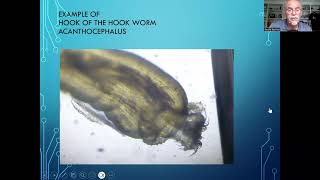
Gerald Bassleer diagnoses acanthocephalus, a hook worm that infects platy fish. The parasite damages the intestine and causes clamped fins and lethargy. Treatment options include mebendazole or niclosamide, plus supportive feeding with pumpkin-based food.
Chapters
Hello, dear aquarists. Today a video about a diseased platy. Xiphophorus maculatus is the scientific name. A life bearer. I Show you my PowerPoint what I found on the fish that was today in that platy. An intestinal worm called acanthocephalus or hookworm. My books, like I told you in my other videos, you should have them to learn to diagnose fish disease, to know what can I do to prevent fish diseases. And certainly how can I treat what medications. And they are available in different languages. See the link below. You can order them directly from us. And here we see the platy. And you see a few that are clamping the fins. They're stressed. Not many. Some look okay for now. Here we see this one again. Here, look at that one. This is not normal behavior. That is something you should watch out for when you deal with fish. That you try to observe behavioral signs that the fish is not happy, not feeling well. And it starts with one fish. And the next day it are five fish. And the second day there are 10 fish. Be aware, catch on time the disease. And in this case we found a simple problem. Well, an obvious to see problem, which is a big worm, the acanthocephalus, the hookworm. It has a hook that comes out that's called proboscis. It comes out, comes in, comes out, comes in. And when it comes out, he can destroy the intestine or the gut, make holes in it and damage the fish. That's how it looks like when proboscis is out. You can see those hooks. You cannot manage it. That is serious risk for the fish. Here it's again on this observation and had during this study. Well, the hooks did not completely come out because the worm was in stress. And he will retract easily his proboscis. But here are all the hooks not opening yet, but that's how we recognize it Acanthocephalus. And therefore we know that we can treat acantocephalus. And we have to, because it can cause serious damage. And mebendazole or niclosamida are used. See my books about the dosage and how to apply this medication, usually through the water. At the same time, a functional fish food can help to fight off this kind of infection. And that is Dr. Basler Biffish food pumpkin. In combination with a medication, a perfect tool for treating your fish the best way. My books, I told you before, are helping you to understand better fish diseases. With a lot of photographs. You want to have a specific training to check my patreon studies that are made for you courses where you can get more advanced training. So I hope this short video help you to understand hookworms or acanthocephalus in a live bearer. The platy. Thank you for watching.