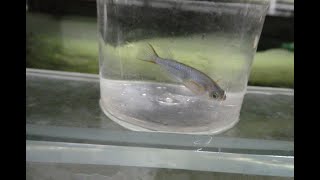
Gerald Bassleer presents a diagnostic case of Oryzias (rice fish) showing bloating, severe bacterial infection and obstructed kidneys. The video documents gross findings (gill erosion, necrotic liver, many rod-shaped bacteria, blocked renal tubules), recommends laboratory bacterial culture/sensitivity testing, antibiotics guided by a vet, and attention to food/water quality and quarantine practices to prevent recurrence.
Chapters
Hello Dear aquarist, you have seen that this video will talk about orissias, the rice fish. This fish seems to be very popular these days anno 2025. The last couple of years the demand for orisias has been growing because there are many colorful different types of orsias available from breeders. And that's why I sometimes get these fish on my table diagnostic table to find out what is going on. And today I have some typical problem that can appear with ordiz that might be interesting for you to understand what is going on and what you can do do about it. So let me share you my PowerPoint where I show you my findings. The aurizias were bloated and the fish had a severe bacterial infection and a blocked kidney. My books on fish diseases talks or writes or explains about prevention, good diagnosis, correct medications and how to apply. And they are available in different languages. See the link below where you can order them. Here I show you the original ovary that is bloated with heavy breathing and a swollen body. You can see that this fish is not looking normal anymore. And that's you have to observe and you have a group of origia swimming. Here I show you another video of this fish which we took out of the aquarium. And well, that bloated look was the first sign that the fish will die in the coming hours or days. And that's. You have to watch for that something is going on. And when checking the fish from the origins, the gills were badly damaged due to a bacterial effect. You see here the gill tissue that is gone. See here all these tips of lamellae that are disappeared, eaten away by the bacteria. Look, this gill arch, not much good gill tissue anymore left. So kilmonia bacterial gill infection is killing the fish. Risk of penetration of bacteria going inside through the bloodstream affecting the internal organs of the fish. And of course the liver was bad. Look, a lot of openings, open spaces in the liver, poor color, some necrosis going on. Look at this part here, look at this part here. Badly necrotic tissue inside the liver. And we found a lot of rod shaped bacteria inside the fish. Here we see it on a video that's slightly moving. It's not very motile bacteria, but they are here. See how many thousands of bacteria rod shaped are in the fish. Sending to a laboratory can help you to understand what bacteria is this case and what of antibiotic you can use. They can do a sensitivity testing and finding out. Well, could be interesting to know what antibiotic could be proposed by your veterinarian. Takes a few days. That's the only. As a breeder, you should do it because then you know what's going on in your breeding facility. As a hobbyist, it's a lot of money. Takes two to three days at least before you get results. What was also interesting in this origia was a bad kidney with blocked tubes. Look at that. Those were all filled and not functioning tubes of the kidney. Something was inside. And I explained that this has a reason. But some fish, well, like I showed, were bloated medications. They will hardly accept. They will die. They are too late to be treated. Check the origin of the problem. Usually poor food could be the cause. And the blocked kidneys, well, that has multiple reasons. Difficult to say. But you have to check the history of the fish, the use of chemicals, certain medications, too high calcium content in the water, or maybe too much other minerals in the water. So check your water quality, check your food quality, check the medications you have used and had a bad impact. So it gives you a lesson so you know what approach you can take for the next case of fish disease in your aurexias. Try to get a good antibacterial medication and most likely an antibiotic will be needed. Maybe a laboratory can define that for you. But ask your vet or your fish doctor for advice. You can help with food to help the immunity of the fish. Like Dr. Basler, BioFit, Foucault or Forte or grapefruit seed extract. Moringa also professional treat can also help to deal with a better approach for your oridas to give it good food. My books explain on fish diseases, prevention, diagnosis and how to apply medications. And they are available in different languages. If you want to have a specific training on prevention of fish diseases, how to quarantine, how to diagnose. It's all available at my Patreon channel. I hope this video help you to understand this kind of bloated origias can also happen with other fish. Bloated appearance like I showed in these origias is also possible in other ornamental fish. And it usually most cases the cause is bacteria. Thank you for watching and take care of your fish.