A YouTube talk (Part 1) by Gerald Bassleer about how feeding practices and food quality affect ornamental fish health. The speaker surveys causes of emaciation and disease (poor diet, competition, parasitic infection, stressors like bad water quality, transport, aggression and heavy flow), explains why properly formulated sinking granules help, and describes functional-food additives used in Dr. Basler Biofish Food (probiotics, prebiotics, plant extracts, aminostimulants). He recommends feeding regimens (periodic stimulant feeding) and positions high‑quality food as a primary preventive measure.
Chapters
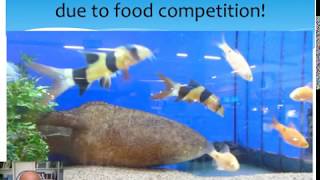
Fish food and fish health. Hippocrates told us 2,000 years ago, let the food be thy medicine and the medicine be thy food. So I hope to explain you here today in part one, what it can mean for our keeping of ornamental fish in the best conditions. Why do fish become skinny and die? Is there a food shortage or is there a bad feeding practice? Or is the poor quality of the food to calves? Look at the pleco on the right, how skinny the belly is. This fish has to scrape for his food. Scrape the algae from the rocks and eat from the leftovers in the tank. This is not a good practice. The fish will eventually die. The skinny cardinal tetras you see on the left, cardinals, freshly imported from South America, suffering from a lack of good food. Also in nature, it can be a problem that the fish is lacking the good food supply. So why do fish become skinny and die? Like on the right, the chetidoplus. This fish is suffering from a heavy parasitic infection of nematodes in the intestine. And these gobies are also so skinny due to food competition and lack of good food supply. So many different reasons. And here we see a reason that the clown loads is becoming very, very skinny and eventually will die because he has to compete with the food, with the barbs. Well, these fish don't belong together. The barbs will eat all the food and the clown loach will have a real shortage. So fish can get sick due to the stress, and then eventually the pathogens which are around in the water or can be there, like bacteria or fungus or parasites. So stress is a cause. And we know some of the factors that can produce this stress. And that's particularly the poor water quality that we can do. Find out with testing, testing to find out the ammonia, the nitrite, the oxygen level, also netting the packing and the transport can be a stress for the fish. The temperature fluctuations when we do bad water changes with too cold water or too hot water. Aggression is a cause of stress, overcrowding. And so many factors which we know here we see in this fish of the cichlids here, kept together in a tank, but lacking the good food they should have. If they lack the food, they will become aggressive, they will chase each other, they will damage each other, they get lesions and they die. Here, those marine fish, those powder blue tanks, fighting and showing aggression, causing lesions and damage. And this of course will cause disease. Also the handling of these marine fish, like these anthias, overcrowding, lacking of food, and you see the start of the tail rod at the many different fish. So the fish will suffer and eventually die. Fish that can have a problem with a heavy current. Here we see the stetras showing a fin and tail rod due to the heavy current in the water. And the heavy current in the water is causing a lot of stress. So no need to keep this fish in a heavy flowing filter. So stress for the fish, we know those kind of factors. And of course the factor I would like to discuss today with you is the food stress or bad food and poor feeding practice, which is a very important factor which is in many cases neglected. The fish has an immune system. And the food can have an impact on the immune system. If there is good food and a good food supply. The fish can have a strong immune system and he can fight off the pathogens in the water, so he can avoid to become sick. We have a problem in our aquarium hobby that we try to feed our fish too often. So we see quite often fish with a fatty degeneration and obesitas. Like in these two fish, we can see fatty organs which make the fish weak and sick. If we open the fish, we can examine it and we can see that there is a fatty, greasy content. The microscope tells us how the empty or a lot of fluids are kept into the intestinal area. So causing a diarrhea kind of infection of the fish. And also due to the food stress, the fish becomes very weak and has a poor defense system. And the gills get damaged. And here they rot away. And eventually the fish will die from the damaged gills. What other stress like here these fish? It's not easy to feed this kind of fish, this kind of quantity kept together in a display tank, in an aquarium, at a pet shop. This is not a way we should keep the fish. It will cause problems. And if we keep fish in this way by feeding them tablets, this is a stress for the fish, it's a cruelty for the animal. So avoid feeding. Quite often the tablet once in a while you can do, but avoid it if you can. In this microscopic video here, we can show the empty intestine of the fish we examined. They were suffering, so called from the disease. No. We find out they were suffering because they were lacking food. There is hardly any food content in the intestine, hardly any excrements. So what can you do you as a hobbyist? Well, the first thing you should do is invest in a good fish food. Fish food is the cheapest, the easiest fish medication you can get. And it helps you in preventing fish diseases. The fish that are not well fed they have a much bigger chance to get sick and and it will become more difficult to cure them. So let the food be thy medicine and the medicine be thy food. In this video we show the plecostomus eating just granulate food. And you see they're not going to the vegetable in the tank. So the fish are really going crazy for the real food. So think about your plecos that you feed them. You give them sinking food that goes to the bottom. So granulates. The advantage of granulates, you have a choice of size, size depending on the kind of fish you keep. Here I show you my home tank with 12 year old cardinals which have been fed only with our Dr. Basler by Fish food. And you see the slow sinking small pellets in the water, which gives fun to all the fish. And that food can make a difference. You can see on the left the pale colored fish and on the right you see the fish with full color which had an appropriate food which gives them the health and full splendid colors they should have. Here you see clown loaches in a pet shop becoming very skinny because they're kept between rainbow fish. Rainbow fish are taking the food much faster. And on the right we have been feeding sinking granulates so all the fish have a chance to take some of the food. This helps them to survive in this kind of community. So a good food has good ingredients and a good processing. And why are granules a good fish food? Because the good ingredients can be well digested. That's what we look for for proteins that are so important that they are 100% digested by the fish. Also, the controlled production process makes sure that there is no pathogens into the food and it preserves the quality of the ingredients. We can define different sizes. We can add supplements like probiotics and algae to the food. And of course something to think about. A good food works only when you feed it correctly. Hippocrates told us, let food be thy medicine. A food can also be good, but can certainly be functional. And a functional food is a food that has a health promoting factors that can prevent disease. Due to additional new ingredients, we add on what ingredients and functions we can add on. Well, we use probiotics in all our Dr. Basler biofish food with bacteria, Pediococcus acidilactisae, which improves the intestinal flora. We have to understand that the intestinal flora is a very important defense system. We adding on prebiotics like yeast extracts, chlorella, aloe vera that stimulate the immune system of the fish and helps Also the activity of the gut bacteria. So improving the defense system. We also adding on plant and plant extracts which help the fish to regenerate or to fight diseases like garlic, matrine thimmus, grapefruit seed extracts, moringa and many others. Nutrigaments. Well, nutrikements is what the functional food is all about. Those are fresh products from the nature and they contribute to the fish health. But important for us is that we freshly coat them on the granular food. So the effectiveness of the essential ingredients is guaranteed. And since 1996 we already are using the aminostimulants in our Dr. Basleer base live food forte. What can they do? Well, they have stimulants when they are freshly coated on the fish food. It's very important that they are helping the fish to fight against infections. In some cases it's necessary. Like we told you, when the fish is suffering from stress, and particularly when the fish are new arrivals in your fish tank, or after a disease or after stress, it's something you can apply. You have to feed it 10 to 12 days each month, otherwise the automatic immune system will not function. So only feeding 10 to 12 days is sufficient in each month to have a good stimulated immune system of the fish. We had some testing done in the laboratory and we can see the red line here where there is biofish food forte used with stimulants that the macrophages, which is part of the defense system of the fish is available in high quantities. So there is a high defense system, no stimulants used. You see the fish in a stress condition losing its ability to fight off because he is lacking the quantity of macro fars. What is a macro far? Well, macrophage is a kind of defense system which is absorbing, taking away the microbes out of the system of the fish. So it's a real defense. And the more you have these microfiber, the better the defense. So this video is sponsored by Dr. Basler Biofish Food, our product for the specialized hobbyist who thinks about quality. You need more information? Well, you can go to our website, thepassler. Com. You can follow us on YouTube and watch the next videos to come. I thank you for the attention and I hope to see you next time or see you listed on our YouTube channel. Bye bye.