Gerald Bassleer summarizes an international review studying non-antibiotic, feed-based strategies to control yersiniosis (red mouth disease) in rainbow trout. The video highlights alternatives to antibiotics—probiotics, prebiotics, synbiotics, phytobiotics (herbal extracts and essential oils), algae, organic acids, vitamins, and emerging feed-based nanomaterials—and discusses their roles in improving immunity, reducing mortalities, and minimizing antibiotic use. The speaker emphasizes careful diagnosis before antibiotics, regulatory restrictions (vet prescriptions), and encourages combining supplements and exploring new technologies for sustainable aquaculture.
Chapters
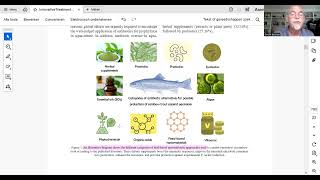
Hello, dear aquarist. Yes. Today a study on what can be interesting to replace antibiotics. Because antibiotics has been used for so many years and many alternatives have been examined, have been studied. And this is here a study, a review of the publications on the use of innovative non antibiotic feed based strategies. Yes, something you can add on to the food, to the fish food to help to control a bacterial infection. And in this case it was studied on the rainbow trout, yersiniosis on rainbow trout, which is a common bacterial infection, which is explained here in the abstract. The study was an international study. People from Russia, India. Russia and India, yes. Iran, Poland, all were involved. Turkey. So an interesting international study because these things are studied worldwide. And red mouth disease or yersiniosis is a responsible for high mortalities in rainbow trout and other salmonids. The prevention and control has become very important for that aquaculture industry. And we can learn from it. Even for us as ornamental fish or ornamental fish industry depends on the research that is done or currently or has been done on food fish. Because that's where the money goes. That's where is the money available to pay for those studies and to do the testing and examinations. And I learned a lot from it. So I'm daily studying publications and sometimes I pick up an article which I would like to share with you that well, we have to learn that antibiotics can be effective, but there is evidence that unrestricted control can harm the fish, can harm the human, US human species and also can harm the environment. So we should limit to control the use of antibiotics and to be aware when to use it to do a good examination, a good diagnosis, a proper examination, etc. Before you administer an antibiotic. Still here I would like to discuss opportunities other dietary supplements with functional additives with health promoting and immunostimulatory functions. That could be a promising strategy. You know, my work as a fish doctor, I'm very strong in using pro and prebiotics. Since 1996 we were one of the first to produce Dr. Basler biofish food forte with probiotics and prebiotics. Something was very new in that time for ornamental fish, although it has been used in aquaculture, but not such in a large spectrum. But here in this study they examine the last 30 years many more studies have been done and we can learn from it because the uses and application of some vitamins, probiotics, prebiotics, synbiotics, decorum quenching probiotic strains, algae, organic acids are all included in this article in detail. You can look retro yourself. I give you the Link below I will give you just the major well goals of this study and the major results because it explains here that the roles of the phytobiotics, that means herbal supplements which we also use in Dr. Basler biofish food and their phytochemicals, which are chemicals normal extracts made from plants and the essential oils extracted from them will also be discussed in this article and we know some are very beneficial and the article here. This review presents the current situation and the latest knowledge on these supplements, emphasizing not only their roles to support immunity and decrease the effects of red mouth disease, the bacterial infection, but also to minimize antibiotic use in aquaculture. Also for you fish hobbyist, fish breeder, ornamental fish breeder, importer, try to limit the use of antibiotics. Laws and regulations already impose that only a veterinarian at an import facility, particularly Europe, can prescribe an antibiotic when it's needed. That's part of my job to do examination and to evaluate do we need to use an antibiotic, yes or no. You have to make a diagnosis correctly to find out if the bacterial disease needs to be treated urgently with an antibiotic. This also discussed in this article. The limitations and the future perspectives on their effectiveness and efficacy are also discussed in detail. And this review will help enhance aquaculture sustainability and improve the health and welfare of rainbow trout. And for you for also the ornamental fish. So I'll go quickly through the article. Please read it yourself when you're interested. Read the details because it's all about this illustration shows the non antibiotic approaches. You know, herbal supplements, probiotics, prebiotics, synbiotics, algae to be used, essential oils, phytochemicals, organic acids, feed based nanomaterials, which is a new thing that's happening or being used in the technologies feed and the use of vitamins. It also explains that the feed additives, the categories and the percentages of the papers published and the feed supplements to avoid non antibiotic feed. You can see that the probiotics and the herbs are the mostly discussed or studied which also I learned a lot from it by using on our ornamental fish food. So you can see those probiotics and herbs because they are the most easy to get, easy to use and to apply. Prebiotics of course are a part of it. And synbiotics. Well, you can see many different things are discussed in this paper, all in detail here. The herbal extracts, different herbal extracts discussed here. I don't go in detail. That's not my goal to present that here in this study. You can do it for Yourself, depending what you're looking for, depending what you need. See what probiotic bacteria are needed, the yeast which are needed, etc. I don't go in detail. You look for it yourself and find out what you can apply, what you can use, what you can learn. You can learn from my fish food and the application of phytochemicals or nutrikaments for the use to prevent or control fish diseases. See the Miscellaneous group. Recent research found that the application of medical plants fermented with probiotic bacteria in nutrition was beneficial not only for upgrading nutritional quality and bioactive components of the formulated diets, but also to improve the growth, performance and immunity of fish. With promising results. That was an article published by Wang in 2022. You can read below the reference of Professor Wang. The published results declared that these supplements could ensure an antibiotic free anti aquatic environment. One of the problem is in aquaculture, when you put an antibiotic in a pond, how long does it stay in there? You have to get rid of it within 48 hours. Otherwise it can create resistance of bacteria. So just putting it in a pond an antibiotic is not smart. Putting it in the food more likely to be less distributed in the water. But still the fish have to eat and if they eat limited, they will take up little amount of antibiotics. So a lot of things you have to think about. Ritzels litigated that these approaches beneficially help to boost immunity, enhance resistance, provide considerable protection with the use of those other supplements and reduce mortalities. And that's what you want less mortalities with your fish by using antibiotic free supplements. Future perspective should be directed towards combining two or more feed supplements. That's what we have been doing in our Dr. Bazley biofish food is adding different supplements combining together in the professional treatment, the professional care, the herbal, the green. There's a new technology coming up, the nanotechnology which might be needed to give interesting input in the future. And more and more functional feed supplements with immune stimulatory effects should be explored to diversify the types of fish supplements and enhance the functionality of aquafeed using for farming of fish. Well, I tell you, this is the future. Look it up, follow my studies. My studies will once in a while point out one of those studies that I find interesting that I can share with you. When you're dealing with fish as a breeder, export importer or even hobbyist, why not learning what kind of herbs or phytobiotics or what else probiotics to mix in your fish food that you make yourself subscribe and learn more from these studies. Thank you for watching.