Gerald Bassleer offers online VIP training via his Patreon channel on diagnosing and treating freshwater and marine ornamental fish diseases. The course emphasizes practical microscopic examination (gill scrapes, 3–400x magnification), identification of parasites, bacteria (e.g., Columnaris), fungi, viruses (e.g., Lymphocystis), trematodes, and specific marine parasites (Neoichthyophthirius, Tetrahymena/Uronema). It also covers behavioral observation, causes and prevention, and treatment strategies including management of ulcers, gill flukes, and common abnormalities.
Chapters
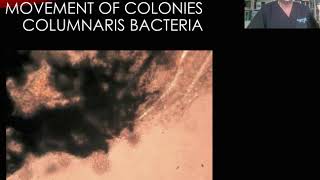
We can give you a training on diagnosis and the treatment of fish diseases, freshwater and marine, via our Patreon Channel, something new we offer online since we have a difficulty to travel these days. So me, Gerald Bassler, as a flying fish doctor, can try to help you out to solve your problems with fish diseases. When we talk about ornamental fish diseases, we will talk about the diagnosis with the help of a dissection and microscopic examinations. So you will learn how to use a practical tool. And an easy determination of the diseases, viral, bacterial, fungal, parasitic and abnormalities and disorders will be discussed in many different videos which will be presented in the coming months. Are we able to make a correct diagnosis with our naked eyes? Can you see what's wrong with these two fish? I can't, but I need a microscope. We can learn to look first for the origin of the reasons why the fish get sick. Therefore, we prepared a separate course, the causes and prevention of fish diseases, which is a separate part of my Patreon channel. And if these diseases the diagnosing was so easy with a chart like this, well, we would not need this course. But we know it is not that easy to recognize all those patches and spots and to think it's a very simple white spot disease or something similar. It is not. Please learn to use a microscope. This will teach you lessons in the first eight. We will show in the video the observation of diagnostic photographs. And we will indicate diseases and present with photographs. And we indicate to FFP that the photograph indicated in the presentations will help you to identify the problems. Why certain eye problems? Why holes? Why spots? What could that be as a disease? A very simple overview which we will give in that training. For example, here four different problems, but all looking like white patches. People think it's all one disease, like fungus, but it is not. I will explain behavioral sick fish. Well, we have to learn to observe the sick fish, particularly during feeding time. And we have to understand how a fish are behaving normally. If you're laying on the bottom or hanging in the corner, well, learn the language of your fish. And we will show that during the discussion of the different diseases, what the fish behave like when they're showing a disease. Well, the rise are limited, I told you that before. And that's why I will train you how to use a microscope. And we can find 90% of the diseases by simple microscopic examination. By using a simple scraping of the gills, we can determine many parasites on an easy way just without coloring and without any staining techniques. We can recognize the jumbo cells, for example, the Lymphocystis, which are easy to see. We can learn about the progress of a nasty bacterial infection called Columnaris here on a guppy. And then the same guppy 12 hours later. That's why we learn have to learn to detect the problems as soon as possible. And to see in a microscope like here, without any coloring technique, a simple magnification at 3 to 400 times. You can find those bacteria colonies in the microscope examination like parasitic infections. We will discuss many different parasitic infections. White spots, oodinium. You can see them all here appearing on this screen. We will discuss in detail with videos and photographs, so you learn to identify the diseases. And we will identify also the difference in freshwater and marine. So the freshwater egg or marine egg or Bricklinella and Kylo Della, etc. Here we show an example of the Neo Ichthyophterus, the new white spot disease, which is causing serial problems in our fish. Also Tetrahymena or Uronema in marine fish. A very serious problem in certain circumstances. We will discuss trematodes and flukes and multicellular parasites. Many more to come. In our presentations. We will show the slides like we do in a microscopic examination. And also we discuss this damage that occurs on the fish and that you might to treat ulcers, bacterial, infectious, not only the parasite, but also the bacteria. So like for example, we will discuss the treatment of the gill flukes, what kind of steps you can take to help you out. We will discuss abnormalities, deformities, the discus and angel pests, Malawi bloat, etc. So maybe you can become a patron to get your VIP training. Follow these links here and try to become a more professional fish keeper. So your fish are more happy and you will be more happy. Thank you.