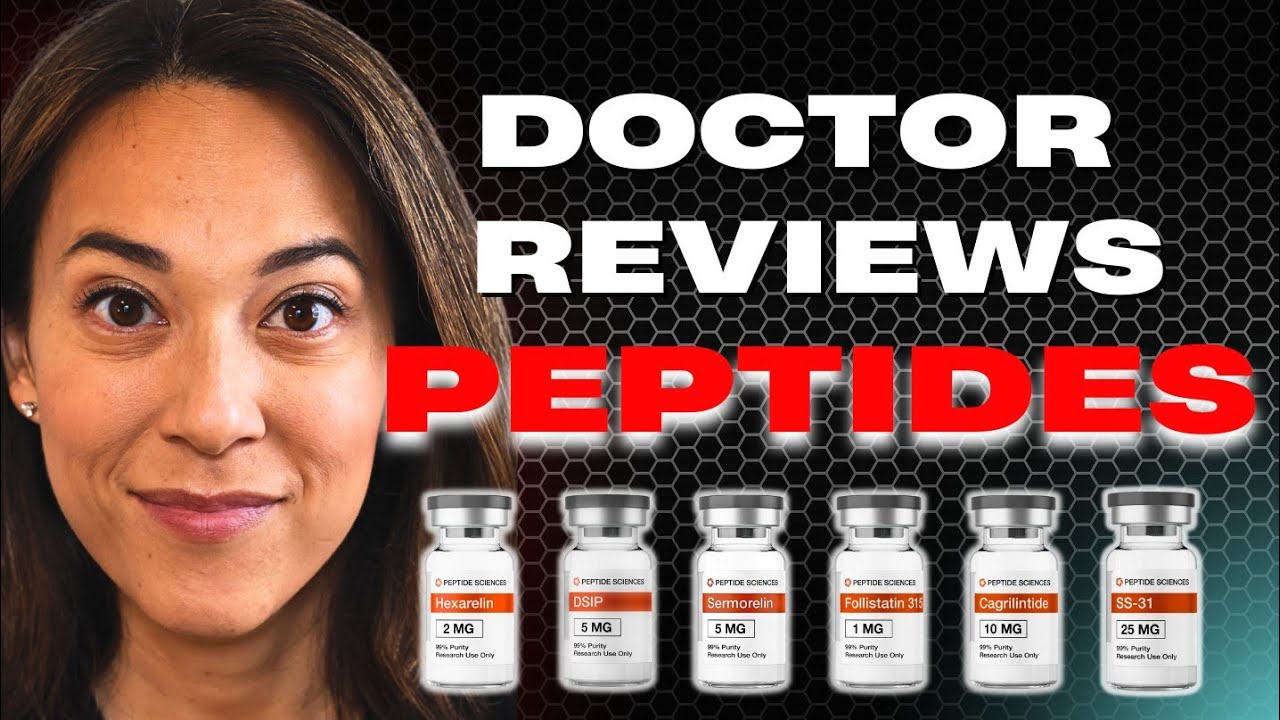
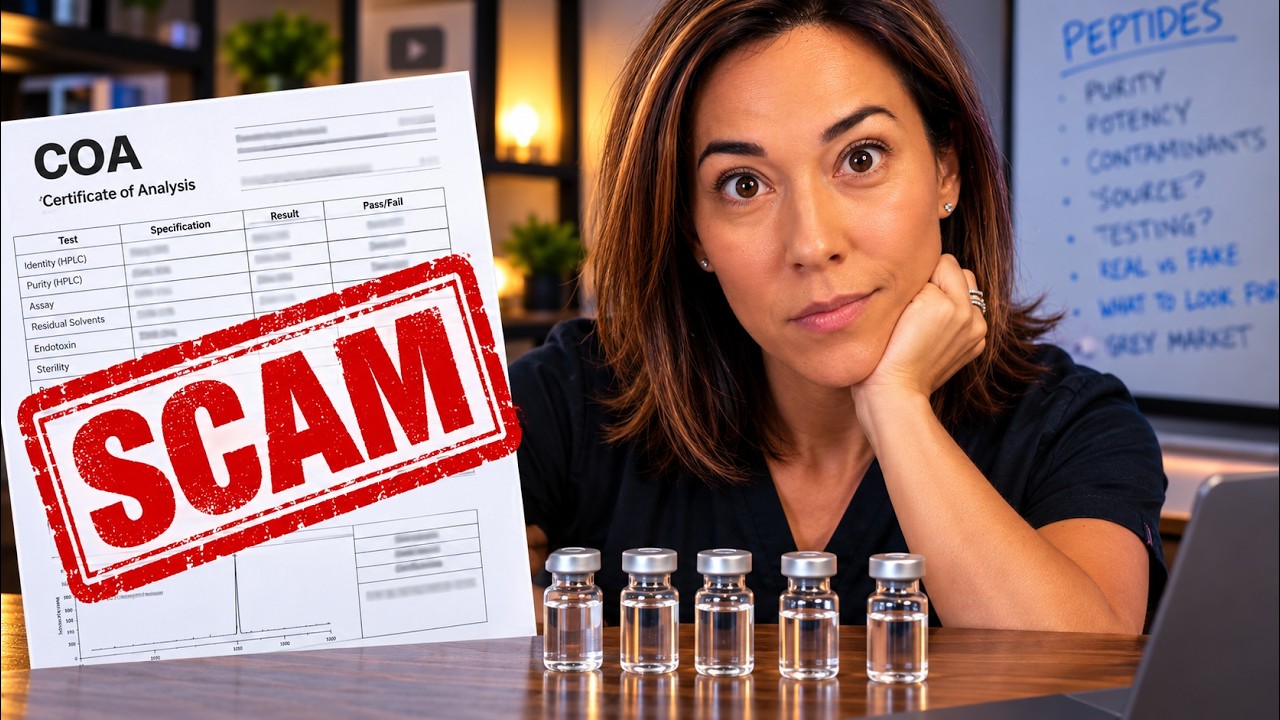
In this solo YouTube video, Dr. Ashley Frazee, a direct primary‑care physician, presents a curated list of ten additional peptides and related molecules that have captured her interest for their potential bio‑hacking applications. She begins with a brief personal introduction and a disclaimer that the content is not medical advice. For each peptide she outlines its chemical nature, primary mechanism of action, the physiological pathways it influences, and the research evidence (mostly animal studies, occasional human trials). She discusses the purported benefits—ranging from growth‑hormone stimulation, muscle hypertrophy, and weight loss to mitochondrial ATP production, cellular senescence clearance, cognitive enhancement, and sleep improvement—while consistently noting side‑effects, safety concerns, and the lack of FDA approval for many. The video concludes with a call to action to like, subscribe, and consult the description links for more information about her direct‑primary‑care practice. Throughout, Dr. Frazee balances enthusiasm for emerging peptide science with cautionary warnings about off‑label use.
Chapters
I'm a doctor with 6 years of practicing medicine outside of insurance, and honestly, a little outside the box. Because if I've learned anything, it's that people want more from their doctors. If you've seen any of my other videos, you know I've been nerding out about peptides and other biohackery things. And I made a video on 20 of the most powerful peptides according to me, but there's so many more. And so I thought, why not? Here's 10 more. Let's start with the most popular peptide on my list, Sermorelin, the OG of the growth hormone boosting peptides. Now, Sermorelin is made up of the first 29 amino acids of growth hormone-releasing hormone, which will make your pituitary release more growth hormone. There is a lot of research on sermorelin, and arguably the most popular reason that people do research on their own bodies with sermorelin is for increased muscle mass, strength gains, fat loss, and improved sleep, which are all benefits of increased growth hormone. Now, just a side note here, there are side effects to that, and there are side effects to Anything that I talk about on this video, and I'll do my best to warn people about serious side effects that could impair health. The biggest downside to using something that increases growth hormone is growth hormone doesn't discriminate. And so if you're going to increase your growth hormone by any means, know that it could grow any tissue, including cancer cells. And so you've been warned. This is a disclaimer. This is not medical advice. I am a doctor on YouTube. I'm not your doctor. But let's talk about another peptide that can also increase your growth hormone through a different way. I want to talk about hexarelin. Hexarelin is an analog of the hormone ghrelin, which makes you hungry but also stimulates growth hormone. And in animal studies, they've used hexarelin to show that it can improve muscle mass and keep muscles working better during aging and illnesses. And you'll hear about hexarelin in bodybuilder circles for that very reason. I mean, muscle mass and endurance— who doesn't want that? And speaking of muscle mass, there's another peptide in the bodybuilder world that's very popular for taking the brakes off of muscle growth. This one's called follistatin. There's more than one peptide analog version of follistatin. There's follistatin 344 and 315. Now basically, follistatin is a protein in our bodies that can inhibit something called myostatin. And myostatin is something that keeps its foot on the brakes of muscular growth. And when you mess with it like follistatin does, your muscles can get huge. Now remember, you have to be weightlifting to get this effect. Now, according to the research, using follistatin in mice led to increased muscle mass and less scar tissue and inflammation in muscle repair and recovery. So you can imagine why bodybuilders are drawn to this one. All right, let's shift gears from muscle mass to metabolism, because not every peptide is about muscle gains. I want to tell you about tesofensine. Tesofensine has the ability to boost serotonin, dopamine, and norepinephrine in the brain, which according to the research may help with feeling full and losing weight, feeling less depressed and more satisfied. It can even possibly help curb cravings for addictive substances like cocaine. What a combo! Never mix this with methylene blue. I have a video on 5 non-peptides that you can watch to understand why. And know that tesofensine does come with some side effects, which is why it's not FDA approved. It can increase your heart rate, cause dry mouth, insomnia, and headaches. Moving on to another weight loss peptide, cagrilintide. This is an analog of something called amylin. Amylin is a peptide that works with insulin to help make you feel full, slow gastric emptying, and manage blood sugar spikes. It's had some studies done on its potential for treatment in obesity and diabetes. Now basically the thought here is that if you are running into a plateau with something like semaglutide or tirzepatide or other diabetes treatments or weight loss treatments, cagrilintide can give you that extra nudge to get you over a plateau. None of this is proven yet, but very promising. In fact, there are some people out there mixing retatrutide with cagrilintide, making it Quadruple agonist hit, and there are results with that. Obesity is just gonna die someday. And don't try this at home. I'm just talking about what's happening in the world. This next one doesn't change how you eat. It changes how fat cells function. 5-Amino-1MQ. This actually isn't a peptide, and I'm sorry for that, but I had to leave it in because I wanted to talk about it. It gets mixed up in the peptide circles anyway, so for all intents and purposes, it belongs here. 5-Amino-1MQ is a molecule that blocks something called NNMT. Researchers think that blocking NNMT with something like 5-Amino-1MQ can literally shrink fat cells. In the research, mice lost 7% of their body weight in just 10 days on 5-Amino-1MQ. And there's more to it. Blocking NNMT can actually increase insulin sensitivity. And I'm a big proponent of the fact that insulin resistance causes about 90% of the world's problems today in health. And so I'm very interested in this. Okay, if you've made it this far, you're my kind of person. Let's nerd out on something awesome— mitochondria. Let's talk about SS31, a lamipretide. This is a very promising peptide that, according to research, it can supposedly increase ATP production in your mitochondria while reducing oxidative damage. There's amazing data on this peptide increasing ATP production in tissues like the heart, the kidneys, and muscles. A phase 2 trial in humans actually showed that it increased exercise endurance. I'm really into mitochondria, trust Trust me, I'll be making more videos on this. Moving on, let's talk about FOXO4 DRI. This is a peptide that's generally researched for its ability to increase cellular healthspan. Now theoretically, if you could increase your cellular healthspan, you won't live longer, but the years you do live longer will be spent in better health. And according to research, FOXO4 DRI helps the body to clear out old worn-out cells that should die, but they don't for some reason, like a cockroach. All right, the last 2 peptides I have for you are brain peptides. We'll start with dihexa. Tetrahexa is a peptide that some people take for its supposed nootropic effects, like increased mental clarity and focus. In animal studies, it's been shown to increase the growth of neuronal connections and improve things like memory and cognition in injured brains and even rodents with Alzheimer's disease. Cool, right? And finally, let's end this with something we all need more of, sleep. Especially if you're watching this in the middle of the night. I get it, I've been there. We're gonna end this with DSIP. Delta sleep-inducing peptide is a naturally occurring peptide that's been studied for its effects on promoting sleep, lowering stress hormones like cortisol, and influencing growth hormone during sleep. Human research is limited on this one, and we don't actually know if it works as well in humans as it does on animals. And honestly, if you talk to enough people who have tried it, there are really mixed results. You'll hear everything from best sleep ever to it kept me up all night. There you have it, 10 powerful peptides that have caught my attention. If you like this video, please hit like for me, subscribe to my channel, and I'll do my best to make more like this. I'm Dr. Ashley Frazee. I run a direct primary care clinic in Mesa, Arizona, where I don't bother with what insurance thinks about your healthcare. And sometimes that's just how it needs to be. If you want to know more, there are links in my description. You guys have a good day.