I Ranked Every Way to Lose Visceral Fat — Here's What Actually Works
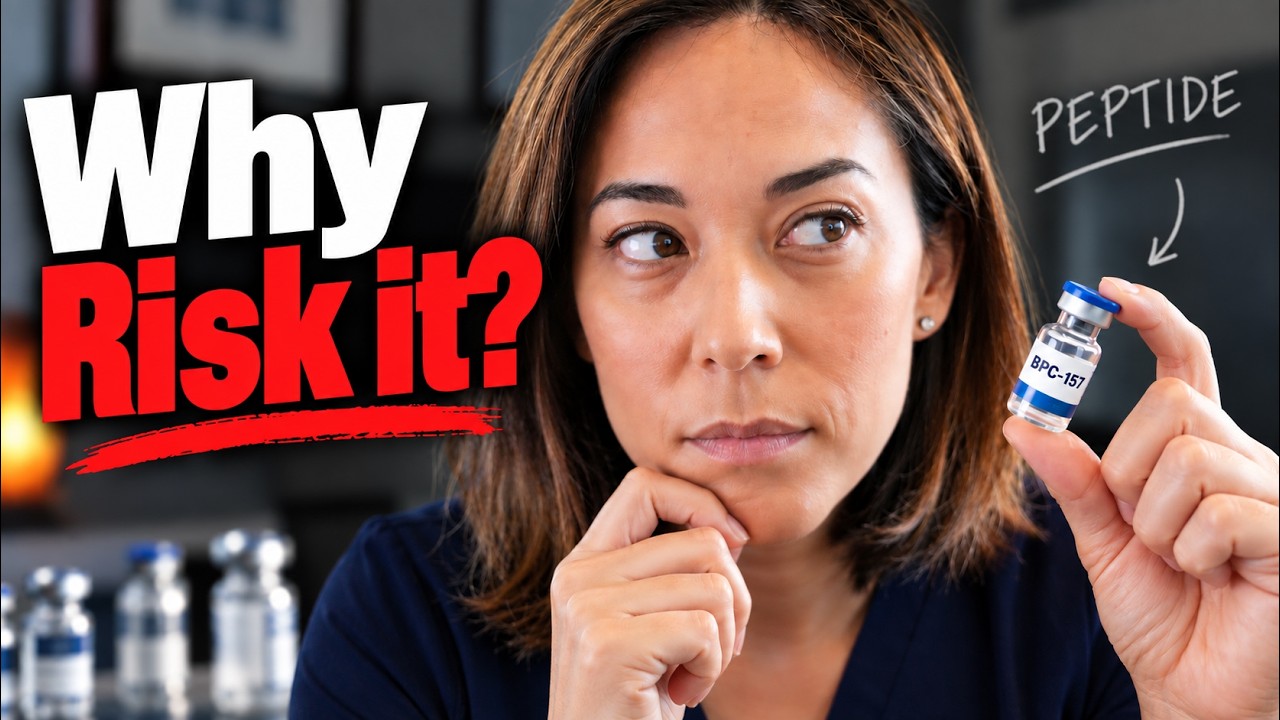
In this instructional video, Dr. Ashley Frazee explains the biology of visceral fat, emphasizing its role as a stress‑responsive energy store driven by cortisol and its harmful effects on hormones, inflammation, and insulin resistance. She outlines how to assess visceral fat using DEXA scans, the Hume Body Pod, and key blood markers (fasting glucose, insulin, A1C, hs‑CRP, sex hormones, DHEA, cortisol). Frazee then ranks interventions from least to most effective: vitamins and supplements (minimal impact), sleep and cortisol reduction (moderate), exercise (moderate‑intensity cardio and HIIT outperform weight training), calorie‑restricted dieting (effective but excessive restriction raises cortisol), and prescription medications. She details the visceral‑fat‑reduction data for metformin (3‑11% loss), SGLT2 inhibitors (10‑15% loss, plus liver‑fat loss), tesamorelin (15‑18% loss), and GLP‑1/GIP agonists—semaglutide (22‑28%), tirzepatide (35‑40%), retatrutide (40‑45% plus 70‑90% liver‑fat clearance). The mechanisms behind the drugs (AMPK activation, glucose excretion, growth‑hormone‑releasing hormone mimicry, insulin‑resistance reversal, inflammation reduction) are explained. Frazee concludes with a strategic framework: reduce stress‑cortisol signals, create an environment that promotes fat mobilization (exercise, diet, appropriate meds), and stay consistent. The video includes a brief sponsor segment for the Hume Body Pod, a home body‑composition tracker that approximates DEXA results.
Chapters
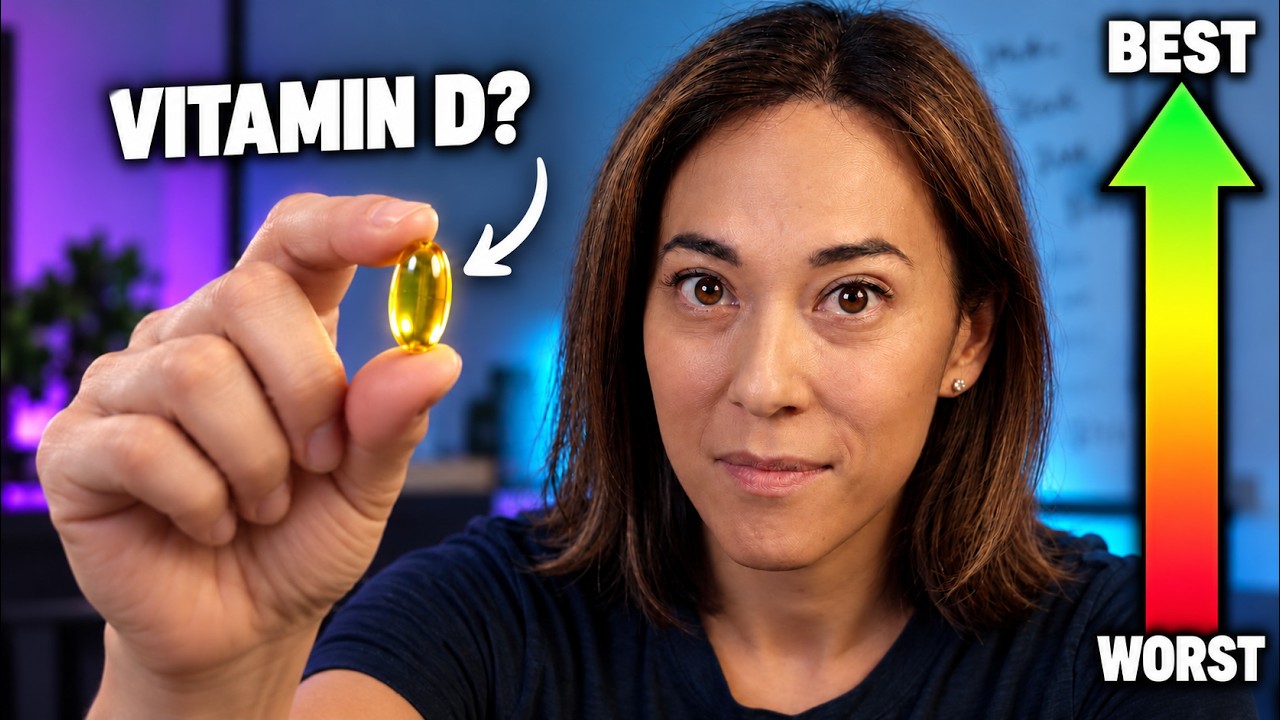
Visceral fat can kill you slowly. It's inflammatory, sticky, and it wraps itself around your vital organs. So everyone wants to lose it, but they're doing it wrong, or they're following the wrong advice. We don't understand that visceral fat responds to specific signals, and getting rid of it requires strategy around those signals. So I'm going to share that strategy with you today. I've ranked every major way there is that's been proven to burn visceral fat. All the way from supplements to exercise to prescription medications. And I'm going to give these to you from least effective to most. And by the end of this video, you will know what actually works. And listen, I am just a doctor on YouTube, but I'm not your doctor. And in no way is this video intended to be medical advice for you. I'm just sharing data here. Now quickly, before we rank the solutions, I want you to understand how you gain and store Visceral fat, because it's not just as simple as eating too much pie. Visceral fat accumulates and sits on your vital organs for a biological reason. It is a survival mechanism in response to stress. Believe it or not, visceral fat has more cortisol receptors than any other tissue in your body. So when you have a spike in cortisol and adrenaline, your body actively pulls fatty acids from your bloodstream, straight into your visceral fat. Why? Because it thinks it needs a supply of accessible stored energy really close to your vital organs for the next emergency. So if you have a lot of visceral fat, more than a pound, the problem occurs because your stress and cortisol spikes put it there. And if the stress sticks around for long enough, you can put on more and more visceral fat. Which ends up sabotaging your hormones by increasing an enzyme called aromatase, which converts testosterone to estrogen in men. It secretes inflammatory signals and it promotes insulin resistance. And for the ladies, this can spike unwanted testosterone, messing up hormones across the board, no matter if you're a man or a woman. And these are all pretty big deals. Now, if you want to know if you're stuck in this storage trap right now, It's not always straightforward. I recommend just measuring it, and you can do that easily with a DEXA scan. I used a DEXA scan to get my own measurement, and I also use a Hume Body Pod at home, who is today's video sponsor, but more on that later. You can get some clues from your blood work. If you want the really important markers and you don't want to get a whole comprehensive thing, I'd start with fasting glucose, fasting insulin, and A1C, and hs-CRP level, which is an inflammatory marker. sex hormones, DHEA, and cortisol. And just to give you a glimpse of what these tests can tell you, well, your fasting insulin can signal whether your fat breakdown is working well. Your hemoglobin A1C is also a marker of insulin resistance. hs-CRP is a measurement of inflammation that can be generated by too much visceral fat. DHEA and cortisol as a ratio can show whether your adrenal axis is signaling high stress over time. Now, based on this visceral fat and cortisol connection, you could suppose that just lowering chronic stress and cortisol helps to reduce visceral fat, and it does, but it's just a starting point. It sets the stage for the rest. So now let's start ranking interventions, going from the weakest interventions to the strongest, so you know what actually works. Starting with vitamins and supplements. I know you really want these to work, but sadly, these help the least. And I had to sift through a lot of trash here because there are lots of claims on supplements helping to reduce visceral fat. But when you actually look at the studies, we just don't have enough evidence to back them up. I kid you not, there's a study out there on giving people orange juice with vitamin D and calcium showing reductions in visceral fat. But just don't, because when I actually looked at the study, there were just way too many variables that weren't accounted for. And other supplements like chromium, vitamin A, vitamin K, CLA, fish oil, even green tea, they really don't have very good evidence showing that they can move fat meaningfully. Now there is some data to support a relationship between vitamin D3 supplementation and lower visceral fat in people with metabolic syndrome. You know, basically anyone who is overweight or insulin resistant. And the connection here, the with increasing vitamin D is possibly due to lowered blood sugar and improved insulin resistance. There's also some good data out there that vitamin D is anti-inflammatory, so that fits too. And also good data that shows that soluble fiber supplementation can reduce visceral fat over time, but not through any thermogenic or fat-burning mechanism here. It's more likely due to the fiber causing people to eat less and feel more full. So supplements are kind of disappointing here, but at least that should be easy to remember. So let's move on because we're about to go over the things that actually do help. Next up is sleep and cortisol reduction, and this shouldn't surprise you at all. We just went through how we gain visceral fat through cortisol exposure over time, so reducing it is important, but we can extend this even further to using sleep as a cortisol reducer. Because sleep deprivation spikes cortisol and ghrelin, a hunger hormone, while also lowering leptin, a hormone that helps us feel full from food. So increased cortisol and ghrelin and lowered leptin is a combination that not only stores visceral fat, but causes you to eat more without feeling satisfied. And this drives insulin resistance. And basically we know from research that there's a linear relationship between hours of sleep visceral fat, up to 7 to 8 hours of sleep consistently. This relationship is much stronger in men than it is in women, and we also know that sleeping beyond 8 hours doesn't show any additional benefit, just FYI. Moving on to exercise. So exercise trumps sleep, believe it or not. And even though I like to shout it from the rooftops that you need to be lifting weights, exercise via weight training has the lowest effect on visceral fat. And I'll never stop telling you to stop challenging your muscles, but today I'll step off of my soapbox because we haven't proven that it's superior to cardio for this video. And here's the type of cardio we know works well to reduce visceral fat: moderate-intensity continuous training at 3.5 to 5 METs, which is a fancy way to describe how hard your body is working compared to your baseline. The target is 45 minutes of this. 5 to 6 days a week, or 300 minutes total per week. Examples of this are things like walking at an incline, or brisk walking, or doing anything where you're walking but you can talk to your best friend. But the real winner in the world of exercise and visceral fat reduction is HIIT training, about 30 minutes, 5 days a week. And this is because high-intensity exercise triggers catecholamine or adrenaline surges that visceral fat cells have receptors for, unlocking it for energy use like it was biologically meant to do in emergency situations. So if you create the stress response and pair it appropriately with physical movement to match that stress, your body will prioritize burning the easily accessible fat around your organs during that time. Just know that there is a point of diminishing returns here, so So anything more than 300 minutes per week can backfire on you, causing more inflammation and gumming up the signals that you're trying to create. Speaking from personal experience here. Next up is diet and eating less calories. Your abs really are made in the kitchen. According to research, eating less, about 500 calories over at least 12 weeks, produces a larger reduction in visceral fat than exercise alone. Just know that dieting too hard can also backfire on you. For example, doubling the calorie cut to 1,000 calories instead of 500 doesn't double the fat loss. In fact, it raises cortisol from the stress of it. So beware. I know many people who don't eat enough and wonder why nothing happens. Ready for the things that reduce visceral fat the most? It's medications. But first, I need to tell you more about the Hume Body Pod because they're sponsoring this video today. The Hume Body Pod is my favorite tool for tracking my body composition for about the past 6 months. I like it because I literally did a DEXA scan and then tried a handful of home trackers, and the Hume Body Pod actually came out closest to my actual DEXA results. It literally had the same fat and muscle mass that my DEXA did. So I was really impressed, and I teamed up with Hume to show you how it works. The Hume Body Pod tracks not only your weight, but your muscle mass, your fat mass, your fat percentage, And it even gives you a visceral fat index. So if you're serious about tracking visceral fat, this is a good way to do it at home. Click the link on my description to get 20% off of the Hume Body Pod 2.0, and you can even use an HSA or an FSA for it. Now remember, we're still moving up a ladder here, so I'm starting with the least effective to the most. But the first one on this list actually surprised me, even though I'm a doctor and I should know everything, right? I'm kidding. It's metformin. When studied on people who are insulin resistant, like those who are pre-diabetic and women with PCOS, 1,500 to 2,000 milligrams of metformin per day reduced their visceral fat by 8 to 11.5%. Now, in non-diabetic and non-insulin-resistant overweight or obese people, the effect was noticeably less, typically averaging 3 to 6%. 6% visceral fat loss, but still meaningful. And it's pretty cool how it works. Metformin lowers fasting insulin levels and activates AMPK in the liver. AMPK is like your energy sensor. When you have low energy stores, AMPK gets activated to start mobilizing fatty acids, amongst other really amazing things. Next up is another diabetes drug. Sodium-glucose cotransporter 2 inhibitors, or SGLT2 inhibitors, such as empagliflozin, dapagliflozin, and canagliflozin. These were actually my go-to drugs for diabetes before Ozempic came out. These drugs achieve a 10 to 15% reduction in visceral fat and a massive 20 to 40% reduction in liver fat. They force the kidneys to filter and get rid of 60 to 90 grams of glucose or sugar in your blood per day, essentially causing you to pee out 300 calories worth of sugar. Now, don't go rushing out and asking your doctor for these unless you have diabetes, which is something they're approved for. And just FYI, peeing out a lot of sugar also puts you at risk for crazy yeast infections. This next one is a hot topic, especially in my world. The peptide tesamorelin, arguably the single most selective agent for visceral fat reduction ever studied. When you average the clinical studies on tesamorelin, it showed reductions in visceral fat of 15 to 18%. Now, most of this data comes from trials on people with HIV-associated lipodystrophy, which is what the drug is FDA approved for. But we do also have some trials with tesamorelin on people who did not have HIV, and they Still lost visceral fat. And it does this by selectively mobilizing visceral fat because the tissue itself has receptors for the hormone that the drug mimics, growth hormone-releasing hormone. It's very cool. But now moving on to the big hitters, the stars of the show today, the GLP-1 agonists. These represent the highest visceral fat reductions ever recorded in medicine. In the data for semaglutide, we saw 22 to 28% visceral fat loss. Wow. Terzepatide, the dual GLP-1/GIP agonist, we saw 35 to 40% visceral fat loss. And now with retatrutide coming out, the king of fat loss peptides, the drug on the horizon, clinical data is showing an estimated 40 to 45% visceral fat loss alongside an incredible 70 to 90% clearance of liver fat, all driven by adding glucagon receptor agonism to the mix. Which turns up your metabolic furnace, even in a calorie deficit. Why do these GLP-1 agonists target visceral fat so much more aggressively than everything else? There are 3 biological reasons. Visceral fat wants to be mobilized, as long as you get chronic cortisol elevation out of the way. When GLP-1 and GIP agonists induce a sustained, effortless calorie deficit, your body naturally mobilizes visceral fat first. And just as a side note, I know I've said that cortisol prompts visceral fat burning with the exercise portion of this video, but it has to be temporary and also paired with physical activity. Otherwise, chronically elevated cortisol causes receptors to get tired of it and they turn off their response, which normally helps keep inflammation at bay. So if you chronically elevate cortisol and don't exercise enough, inflammation has no guardrails on it and it uses your body like a playground. I have entire videos on this if you want to know more. The second way GLP-1s target visceral fat is by reversal of insulin resistance. Insulin resistance puts a continuous do not burn sign on your visceral fat cells, but these drugs reset how your body handles sugar, which drops your baseline insulin. So the don't burn sign turns off, freeing visceral fat to be mobilized. And the third way GLP-1s burn visceral fat is by shutdown of systemic inflammation. So when we have too much visceral fat, it outgrows its own blood supply very quickly, causing it to become hypoxic or starved of oxygen and therefore inflammatory. So losing visceral fat can lower inflammation, and lowering inflammation can also further lowering insulin resistance. Okay, so here's the strategic takeaway we get from all of this. I made this up, but this is biological manifestations. See, this is how manifestation works. People who tend to manifest their dreams create the circumstances necessary for the thing that they want to happen. They focus on doing the things that could get them what they want, and eventually they get it. We can lose visceral fat by doing the same thing, which translates to this: create the right environment. Reduce the signals that promote the fat storage. You have to find ways to reduce or manage your stress and cortisol elevation. And then create the conditions that mobilize the fat. The right exercise, the right diet or calorie restriction, maybe some strategic medications if your doctor thinks it's a good plan. Focus only on these things for a period of time. Be relentless, and you're bound to move the needle. I hope so, at least. And I hope this video was helpful for you. If you want to understand the cortisol-visceral fat connection on a deeper level, Watch this video next. Or if you want a fascinating deep dive on Tessa Moreland, watch this one. I'm Dr. Ashley Frazee. I'm just a doctor who really likes to understand things. If you like this video, please hit like for me and subscribe to my channel. And I hope you have the best day.