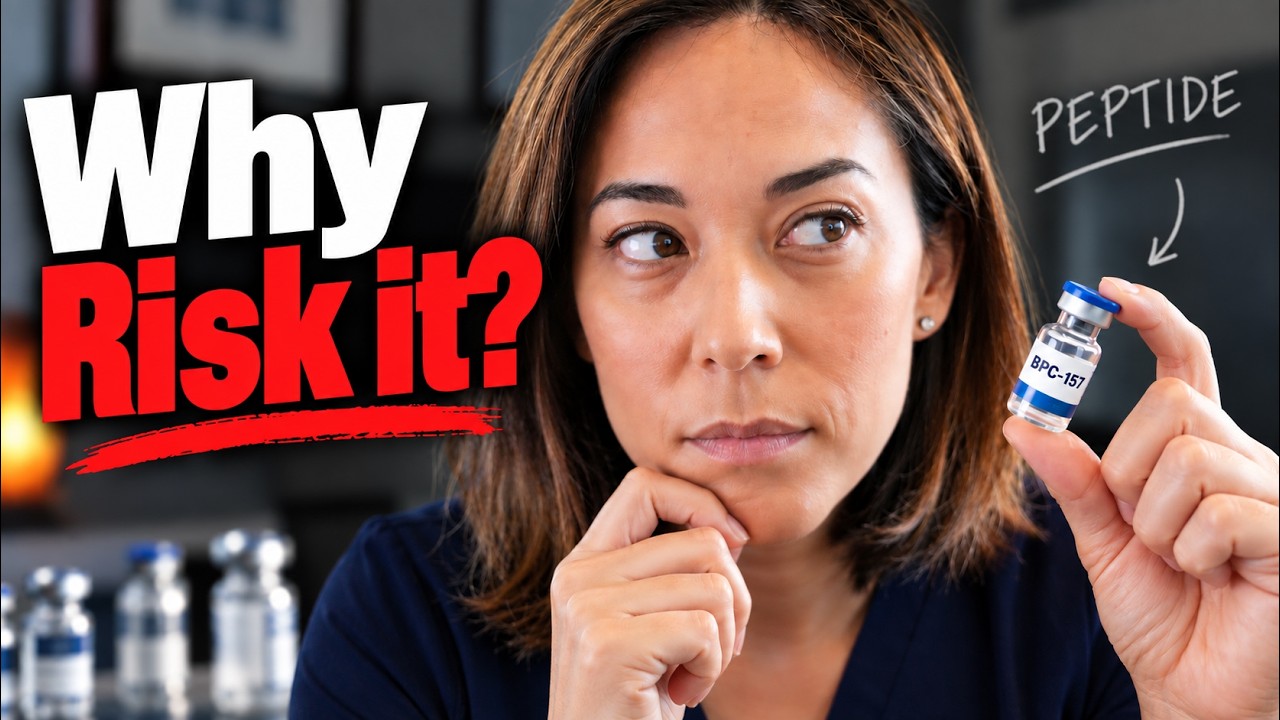
In this segment, the presenter explains AOD‑9604, a synthetic fragment of human growth hormone marketed as an anti‑obesity peptide. They describe the theoretical basis: the fragment should mimic growth hormone’s fat‑mobilizing effects during fasting without the hormone’s side‑effects. The speaker highlights animal studies where mice and rats lost body fat without increased insulin resistance or blood‑sugar spikes, generating significant hype. However, attempts to reproduce these results in humans have failed, likely due to species‑specific biology. The presenter warns that even if the peptide worked in people, it would release large amounts of free fatty acids into the bloodstream, which could be harmful unless the individual engages in exercise to oxidize the mobilized fat. The overall stance is skeptical, emphasizing that any potential benefit would require mandatory exercise and that current human data do not support the hype.