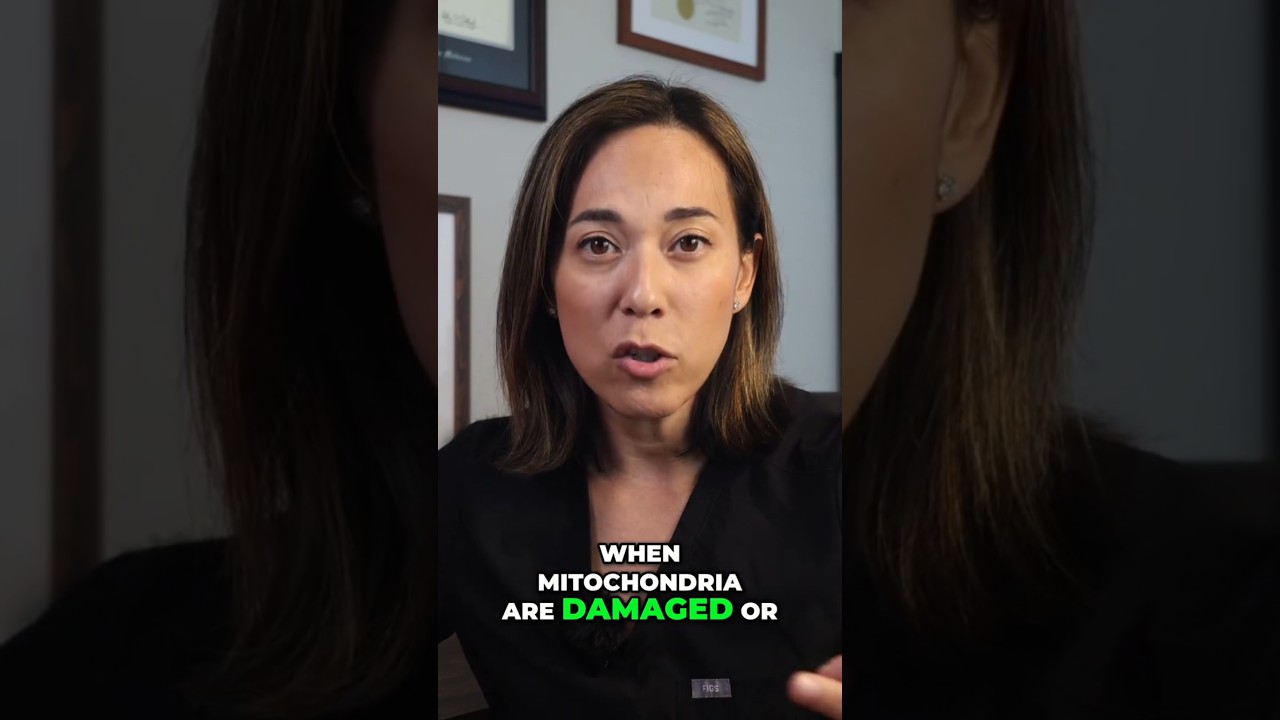
In this explanatory monologue, the speaker likens inflammation to a building fire and mitochondrial dysfunction to a power outage, emphasizing that damaged mitochondria impair ATP production and manifest as brain fog, fatigue, slow recovery, and poor sleep. The talk introduces two peptides of interest. First, SS31 (elamipretide), an FDA‑approved treatment for a specific mitochondrial disease, is described as a cardiolipin‑binding molecule that stabilizes the inner mitochondrial membrane, preserving its structural integrity and thus supporting efficient energy production. Second, MOTS‑c is presented as a mitochondrial‑derived signaling peptide encoded by mtDNA that communicates metabolic status to the rest of the body. Animal studies show MOTS‑c activates AMPK, enhances glucose utilization, lowers insulin resistance, shifts cellular metabolism toward fatty‑acid oxidation, and dampens inflammatory signaling. Overall, the speaker highlights how these peptides may counteract mitochondrial dysfunction and its systemic consequences.