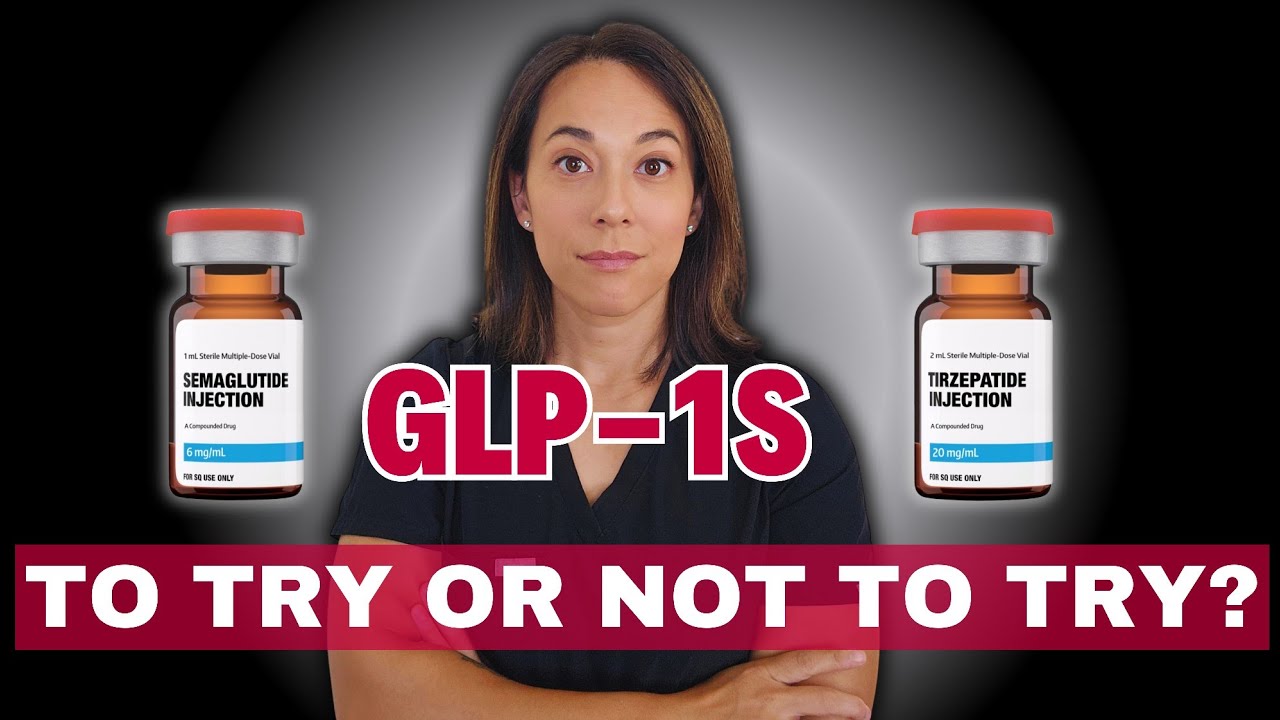
In this solo, lecture‑style video Dr. Ashley Frazee, a primary‑care physician, demystifies GLP‑1 receptor agonists—specifically semaglutide and tirzepatide—by sharing compelling patient anecdotes, explaining the underlying physiology of insulin resistance, and outlining who can benefit from these drugs. She balances enthusiasm for the dramatic weight‑loss and metabolic improvements she’s observed (e.g., patients losing 80–150 lb, A1C reductions from 13.8 % to 5.8 %) with a clear discussion of contraindications (medullary thyroid carcinoma, MEN‑2, pregnancy, pancreatitis, gastroparesis, gallstones, kidney disease) and common side effects (nausea, constipation, reflux). Practical advice covers low‑starting doses, slow titration, the 4‑8‑week “settling‑in” period, and special considerations such as tirzepatide’s impact on oral contraceptive absorption. Dr. Frazee emphasizes that GLP‑1s are a tool—not a magic fix—requiring lifestyle changes, realistic financial planning, and personalized medical supervision. The video concludes with a call to action for viewers to discuss options with their doctors and engage with her channel.
Chapters
If you're tired of feeling stuck, whether it's with your weight, your health, or just a constant battle with food, you've probably heard all the buzz about the GLP-1s, the semaglutide, the tirzepatide, and you've probably wondered if it would work for you. But maybe you've seen all the scary articles and headlines and videos about it that highlight side effects or unknowns. But I'm a primary care doctor and I've treated literally hundreds of people with semaglutide and tirzepatide, and I have stories that would blow you away. Like Anita, who weighed 300 pounds when I met her and now has lost 150 pounds. Maria on tirzepatide lost 80 pounds and says that she no longer constantly obsesses about food. Or Wayne, who started semaglutide when he had an A1C of 13.8%, and I just diagnosed him with diabetes. Fast forward 6 months later, and his A1C is down to 5.8%. I could go on and on and on with life-changing stories like that. And so when you see clickbaity articles or videos on the 10 side effects of semaglutide that you didn't know about, or we don't know the long-term effects of these medications yet, you know, I agree, there are risks. To these medications, but there's risks to every medication. But the last thing I want is for you to be fooled. You deserve to know the real-world pros and cons if you're thinking about taking one of these medications, and from someone who's witnessed a lot of good come out of them. And yeah, some bad too. Just don't believe every scare tactic that you see. Listen, if you are so miserable or just dealing with being unhealthy because of a weight problem or some other problem that these GLPs can help with, there are far too many possible pros of not having to deal with those things anymore than the unknown side effects that 5 years from now we still haven't discovered. Honestly, GLPs were made in the 1980s. It's been a long time, and we've been prescribing them to people who are diabetic. And the reason it works for diabetes is because it can reverse insulin resistance. And after treating so many people with GLP-1s and studying insulin more and more, I'm convinced more than ever that insulin resistance is the root of almost every major health problem we have. And if that sounds like an exaggeration, it's not. Give me 10 seconds to explain why. Insulin is a critical signaling hormone that is supposed to tell the liver to stop making extra blood sugar when we've eaten. And if you chronically overeat or have any chronic inflammatory disease or issue, insulin doesn't work right. The signal stops working and your blood sugar stays elevated when it's not supposed to, yet your brain and your body feel like it's not, and you're stuck in this cycle of maybe not even eating that much, but you're still unable to lose weight. Sound familiar? And this just sets off a domino effect in the body. Inflammation and being overweight can lead to all kinds of health consequences. I don't even have to list them out for you. And please don't mistake me for fat shaming. I have no intention of telling you that you're not a beautiful person. That's not the purpose of this talk. It's just that when I see someone struggling with weight or fatigue or diabetes or prediabetes or even hormone issues, it's not just about the scale. It's about stopping the chain of problems that eventually lead to disease. That's my job. So if you need to reverse any of those problems, obesity or being overweight included, let's do the thing that I've seen work better than any other weight loss drug or program out there, period. You just need to have a conversation with your doctor, and it needs to be personal and personalized. Because every one of you is different. I can't stress that enough. All right, let's get practical and wrap this up with who should and should not be taking the GLP-1s. Who are the GLP-1s for? GLP-1s are for you if you have meaningful weight to lose, you have health risks like prediabetes, diabetes, fatty liver, or maybe if you could lose some weight, you might not have high blood pressure or sleep apnea. If you have strong food noise or that constant thinking about food all the time, or maybe you're somebody who struggles with binge eating and dieting and therapy just aren't working enough. If you're somebody who's willing to start your weight loss journey with Simple things like walking, lifting weights, eating more protein and less sugar, and let's not forget good sleep. Oh, and also a realistic plan for paying for it because insurance doesn't always cover it. And who shouldn't be taking the GLP-1s? Skip or delay taking a GLP-1 if you have personal or family history of medullary thyroid carcinoma. And no, that's not just any thyroid cancer. It's about 1 to 2% of all thyroid cancers. It's kind of rare. Or if you or a family member has multiple endocrine neoplasia type 2, which is also very rare. If you're pregnant, you can't be on If you're trying to get pregnant soon, it might not be for you. Or if you're breastfeeding, it's definitely not for you. If you've had pancreatitis in the past, talk to your doctor about that. And if you have something called gastroparesis where your stomach doesn't really work that well or it's very slow, or if you're somebody who struggles with nausea, constipation, or reflux, those are the most common side effects of the GLP-1s. So you're going to want to think about that before diving in. And heads up, if you use medication for diabetes already, if you start a GLP-1, you're basically adding on another medication and your blood sugar will lower. If you're a woman and you decide to start taking tirzepatide, You use birth control pills, you're going to want a backup method of contraception for 1 week if you start it and anytime you increase the dose. And that's because tirzepatide slows the gut down so much that absorption of your birth control pills can be lowered. And also, if you have gallstones or kidney issues, you're going to want to talk it out with your doctor if you can start the GLP-1s. And that's it. But I will say a couple of things that I've seen people miss out on when they start semaglutide or tirzepatide through like a med spa or somebody who doesn't do quite a thorough consultation. And that's always start at a very low dose and increase the dose very slowly. Most side effects happen when people increase the dose too high or too fast. Expect the first 4 to 8 weeks on this medication to be a settling-in phase, not your personal best weight loss month. I can't stress this enough, guys. I've seen people end up in the ER for increasing their dose too fast or not listening to my advice. If you're taking one of these medications and casually throwing up 2 or 3 times a day, not okay, guys. Tell your doctor about that. There's usually ways to get around that. And it's just as simple as that. If you've got weight to lose or some health risks, You're ready to change, and you've got a safe plan and support, you can consider using a GLP-1. Now, if you're hoping for a quick fix and no habit changes, you might be disappointed. I've seen that too. And hey, I've seen the injections simply not work for everybody. I'd say about 80% of the people I've put on these medications have had a lot of success, but there are 10 to 20% of people that they just don't work for. Sometimes the side effects are just too much. But the GLPs aren't hype, and it's okay to fear the unknown. But I think the track record of these medications is proving itself. It's about you, your health. And whether this tool makes sense in your story. So if you're considering it, have the conversation with your doctor. And if this video helped clear things up, I've done my job. If you liked it, hit the like button for me, subscribe to my channel. I'll keep making videos that you want to watch. Drop a comment if you have any questions about the GLP-1s. I'm Dr. Ashley Frazee. I run a direct primary care clinic in Mesa, Arizona. You guys have a good day.