PureTalk 2017 03 01 Ep6

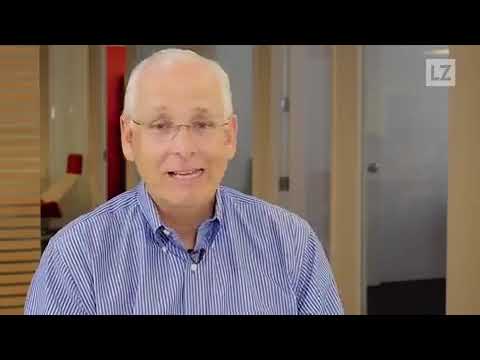
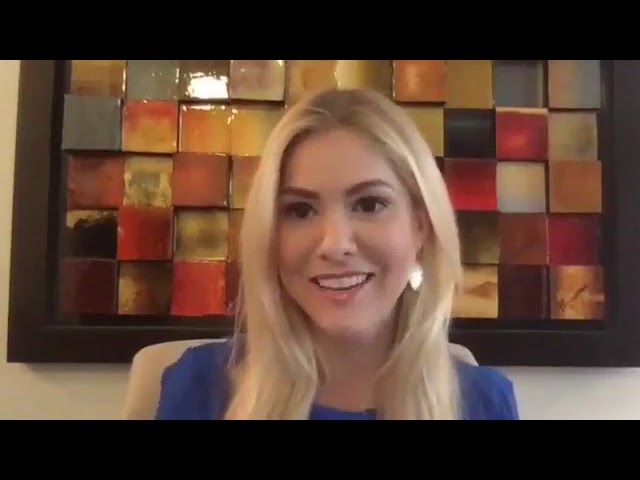
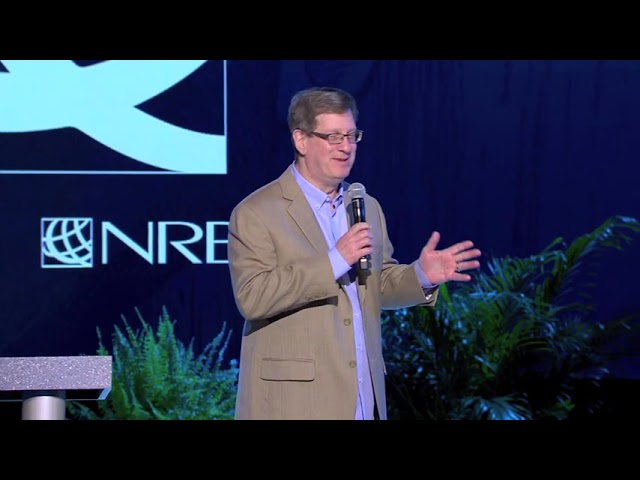
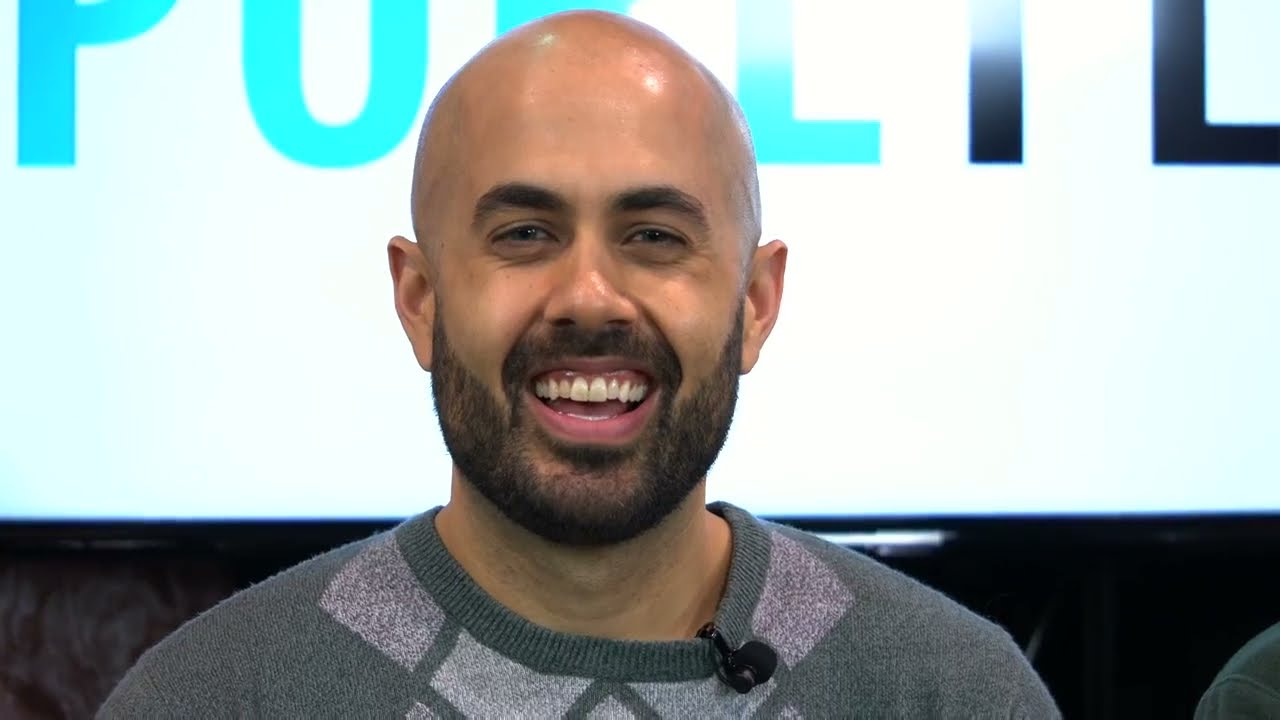
Greg Gudorf, Ruth Malhotra, Lauren Green McAfee, and Billy Holliwell discuss faith and culture in America. They argue that media, education, and family shape public morality, and that Christians should engage in cultural institutions rather than retreat. The Museum of the Bible in Washington, D.C. is highlighted as an example of this outreach.
Chapters
Hey there, I'm Raj Nair and welcome to Pure Talk, the new innovative talk show brought to you by Faithwire and PureFlix.com. Now today we're talking about faith and culture and we have an amazing panel for you. Let's go down the line. Mr. Greg Gudorf, the CEO of PureFlix.com. I think he knows a couple things about culture. Miss Ruth Malhotra, an all-around legend, PR expert. Miss Lauren Green McAfee, corporate ambassador to Hobby Lobby. And then this guy, Mr. Billy Holliwell, author of Fault Line, an all-around genius. Let's I'm gonna start off with you.
You're really selling this.
This is your book. Let's talk about, we're talking about culture, and you've written 2 books now.
Yeah, yeah, and this one's about the lack of ideological diversity, right? In the media, in universities, in Hollywood, and how collectively that really shapes our culture. And we've seen that with millennials and everybody. I mean, across the board, opinions, perspectives on almost every issue have shifted, particularly in the last 10 years. And so the book sort of covers that, breaks it down, explains why that's happening, and sort of gives a challenge to Christians. So I think it's— look, to me, this is an incredibly important issue that we need to be talking about, right? How are we going to fix this? And so one of the key areas is universities, right? Colleges. And, you know, in this book, I have a chapter on that. And I sort of say, like, how ironic is it that in a college, the one place where we should be learning and experiencing different perspectives, it seems to be the worst offender of cutting other perspectives out, right? And you have— you've experienced this yourself, have you not?
Yeah, absolutely. I was a student at Georgia Tech, you know, many— it's been quite a few years now. I entered college in 2002, and really from the first day I stepped on campus— again, we're in the South, you know, a school with a strong military background, conservative reputation— from the first day I stepped on campus, I noticed it was not a level playing field. On one hand, the university and the administrators, the professors were telling you what to think, not teaching you how to think. And at the same time, they were censoring and stifling any viewpoints not in line with their agenda. And so I think, you know, we sadly, speech codes and speech zones, safe space policies, you know, those are prevalent on the majority of public campuses still to this day. And, you know, 10, 12, 14 years later, we're seeing some of the outworkings of that. And it's just the opposition is becoming more and more extreme anytime their thought monopoly is threatened.
Why do you guys think, I mean I have my own theory, but why is that happening in a place where it should not? I mean this is again exactly the place where that should not be happening. We should be sharing ideas.
Yeah, you know, I remember being a freshman or a sophomore at Georgia Tech and I got in trouble for asking too many questions. The Dean of the Liberal Arts School called me in his office. How dare you? And he said, "Ruth, you know, you're asking too many questions. You're here to listen and learn." And I said, "Sir, this is indoctrination, not education." And he said, he looked at me and he said, "Ruth, students have been indoctrinated." They've been indoctrinated for the first 18 years of their lives by their parents and by their churches, and we only have 4 years to undo the damage.
Wow.
And I thought that was so blatant of him to admit, but sadly it's very revealing of the mindset of the people who are in charge in academia. And I think even today, that's what's driving the censorship. It's driving the unconstitutional speech code policies, and it's driving even the rioters. What we see, you know, places like Berkeley, which was once a birthplace of the free speech movement, the college movement, now have people rioting because they can't stand to hear something that they don't agree with. I think it's all related and it's, it's very troubling trends that affect not just higher education but all of society.
And how do we get involved, I guess, to try to change this? Because it's a big undertaking. You're basically trying to help educate people and say to them, "No, no, no, you need to be more open-minded," and that's a hard thing to convince people of, right? So how do we Like, what do you guys think? How do we do that?
You know, one of the things on PureFlix.com we strive to do is bring content to the home that's faith and family friendly. And the basic premise is that, you know, you put the good stuff in, you get the good stuff out. Bad in, bad out. And in Hollywood and the power of media, which we have to recognize— video, talk shows, media, books, right? They put forth ideas, and we have to not only as Christians but as individuals, thinking individuals, right? Learn how to filter what comes in and decide what we want to bring into our lives. And that's one way we're doing it at PureFlix.com. We're trying to focus on bringing that good programming into the home, make it much easier to get that media injection, if you will.
Do you find that the mainstream Hollywood culture tries to push PureFlix and family-oriented films and faith-oriented films to the side? Is there like a— kind of like in education, there's kind of a monopoly. Is that the way you find in Hollywood?
Well, you know, it's interesting. And Billy, you know the history of on the Hollywood side. There was a time in Hollywood when anything that came out of Hollywood from 5 years old to 95 years old, it was good, right? You could go regardless of age. And in fact, the churches were quite involved in Hollywood during that period of time. Late '50s and '60s, they started to pull out, and then Hollywood changed. Not better or worse. It's obviously a business, and it's responding to a need from a consumer. But it really changed the type of content that was being produced. And so now you see, as we're at this trade show, the NRB trade show, you see content creators trying to bring forth their positive messages in a very different way.
So do you think at the fundamental basis it's the education system, culture in Hollywood? Where is this bubbling from?
I think, well, unless you're— okay, if you're not going to church, let's start there. And you don't have a strong family, you are literally being educated by universities and/or education, let's say public schools, the media, and Hollywood. That is where your education is coming from. And culturally, we know how each of those is faring right now. So when you combine that, and then you look at polling data, and you're like, okay, well, we see people are becoming much more acceptable of having babies, you know, outside of marriage, of having sex before marriage, of getting divorced. I mean, the support for divorce is bizarre. Calling divorce morally acceptable is over 70% of the country at this point. That is a huge shift from just a few years ago because that's all we're seeing. It's coming from all of those areas. Those are educational veins. Those are the 3 main ones, and I think that they are very literally shaping our culture.
So is there anything positive at the end of this book, Billy?
Yes, of course. Yeah, that's the thing. Like, the last thing you want to do is write a book and leave people feeling miserable and like they have no hope. So at the end of this book, there's sort of a challenge to Christians saying, look, you've all retreated. We've all retreated, and now we need to be involved. Pureflix has a presence. We need to be involved on campuses becoming professors. We need to become producers, directors. Not everybody can do those things, but we need to try.
Billy, one of the things I want to pick up on, you said it well, I think, it's media, it's universities, it's also business. And you mentioned the, the power of the family in that mix. Lauren, I know from your story previously, the power of the family and the willingness of a family to take a stand Even when it hurts, perhaps.
Yeah, it's not easy, you know, to at times stand for your faith, and like my family was called to. But I think that it's so important to be willing to put your faith into everything that you do. And I think that it's important for Christians to want to do things with excellence. You know, whether it is, you know, doing films or being in culture and media, to do it with excellence and really put forth our best work. You know, my grandpa who founded Hobby Lobby has his Christian values at the forefront of everything that he does in business, but he wants to be a good businessman and honor the Lord in the way that he works. And he's got a book coming out April 25th called Giving It All Away, and he kind of talks about that, of how his faith has impacted the work that he does in business. And I think that we have to continue to live out that example of not retreating from any area but really diving in and being excellent in our work in whatever area of life that is. So my grandpa talks about that a lot in his book.
Yep, we are, we are called to reach out. We're called to serve all.
And her family's bringing us a Bible museum. We should talk about that.
Yeah, Museum of the Bible opening in Washington, D.C., November 2017. So just this coming November. It's a world-class museum. It's an 8-story building, 430,000 square feet of a museum dedicated to the Bible. Hoping to bring it back to the cultural conversation. It's done with excellence. It's going to be one of the most technologically advanced museums in the world. And why wouldn't we do that? Something so incredible and excellent for the Bible. This is a book that's changed our world. And again, hopefully we'll be engaging with culture, people from all different backgrounds and all different, even faiths, coming to be invited into having a conversation and engaging in the Bible. And I think that's so significant.
And I think there's so much, you know, we see so much division in our country and really people at polar opposites on any given issue, whether we're talking about social issues or, you know, the immigration and refugee crisis. I mean, I think sometimes the volume is so loud, and as Christians, as people of faith, we have a real opportunity to model what it looks like to engage in a manner that's winsome, in a way that's compassionate, where we're answering the questioner, not just the questions being asked. And I think that'll set an example. We don't compromise our convictions, you know, we take We go directly into the fight, whether it's in the court system, in the universities, in the court of public opinion, or the media. And I think we do that in a way that, that's an inspiration and that engages the other side and gets them to maybe look at it from a different perspective rather than buying into the stereotypes that they've been fed all along.
Engaging all so you can really have a conversation.
Exactly. And expanding the marketplace of ideas, saying, you know, we believe that The truth will win out in the end. We don't have to be threatened by the other side. We can engage. We can participate. Go into these arenas in Hollywood. I love that, you know, people aren't afraid to engage firsthand, even in environments where they might be the minority, intellectual minority. But that's what we have to do if we hope to have long-term change in the culture.
That's how you do it. Bible museums. That's how you do it the right way. You do it through engagement and all this. I think this is how We can't keep retreating because retreating is sort of opening the floodgates further to what we've seen. And look, if you're a Christian, you believe people's souls are literally at stake, so how are you not engaging?
So— Absolutely.
There we go, we solved the world's problems. There you go, right?
That's a great discussion. When does the Museum of the Bible open?
Museum of the Bible opens November 2017, so November 17th in Washington, D.C. Just incredible. A few blocks off. MuseumoftheBible.org.
Awesome.
I will be there. I cannot wait.
Amazing conversation, guys. Thank you so much. And that wraps up this episode of Pure Talk. Go to faithwire.com and pureflix.com for more entertainment and news.