Group Coaching Secrets Revealed (Interview with Gemma Gilbert)
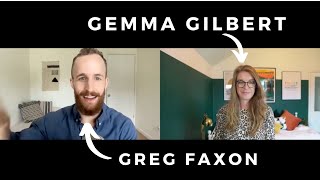
Gemma Gilbert walks through scaling from one-on-one coaching to group programs, explaining when to use memberships versus cohorts versus rolling-enrollment groups. She covers sales tactics, curriculum design, and why groups work: shared momentum, lower per-person cost, and real psychological shifts from community.
Chapters
I really wanted to have Gemma on because I see her as the go to person right now for how do you scale your coaching consulting service based business beyond one on one using a group program model? And specifically I think Evergreen is something that you focus on often instead of launching, although you've done both. So I see her as the go to person for that. And you know, in my building my business, I've experimented with groups, run lots of different types of groups and it seems like Gemma's really cracked the code and figured a lot out. So I'm excited to pick her brain and share that with everyone watching. So thank you Gemma for making the time.
Thanks for having me excited.
Yeah. So I did send you sort of a list of questions and we can use that as a rough outline. But I'm curious to hear from you a description of how you made your way to group coaching as one of the main models in your business and sort of what you tried and how you settled on that model for yourself.
Yeah, and I took a path that I wouldn't really recommend a lot of people take that. I mean you actually warned me about really early on. So I went from one on one to a membership, a low end membership. And I think I've always been drawn to group. I used to be a teacher, like I like facilitating groups, I do well in that kind of group dynamic and you know, getting to lead a group, I guess it's where you sometimes step a little bit away from coaching, you know, in its purest form and you get to teach, bring that kind of energy and motivate people in that way. I was really drawn to that side of like, how can you help a group be productive and learn together? And that that took me towards the membership route I guess because early days I was serving a lot of people that weren't ready for one on one coaching. And I had this following of like true fans that I just thought, I bet if I put in like a low end container, loads of people jump in and they did super easily. I had like 50 people jump in when I started my membership. But like over the years of running a membership, which you said to me really early on, there are just so many moving pieces. You work so hard for each client on, you know, they're so often low end and there's just the constant client attraction churn serving like it's such a complicated model. So. So not soon after that I went straight into group coaching and I just reached out to like five past nos clients that had just said no based on Cost that I knew wanted to work with me and said, do you want to jump in a group container? It was super unstructured, super undefined. Like shouldn't have been easy to sell because it didn't even have a clear result. But I guess that's easy to sell when you've got true fans. And they all jumped into a six month unstructured container. And that was my first kind of adventure into that. And I just couldn't believe how easy it was to then serve five clients. It was just a small group, five clients for one hour a week. And it just transformed their businesses in this six months. And I just thought this, this is way better than one on one.
Yeah, I love that. And you know, I remember being there for that journey. It seems like now what you often recommend when it comes to memberships, because I think this is changing a little bit. Memberships had a phase where they were very in vogue to the point where I was reaching out to you and I'm like, I'm considering it, should I do it? I ended up not doing it and just trying to stay in my lane and stay focused on what's been working. But I'm curious who you recommend memberships to now, knowing what you know and who you recommend a group program. Now if someone's sort of thinking, I know there's these different models to scale. Where would you point people depending on their situation.
Yeah. So I would recommend a membership for someone that has an established audience of like 5 to 10,000 people and they really want to create like their life, work into something like. But I think the most successful memberships are very, very niched. So say you have a membership that like I was in one and they gave you a set of social media templates every month. Super useful. Like if you were into that kind of stuff, like you waited for these to land. Whereas where I see a lot of people do is they kind of create like this watered down version of their one on one program. And people don't really get results because they're not really paying enough to show up. So I think definitely like more established. And you're really looking to have the membership model be your core model. Because what I see a lot of people go wrong is they think I'll just create this little passive income stream on the side and I'll just serve people. It'd be really easy to get them in. But because memberships often don't have a defined result, by definition they're like a subscription service. Like there's no result from Netflix, you just watch the TV shows you want until you don't want to watch them anymore. So I find they're actually way harder to sell and that there's actually like a way bigger commitment people are making when they join a membership because in their mind they're like, you're going to be taking this money from me every single month. So I found it way easier to sell like a 3 to 5k program. Then I did like a 50 pound a month membership and it used to blow my mind. So I would say only if you've decided you want the membership to be your core way to scale and you've got an established audience that you want to do it in that direction. And especially for industries where you might feel high ticket is harder, like memberships work really well for like I've seen pts do amazing memberships and like meal planning and stuff that people aren't going to necessarily be paying like £10,000 for can work really well. Whereas group for me is like the obvious middle ground. Like if you're full of one on one clients and you want to work less hours but still serve really, really deeply, group just gives you that perfect middle ground container to still offer a really specific transformation. But in a group environment, which for me has so many benefits that one on one is missing.
Yeah, that makes sense. And I think, you know, you've, you've said before, which I like, if you're going to do a membership, have that be your, your one main thing. You know, I'm sort of biased towards the side of the spectrum of discipline and focus from like whatever you do, just have that be your one main thing. Because I see so commonly folks who are like, assume, all right, I'm doing one on one, so I should probably have a course and I should probably have a group program and I should probably have some other type of low ticket thing. And it's like, why now you have to figure out three or four models. You know, there's no way. There's so many intricacies of each model. There's no way you're really going to figure that and get that right. And so your energy is scattered and I like the idea of staying disciplined. And you had that where you had a successful membership. You said, well there's an opportunity cost here. Right. The time I'm spending with the membership is taking away from these other vehicles that might better serve my people and might make more sense for the business.
Yeah. And so many people teach this ascension model. Right. You know, you have the low ticket and then the medium and then you have the high. As if people just move harmoniously through them. And it's super simple. But they all require enrollment and most people can't even master their marketing for one offer. So why would you introduce three?
Yeah, that makes sense. And it's the other thing I want to highlight that you said is how it's counterintuitively, sometimes more challenging to fill a membership because it is subscription. But I haven't done a membership. I had a similar experience with live events, so I ran a live event called Foster Roster. That thing was so freaking hard to sell tickets to. Like on one side I'm selling 12, 15k coaching packages, right? Boom, boom, boom. And then I have this, I think it was like 4:97 and I was like, how can I not sell this thing? And I think part of it was because people have to travel. It's sort of a, it's a different type of thing that you're selling. So they got to go place, plan it, put into their calendar, do it. You're selling something that's a little bit more amorphous than saying, I'm going to walk you through to this result over a period of time as a client. You're instead going to a live event. And so in my own way I've had that experience. And sometimes you don't know until you get into the model. What is the hard part of this model? And one of the interesting things I'm curious to hear from you with groups is what do you like about it? What's compelling about it? If you were to sell someone on group programs and then, and I can remind you of this, if that's helpful. But then what's the hard part of the model? What's the thing that most people don't think about that can be challenged? Challenging?
Yeah. So what? So what I love about groups, I mean apart from like the obvious business case of them being very scalable and you being able to make more money in less time, big driver for me is that there's, there's the group. The group dynamic is magical. And what I noticed with my one on one clients is they, they would all be struggling with the same thing. And I'd be constantly saying, yeah, like my other clients struggling with, with this, my other client's struggling with this. And they're just in their own heads. And I remember this from our one on one partnership as well. Like I was so in my head a lot of the time and like you talked me down off the cliff edge again. And again and again. And you know, that works. But like, what I love about group is, is they're like, oh, every, literally everyone is struggling with the exact same thing. So I'm not so alone. And therefore this seems less scary. And I don't want to necessarily like say this is gender specific because I've predominantly worked just with women. But I just notice with women we get in our heads a lot. And that is probably like the main thing that stops most women business owners progressing is their mindset, not the business strategy. So for me, groups far exceeds one on one in the ability to help people overcome their mindset when they realize that everybody's struggling with the same thing. And the group momentum that you get when you see other people achieve and it kind of G's you on to achieve that for me is the real magic of groups. You do have to get way more niched when you go to group. And I think this is a mistake people make. You can't just, you know, like this, like sell whatever they need on a one on one call. Yeah, I can help you with that. You can't do that with a group. And I think that if you take that route, that's why you start letting your group members down. Because you end up with such a mismatch of people in a group environment that it's impossible to help. I mean, the obvious thing with groups is you need more clients, right? That's like one thing. So you have to get better at marketing and sales if you want to scale to group. And another mistake I see people make is just moving to group way too soon. They think, oh, it'll be easier to sell group because it's cheaper. So I'll just go to group early on and then people will say yes. And we all know, well, I'll tell you like 99% of the time it's not the cost and you think it's the cost and you make it cheaper and you still can't sell it. Then you make it a membership and you still can't sell it because that never was the problem in the first place. The, the massive thing with group I think is you've got to be aware of the client experience. Like one on one, you can curate that and it's like this personal experience that you're delivering. And when you move to group, like the thing that's going to lead to unhappy group members is if they don't feel seen. So you have to build out a program and a structure that has every single person feel seen, which is Why? I think it's great to start, like, smallish and then figure out how to grow. Because if you scale straight away to, say, 20, 30 people and you don't know how to make every single person feel seen, then you're going to end up with really unhappy group members. Like, one of my favorite things that somebody said to me, a coach called Carrie Wilkinson said, you have to learn how to scale empathy.
I like that. I like that a lot. And that's. I've had that experience. I've had situations where people in my groups have felt seen, haven't felt seen. And sometimes it can be a little bit counterintuitive because I have had experiences where someone was brought into the group, got a client the day after he enrolled, right? At a price he'd never charged. So you're like, as the coach, you're like, all right, my job's helped them get results. My job's helped them get results, then someone can get results. But if they don't fundamentally feel cared for, like you really care about them succeeding, then that's going to be someone who's unhappy. And sometimes you have to learn that the hard way. But it's more to manage in a group with one on one. You're going to figure it out. You're going to come on to the next session, say, what's going on? You seem off today. They're like, well, I feel like, you know, I'm not sure if you're invested and you're okay, let's work it out, right? And so I think that's a big jump. And the other big jump is the structure is different, right? It's not one on one coaching in a group. In most cases, you're curating a community, you're curating connections, you're doing more teaching. What I like about group is that it does encourage you to build that structure. It does encourage you to start thinking about a curriculum to niche down. One on one in a way, is a trap. Because one on one, if you don't do it right, can kind of keep you lazy. Because what do you have to do? You just show up and you just support the person with what they need. And so the risk with one on one is if you never are encouraged to build your signature system, you're never building assets that could help the business work independent of you. So I'm curious if you have thoughts on that.
I mean, I completely fell into that trap, and I think that was part of the reason I started to find. I started to dread my one on one calls because every one on one call was a reminder of what I hadn't built out. So I would show up and think, I'm not doing a service to these clients because I've repeated this a hundred times and I should have a resource for this and I haven't bothered to create it. And I am not an organized business owner, so I really have to be forced into any sort of structure. So I think physically being forced into creating a signature program because I was recording it, because I was delivering it for me, was a way bigger motivator than for like one client or like five clients that needed the resource, which is ridiculous when I said out loud, but I didn't, I didn't show up as well as I could have done with one on one. I got lazy.
Yeah, that makes sense. And I like another thing you said, which is people, people try to sell groups too early. And I've seen that as well is that assumption of, oh, I've gotten a couple one on one clients, so obviously groups more scaled, you know, better time for money. So why don't I fill a group? And I'm like, bro, who's going to be in the group, man? You don't have any, you don't have any leads coming in. Right. And I think I made that mistake early on too, is there's part of business that's sort of like, what's the rush? You know what I mean? Figure out one on one and then when you're ready for a group, your clients will tell you, your audience will tell you because you're going to have the lead flow for it. Instead of what I did early on in my business was like, all right, I better fill a group. It starts a month from now. Then it's the month. My wife's miserable, I'm miserable, no one's having a good time because I'm like trying to fill this group and it has two people and now I got two. But that's like an awkward amount. So now I feel all this pressure to get more and you know, I guess that's another piece that I wanted to chat about, which is Evergreen versus Launch. Before we dive into that, is there anything else that you wanted to mention on this topic?
Well, just on the kind of like when group and like when should you consider it? Like, there's a couple of really key markers for me. Like one is you're fully booked with one on one. That's an obvious transition. Like, I can't serve any more people. I'm going to shift the second you have to be seeing patterns. Like, if you're not seeing regular patterns with clients, how can you turn that into a group experience? And it's not going to be niched enough. Secondly, if you start to find one on one energetically draining and you dread the calls, as I was done, as I was doing, like, that's an obvious time to shift. And then if you see all of your clients getting in their heads, I think that's a really clear indication. Like, this could work really well in a group dynamic. I haven't actually found any niche really, that hasn't worked in a group dynamic. Even those that tell me that this won't work in a group. It's a really sensitive topic. We're dealing with sexual trauma or something like that. It works in a group. You just have to carefully curate the experience and think about how you can make people feel safe.
Yeah, I like that. And it makes me think of James Clear, who, You know, I like the habits guy. He has a passage from his book that something like the best way to make a change or the best way to create behavior change is to find a group that's already achieved that change. And you'll naturally, obviously as a human being, you're naturally going to go towards that direction that the group presents. And that, that is something that's lost with one on one. Now with one on one, you have the mentor, you have the coach. So obviously they're creating some habit and behavior change because you're spending time with them. So that's going to rub off. But you're right, the group is a whole other element of that where it normalizes, selling it normalizes whatever it is that you're teaching that might be uncomfortable at first because people are just learning it.
Yeah. And I guess the other thing to say is people do have preferences. I know, like one of the things we're going to talk about is like, you know, how do you sell one on one Group of people want one on one. And I don't think that's always clear cut because some people come with like this great big baggage of like, well, I've either had this really bad group experience or I've had this really bad one on one coach. So I think there's a ton of stuff you can do about that which we can chat about. But people do bring to the table these preconceptions they have of like, this is my experience.
Yeah, well, let's, let's start to dive into that. So I'm curious to hear if someone's all right, I'm sold on a group. I'm booked with one on one. I'm really ready for this. And obviously my mind's going to go to how do I sell this thing? And then we can talk about running the actual group and what to watch out for. But let's dive into the mechanics of selling how you can do launch Evergreen. What to do when you're getting different types of objections around groups, just whatever you have there I think would be great.
So for the first piece of like how to sell it, like, a huge part of this is mindset and this is the biggest thing I see. People trip up when they sell group is they go into it deep down feeling like group is second, like secondary to one on one. And that comes across in their calls. And then they come back and they're like, everyone's just telling me they want one on one. And it's like, yeah, would you believe one on one's better? And they're like, well, yeah, it kind of is, isn't it? Because they get more of me. And like, as long as you believe that, it's going to be really, really hard to sell group. Because I used to believe that and I used to have people ask for one on one all the time and now I rarely get it. And if people do get it, the story is, well, you can pay me way more money to do this one on one if you want, but I'm gonna get you to go and do the same content pathway over there. You're just gonna be paying me more for a one on one call. And in my group, like I offer unlimited one on one anyway. Like, they get unlimited 30 minute one on one calls whenever they get stuck. So you can be super playful with groups to structure. Like, group doesn't just have to mean they only get group. We just have a support ladder whereby you ask for help in the community. You come on a group coaching call, and if you're still stuck, we hop on a 30 minute one on one. And that's another way you can deal with unhappy members, right? Is you have trigger points that identify where people might be unhappy. So in terms of selling it, the first point is exactly the same with one on one is like package it up based on the result. Because I feel like the second people start talking about group, they get in their heads that they're selling group coaching. But you're just selling the result and the transformation exactly as you are in one on one. So sort of like you don't even. They don't Even need to know it's a group program in your marketing. You're just inviting them to talk about the transformation that they want and then you're selling them the, the package which is, hey, we work and this is how we work in this format and this is why it's awesome. And the more you get behind that and the less you start to see it as group coaching, the easier it is to sell in the first place.
Yeah, that makes sense. I've had experiences where I've literally tried to sell the same program that I've already sold successfully before in a different time where I had a different belief about it, can't sell it and it just shows. Well, okay, if what you're selling is consistent, then the only thing that really has changed here is your beliefs about the thing that you're selling. So I love this idea of you're your first sale in terms of that groups can be effective and that they can be just as good or better than whatever it was one on one you're offering.
Yeah, and I've had that exact same experience this year as well. And then I had the same with one on one. I tried to roll some one on one clients and I did it from the wrong place. And I could just see myself in these sales calls like self like sabotaging and every single client like talking them out of working with me when I realized I didn't, I didn't want to work one on one.
Okay, so this is good. So it's sort of like if we're selling the group, assuming we're selling through strategy sessions or sales calls, a higher ticket program, nothing's really going to change in the marketing up until that sales call itself and the offer that you make. And the idea is we're selling them a different solution and to reach the same result that they want. And the first sale is is ourselves. Is there anything else around the selling of groups before we dive into Evergreen Verse launch that you want to mention?
Well, depending on the price point is going to depend how you sell it. And where I see a lot of people go wrong is they try and sell it on a sales page. I don't know why people suddenly go, I'm selling a group program and therefore I need a sales page. And so you just drive all this interest to it and you capture no, no actual people to chat to. So like I teach two ways it on a sales call or sell it by chat with a PDF, keep it in a conversation, keep control of the sale. So typically if you're selling something under 1500 pounds or $2000, you could probably do it via a PDF, but I would master the sale process via a strategy session first.
Yeah, I love that. And I have a client right now who, you know, filled his roster, got to 10k per month starting from one or two clients, really low end. And he went to go build a course because now he's just booked up, he's at capacity and he's like, oh, I'm just gonna put it on a sales page and put it on my website 997 course. Yeah, good luck with that, man. And I think that's very common is because people are exposed to in the coaching consulting space. Right. They see the Facebook ads, they see sales pages. So like, oh, I assume sales page is part of this. Not realizing that copywriting is a whole skill that you could take 20 years to learn. Right. Even if you actually figured out the sales call process, that's assuming you're good at sales calls. There is some transfer ability there. Yeah. If you want to, if you want to learn to create a great sales page that could take 20 to 30 hours to create that thing and you got to know what you're doing and.
Like you can still buy my membership that I closed on my website. Nobody buys it. It's just in the footer. Like nobody just goes over and spends £100 on a membership just because there's a sales page there.
Yeah, yeah. Okay. So we've talked about some of the selling. Tell me about launch versus Evergreen, how people should think about that decision.
Yeah. Because I got really opinionated about this recently. So I guess I just see this, this really tiresome launch culture that people get sucked into as if it's the only way to sell is doing like a five day challenge or a webinar. And I think I like my personal experiences. I got really burnt with launching because I, I had a really successful launch. I enrolled all these clients into my membership and it resulted in like, like a huge number of my membership leaving because it disrupted like the whole dynamic when I like brought all these people in. So that kind of burned me with launches anyway. But the point is, if you run a cohort program like Start Stop, starts on this day, ends on this date with a cohort of people, as so many people do, then you kind of get trapped in. I need to do some sort of launch to fill it. Otherwise like how do I generate 10 or 20 or 30 leads all at once? Or say 100 depending on the size of your business. And if you go that route, then you get sucked into this massive performance. All of these sales emails, you get sucked into using stuff like countdown timers and like fast acting bonuses and all these really icky marketing tactics that we just use because you see other people doing it and you assume it's the norm. And. And so I guess I had my eyes opened when I started learning about just a slower approach to marketing. Which would be, well, what if we just enrolled a few members or five or ten members every single month and we didn't have to do this hard sell. And so that kind of led me down this whole path of I like, I want a sustainable, slower paced business. I always used to get ill every single time I launched. Like you said earlier, like I became a nightmare for my family to be around. It was just super intense. So now I just have a program that's open all the time and you can still do launchy type stuff. Like I do a monthly workshop. I'm doing a big event later this month. But none of it is followed by this hard sell. It's just an invitation for people to come into a conversation when the time is right for them. And that's really key is like, what if we sold people the stuff when the time was right for them, not when we decided we had this deadline because something was closing only we're going to open it up in 3 months time type thing. So for me, the Evergreen model aligns with my values. It means you can build. You had to get better at marketing and sales because you don't rely anymore. What so many people do is they use a launch to patch their crappy marketing. They're like, I haven't been doing it that well. So I'm going to do this massive launch where I go really, really loud to try and get the interest. And so I guess my philosophy is like, what if you just got better at marketing like generally and then you don't have to do this massive launch.
Yeah, yeah, I like that. And so this is where I really wanted to dig in with you because this is where we're getting into some territory that's on the learning edge for me. And new for me is if you're, let's say you say, all right, I don't want the stress of the launch. I don't want some of the pushiness that could come from a launch. So I'm sold on Evergreen and obviously we can continue to do marketing each month. Actually like not launching in terms of just having a healthy business. Right. I'm sure you would agree like let's make it so that each month we can start to predict what's going to happen instead of like holding out for two launches a year and just crossing our fingers. I mean that's like, that's extreme. So we're actually respect to the Marie Forleos and the people who are like one launch a year, baby, let's go. But let's say you're sold on that. We still need to create some sense of urgency, scarcity or other mechanism to have the people say I'm going to sign up today versus I'm going to sign up next month. And I'll caveat this before I ask the question, of course there should be some inborn scarcity just because I have this problem in my life, I have this problem in my business. Right. So in a sales call I understand we can definitely help them wake up to there's a cost each month to not getting this fixed. Right. So we'll assume that people that as a basic sales tenant, is there anything else that you can do to encourage the person to enroll in the program now as opposed to putting it off, enrolling in two or three months or never because they haven't made the decision?
Yeah, I mean there's so much to say on this. Like firstly it's like recognizing that everyone's on their own, buyers, like timeline and like the right time will line up for them. And like part of what good marketing is in my books, like what Seth Godin says is like, you know, marketing these days is about hanging around for long enough that they know I can trust you to buy from you. And that's what so many people don't do. They have this like short term marketing strategy where you know, they, they have a good welcome sequence and then they're on like emailing them once a month or something or like unstrategic social media posts. So for me part of it is accepting that it's okay for it to take longer. And actually if you accept that it's okay for it to take longer, those people are such an easy sell. They're like, I've been following you for a year, I've watched everything you've done. I've come to three of your workshops. I'm now ready. So like firstly just like normalizing the length of time and you can actually figure out what that length of time is for your business. And I'd really encourage people to do that. Like look like, look at all your clients, find out when they came into your world, find out where they bought from you create this average timeline and then be like, oh, okay, so it takes a year. So I need to like slow down a bit. And not thinking like, this is urgent. But the better you get at this, the more people like, I had a sales call earlier. She joined my list three days ago. She was like, I saw a Facebook ad. It was exactly what I needed. I joined your list. Your first three emails impressed me so much. I'm on a call and I want to buy from you because her internal clock is dialed in. So I feel like we have to lean more into those internal drivers of. Can you list the 10 criteria that makes it right for your ideal client to buy? And this is, there's a great thing with a guy called John Mendoza about like the five buy now criteria. Like they have to have the money, they have to have a bleeding neck, they have to have it in their plans to move forward on this. They have to buy into your usp. And when all of these five things line up, people are ready to buy. So for me, we want to stop pressurizing people to buy when the five things don't line up by trying to be super manipulative on a sales call, being like, but aren't you in enough pain? Like, look at the cost. Like, what if we only got people on the sales call when the time was right for them?
I really like that. I love the idea of just questioning the assumption that there does need to be urgency or that you do need to accelerate the sales cycle or the timeline for this person and that at the right time, with the right offer, that's going to be a no brainer for them. Walk me through, is there anything else here before I kind of jump to the next piece?
The simple tactical thing of like how you create urgency as well each month is as simple as learning. Like an email that says I'm starting a new group this month. As simple as saying, we're starting next week. Like, there are very simple time phrases that bring urgency without there being an official deadline. And just to speak to the truth of this, when I turned my membership evergreen, as in I didn't close the doors, our launch conversion didn't suffer. We still converted the same percentage of people without the deadline. It was just a hey, join now. And like, here's a reason to join now. So you want to give people a reason to join now, but don't like, let's not insult our buyers by thinking they only respond to a deadline because they do have internal urgency and they do have reason and logic that it Speaks to why now is the right time for that.
I really like that. That makes a lot of sense. Okay, so I've been a part of Groups Launch and Evergreen. I've ran both Launch and Evergreen. I want to talk a little bit about once. Let's say we sell someone on this or they've sold themselves. They're in. It's an Evergreen group program that we're running. Walk me through mistakes that people make and things to pay attention to, to make that work. Because from my experience, there is a difference between a group that starts together and a group that comes in when they come in. There is a difference in terms of your feeling of community and your feeling of being a part of that group. I know. And the final thing I'll mention, I know one mistake I made when I went from Launch to Evergreen with my group is not very, very, very, very clearly hammering at home that it was Evergreen. And sometimes it's. You cannot say something. And it's as bad as saying, saying something. So because people heard Launch, I did run a Group. This is 2020. We talked about it before. And in my mind, and I don't have the recording of that call because we get rid of them every 30 days. I wish I could go back in my mind, I'd said, this is Evergreen, right. But when I first started, it felt like a launch because everyone before it was Evergreen, you just have your first members that are starting at the same time. And so that created an expectation of Launch and then the expectation didn't match reality and there was breakdowns with clients. So I'm curious for you, how do you make that Evergreen work, particularly in the feeling of community and being seen for folks.
So firstly, trust in your own container. Like, I'm so bought into how good my container is, I think it comes across in a call. Like there's no doubt. I also think not everyone knows what Evergreen and Launch means. So some don't assume. Like people really get like, you have to really explain the structure. The onboarding piece is super important. So for me, I hold a live kickoff call. This is something I got from Tacky, more like a live kickoff call every single month. That is where, you know, they join with say four or five other people and we have a whole session on how to get the best out of their investment, how they're going to show up and they, they get inducted really powerfully and. And then set off on their own personal journey. Now you can bumper that up with a one on one call if you want. I don't at that stage, but you can. And then they come into the community, and there's a really specific pathway they follow to induct them into that community, to get them speaking to other people. And they've already, in that first kickoff call, like, assign their first 30 days of action. So they. They've started really powerfully. So I think that's, like, one way. If they're in action and they're succeeding quickly, you want your clients to win in the, like, group, all one on one. You want them to win quickly. Right. So I think if that win is built in, then they're thinking more about their wins and less about coming into the community. But that's also why I love Evergreen, because the community is established. So when you run a cohort program, you have to go through that, like, awkward first two weeks where you're trying to get everyone to speak to each other and, like, being like, hey, guys, this is how you contribute. Like, comment on this. There's none of that. People walk into the group and they're like, wow, like, people are shit hot in here, and they're, like, taking action. And, like, Gemma's told me how to show up, and she's given me a quick win. Like, I always talk about how to show up as an introvert because I'm a big introvert and I struggle in group scenarios. Like, I shrink away and. But I know the power of them. So there's some, like, quick wins I give introverts for. Like, here's how you can get involved in the group without it sucking your energy. Or, like, if you want to, like, just dip one toe in. Like, here's a quick win for you to take. So I think just really structuring that and empathizing and not trying to hide the fact that it can be hard to walk into a group. Like, be honest and open. That's kind of my mantra of my whole business is, like, share the challenges of a group with them and, like, show them how to overcome those pitfalls.
Yeah, that makes sense. So I think you made a good point earlier in that some of the people listening might not even understand what we're talking about with Evergreen. So walk me through. Like, what does that look like if you're running something? Evergreen versus Launch.
The reason I say that is because this comes up on, like, a lot of calls. People are like, I want to make it evergreen. And in their head that they think that means sticking it on the website.
So passive. Or an automated funnel versus an evergreen group.
Yeah. And I guess my definition of Evergreen isn't even other people's because I don't think you should have it that people can drop into your program anytime. I think you have to give them a powerful start. So I guess you could almost call mine like a monthly mini launch if you like. But it's like I can have a sales conversation anytime and give them a start date which is in the next three weeks, anytime. So I call it rolling monthly enrollment. And I can have a month off. Like I won't enroll anyone in August because I take that off. But I enroll on a monthly basis. So I guess it means open all the time. But then like with the caveat that that doesn't have to mean they can literally walk in the container anytime. Whereas launch for me, or I shouldn't say launch because you can still launch into an Evergreen program. The opposite of Evergreen is having a start stop cohort of people that join at the same time and end at the same time.
Yeah. So what we're talking about is people being in the same program who had different start dates and that when we say Evergreen, that's what we mean. And if they had the same start date, everyone in the group, that would be a cohort or launch based situation. So, okay, so tell me a little bit about how you've mentioned a kickoff call. You've mentioned some different parts of the structure. So what's really important when you're structuring a group program? Let's assume this is the person's first group program to keep it simple. How are they structuring those sessions? What does the client experience look like? What are the most important parts there?
So I think the first question to ask yourself is whether you're running a like a curriculum based group program or more like a pure coaching based group program. So my first group coaching program was just like, join me for six months, we'll meet every week. I'm just going to coach you. I can't believe everyone bought it, but it was like, it was awesome. Whereas now, well, I have two group programs now. One's very curriculum based. So it's like go through this pre recorded content and then you go into the whole delightful curriculum design piece, which I super love because of the teaching angle. So go through this content, come to the live coaching session and then interact in the community as well. So I think there's two kind of different models you can take. I've just started this new container which there's no curriculum for. So I went with like the opposite marketing message to my other one which is like here are the exact steps the other marketing messages like hey, you really sick of content? Like come into this container and I'm just going to help you take action every week. So it's really like action orientated. We work on workbooks and have them move forward. All of these can stay quite aligned to pure coaching or you can go wildly away from it, right? It can be Q&As, it can be you instructing them, then you can live teach or you can pre record. So I feel like there's a bunch of different options. I really like the curriculum model of here's a curriculum that you might initially teach live but is going to end up pre recorded because once you've delivered that live like three times your business head's going to go, why am I still delivering the same information live over and over again? I may as well pre record this. Which is what I did for like two years until I pre recorded it. And now I'm like, ah, this is amazing. So pre recorded coaching and then community and then you get into how you run your coaching sessions, right? Which is.
Yeah, let's go into that. Okay, yeah.
So the one that people tend to go to but often get wrong is this kind of I'm just going to hot seat round people so they almost treat it like one on one coaching and they just go to each person one by one by one. I've been in coaching programs like this and you just wait for your turn and you're bored and you're not really listening, listening. And it's made worse if the program isn't that niched. So the experiencing experiences people. I still do hot seating but I think you can do it well. Which is basically like the second people come into a coaching session. One like how do you start the session powerfully. So what is the immediate thing people do? And that can be as simple as like share your witness. The second you get in three wins in the chat. So you have to really step into facilitator and performer. Unless just like hey guys, how's everyone today? And just like, you know, that kind of limp start to a session that doesn't really feel powerful. Then there's a question of like do you collect questions before or after? And I really like collecting questions before. We have quite an in depth like RSVP process for our calls where they, they have various ratings to tell us how they're doing, where they're struggling, you know, what, what they want help with. And that allows me to structure and group the call around similar issues Rather than just going like person by person by person and it seeming a bit kind of like you're just, you know, doing one on one coaching. Then the key is how do you engage the whole group? This is the biggest question, right? How do you engage the whole group in the coaching session rather than one on one coaching. So for me, that's for every zoom in issue. You zoom out and you contextualize the problem so that everyone can see how it's relevant for them and what they can learn from it. And you're inviting people to use and leverage the chat to share their experiences or raise their hand. Right. And contribute. And you know what I really remember from one of your sessions, Greg, when we did groove, is you got everyone to like say just like one line about what they wanted to contribute and then the person got to pick the person they wanted to hear more from. That was a lovely technique, right, because you, you heard a little bit from each and then you go deeper with one person. I've always remembered that because it was, it was engaging and it meant you couldn't sit back and not pay attention. Right. If you were going to be asked all of a sudden to like share, that's smart.
Shouldn't have stopped doing that.
Yeah, it was smart, smart, smart of you check ins as well. Like having the kind of questions in your back pocket, like what's been most useful so far for you? Or like what's your biggest takeaway at this point in the call? So that people are constantly learning and like recalibrating and not like sitting back passively.
Yeah, that makes sense. That makes a ton of sense.
And.
What I, what I'd love your perspective on here is as someone who's been a part of groups, high end masterminds, high ticket stuff that was delivered in a group and I would say, I think it's fair to say that's the most popular model right now for high ticket like way scaled up coaching businesses. Like if I think about the big names, I know they're pretty much all doing high ticket group as their main revenue generator. One bias I have against group that I haven't really seen solved, I've seen people present solutions as though it could solve it, but I've never personally experienced it. Being solved is in order to run a group effectively from an operations standpoint as the business owner, it means creating a lot of friction for the end user. So like, all right, if I have a question, I got to think of a specific question. I can't just be stuck. Like I need a specific question and, and then I'm going to fill out a form and then I'm going to do the Q and A call and then even if it's engaging, there's part of it or I'm waiting for my chance and then I'm going to get the answer. And hopefully the person has enough context to give a good answer. Because I've been in groups and masterminds where I've gotten an answer where there wasn't enough context and I've gone and acted on it and it was not good advice for me at the time. And so what my question for you is, how do you overcome, when we're talking about having the person feel seen and supported even better than one on one, how do you overcome this idea of I know I need help, I'm not quite sure what it's on and I just want help now as efficiently as possible. And the reason that I asked that is because again, I just haven't seen it done well beyond someone saying, hey, we're going to train you to be a better, more coachable. And part of that means knowing what specific questions that you need help with. And I think there's something there, but it's not the full story from the, from the client's perspective.
Well, I think the danger of that in one on one is you, you do develop, you can develop this over reliance on your one on one coach, right. And you, you kind of keep this problem close to your heart. I remember doing this and waiting for a session and then being like, Greg, I have this problem and then it was like super simple to solve. But because I like was so dependent on like you to like help me through it, I kind of like you had to remind me to problem solve. And I think it's the same in groups, right? In that like we don't want people bringing super low level questions to a coaching call. It's not a good use of time. So there's coaching around that. I always encourage people to put it in the community first of all before it's fully formed, like that's the place to form the question. Like I need help figuring out what I want to help on and like taking ownership of that, the way we deal with that in our call. But it is a process, you're right. And I think in group it has to be, it has to be a process that walks people through. But I think the, the benefit of the process is people often come to the call and they've solved the problem. They, they always say to me like every time I fill out the rsvp, I tell you the problem the night before and by the next day I've solved it. So, so they put the problem and then they give themselves this red, amber, green rating for like how much they're freaking out. And then we talk about it on the call and then I reach out to them afterwards. We have a system where it's like, hey, you were a red. And we just want to check in and see were we able to solve that problem on the call for you or do you still need help. And if they still need help, we jump on a 30 minute one on one. So we feel like we're able to deal with those code red problems within like 48 hours. Hours.
I like that. And there definitely is something to. Once you figure out the question, it's much easier to articulate the answer. And we've all experienced that as clients. And so I think encouraging people to do that is important. Whether it's with the setups you have with the group and this ladder of support, whether it's check in forms that I do with one on one clients. And I also like the idea of someone not waiting for a call a week or two later. And that's one of the reasons why I started doing between call support via Vox and things like that, more so we can just get the answer. I'm conflicted on this, Gemma, because I hear you and I'm someone who, when I do coaching tend to have very specific things I need support on. And I think that's one of the reasons I've been able to be successful is because I come. Here's what I need help on. Cool. I'm going and doing it and I'm not going to be dependent on the coach to help me to get the result for me. But even with that style, I've been in groups where it's like. And I'll share this. So when I was, my first exposure to coaching was as an athlete, as a wrestler, right. So it's almost like if I was, if I was struggling with a single leg takedown, one of the takedowns in wrestling, and I was like, man, I need help with this. And the coach is like, cool. Our first thing is you ask all your teammates about the single leg takedown and then you come to the, you come to the practice and at the end of practice the coach talks to you about your. It's just like, bro, just help me. Just come here and help me so I can get it and then I can fix that. Problem. So I think sometimes the friction does create a gap in getting the problem solved. And that's what I worry about sometimes with group programs, not with how you do it, but how they're often done, is that group programs end up being developed to serve the business owner. And so a lot of the systems and the way it's structured are the things that are going to best serve the business owner. And sometimes you miss out on what's going to serve the client there.
And I agree. And it's one of the reasons, like I haven't taken away our unlimited one on one because sometimes you just need more time. And like one thing we're trying to get better at, like, you need to be careful that the system we're running doesn't reward people that are struggling. And this came up in my group, like everyone that's struggling gets the 30 minute one on one. Everyone's flying. Well, they don't need the 30 minute one on one because they're flying. And like, when that came to our attention, we were getting better at saying like, hey, like we notice you're really flying, like, what do you need to get to the next level? And like, would a 30 minute one on one help you move faster here? And that's been like a learning point for us because I think sometimes you just need a longer conversation. And the bigger the group, the less, I guess clients can feel like they can take up too much time without it kind of eating into the time of the group. And I think intuition as a facilitator really feeds into that. Like I'm a very intuitive facilitator. I can see when people need more help. I can see where people are stuck or want to go deeper. And like, I think if you have a coach with that awareness, you can just put in the process whereby you reach out and then people feel really seen because they didn't even ask for it. And you're there going, hey, I'm sensing that you need more here. Is that right?
That makes sense. And yeah, and piggybacking off that sort of arguing against what I said earlier. I think sometimes people invest in coaching or these types of programs thinking that that's the solution to the problem is them being part of the program, right? We've all had this where you take a second, you're like, hold on, this person actually thinks that them being part of the program is getting them the result. It's like, no, no, no, no, no. Like this is the thing that you use to get faster to the result, right? By Being empowered with the right skills, mindset, tools, strategy. And so I can see how in a group format, if you don't have the right structures in place, there will be this perception create of, oh, this is the thing, me being on the calls, me asking more questions as opposed to get what you need, go put it into action. Next, next problem to solve. So as we wrap up here, I got a couple more questions for you. The first is, what common mistakes or bad advice come to mind when you think of group programs?
Yeah, you know, the bad advice one, I couldn't really think. I couldn't really think of the bad advice. But on the mistakes, not niching enough is probably the biggest mistake I see people make, which not only makes it harder to sell, but makes it harder to deliver a great group experience in the first place. Not actually realizing that, like, to move from single coaching to group coaching is a skill and you need to upskill in how to facilitate group discussions and how to keep everyone engaged. Otherwise the experience is just going to fall flat and people are going to not look forward to your calls. Whereas my calls sometimes are so awesome. Everyone just comes away buzzing like, oh, my God, I just learned so much from that call. And I know that it wasn't even me. Like, it was what everyone else brought to the table. So I think, like, that's what you're aiming for and you have to be really open to trying stuff and being like, open and vulnerable with people. Like, with this new group I've just started, I said, like, I want to experiment, I want to try stuff, and I need you to be open with that. So I think the more you can drop your ego and any bravado you have around it and like, really look into what works, the more fun it's going to to be and the better experience your clients are going to have. And then I think the pathway is really important in group. It can't just be this vague. I know I said, I run this, like, super unstructured program, and I think masterminds do have their place, especially at a higher level. But I think the more you can have the steps laid out, the more your clients are going to win.
I like that. And you know, as, as we wrap up on my end, I mean, one thing that I would just share for folks is you don't have to do group, you know, like, this whole discussion's obviously been about why you might want to who's a good who it's a good fit for. I may return to group. Personally, I don't like Facilitating group calls and discussions. So certainly I could get a different coach to do that. Right. The actual scaled version of it. But I like to teach, which is why I have courses and then I like what comes from one on one calls. So I think just as important to note for folks as they're exposed to different business models, there's nothing that you need to do. All that you need to do is know, how can I create value for the people that I'm supporting and make that business model work for me. If someone is wanting to either do group or take their group to the next level, what's one small step they can take this week to go down that path?
So here's like a middle ground. Say you have a bunch of one on one clients and you're just like, I wonder what group would be like. Just reach out to your one on one clients and say, hey, I have a bunch of you all struggling with the same stuff. And I thought it would be super fun to add in a monthly group coaching call. You know, are you open to testing out with me for three months? And if they like it, you can reduce their one on one calls and transition them to a into a group format, largely using what you've done before. That's like a super nice, kind of like organic way to transition. If you want to kind of more like as a container, move into one, just write a PDF, summarize like what the program's about. Not even to necessarily send to people, but just to outline your thoughts and reach out to past knows and invite people into a conversation about joining the group. Like what I want people to see about group is when we, when we come at it from the launch based method and everything seems really pressured and intense and I have to get the numbers. Like if you dropped your ego and you just invited people into a group container to get a specific result and you were less pressured about the numbers you got in and more focused on what if I got amazing results for these few people, then I think your group will grow naturally and awesomely with the right motives in mind.
Thank you for sharing that. It's awesome to hear these tips. Some of them are new to me and to have someone in this space who has this value of transparency, honesty, integrity and has figured out how to really make groups work in a way that supports folks. So thank you for sharing your wisdom, your experience. Where can people go next if they want to follow you or learn more?
They want to get theirselves onto my email list because that's where all the magic happens. So if they go to my website, gemmagilbert.com, they'll find find a free guide there. They can download or they can come hang out in my Facebook group. Mummy's got clients.
Awesome. Thanks, Gemma. We'll talk soon.
Thanks, Greg.










