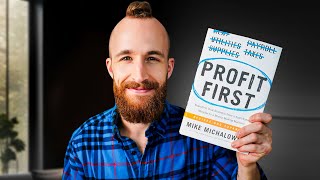
This Boring Funnel Sold $1M of Coaching Without Social Media

Greg Faxon explains a simple, repeatable five-step "Full Roster Funnel" for selling high-ticket one-on-one coaching without social media: create findable, specific content (SEO/YouTube/partnerships), capture emails with low-friction lead magnets, nurture with a weekly newsletter (mostly value-driven with occasional conversion-focused content), use an application or calendar system to screen prospects, then convert via a strategy session and a focused sales process. Faxon reports the funnel generated over $1.5M in sales, sustained revenue (e.g., $241K in the last full year cited), and emphasizes patience, high-ticket pricing (target ~$5K), and client selection as critical to sustainability.
Questions this video answers
Content → Lead magnet → Newsletter → Application → Strategy session
Over $1.5 million in sales (he refers to generating over one and a half million).
$241,000 (last year, as cited).
Conversion rate: 25–50%; Price point target: approximately $5,000 per coaching package.
Chapters
Over the last 10 years, I've tried every strategy under the sun to get coaching clients. I tried automated webinar funnels, I tried Facebook ads. And it always seemed unnecessarily complicated until one day I discovered a simple five step funnel that brought strangers and converted them into coaching clients. And honestly, it's so simple that it's a little bit boring, but it made me over a million dollars. And honestly, I don't care if you ever hire me. All I ask, because I'm going to give this away for free, is that you take notes, watch the whole video and see if it would be a good fit for you. Fair enough. Okay, let's dive in and see how it works. I call this funnel the full roster funnel. And in this video I want to describe what it is, how it works, and some common mistakes to avoid. So let's start with what this funnel is and if you've never heard of a funnel, just in case it looks like this, okay? It's pretty simple and it's taking the initial awareness you get, which is this big group of people, all the way down to people taking action and converting into clients. Okay. And so this is what the funnel looks like visually, but the steps of the funnel depends on what you're doing. So this is the funnel I've used to generate over one and a half million in sales. Okay. This is my main funnel. I've done some other stuff to get to that number, but the vast majority of that is the funnel I'm about to show you. And just so you know that I'm not crazy or making this up just so I can build a little bit of credibility here, this is my profit and loss statement from the last 10 or so years since I started my business. Obviously 2024, you know, we're just partway through right now, but last year, 241k in revenue, and again, this is pretty much all I did was run this funnel. In fact, in 2020, I went off of social media completely. Okay? So you'll see that the funnel keep working. And actually everything started working better after an initial dip. So it's not reliant on social media. I don't do paid outreach, I don't run ads. All I do is set up this five step funnel and this is what's allowed me to make a six figure income from just one coaching, not even having to scale to groups or courses, although I've done those. But this allows me to work just 25 hours a week and again without social media. So I'M not someone who's made, you know, billions of dollars. I'm not the most successful coach or entrepreneur you'll meet, but it works really well for my lifestyle. I don't want to be working a lot. I want to be out having fun. I was always that kid in school who just wanted to get out and have recess. Same thing. Now I'd rather be mountain biking and snowboarding than building some fancy automated webinar funnel. So who is this funnel for? You need to have actual expertise and life experience that people want and that you're excited to share. Because this funnel is going to involve creating content and teaching what you know. You're not just going to be a pure coach who's just asking questions to clients. That's fine in sessions, but for marketing, we need to actually give people actionable advice. Right now you're trying to make money reliably with coaching and maybe you're doing okay, but you need more clients, you need more predictability and the ups and downs are stressing you out. And this funnel is for you if you want a full schedule of clients, a wait list, more appointments coming in, money in the bank, and a business that you genuinely enjoy. Because what's the purpose of working and making money if you hate every second of it? One of the things that's cool about this funnel is that like, I actually enjoy each phase of it. I'm not just marketing as a means to an end. I've learned to enjoy the content part of it. So the cons. There's one main con here. It requires patience. This is not a get rich quick thing. Just like weightlifting, just like exercising, you're not gonna go to the gym and your very first workout, you g 20 pounds of muscle and lose 20 pounds of fat and you look like a whole different person. This requires showing up each week, but you can supplement this funnel with some short term activities and I'll mention those as we go. So that if you need money now, you can see there is a way to do that. But ultimately I want you to have a longer term, more sustainable strategy in your business. So what are the pros? No social media, no paid ads. And it's simple. Everyone acts like you need these fancy funnels or these fancy offerings in order to scale and to make good money. You just need a handful of high end, one on one clients. This funnel can easily get you to 20k plus per month consistently. Okay, so that's what the funnel is. How does it work? I'm not going to tease you much more with this. So there's five steps. Here they are. Content lead magnet Newsletter application strategy session. Don't click away now. Okay, I gave you the funnel, but there's a lot more to this, so pay attention because just knowing these five steps does not equal a full client roster. Okay, so let's dive into content first, what makes good content? Good content is specific. There's some way that it's a bit niched. It's not general self development, general business advice. I'll give you an example in a second of what specific content really looks like and how specific to go. It's valuable enough to charge for. The content at the top of this funnel should be the type of content someone would pay for if you were putting it into a course. And it would be valuable enough for that. And ideally it's findable. Okay, so either it's searchable like SEO, which we'll dive into a minute, or it's the algorithm will serve it to people. Like in YouTube. Social media is an option. I'm not saying you can't use social media and still use this funnel. I just prefer not to rely on social media. I'm not on it. Except if you count YouTube as social media. So that's what makes good content. Most people drastically underestimate what good content actually means. And the content they produce is not that great. And then the funnel doesn't work. We want to do one platform at a time. Don't try to do all three of these things. If you enjoy social media, you have a good following and you know you can get some clients from that. Now, for example, you're on LinkedIn, a lot of your potential clients are on LinkedIn. You have a good following. You can use that at the top of this funnel. But if you want to get off of social media, you'll ultimately want to transition to a different lead source that's not reliant client on that platform. So partnerships can speed things up. If you don't have an email list right now or you don't have a following, this is not going to happen right away. You're not going to get clients without a following right away. But you can get them faster if you develop some industry connections, people who serve your potential clients in a complimentary way. Okay. Because those people can introduce you to their audience, you can leverage their audience for the top of the funnel. So for example, content with other people's audience would be you're guesting on their podcast, you're running a workshop for their paid community. That's a really good one because people have already demonstrated they're willing to pay to solve this problem. So brainstorming some partnerships. Who are the dream people you'd love to partner up with? Get access to their audience while you're building your own platform. Here's how I get traffic. I'm going to take you into the analytics of my website. I always recommend having your website be your home base instead of social media because it's what you can control. This is the last 30 days. Okay. And this is just the site content. Okay. I'll take you into traffic first so you have a sense of, you know, this, I mean, getting a good amount of visits. But this is not like a crazy big website or blog that I run. Most people come either directly or through Google Search. Direct includes email marketing that I do, which we'll get into in a second. It's only a few posts that really make up the bulk of this traffic. So this post is called the 10 most magnificent coaching websites of 2024. 25 most lucrative coaching niches of 2024. This profit first review gives life coaching a pyramid scheme. So these are some core pillar pieces of content. I created them once and now I get people every month coming in, they're viewing this content and then as we'll see in a minute, they're joining my email list from the content. So all these steps work in concert. You need to have all of them. So how I get traffic typically is SEO and I'm doing more YouTube marketing as a secondary channel. But as we can see in traffic, YouTube is not what drives most of the. It's part of others. It's not most of what drives my traffic right now. And so here's an example of one of these posts at the top of my funnel. So people search the term coaching niches, okay? And they get this article. I rank highly for that term. And I have a whole list. It's very in depth, it has video, and it's basically breaking down. Here are the problems you could solve with your coaching that people have already demonstrated that they're willing to pay for. And it's in all different little verticals within coaching. This is the type of thing you could have in a course about choosing a coaching niche, but I'm giving it away for free. That's the content. That's how people figure out you exist, is findable content. It can't just be a blog post on your website that's not optimized for SEO. There's no algorithm serving it up. There's no way for someone to ever find it because that's not gonna get you clients. The second step is to have a lead magnet. We don't want people to just come to this content and leave and they forget our name and they never work with us. A lead magnet is something you do to collect opt ins. And I'll give you an example. This free life coach niche quiz. So they just read the article on niches. How do I figure out which one is best for me? I take this little quiz. The lead magnet is very directly related to the content. You might not start off with a unique lead magnet for each piece of content that you create, but your highest traffic thing is your most popular thing. That's nice if you can have a very specific lead magnet because those convert better. So my top. So low effort, low commitment. Let me talk about that for a second. A lead magnet should not be a 30 page ebook that has them learn a bunch of stuff. If you want to create that as your blog post, go for it. But for the lead magnet it needs to be a quick win. Like a quiz. Okay? Like a cheat sheet. You'll see in my top examples, the niche quiz which we looked at is one of them. This coaching contract. I have an article about how to create a great coaching contract and I have a Google Drive like a Google Doc template that they literally just can use as their contract. No effort required on their part except filling in the blanks and then you just get the result you want which is my contract is done. You can still do just newsletter opt ins. Those still work. So I'll give you an example here. You look at my homepage. This is just a newsletter opt in subscribe and you're good to go. Okay, those still work. Especially if your content's really strong and people say I want to get updates on this weekly but it's usually not going to be your top performing one. It's a good one to start with while you put in the work to create something better. This mind map, just like I'm doing a mind map here. I reviewed the book $100 million offers and that YouTube video did really well. And I just said hey, the mind map I just went through on the video, you can download it and then people join my email list. A little pro tip here. You should have a thank you page once people download your lead magnet or subscribe to your email address. And here's what mine looks like. It's very simple, says thanks, your download is on its way. If you want one on one support to implement what you learn. Apply for a free strategy session. This goes to my apply page, which then goes to my application. So why is this so powerful? Because you've just had a little micro commitment, right? They've just downloaded something that's low effort, low commitment. They're not signing up to talk to you initially. They're signing up to take a quiz to get the contract. But then the, the second step that they get redirected to is, hey, if you want more personal support, if you're looking for a coach on this, you apply for a consult that tends to perform very well. It also means that you don't have to choose between, hey, at the end of my content, do I invite them to a call or do I get them to download a lead magnet? You can do both. You can do the lead magnet first and then they get invited to a call. If you just do the call, some people might book a call, but a lot of people won't because it's a riskier move. It's a more committed move. But they also didn't enter the email so you can never reach out to them again when they are ready. That's step two, the lead magnet. So we got content to top a funnel to bring awareness. Then we got the lead magnet to get their email. Now we're going to follow up regularly with an email newsletter. This is the meat and potatoes of the funnel. You have weekly nurture content, which means every week a newsletter is going out and it's building that relationship. Someone might have downloaded your lead magnet, but until a year from that point, they're really not ready to talk to you or hire you as a coach. So we want to be building that relationship, building that value weekly. And this is just to give free value again, the same way they get it. If they were joining a paid course. You can interview experts or, you know, past clients. You can have a how to post or One of the things I like from Alex Hormozi says how I so instead of saying, you know how to get clients, say here's how I get clients. And instead of being preachy, it ends up you just sharing what's worked for you. And you can share that confidently because you know what's worked for you. You can review popular books in the space that people might be searching for. You can give a perspective shift. Hey, you know, a lot of people look at leadership as this. Actually, I found that doesn't work well. It's actually like that. And give someone a perspective shift that positions you as the authority or expert that kind of changed their perspective on it. Then we got monthly conversion content. This is content that's less geared towards education, more geared towards getting them to book a call with you, moving them down the funnel. Case studies of past clients do this really well because they build credibility. Strategy session, invite. So a consult or a strategy session, you can just very directly say, hey, if you want more support with this in a, in a private way, in a customized way to help you implement, then, you know, book a call with me here, you can have like a survey. This one surprised me recently. I put a survey out to my list, and I was not trying to book strategy sessions. I was just literally trying to figure out what people were focused on. But it was this long form on the thank you page of that. I said, hey, if you want to learn more about working with me, one on one, you know, apply for a strategy session. And I got three applications just at the back of a survey. So sometimes you can do something like that to bring people into another level of relationship with you. Free trainings, webinars. These are not required. A lot of times it's easier to just send a strategy session invite via email. Just say, hey, I got a spot open on my roster. Here's what I can help with. Book a call. But sometimes people need a little bit more. And if you're excited to lead a free training, you can do that as well. So I think a good ratio is about, you know, out of every four posts this weekly content, three of those are nurture and one of them is more focused on conversion. So once a month, these are kind of related, right? Because your content, you're going to produce new content weekly and that becomes top of funnel. That same content is the content I want you to use in your newsletter. So once a week, your whole habit is just ideally an hour a day. In the morning, you're just focused on what's my piece of content this week? Maybe Monday you outline it or come up with the idea. Tuesday, you write it, you know, Thursday, you edit it. Friday, you create a video for it, you know, or, you know, format the newsletter to link people to it and then you put it out. Those are the first three steps. Next is your application. Okay, you can be nurturing people, you can get interest, but ultimately we need to have a way for someone to either get on your calendar or to express interest in working with you. So this is my apply page. Again, it's super simple. Like there's not anything else you can do. It might look a little bit ugly, but I don't want them to do anything else. I just want them to apply if they're a fit. So a headline, sub headline. I'm telling them, you know, how many clients they take in at one time, which builds a bit of you auditioning them instead of them, you know, you being needy. And there's a natural cap to how many clients you take on. You're not making this up. It might be more for you, it might be less. The second part is this criteria. Figuring out what needs to be true about an application that comes in for them to be a good fit to work with you. Okay, so for me, someone needs to actually be in the game of coaching. They need to be getting results for paid clients. That's one example. And then I really like having three steps of just here's what happens next. It seems pretty basic. Fill out the application, schedule time to speak, attend your strategy session. Like, this isn't rocket science, but it gives people a little bit more certainty of, okay, I'm going to do this next, and then this is what will happen. And you get some comfort there. For me, I have the application first and it's actually quite in depth. I don't recommend that if you don't have a full client roster yet and you're still trying to build your lead flow. I just do that because I have a lot of people who want to work with me and I'm just one person. But for years I had the calendar first. So in this, instead of a lengthy application page, it would just be my calendly link and people would just book in. The problem with that is over time, you're going to start canceling those because they didn't pay attention to the criteria. And you're on too many calls with unqualified people, and then it gets awkward because they schedule it and then you have to cancel it afterwards, versus you just reading the applications and applying to the ones that you want to speak with. If you have an assistant, having calendar first and filtering after, that can work better because you're going to convert more people if you start with the calendar than if you start with the application. Because it's a pain in the butt to fill out an application. It's kind of more friction versus just choosing a time on the calendar and then they're in and they're more likely to show up versus you going back and forth with an app. So we got the credit criteria, the three steps, and then application or calendar. This is an example of when I used to do calendar first. Again, I Did this for years. I got 481 applications. That's from this funnel that I'm teaching you now. You don't see any applications coming in because I don't do calendar first anymore. I do application first. This is just the new application right where I started doing. They just fill out the application and if they qualify, they get sent a link to the calendar. So pretty consistent leads coming through this funnel. I've gotten 59 applications since I switched over to this, so fewer. But I've been doing it for much less time this way. And you just get fewer apps, which is what I want because I don't want to be on calls all day with people. So that is how the application works at this point. We've got leads. The funnel's working. We got leads. The bottom of the funnel is you just enrolling the right people into your program. I have a system for this I call the 3C sales system. Obviously not going to teach it in this video because it's super long to explain that would be a whole other video. But very broadly, what we want to do is we want to clarify their situation and goals. Why? What motivated them to book a. What's going on? What do they want to achieve? How would they know if they'd achieved that? Then you want to connect your coaching, your program, whether it's one on one or group, to what they're wanting. And literally saying, hey, it sounds like you're wanting more accountability to lose weight. For example, we'd be meeting every week, right? And so you'd get that accountability. You wouldn't be on your own anymore. And then closing the sale, talking about exactly what the price point is, overcoming concerns and collecting payment on the call. So that's what the strategy session looks like, even for folks who don't convert. If you do this right, they should get a ton of value from the session. Then there's the offer, right? This is the end of the funnel where they're actually paying. We don't want to be offering to everyone we have a session with. We want to be actually auditioning them. We want to be seeing. Is this someone I can really help? Because client selection is the name of the game. Okay. I remember an interview I saw with Marshall Goldsmith years ago, getting interviewed. He said, you know, client selection, choosing the right people, that's actually what makes you successful as a coach. Start off one on one and you can do one on one forever. If you love it, you can just keep raising your rates or you can ultimately scale to a group. But it would be the same funnel if you're as long as you're selling on the phone, on a call, for this to work and for your business to be sustainable, you really got to get to the 5k price point. $5,000 for a package pretty quick. You know, obviously do it in integrity. You don't have to coach your first person at $5,000 when you don't know what you're doing. But this will allow you to work a lot fewer hours because you're not selling something for $1,000. Where to hit 20k a month, you have to make 20 sales a month and you have to have 40 or 50 calls a month. Multiple calls a day. That's not super fun. So at this point I only need to get one new client a month for me to be in a great place in my business. So that's like, you know, two or three calls with my conversion rate. And that's the benefit of a higher end, higher touch program. Quick tip here. Always book the next call, okay? If this is someone you're interested in working with and they need time to think about it, they're not a yes and they're not a no. Always book the second call on that first call before you hang up. Don't go to email because that allows you to talk through concerns in real time instead of going back and forth or getting ghosted. That's the five steps. Okay? Content Lead Magnet Newsletter Application strategy session I know it's super simple and boring, but that is why I like it. Here are some mistakes. Number one, your content isn't getting traffic at the top of the funnel. This isn't getting you new awareness. Okay? So if you're just blogging out into the universe and no one's reading it, you're never going to get people towards the bottom of the funnel. Sign signing on. One of the reasons is probably because the content isn't as good as you think it is is and it just takes a lot of time. This is why it's like lifting, okay. Or like strength training or running. It's not that first workout. It's this weekly habit of making the content better and better every week. You also depending on the format, YouTube, SEO, social media, you need to learn that platform. Which is why we go one platform at a time and figure out how to get it seen. So for example, if you're doing blogging but you have no idea how to do keyword research, how to figure out what the people are searching for, and writing articles about that, you're probably not going to get traffic. So it needs to be quality and it needs to get found. Another way that you'll run into trouble is if you're closing less than 25% of the calls you have or you're not charging enough, you're closing more than that, but you're. Because you're charging nothing for your coaching. So make sure you get your conversion rate 25 to 50%, ideally. And you're charging 5k or more, could be 10k, 20k, you can definitely charge more than 5k. But when you're charging like less than 3k, even if you're converting at a high rate, it's very hard to make this funnel work. The way that I've demonstrated with, you're not working a lot, you're not on social media. And the biggest mistake is this. Everything's working, except when you get the client, they don't get any results. That's not going to be sustainable. That's going to be a house of cards where you're getting clients in. But every month, every year, it's harder and harder to enroll new clients because people talk to each other. All right? So it's a negative cycle. On the other hand, if clients are getting great results and they're getting much more value than what you're charging, even with these high rates, what's going to happen? They're going to talk to each other in that scenario, too. You're going to build case studies, right? I'll give you an example. You're going to get people who do really well, and you're going to have a little wall of case studies about everyone who loves you, and you're going to get videos from them, and you're going to be able to send this to people on your sales calls when they say, hey, can I talk to a client? Or, you know, I'm sort of anxious about the investment. And you're going to say, well, this person was anxious about the investment too, and they got great results. Okay, so those are the three things we want to get right to make this funnel work. I have to say, it is simple, but there's a lot to it. Right? It's easier said than done to say, you know, create content that gets found. Right? It's easier said than done to say you need to convert 25 to 50% at rates that might be higher than what you've charged in the past to be consistent with your content, to have emails that actually convert people onto calls, and don't get cricket. So this is the exact funnel that I use in my business. It's generated over a million dollars of sales working 25 hours a week, not relying on social media. I wish someone had just described this to me at the beginning of my business this so I wouldn't have to mess with all the more complicated stuff. It took me years of trial and error to actually get this right, and just knowing the five steps honestly isn't quite enough to make it work. Hats off to you if you can implement it on your own and I hope that you have a ton of success with it. If you want to cut out some of that trial and error, if you want to go deeper to make each component work and have them work together, then I'd be happy to jump on a call or at least have you apply and see if I might be a fit to support you. And on the call, if you qualify, will look at your business, your niche, your stage, and figure out what do we need to do to create this type of funnel in your business? What type of content do you need? What tweaks can we make to your website, to your Apply page? How's your email newsletter doing? How's your audience growing? We can build a customized game plan and if you want help implementing that plan, obviously we can talk about what that would look like and if I have space to take clients on. So hope you enjoyed this video. Go click the link in the description gregfaxon.com apply if you want that strategy session and we'll talk soon.