Interview with Greg Faxon about Market Research / Market Discovery :)

George Kao and Greg Faxon discuss market research for solopreneurs, focusing on testing demand with real payments and running 30 conversations with potential customers. They cover the credit card test, lightweight validation methods, and using client feedback to refine your offer before a full launch.
Questions this video answers
July 17, 2024
A "30 conversation" challenge — scheduling ~30 exploratory calls with the warm network.
An NPS/MPS-style survey asking "How likely are you to recommend?" on a 1–10 scale.
A five-week cycle with a two-week pre-launch (pre-launch price window followed by regular price).
Chapters
Really happy to be here with Greg. It's been a while since Greg and I have talked and just a quick thing, I'll just say this. Greg, you know, Greg does something similar to me, so business coaching, but he, he has more polished content website and he's younger and smarter. So that's. That's all I'm going to say about you, Greg. So check out Greg's stuff. Of course. I'm going to put the links below. He's got a YouTube channel as well, so be sure to check that out. Greg, you've been really upping your content game on YouTube, which is really impressive. And. Yeah, so I've been. I've just been checking that out. It's very, very cool. Very cool to see. But we wanted to talk about. Well, anything else you want to say, Greg, about. About you and your work.
Well, that was a great. That was. I like that intro. Younger and smarter.
Yeah.
Yeah. You know, these days, supporting a lot of similar people to you. Solopreneurs, coaches, consultants and folks who really. This is recently a lot of what I've been thinking about, George, is a lot of people in our space. It's kind of the make more money, which I'm totally in support of. Absolutely. Making more money is great. And grow, grow, grow and scale up.
Right.
And then we have folks like you and Tad who are sort of, how do we do that in an authentic way? We feel like we're not sacrificing our values, which I think is really important. Recently I've been thinking about this other angle to the whole way of building a business, which is kind of the. The lazy way. I know that sounds kind of weird.
But, like, get it.
I. I used to be obsessed with my business. Like, that was my hobby. It was just like hanging out my wife work on my business. I loved learning about business. I still love learning about it. But I think I hit a point where I'm like, I don't want to be doing my business all the time. Like, I want to be mountain biking, I want to be snowboarding. I want to be with friends. My business brings me joy.
Yes.
But it needs to be one part of my life. So I really focused recently on working with folks who are doing well in their business. But they might not have that predictability or they might not be having the time off they want. Their business just feels more like a source of stress and time. Like, let me have this. Be something that fuels the rest of my life. So I've been thinking a lot about that.
That's that's great. Absolutely. You're, you're bringing streamlining and balance, you know, really. And you know, so that's, that's awesome. That's really great. Well, we are here to talk about market research. And this came up because recently I been teaching a course called Authentic Market Discovery. Link below for those who want to check it out. Which, by the way, I came, I came to the term market. I used to use the term market research for years. And then recently I started using the term market discovery because I did some market research. I did some market research and apparently, according to my people, they liked the term market discovery more than market research. So I started saying market discovery. I should start, get started getting used to it. But same thing, market discovery, market research and why it is important. I'll just say this and I want to hear what you have to say and then, and I'm going to pick your brain on this. So a lot of spec. Well, a lot of solopreneurs, a lot of business, bigger businesses already do market research and they do a lot of it is behind the scenes. Like we don't even realize how much they're doing with market research. And then us small business owners, solopreneurs don't know about that. We don't see that part. And so we don't do that. And we think, great, we're just going to be like any other business and we have this supposedly great idea and we're just going to launch it, a program, service, whatever, and then people are going to, and, and people are going to love it. And then, and then if not enough people love it, we just need to do advertising more. We need to get in front of even more people. If I just get in front of even more of the right people, they're going to love this. They're going to buy it. And it turns out usually that doesn't work. What works better is if we understand what this is, how I say it, if we understand what our current reachable audience wants and has been paying for and is still looking for as a solution, then we could probably tailor or package our existing skills, energy, passion, tools or whatever to address what they actually want to buy. Now, not everybody in our audience, but at least a segment of our audience who then refer us to other similar people, etc. So it's sort of like selling becomes so easy when you sell what people want. Selling is really hard when you try to shove something down people's throats that they're like, you're a really nice person. I really Support you. I mean, they'll say all that, right? Oh, good. Way to go. You know, I support you. You're great. But it's just not what I want and need right now. I'm sorry. I like you. I'm a friend, even. I'm not going to pay you for that thing. You know, they don't even use that many words. They just don't say anything, and they just click a like on the thing. So that's why market research is essential, and it's not done by most solopreneurs. So they're, like, just having a really hard time because they're selling what people don't want. And the process of market research, or I say market discovery, is, to me, a wonderful process because it gets us back in touch with other human beings who have actual pains and who have actual desires. And. And when we actually see them talk about that, we have a natural human empathy that comes in that wants to support them in their goals and wants to help them resolve pains and things like that. And that motivates us to say, well, you know what? Why don't I package my thing in this way? Because this person needs help. Or these people are similar. Oh, this is the second or third person I've heard about needing help with this one. Maybe I should. So that's to. To me, is market discovery. But I'd love to hear. Because you. You've actually done. You. You've done more market research in your career than I have. So tell us what you think market research is, and we'll begin the conversation here.
That's funny. About the market discovery. I think discovery feels easier. I think that's why it's more compelling. Right. It's like, I'll just. It will be discovered. Research is like, oh, man, I got to sit. Go to the library. That's a great tweak. So I. My one and only job before I started my business was market research and consulting.
Wow.
This was after college.
Okay.
And I did it for probably a year.
Yeah.
I had worked with them in college as well as an intern, but they were working with big companies like Pfizer, so they had a lot of pharmaceutical companies, which is, like, bizarre because you'd be in these. One time, they flew me out to Sao Paulo, and it was a focus group, and they had all these doctors there. So you have to pay doctors a lot of money to participate in the focus group because they could be, of course, making their hourly rate.
Wow.
And you're asking them about some certain drugs and why they Prescribe it. So it's kind of a little dicey now, I think, with my evolution. But you'd be behind this, this two way glass, so you could watch them. They didn't see you, they just saw the mirror. I mean, they knew it was a focus group, but they weren't getting distracted by everyone writing and talking.
Right, right.
One partner, usually in the firm, facilitating, asking questions. Now, that's not something that most of us are going to do when we have smaller businesses. You could set up a focus group. Like, I haven't heard of colleagues doing that, but it could be interesting. Yeah, Our focus groups tend to be more organic than that. They're not things we set up intentionally. Yes, but one of the things that you said that reminded me of another thing you said, which I love, is money comes from other people. Yeah, I think about that all the time. Because it's the tough love that sometimes we need to be reminded of. Yes, money comes from other people, meaning you don't always get to have the business that you want.
Right.
Which is weird to say. You get to have the business you want within the realm of what's possible.
Right, right, right, right, right, right.
And the realm of what's possible is defined by other people's wants, other people's problems, which you figure out through market research.
Yes, yes, yes.
So one thing that I guess I'll start with, and a lot of ideas are coming as we're talking, is this idea of a credit card test. I call it the credit card test. Like, how do you know if something is a viable niche if you can get on the phone, offer to support someone with it, and they put their credit card down. Right. Or you have a sales page or whatever it is. But the real test of whether you validated your niche to me isn't actually the interviews you have, the, hey, would you buy this if I did it? I mean, this is an obvious concept to you and me, but I think for some folks, they just need to be reminded. You can think a lot and even talk to people about a potential product, and you may not get the most honest answer compared to, yes, I just paid for it. Now you know for sure there's at least one person who's willing to pay for it. Chances are, if you can find the others, you've got a valid idea for your program or your coaching or whatever.
Yeah, yeah. No, I love that. It reminds me of a book I read some years ago called the Mom Test. I don't know if you've ever seen that book. Okay. Well, as a. As a fellow market research enthusiast, I think. I think you're going to enjoy this one. But quick summary of it. I hope I don't give away too much of the punchline. I think everyone should read the book anyway. But the mom test is where he was trying to launch a software thing, and then a lot of his friends, he asked, they were like, yeah, that sounds pretty cool, you know? Yeah, really go for it, right? And then he launched it, and then he got very few signups, especially the friends who all said, yeah, that sounds cool. Go for it. None of them signed up. None of them bought it. And he said instead of. He learned that he would, he should go to his mom, okay, and just look over her shoulder to see. Well, I mean, the product he was building was something that actually someone like his mom should sign up or might sign up for. But instead, instead of like, say, hey, mom, do you think. Do you think. You think people would buy this thing I'm building? Of course Mom's gonna say, oh, yes, dear. Great, right? He said he would just look over her shoulder and ask questions. Hey, mom, why did you. Why did you. So, like, for example, she was trying to cook something and she would. Like, he was building a recipe app. So, so instead of, you know, and so, mom, how did you find that recipe? Right? It's like, oh, I went to this website. Oh, really? Okay. When you went to the website, what did you look around for? You know? And then like, how did you use that? And it's like, oh, like looking at actual behavior, this actual human being doing something, finding a solution to their problem. He's like, he got so much more insight for what to build instead of just asking his nice friends and his mom, oh, what do you think this is good or not? It's like, it's like everyone's going to say, your baby's cute, you know? So I love that. And so I love this credit card test that you said, would they actually buy it? So, like, the mom test, long story short, so the way I usually teach people market research, I was like, hey, listen, ask people, what have they actually bought in your area of expertise? Like, okay, you're a coach, Fine. Did they buy some therapy? Did they buy a workshop? Did they buy courses? They buy books. Okay, well, what. What were the topics? What did they actually. Credit card test. Put their credit card down for, because I don't care what you say and how polite they're going to be to you, that's what they actually did. And so then you can, if you can shape yourself, you know, shape your skills to deliver on what they bought. Chances are, by the way, they're probably going to buy another one. If you offer a different version of what they've already bought, they might actually buy yours too, because maybe they're not totally satisfied for what, but they might buy something similar to it anyway. I just, I just think that's really great. The credit card test. I'm going to remember that. So how then you could take this wherever you want to go. So how might a solopreneur do a credit card test?
I like that question. I want to share the kiss test, which is the third.
Oh, that's cool.
But, but we're going to use that as a little teaser. So I'm going to answer your question first.
Yes, yes.
One of the simplest ways for folks starting out. So this is, we're talking more beginner launching the business and it's a service business tactic. This is something my first coach, Christina Berkeley, kind of encouraged me to do. I've made it my own since then. But it's just a 30 conversation challenge and you're putting out to your warm network. So if you're on Facebook, if you're on Instagram, wherever you, the more places you put it out, the more conversations you're going to have. Basically saying, hey, I'm ha. I'm scheduling 30 calls, right? My coaches challenged me to do this. Here's what gives some bullet points, here's what you can expect during the call. And it's going to be part coaching session, like what you would do with a client. But it's going to be bigger picture so they can get a sense of what a whole journey would look like and whatever they want to support with. And if they want help, you can ask, hey, would you like longer term support? Do you want to talk through that? And they can be a yes or no. You can end the call or you can tell them then, or book a second call, whatever it is. But those calls that you schedule from experimenting with a niche saying, hey, I want to have. So for example, you know, I launched a fitness coaching business several years ago to test out all my own stuff. This was one of the first things I did. This is how I got my first five long term clients in that new niche that I didn't really have credibility in was getting on a bunch of calls with people from my network. The questions I would have needed to ask to enroll them to work with me are the same questions I want for market research purposes. So the intention is this isn't to get clients, this is to figure out what's even going on. What are people even thinking about in this niche? You quickly realize that your understanding of the problem and their understanding of the problem are miles apart. And if you could go back in time to your former self, if you're solving your own problems, you'd probably realize that you had that old understanding too. But you crossed through some portal at some point where you became interested in the thing itself instead of the results, instead of the pains that they're experiencing. And then you kind of forgot about that and you said, no, it's all about the journaling habit, or it's all about meditation or it's all about getting excited to work out or whatever it is.
Yeah.
So getting into those conversations can both help you get clients because we have a credit card test built in. If they say they want to learn more about working with us, we can actually see. Would they sign up for a 3, 6 month coaching experience and you're getting their actual words, which you can record, take notes on of how they're describing what they're going through, which is of course what becomes things you put on your website and the landing page and all of that.
Yeah, I, I keep, I keep nodding because I'm like, right on. This is brilliant. Like I said, everyone just go to Greg is this younger, smarter version of me. Yeah. Check out his website. There's so many resources there and, and great blog posts and things like that. So this is great. And if anyone, I mean I've seen these posts around the 30 day or hey, I'm looking for 30 coaching, you know, opportunity or I'm opening it up for 30 people kind of thing. If anyone sees something recently, you can add a comment below.
I have an article too, if you remind me. We can I walk through exactly how to do this?
I would love that. Yeah, let's definitely, definitely look, look below this video and, and look at that. And yeah, I love that because the free call can be kind of a part market discovery call and part serving them call and that gives you so much information and, and what you said, like their view of the problem and your view of the problem are miles apart. Reminds me of something I've been thinking about lately is this, this is something that's like old school marketing that I just kind of forgot about and I've been bringing back which is the idea of like starting from unaware to problem aware to solution aware to niche aware and then finally signing up. Like the idea is we all start or Your ideal client starts from, like, vaguely like having the, the pain or the, the yearning, but not really knowing what even the problem is. And then they eventually, oh, okay. To get to, you know, to lose weight, like in a fitness. To lose weight, to feel better, to like, get, get people to, to look at me from a better, in a better perspective, better light. You know what the problem is that I'm, you know, I'm not fit or whatever it may be. And it's like, okay, well, if I'm not fit, then, well, then, okay, that's. Now I'm aware of the problem. The problem is. I know as a fitness coach, I'm sure you would say more like, okay, the solution is. The solution is, oh, there are coaching programs for this kind of stuff. I'm not fit, I'm not exercising. Those are all, oh, they're coaching the solutions. There's a coach for this. There's a coaching program for this. I didn't even know these things existed. Now I know that I can actually look for these things and I sign up for these other. So anyway. But yeah, you go. You're going to go ahead.
This is great. Because you're going to be excited because there's levels of sophistication, right? Yes. That way that your potential clients are in. I would highly suggest not playing the game of how do I catch someone very early on in their understanding of what's going on with this and get them all the way to choosing me. That's like a long way. It's a lot of work to do in your marketing and your sales conversations. Ideally, we want to speak to people who are. The ideal is we're speaking to people who basically already know they have a problem, already know their solutions, know there's your solution, want your solution, and just need to be convinced to take the next step. Just need some reassurance. That's like at the last mile, right?
Yeah.
But I remember I went to a Seth Godin workshop years ago and he was talking specifically about coaches. He's like, there's only. Really. I actually think it's more nuanced than this, but it's a good simplification. There's only two types of people. There's people who are working with a coach already, in which case you need to prove that you're somehow better or different. So they either fire that coach or when they're done, they go by your thing or they do them both at the same time. Right. Or there's people who don't have a coach who probably don't know why they should have a coach. Otherwise they'd have one. Right. And if you want to reach those people, you need to convince them that the problem they are aware of is best solved through coaching. Little more work there. Right? But it's a lot. It's one reason why we see a lot of the most successful coaches are either executive coaches, they're business coaches, or they work specifically with other coaches. Because all those three groups are very aware that coaching could be helpful. It's not the only. Like, obviously you can do coaching in other niches, but I want to say the kiss test too. Unless you have thoughts on.
No, this is really good. I love that. And yes. So let's move into the kiss test.
I don't want to forget. And then we do the tease. Never come back. So we talked about the credit card test, right? And this is sort of just you getting on calls. This is just the quickest way. Get on calls, try to sell a thing, see if people say yes or no. So the kiss test is something I came across a long time ago. I was a weird kid. I. In high school, this was the first time I, like, learned about online marketing. And I found this site like Double your Dating. Like, I had this crush and I found Double youe Dating. This guy's called Evan Pagan, but he has.
I was gonna say Devin David d'. Angelo.
D' Angelo was his pen name.
Yes.
And I had this crush and I don't know what I searched to find this landing page, but it was some thing like, how do I know when a woman or girls, like, ready to be kissed? Right. You don't want to get rejected. Right. And that was as often. This is like the first lead magnet I ever saw. And so you all. I opted in and here was the kiss test. It was like, basically, if you are not sure whether you should go in for the kiss or not, in hindsight, there's an easier way to do this, which I'll describe. But it was like, just touch her hair or a part of her body. If she's come. If she pulls away, you obviously don't have the intimacy for something more significant, which is a kiss. If she seems receptive, you've kind of tested the waters, right? It's. You're more likely to succeed with going in with a kiss. The. The easier way, now that I'm thinking about as an adult, is just saying, hey, can I kiss you? But. But this is a way where you could kind of not get rejected. Right. So taking this to marketing and business As a solopreneur, I think we can test the waters in a similar way. We our products and services before we spend like, you know, months, weeks or years of our life and our hearts putting time into something. This is why market research, this is why people should care about it. It's basically how to know people will want your thing in advance so you don't have the heartache of spending a lot of time and money and launching thing. No one buys it and you feel crappy about yourself. So if you're a little bit later on and you now have a bit of an audience, I like to test the water sort of as I go. So I'll give you an example. And I know, I think you're going to be on board with this too. It's like I read one thing that you, I think it was an authentic content marketing. You were saying, you know, your tweet becomes a blog post, becomes a course, becomes a bigger thing, right? So you sort of scale up as you get interest, let them tell you what they want more of. And I did something similar. I launched a course called Keyword to Client several years ago. This was when I was really focused on learning more about SEO and kind of building a system around it. And I remember I put out an email on the subject line was how I get clients. Which is cool. Like I'm someone who teaches how to get clients. They're like, all right, how does Greg do it? And I kind of broke through, broke down how I use SEO to get clients. It was pretty high level, it wasn't complex, but just like basically selling them on like it's nice to be able to produce one blog post and get clients for years from that. And I asked people to reply if they'd be interested in like, I was like, maybe I'll develop a course or something if there's enough interest. So seeing what percentage of my list actually replied, right? And then I remember getting in individual conversations and kind of asking them, I think I asked them, like, reply with like, what's most compelling about this for you? Or something like that. What questions do you have? So I was starting to get these emails. I got an individual email conversations where I started actually selling the thing and then I was building the sales page at the same time. So all the language they were giving me in the emails of why like a lot of people said I'm. The most interesting part is I don't want to be on social media. And you mentioned it allowed you to get off social media. So that became a Big focus of the sales page. Right. And so sort of step by step, and then I built the sales page, then I built the course. Once it sold out, it. It kind of allowed me to kind of not pass go until I heard hit certain checkpoints, which I think is the equivalent of that kiss test of testing the waters.
Yeah, that's amazing. Wow. And that sounds like a really cool blog post. So if it's still. If it's still relevant, we can. We can link that below as well. I know you have. I know you. You have quite a bit of success with SEO. Like you, you've gotten a lot of. A lot of leads and a lot of clients through. Through certain blog posts of yours. So you know what you're talking about. That's awesome. Well, I want to respect your time, and I can't believe it. Time has already flown by so fast.
If it's okay with you, let's go. Just really quick, one more thing I want to mention. Is that cool?
Yeah, I'm. I'm cool. I'm. I'm actually good with time. Okay, go ahead.
I'm. I'm not on the clock. We're good. So we talked about. One of the best sources of market research is the words that your clients are using.
Yes.
I wish someone had told me the following earlier.
Okay.
Not all of the data you have, all of the words from potential clients are created equal. So you might have a survey that you put out to your list. You might have emails people have sent you when you ask, you know, what's your biggest challenge right now with this area of your life? You might have sales call notes, but those might be different from the notes you have from clients who paid you, which to me, I would weight much more heavily. Right. So when I'm going through, like, if you have an intake form for your new clients, if you have an application for, like a consult, when clients apply to work with you, if you have that stuff, look at the stuff from the people who ended up paying you, because they might be describing it differently and seeing it differently from people who are somehow in your universe but didn't pay you. It will also be different from what they say when they're done working with you, because now you've taken them through that portal of understanding that you went through. I remember I had this client, fitness coaching client, and I was asking him for. I think I was developing, like, my curiosity hook or like, how do I describe what I'm doing in this niche? And I ran some things by him, and it was a lot about fat loss and losing weight because I'd realized for my 30 conversation challenge, that's what people actually paid for. I didn't set out to be a weight loss coach. I was just, I just want to help people with fitness. The people who actually paid a lot of money had struggled for years, tried a lot of different diets, couldn't maintain a healthy weight.
This is like the classic marketing example, weight loss. Right. Like everyone, it's like a weight loss, weight loss. It's so funny that you actually went.
Into this even though I kind of knew that. I was like, well, maybe it would be like, I love strength. For me it's always been about strength training. So I was like, maybe younger guys want to help us. No, no one wanted to pay for that. So, um, so I asked this client who'd worked with me for six months or whatever, I was running some stuff by him and he was like, yeah, I feel like these are all about kind of fat loss and weight loss, but really it's about kind of like having a good relationship with your body and with food and like feeling comfortable in yourself. And I was like, that's all true. But just so I know, would you have, would you have thought that if before we started, would that have been interesting to you? And he's like, no, I guess I just wanted to lose weight for my sister's wedding. And I was like, okay. So, yeah, not all market research is created equal. But the main thing I wanted to emphasize is to go back to the data you probably already have in your forms and your notes, stuff like that, and use those words whenever possible.
So good. I love that. Yeah. Oh my gosh. Yeah. Because they're, they're already further and further. They're far enough along on the awareness journey where you're getting them at the right time. And you want to know what, you want to understand the language of that stage of awareness as much as possible. Another thing I think is this is why I tell people like, find out what they've bought. Find out what they've bought or are buying or almost bought, but for whatever reason didn't buy because those so called competitors, or I like to say niche mates, because hey, those people have lives and hopes and dreams too and are worth, you know, are worthy human beings. You don't have to be so afraid or intimidated by competitors. Niche mates. The niche mates they, that our clients have actually bought from, they've already done a lot of marketing, they've already done a lot of copywriting. Maybe we should look at Their copy and go. So my client bought that, huh? What can I learn from that? Right? It's like literally has the credit card test worked there? So what can I. Oh, three clients have bought that. Okay, got it. Let me go and look at their marketing and see what's working. And so it's like market research sometimes can literally be researching what's working in the market and then seeing where we can borrow from that. So yeah. So anyway, this has been really interesting and I'm, I'm assuming those who are watching this are getting a lot of. You might have to watch this again. By the way, rewind this and see what nuggets you can bring in. Please do comment below on what, what you're really getting from this. So. So Greg, what kind of market research are you? Well, you can ask, you can answer one of these two questions. What kind of market research are you doing these days? Okay, one. Or what kind of market research are you. Do you find yourself guiding your clients into doing a lot these days?
You know, right now I actually should talk to you about this because the other way you can do market research is just asking colleagues about the thing before you have to go through it. So one of the things I've been really considering is do I want to add in some lower price paid workshops?
Right.
I know that's been a big part of what you've done.
Sure.
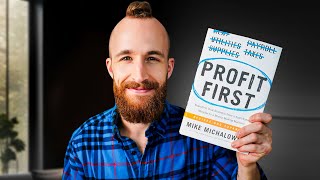
You know, frequently doing workshops and then the recordings are available and that would be pretty new for me. I've done more expensive courses, either live or pre recorded. I've done group programs one on one and I've done free content that's quite in depth. But this other area of the, the smaller workshops is new to me so I've been reaching out. I reached out to Gemma Gilbert, who's a past client and now we're collaborate on some projects and I. You're on my list to ask as well about things like, you know, what percent of the list converts. What was your thought process with the price point? Which one of your workshops like sold out? Which ones did you think were going to sell out? No one wanted to go to. So those are, that's one of the things that's on my mind and I'm mostly approaching it with talking to colleagues first because I know once I put something out that will be the credit card test. I mean it's not the end of the world for me and actually I should. I'm talking and convincing myself now. I probably spent too much time thinking about it and just need to Go do the first workshop and see if I like it and see if it sells. But one of the ways that I kiss tested my way into this recently was I did a review on the book Profit first recently, which is like a budgeting system for small businesses. And I asked people as part of the video and in the email to my list, hey, I use profit. I said, hey, I use profit first in my budgeting. But. But I actually have a kind of a different system where I know how much I can spend in my business and I know how much to pay myself and I've kind of automated a lot of it. If you're interested in learning that, reply to email. I may, you know, create a video about it. And I got a bunch of replies. So that was my kind of test the waters. Would people potentially want a video or a paid workshop on this? So that's the main example I have on that.
Yeah, yeah, that's great. Yeah, no, I, I love that you said talk to niche mates about it because if it's true that you and a niche mate share a very similar audience, right then, my gosh, why? You know, that's one of the wonderful things about having friends in your niche. You know, it's like you don't always have to, you know, do joint ventures or whatever. It's like you are both spending a lot of time and energy doing marketing, testing, a lot of different things. It's kind of like you duplicate and the closer the niche mate is to you, meaning the more similar they are to you, the more you have a doppelganger who's out there doing additional work that you can't do that you don't have time to do. And it's like, why not get together and share the intel so that we can all get smarter together, make the pie bigger. And so absolutely, I love this. And this is another reason to do what I call net caring. Right. Like look at other people in your niche as potential teachers, co teachers to each other, you know, and like I said, look at them as like a, like a, like a clone of you in a positive way. It's like, hey, I don't have them so much. Like look at them as a team member, you know, share different businesses, but like they're all different anyway. So that's really great and I'm, yes, I'm going to encourage you to please, please do launch your low paid, low price workshops and test the price because, well, if you only have the higher price, of course this is, you have not never tested this. My God, it could be huge for you. And in terms of, if I could say in a minute, like, you know, price points and, and topics, you know, I started off years ago, 2016 doing 25 per workshop. Right. And then I like raised it, I think within a year I raised it to 45 and then like 60 and then the second year I think it raised it to 75. And then in the third year I think I raised it to 90 and then 120 and then 150 and now it's 200 with a early bird discount of 100, you know, paying 150 instead. And overall there has been more revenue as a result of the price raising, but the number of sales have been steady or slightly dropped. So fewer people, more revenue, you know, and, and, and, and so, but the thing is I did try raising it pretty quickly at one point and that that backfired. So it is kind of tricky because whatever number you start at, you can of course keep raising it gradually. It's gonna, it might take months or years to get to a level that you want. But then again lower price means a lot more people. So question is whether volume. Volume is more important right now. And it might be interesting because you have high price things, obviously you're not gonna, it's not a volume game, it's just like a deep work with a few people game. And so you might be interested in playing with the volume game and seeing, gosh, well, you know, with your YouTube or with your email list you might get a bunch, you might get hundreds of sales per workshop. Yeah, that'd be interesting.
Yeah, yeah, yeah, that's helpful. Yeah, we'll see. And I, you know, I was talking, I mentioned Jamie Gilbert, like she's done a little bit of this and her stance was basically if you, is the workshop, is the point of the workshop to get people into your higher price thing.
Right.
That's when we see a lot of the free webinars type thing where you can give value but the, the true intention of the provider is to get people into the higher end coaching program.
Yeah.
Or is it to just. Is it about the workshop?
The deliver the content? Yeah, yeah, so yeah, yeah, totally.
Yeah. I know we could go on a while and I want to change the topic of thing. How long in advance do you typically when you have the idea for a workshop.
Yeah.
And then you announce it, how long do you give yourself before you're actually running the workshop? How long does prep take for you? 5.
The entire cycle is five weeks. The actual announcement is two weeks. Like my, my pre launch sale is two weeks from the day I start teaching, and then one week later is the regular price. It's like, because the pre launch, well, we're talking about the kiss test and all that stuff. I could still pivot after the pre launch. The pre launch is just a Facebook post. It's just a text post and a text email to my list. There's no sales page yet. There's no graphics. I haven't created the graphics yet. And I have been tracking for several years now the numbers of the pre launch versus the regular and offline. I could share with you, you know, whatever numbers. But, but it's really interesting. Like I can tell how it's going to do because I have averages now, so I can tell how the final thing is going to do by seeing how many go for the pre launch. And so, and so I have pivoted. I had pivoted a couple times. I'm like, dude, the pre launch sucked. Like, you know, and it's like, the funny thing is I work equally hard or equally lightly you might say, on every, every launch. And it's really interesting. Just like you said, the kiss test, credit card test. I work equally hard on all of them, but some of them do super well. And some of them are like, what? This thing smells me good. Why did you. So we gotta, we gotta just work lightly on this stuff and go put it out there and see, you know. Yeah, but, but five weeks. Yeah. So, so to the other, the other, starting at, you know, week one of five is like starting to put together the brainstorming the overall general outline of the sales page and starting a bit of the logistics. All right, let me set the, the skeleton of the course or whatever. And, and then, you know, the second week I, I draft this, the, the sales page, send it out to a few people for feedback and, and further work on the skeleton logistics side. And so it's like every week I'm doing like an hour to two hours of work, meeting up to a launch. Yeah. Nice. Yeah, it's, it's, it's cool. I mean it's, I think it's, it's been, it's been working for me for, for years now. And yeah, I, I highly recommend it. But, but let's, let's wrap up this market research thing. So as you think about one of your clients, you can think of any of them. Okay. As you think of one of your clients, what market research either have they done that's been helpful or do you think they should do next. That's kind of a broad question.
Yeah, I'm looking. I have them.
Oh, sure. You have a list. Yeah, right in front of you.
So one is. It's. It's so much easier when you are teaching something or whatever your services based on a former version of yourself. And I feel like we didn't really touch on that, but I feel like it's kind of important here because your life becomes a lot easier because you. You already have a lot of that market research already done. If you can transport yourself to, you know, where your head was at when you were earlier on in the process.
Right.
It also. Then you have built in credibility. Your whole job becomes easier, I think if you're not pursuing a niche that, you know, trying to help a former version of yourself, it requires a lot more market research.
Right. Yes.
And so, you know, one client that I'm working with has done a really good job, and her name's Rosie, and she helps textile and fashion designers grow their business and get more clients like freelancers, people who work for Nike or whatever it is. And she was a fashion designer. Right. So it's like a lot easier. She knows exactly what she was thinking about when she was overwhelmed by her business and wanting to raise her prices and all of that.
Yeah.
So she actually had an easier time in terms of creating content and offers and stuff like that. And she's. She did really, you know, really well early on with me. We hit a point recently where we. She wanted to slow down and really focus on her product.
Yes.
So there's market research for will this sell?
Right.
And there's market research for how do I create a good thing?
Yeah.
It has. People come back. That has people refer me.
Yes.
And that's important too, because you have something. You did all the market research to create the sales page or all of that, and you sell a bunch.
Yeah.
But as you and I know, the real thing that makes a business sustainable, it's really the product. Yes.
Like, it's good.
You need to be good at marketing because you need to sell the thing.
Lower the churn your life is.
Yeah. A lot easier. Increase the referrals, retention, repeat clients. All of that has just saved my life more than once when business was lean. And so one of the things I had her do, first thing, I had her put together an MPS Score survey. MPS is a really simple way of figuring out numerically how satisfied are people with my service.
We've all. We've all seen it. The thing pops up and goes.
How.
How likely Are you refer.
Yeah. How likely are you to recommend me to a friend or colleague? 1 to 10. Right. So but you can do this as a small business. And I'll say, George, when I first put this out, I put it out to a bunch of my clients at once because it was the first time I created it. Existing one on one clients.
Yeah.
And it was the one to ten score. How likely are you to recommend? It was. Why wasn't it. I think it was like, why wasn't it a higher number?
And why was after the second question.
Is, why wasn't you happy with. And what could improve? Yes, man. I had clients give lower numbers that I thought were happy and I was like, I gotta figure out what's going on.
Yeah.
I had clients give higher numbers that I was stressed about.
Right.
I was like, oh, they're fine, they're liking.
Yes.
But you don't know sometimes unless you ask, you're just kind of from their energy being like, are they having a good time? Do they like me getting results? So I found that so comforting to actually get those scores in and be able to see them.
Yes.
It also allows you to know, maybe I should ask for a referral from this person. I was a 10 out of 10. Maybe they know other people. Maybe they're in a place where they really would want to share my work.
Yeah.
Versus having a guess. Is this person receptive to that? Yeah. So we had to do the NPS score. One of her best success stories recently, the person who did really well. I said, why don't you go and when you do the case study, try to figure out what, what she did differently in your coaching in the first 30, 60 days. Because maybe we can recreate that with your other clients so that they have like similar successes. So I think interviewing your current and past clients on what is working and what you can improve, that's one thing I'm doing with Rosie. And it was a good question because that's a whole other half of market research, which is the product, which is important.
Totally. I love this actually, because recently I made the decision to like, for my next 12 to 18 months, my goal is to improve, to have, like to create a system of deliberate practice to improve the quality of my offerings and my content. And this is partly because. And you're going to love this. I recently finally started watching Alex Hormozeiki. Okay. I think because I, I saw one of your videos. Right? Yeah, yeah. And I, I, I, for years I ignored him. I'm like, yeah, I don't know if I can.
I feel like your audience in general would hate Alex Hormozi.
Yeah. Yeah, exactly.
So I'm sorry.
Sorry, everybody.
Yeah, very.
I mean, but it's. But the thing is he. Yeah, but he's also greatly misunderstood. I. I feel like it's similar to my journey with Gary Vee. Originally I hated him and then. And started really respecting him and same thing with Alex. He's like the new Gary Vee. Right. Like, I'm like, oh, wow, this guy has a heart of gold and knows. Knows a lot and really, really sharp. Really, really, like, experienced. Anyway, so he. I. Watching some of his videos, like, really made me motivated. Like, man, I gotta get better. I mean, period. Like, I just, I have to get better. So. Anyway, that's, that's really, that's inspiring to hear this NPS thing. So. Okay, I'm going to wrap up. I will of course put your links below. I think we have one, maybe two blog posts of yours. I think the one that's the 30 day. The 30 day coaching spree and maybe another one. And yeah, I hope folks will check those out. And also your YouTube channel has really gotten a new, new life in the past months and I hope folks will check those out. You. You actually, your. Your videos are much more entertaining to watch than mine, so people check that out for sure. And yeah, anything. Anything else, Greg, before we close out any other little tidbits or anything else you wanted to say before we.
I just appreciate you. You're awesome. I'm always inspired by like, you call it net caring. I'm always inspired by how you engage with. At least how you've engaged with me. And that's something that I really want to work on. You have a good example for me because I can get lost in the content side of working. It's like my comfort zone. Right.
Yeah, sure.
I'll just be here. No one's. And I'll just create something awesome which has done really well, which works. But you have to also engage with people. Like, it's a lot easier if you're engaging with people.
Yes.
And so I appreciate you reaching out and that we could do it.
Yeah, man, this is great. This is great. So thank you so much and thanks everybody.